

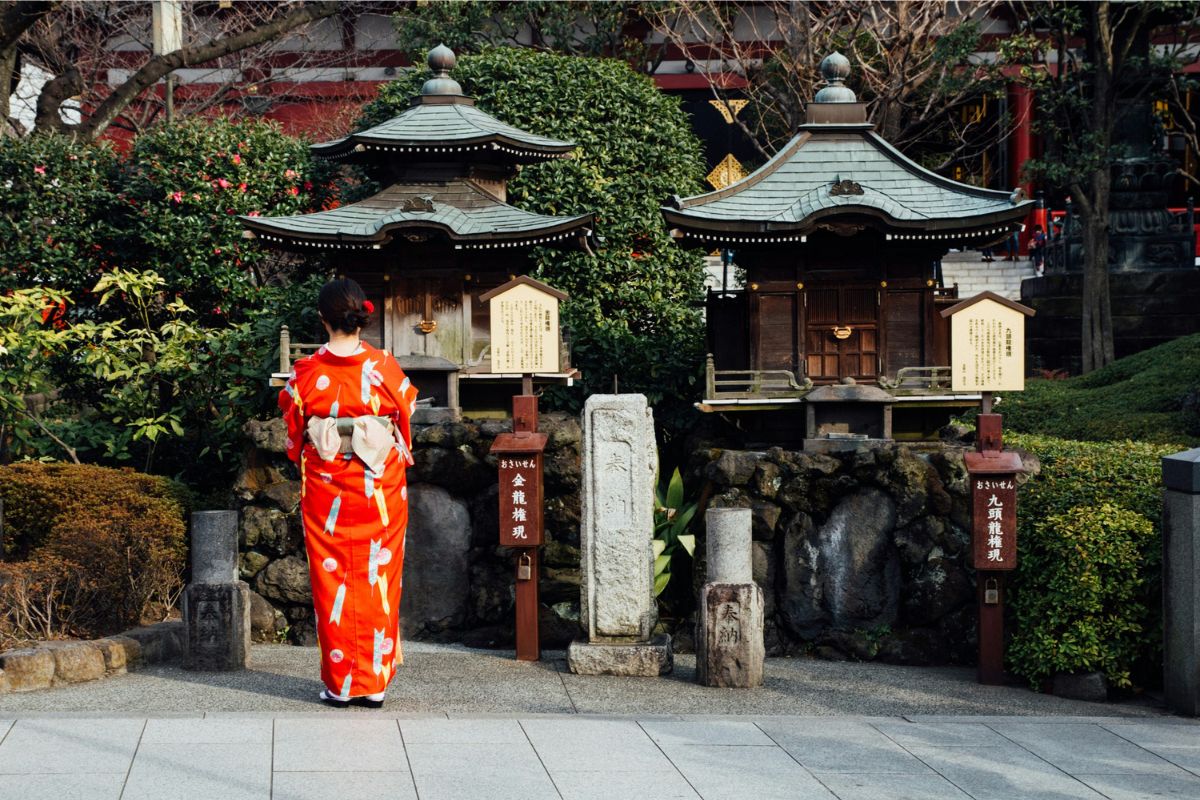
Most people arrive with a list. Tokyo, Kyoto, Osaka, the Golden Route that takes in the country’s headline acts in roughly the right order. It is a good list. Those cities are extraordinary. But Japan is also one of the few countries in the world where the further you go from the obvious itinerary, the better it gets. The bullet train network makes a two-hour journey from the capital feel routine. And two hours in almost any direction will take you somewhere that most visitors to the country never see.
The 15 places below span the full length of the country, from the urban electricity of Shibuya to the monastery-covered mountain of Koyasan, where Buddhist monks have been conducting the same morning rituals since the 9th century. Pack well, plan the rail passes early, and give the country time. It rewards patience in a way that few destinations can match.
The Flight Out
Japan is a long-haul destination from the UK, typically 12 to 14 hours direct or slightly longer via a hub. Compare fares across all carriers on Skyscanner. Qantas operates services from London connecting through Australia, and is consistently rated among the best carriers for long-haul comfort, worth considering when you are facing over half a day in the air. Tokyo Narita (NRT) and Haneda (HND) are the main entry airports; Haneda is closer to central Tokyo and generally preferred for city-focused itineraries.
Pack smart for a trip here. The country mixes extreme urban density with serious hiking terrain and traditional ryokan stays, and most travellers end up doing all three in one trip. Rimowa’s lightweight aluminium and polycarbonate cases handle overhead lockers, bullet train storage racks, and the inevitable cobblestones of Kyoto with equal composure. Their Original cabin case is particularly well-suited to a Japan trip where you will be moving frequently between cities.
15 Best Places to Go in Japan
1. Tokyo: The City That Contains Multitudes
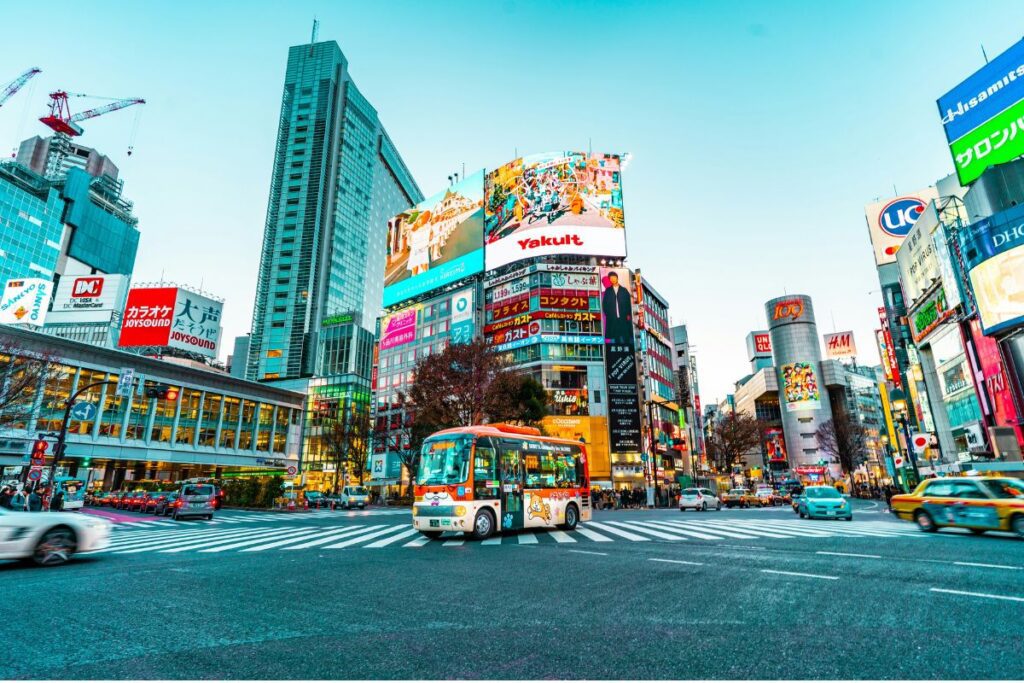
No other city on earth manages to be this many things at once. Shibuya’s famous crossing is everything. The photographs suggest a choreographed flood of people moving in all directions at once. Harajuku is two streets away and completely different in character. Yanaka, the old shitamachi neighbourhood that survived the 1923 earthquake and the Second World War bombing raids, feels like a village. Akihabara is an electronics district that has become a global pilgrimage site for anime and gaming culture. Spend at least four days here before moving on, and use the neighbourhoods rather than the landmarks as your compass.
2. Kyoto: Where the Imperial Past Survived
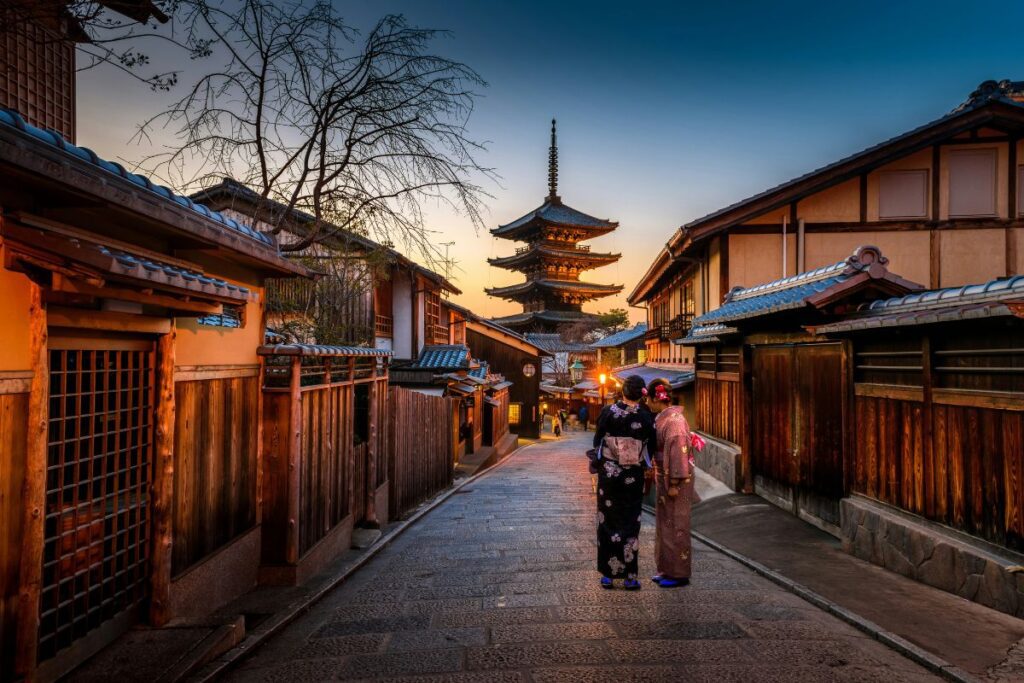
Serving as Japan’s imperial capital for over a thousand years, Kyoto was spared from the Second World War bombing campaigns that flattened most of the country’s urban fabric. The result is a city with intact historic streetscapes, thousands of temples and shrines, a living geisha district in Gion, and some of the finest kaiseki cuisine in the world. The Fushimi Inari Shrine, 10,000 vermilion torii gates winding up a forested mountain, is best attempted at dawn, before the tour groups arrive. The Arashiyama bamboo grove is worth the early start for the same reason.
3. Osaka: Japan’s Kitchen and Its Most Unguarded City
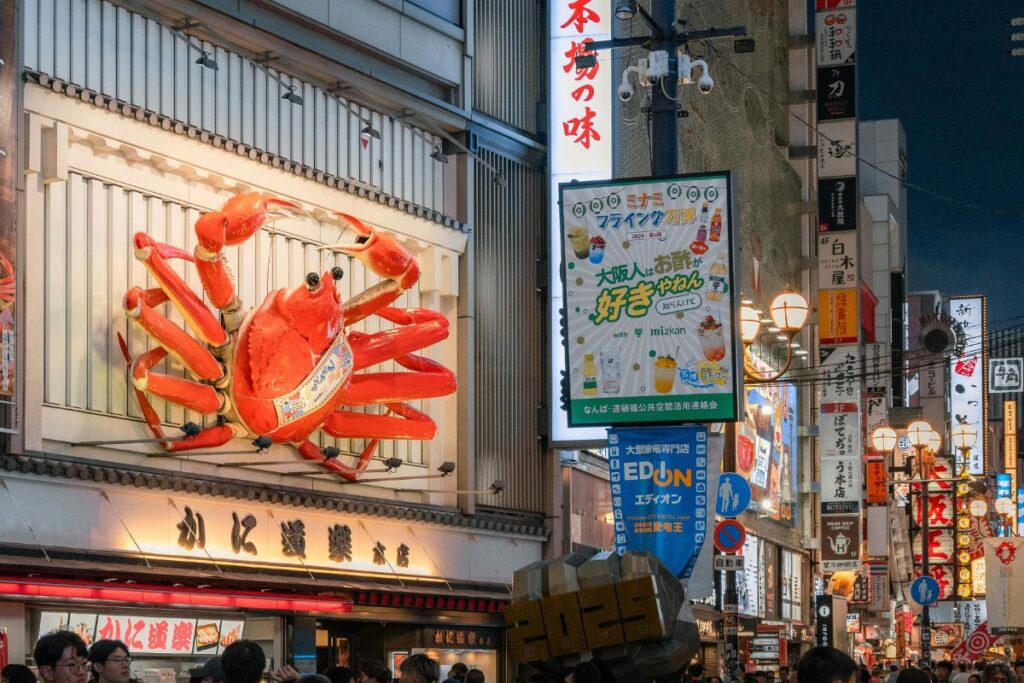
Where Tokyo is electric and Kyoto is refined, Osaka is exuberant,unapologetic, and entirely food-obsessed. The local philosophy is ‘kuidaore’, eat until you drop, and the Dotonbori canal district at night, with its neon signs and street food stalls selling takoyaki and kushikatsu, is one of the great sensory experiences in Asia. Osaka Castle is worth visiting for its context and its hilltop views, and the Kuromon Market is a working food market that has been trading for over 200 years. Osaka is also just 15 minutes from Kyoto by Shinkansen, making it easy to base yourself here and use both cities.
4. Hakone and Mt Fuji: The View That Defines the Country
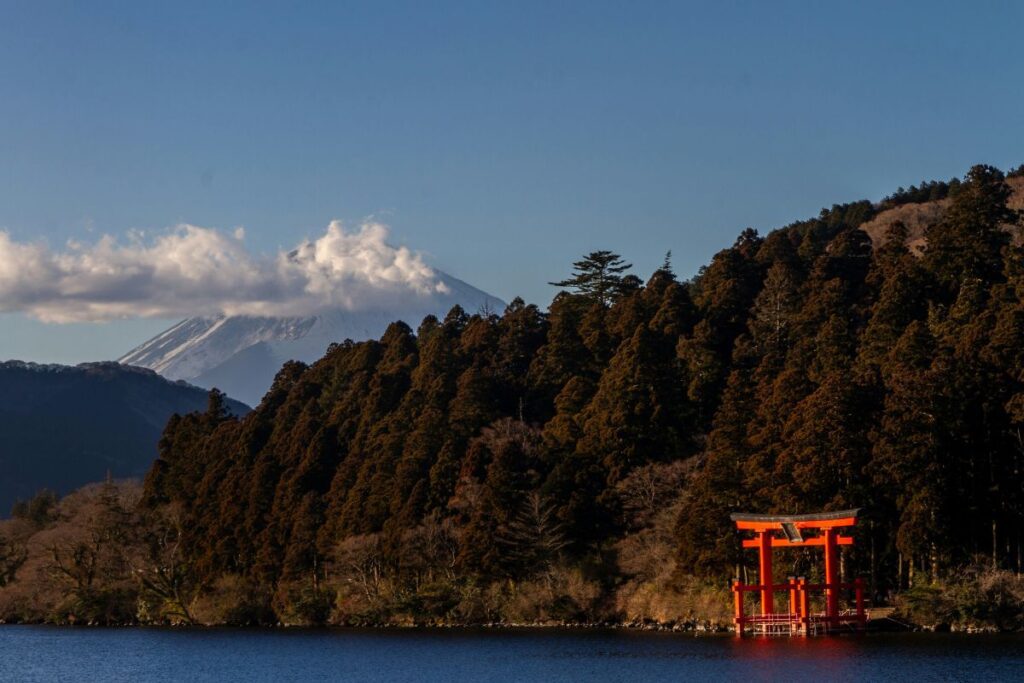
Mt Fuji is Japan’s highest peak at 3,776 metres and its most enduring symbol, a near-perfect volcanic cone that appears in woodblock prints, on passport stamps, and on the horizon from the windows of Shinkansen carriages across the Kantō plain. Hakone, the resort town on Fuji’s northern flank, offers the most reliable views: the Chureito Pagoda reflected alongside the mountain, Lake Ashi’s glassy surface at dawn, the open-air sculpture park at Hakone. Climbing the mountain itself is a summer-only activity (July to mid-September); the queues at the summit crater can be significant. The views from below are often better anyway.
5. Hiroshima and Miyajima: Weight and Beauty Side by Side
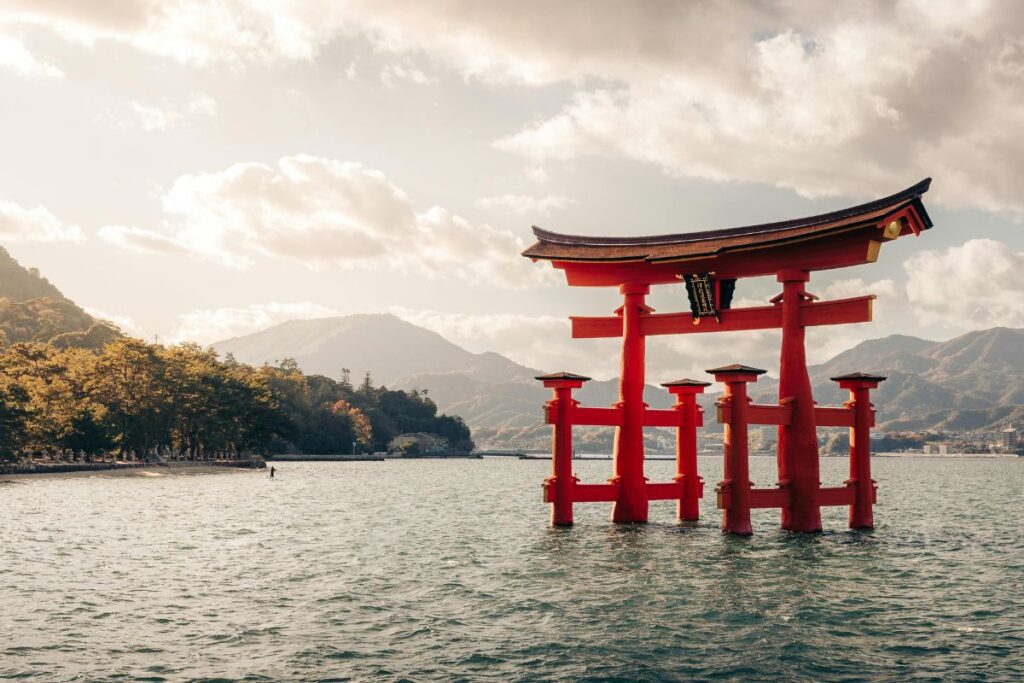
The Peace Memorial Park and Museum are among the most important sites in the world. The Atomic Bomb Dome, the only structure left standing near the hypocentre of the 1945 blast, stands preserved as a UNESCO World Heritage Site within a park designed for reflection and remembrance. The museum is deeply affecting. Allow two hours and go with the willingness to sit with what you find there. A 30-minute ferry from Hiroshima brings you to Miyajima Island, where the Itsukushima Shrine’s ‘floating’ torii gate stands in the sea at high tide, surrounded by deer that wander the island entirely at will.
6. Nikkō: The Most Ornate Shrine Complex in Japan
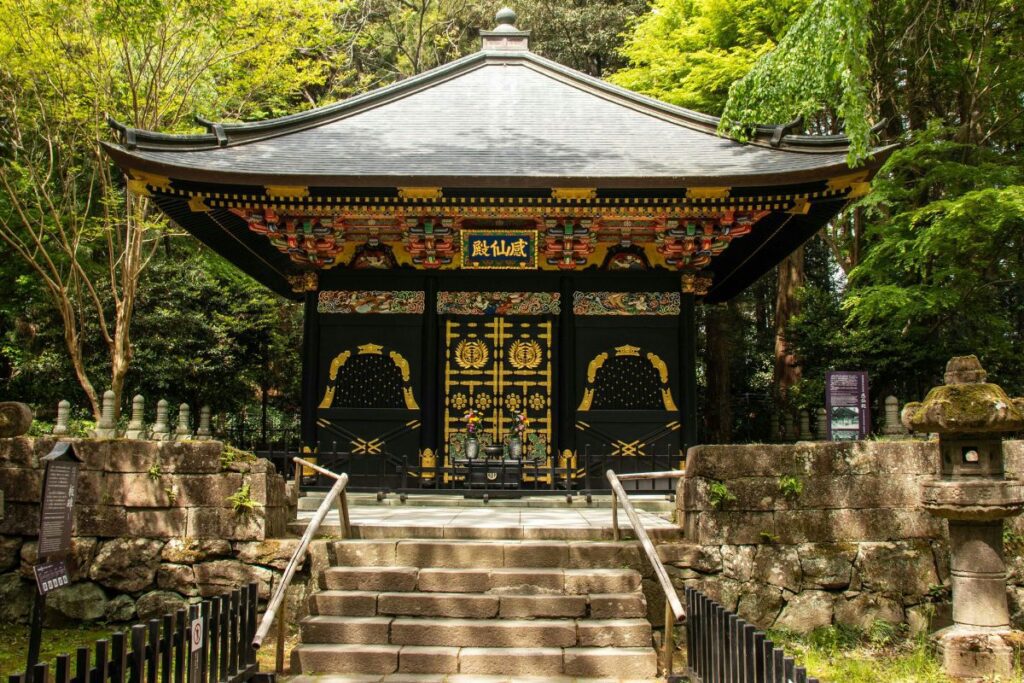
Two hours north of Tokyo by express train, Nikkō is home to Tōsho-gū Shrine, the mausoleum of Tokugawa Ieyasu, the shogun who unified Japan in the early 17th century. Where most Japanese architecture chooses restraint, Tōsho-gū does the opposite: the entire complex is decorated in layers of red and gold lacquer, intricate carvings, and painted panels. It is deliberately overwhelming. The surrounding mountains and cedar forests are equally dramatic, particularly in autumn when the foliage turns the hillsides copper and gold.
7. Kanazawa: Kyoto Without the Crowds
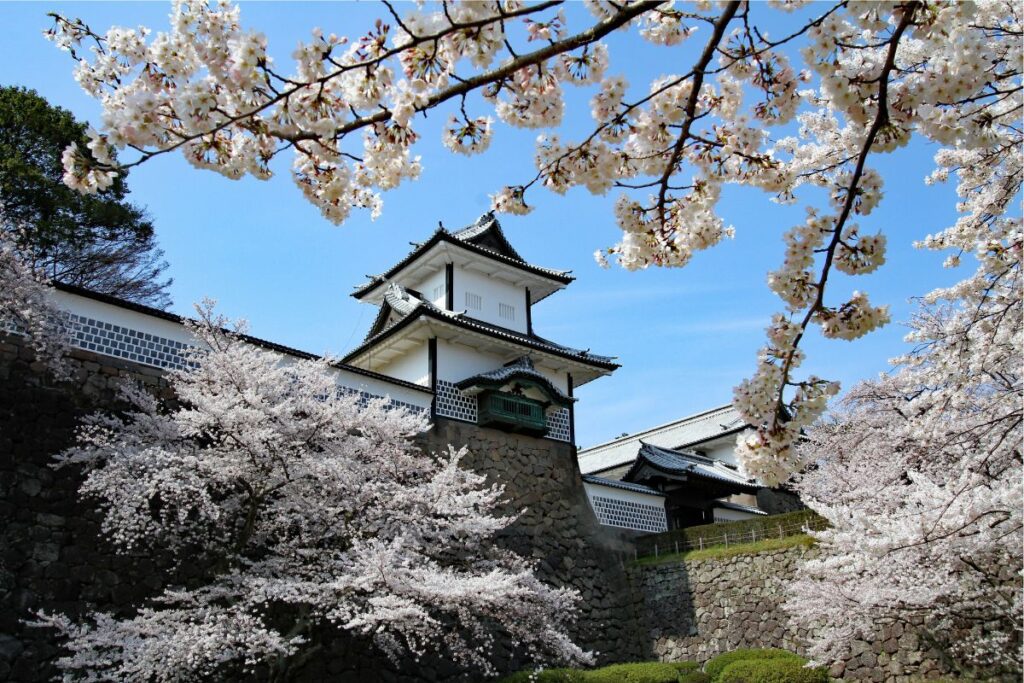
Regularly cited as one of Japan’s most underrated cities, Kanazawa escaped both wartime bombing and the post-war industrial development that changed most of the country. The Higashi Chaya geisha district preserves its wooden machiya townhouses almost intact. Kenroku-en, the city’s famous garden, is considered one of the three finest landscape gardens in Japan. And the 21st Century Museum of Contemporary Art is one of the most architecturally and programmatically interesting museums in East Asia. The Shinkansen now connects Kanazawa to Tokyo in two and a half hours. There is no longer any excuse to skip it.
8. Nara: The City Where Deer Have Right of Way
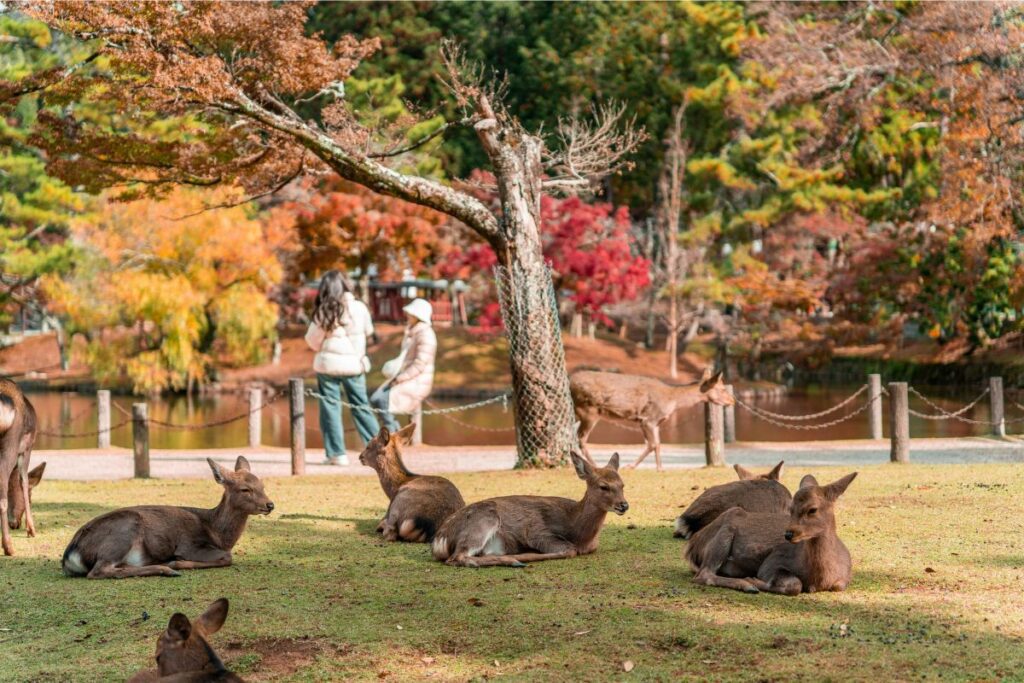
Japan’s first permanent capital is home to tōdai-ji Temple, which houses the largest bronze Buddha statue in the world inside the largest wooden structure ever built. Both facts are hard to believe until you are standing in front of them. Nara is also famous for its population of approximately 1,200 freely roaming sika deer, which are considered sacred messengers of the gods and treat the entire city as their territory. They are surprisingly assertive about it. Nara sits 45 minutes by train from both Kyoto and Osaka, making it an easy and rewarding addition to any itinerary.
9. Takayama: The Mountain Town That Time Forgot
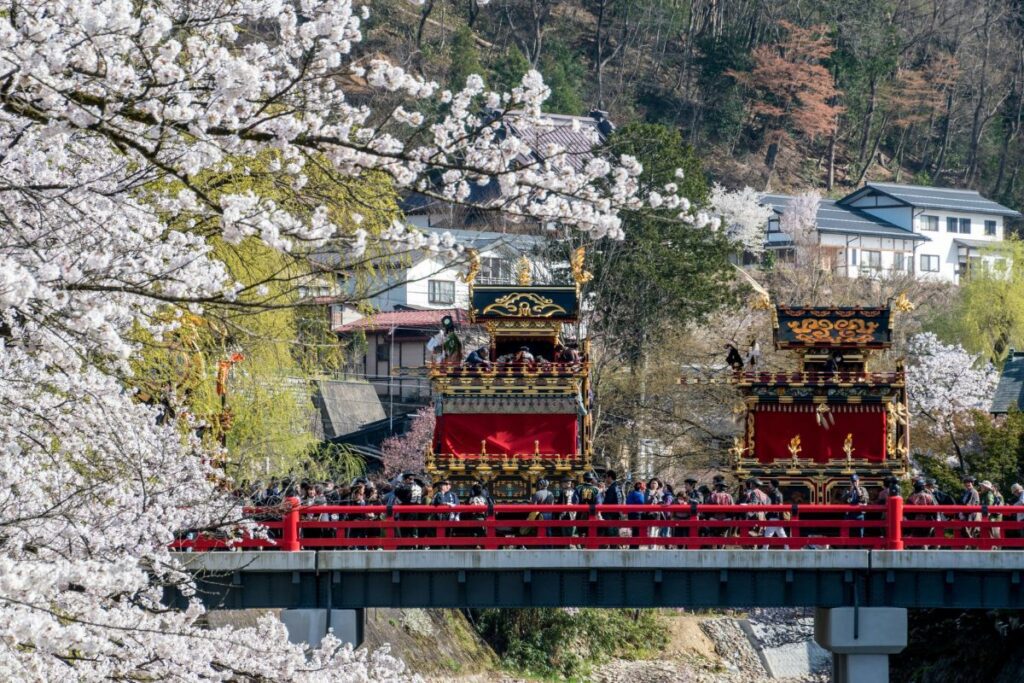
Nestled in the Japanese Alps in Gifu Prefecture, Takayama is one of the best-preserved Edo-period towns in the country. The Sannomachi historic district is a compact grid of dark wooden merchant houses, sake breweries, and artisan workshops that feels entirely undisturbed by the 21st century, at least until mid-morning when tour groups arrive. The solution is straightforward: get there early. The morning markets along the Miyagawa River, running since the early Edo period, are at their best before 9am, and the old town at dawn, with mist hanging in the Alps above, is one of the most beautiful things Japan offers.
10. Koyasan: A Mountain of 100 Temples
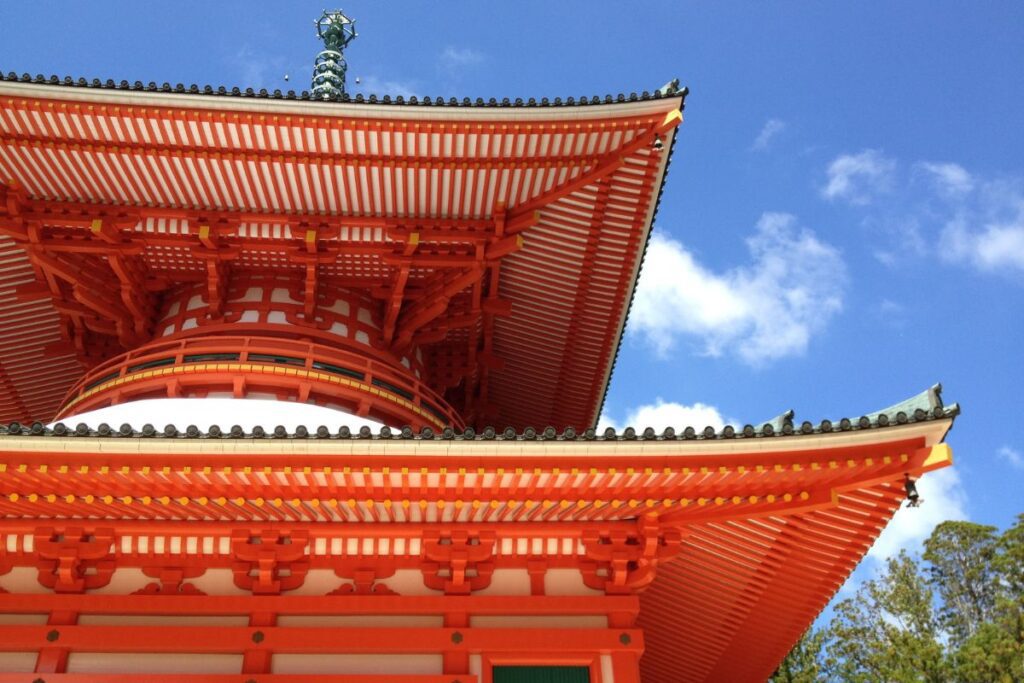
Reached by a combination of train and cable car from Osaka, Koyasan (Mount Koya) is one of the holiest sites in Japanese Buddhism. Over 100 temples sit across a high mountain plateau in Wakayama Prefecture, and around 50 of them offer lodging to visitors in what is called shukubo: temple accommodation including vegetarian monk cuisine and the opportunity to attend morning prayers. The Okunoin cemetery, Japan’s largest, extends for two kilometres through ancient cryptomeria forest to the mausoleum of Kobo Daishi, the founder of Shingon Buddhism. Walking through it at dusk, when the stone lanterns are lit, is an experience that no other destination in the country replicates.
11. Kyushu: Hot Springs, History, and the South’s Different Pace
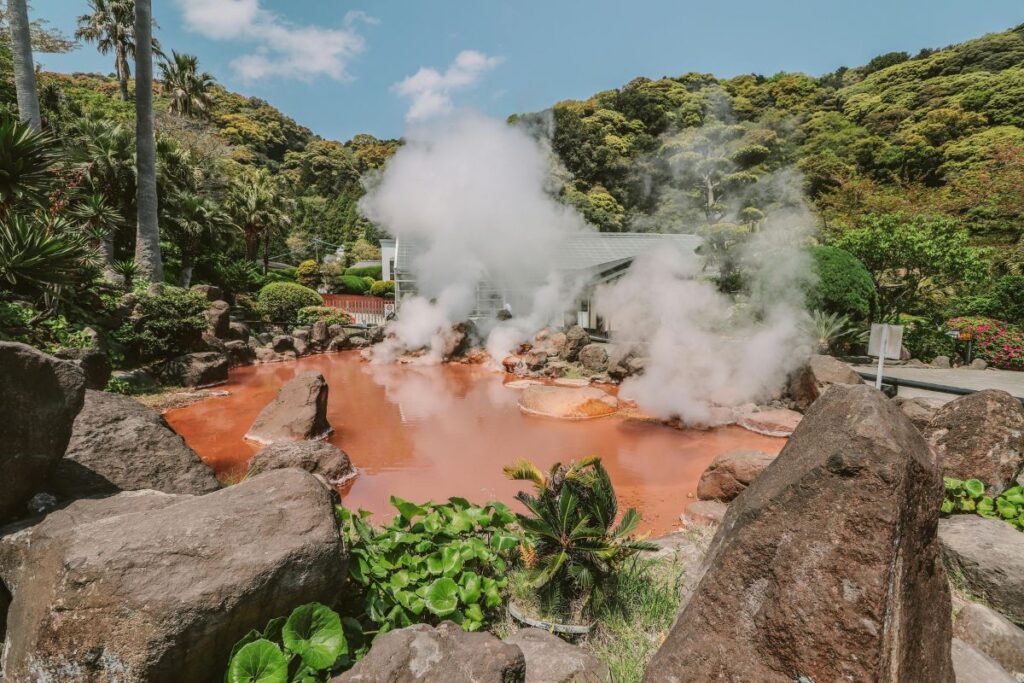
Japan’s southernmost main island has a warmer climate, a distinct regional character, and one of the most dramatic landscapes in the country. Beppu is home to the ‘hells’, the nine natural hot spring pools of different colours and temperatures, some reaching 99°C, used for geothermal cooking and bathing. Nagasaki carries the same profound weight as Hiroshima, with its own Peace Park and detailed museum documenting the second atomic bomb. Fukuoka, the island’s main city, is known for its ramen (Hakata tonkotsu is the local style) and its yatai street food stalls, which are set up along the riverbanks every evening.
12. Hokkaido: Japan’s Wild North
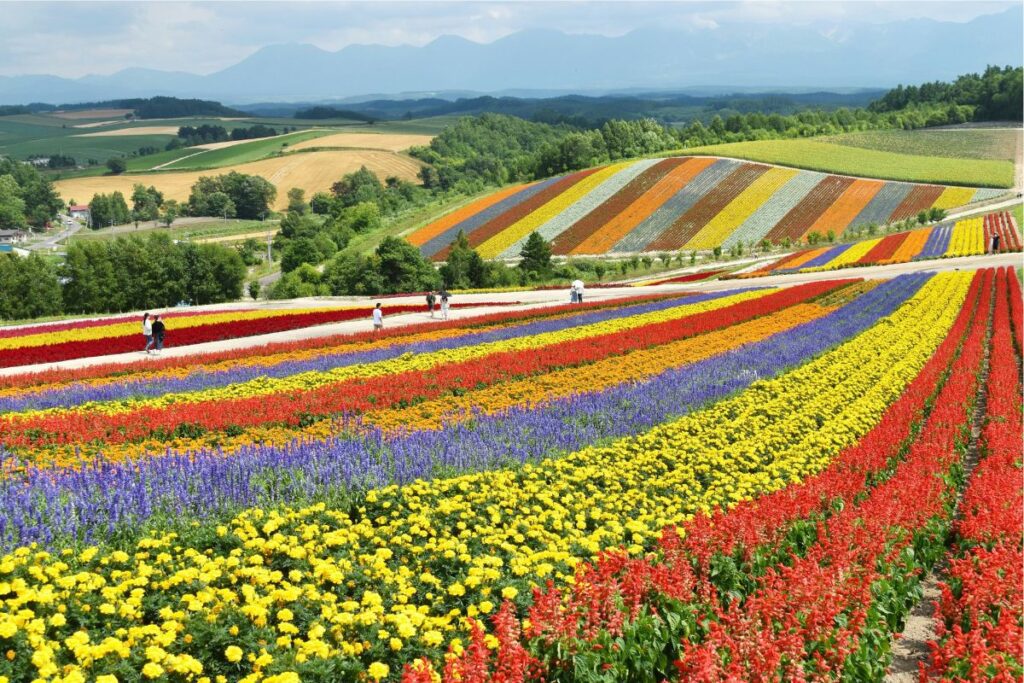
The northernmost main island is Japan’s least densely populated and most climatically distinct. In winter, Hokkaido’s ski resorts receive some of the finest powder snow in the world; Niseko in particular draws serious skiers from across Asia and beyond. In summer, lavender fields spread across the Furano valley and the national parks of Daisetsuzan and Shiretoko offer proper wilderness hiking. The island feels completely different from the rest of the country: cooler, quieter, emptier. Sapporo, its capital, hosts the world-famous Snow Festival every February.
13. Okinawa: Japan’s Tropics
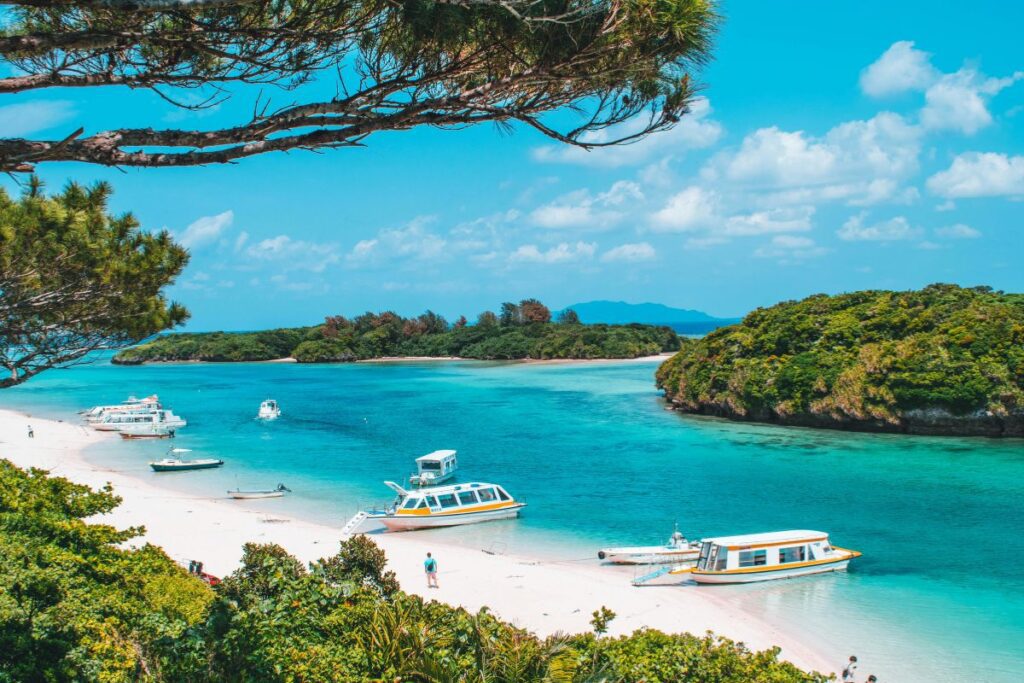
Okinawa sits far to the south of the mainland in the East China Sea, close enough to Taiwan that the culture and cuisine differ noticeably from the rest of the country. The islands are known for their coral reefs, white sand beaches, and the Ryukyu Kingdom history that predates Japanese annexation. The Okinawa Churaumi Aquarium is one of the largest in the world. The region is also famous as a ‘Blue Zone’: one of a handful of places globally where people measurably live longer, attributed to a diet of vegetables, tofu, and sweet potato alongside strong community bonds. A new resort, Junglia, opened in 2025 and adds an ambitious eco-theme park to the island’s attractions.
14. Naoshima: The Art Island
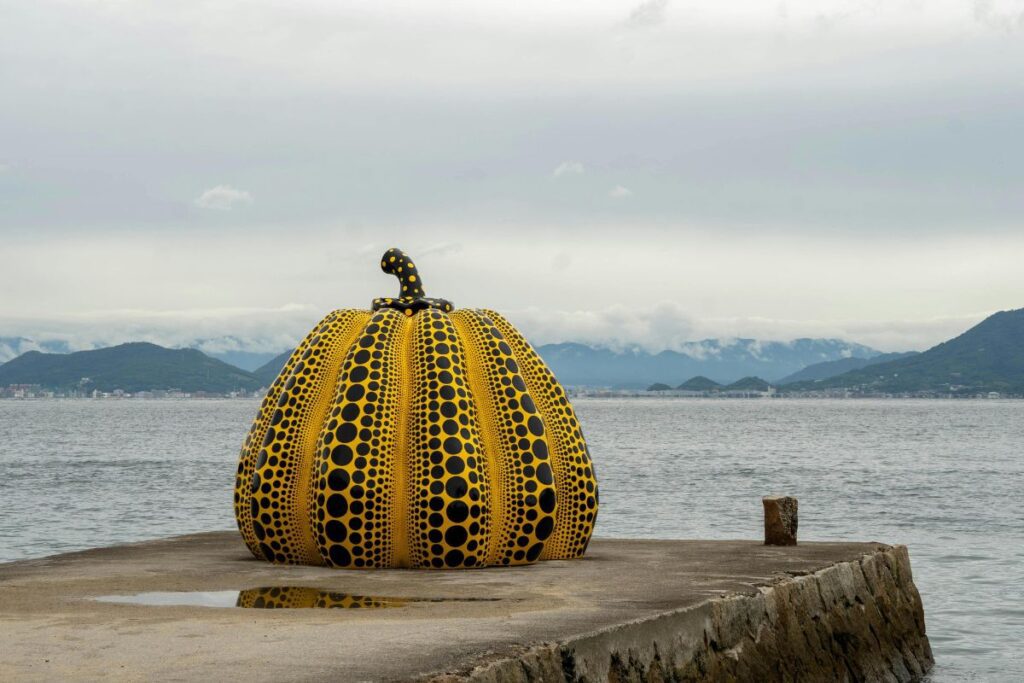
Naoshima is a small island in the Seto Inland Sea that transformed itself over three decades into one of the world’s leading contemporary art destinations. The Benesse Art Site, a collaboration between the Benesse Corporation and architect Tadao Ando, comprises three museums (Chichu Art Museum, the Lee Ufan Museum, and Benesse House Museum) set into the island’s landscape. Yayoi Kusama’s giant yellow pumpkin sculpture on the seafront has become one of the most photographed artworks in Asia. The island rewards a slow pace: one overnight stay, a bicycle, and no particular plan.
15. Kamakura: The Giant Buddha and the Sea
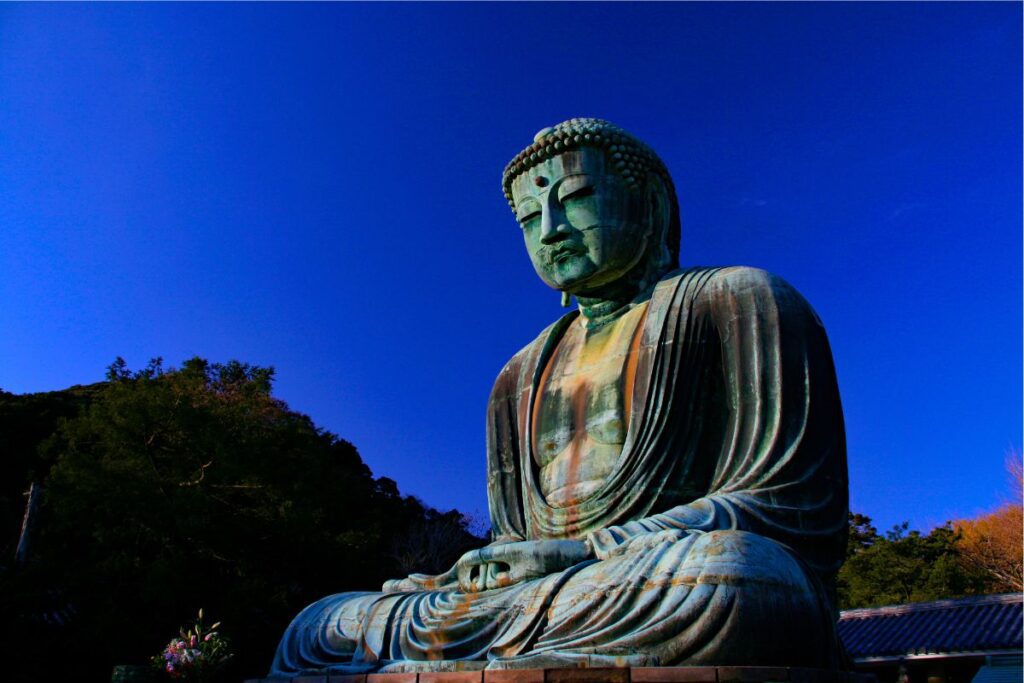
An hour south of Tokyo by train, Kamakura was Japan’s political capital in the 12th century and remains one of the most rewarding day trips from the capital. The Great Buddha of Kamakura, a 13-metre bronze figure that has sat in the open air since the 14th century (the hall that once surrounded it was destroyed by a tsunami in 1498), is the defining sight. The Tsurugaoka Hachimangu Shrine is the most important in the city, and the eleven hiking trails connecting the temples and shrines across the surrounding hills make Kamakura as much a hiking destination as a cultural one.
Getting Around Japan: The Shinkansen Is the Point
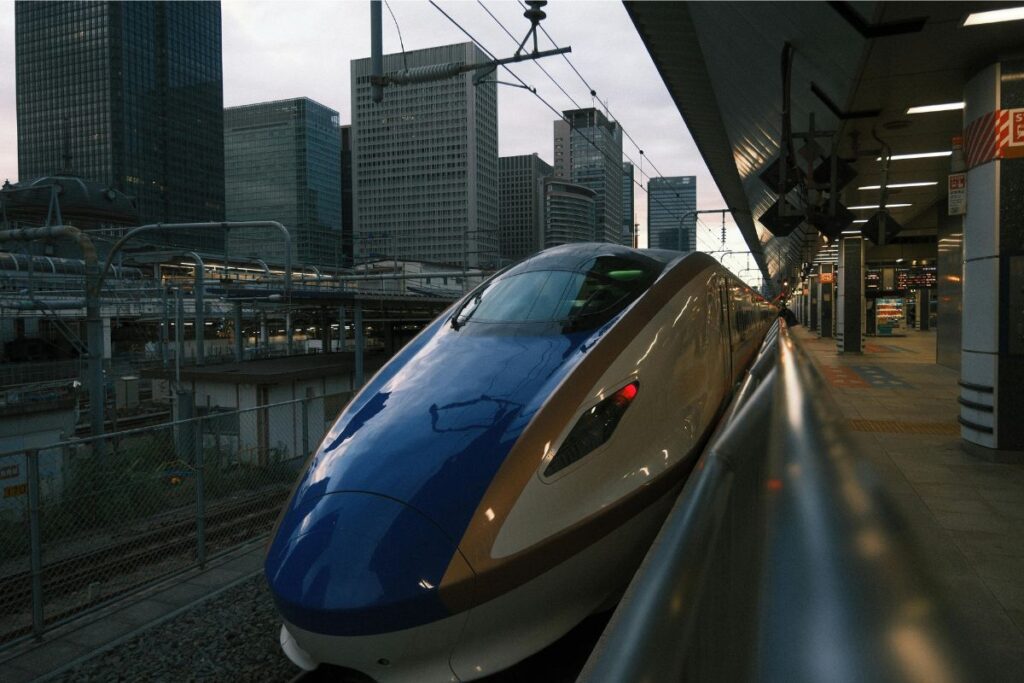
Japan’s bullet train network is one of the genuine wonders of modern infrastructure. The Shinkansen connects Tokyo to Kyoto in around two hours and fifteen minutes, running at speeds of up to 320 km/h with a punctuality record measured in seconds. Book rail passes and reserve seats through 12Go before you travel. The Japan Rail Pass offers unlimited travel on JR lines including most Shinkansen routes, must be purchased outside Japan and represents significant savings if you are moving between multiple cities. Plan your rail routes early; popular routes during cherry blossom season (late March to April) and Golden Week (late April to early May) sell reserved seats out weeks in advance.
Connectivity and Data in Japan
Japan has a reputation as a country where navigating without data is genuinely difficult. City signage is not always in Roman script, train connections require real-time checking, and many restaurants and attractions are booking-only without an internet connection. A Japan eSIM from Airalo solves this cleanly. Plans are affordable and activate before you board the plane. Pair it with Google Maps downloaded offline for each city you plan to visit, and the language barrier becomes significantly more manageable.
Where to Stay in Tokyo in 2026
For first-time visitors, the capital makes the strongest base; the transport connections out to Kyoto, Hakone, Nikkō, and Kamakura are all faster and more frequent from Tokyo than from anywhere else in the country. All five hotels below are bookable via Booking.com, and represent the best of the city across different styles:
| Hotel | Class | Score | Why Stay Here | Book |
|---|---|---|---|---|
| Aman Tokyo | 5-star | 9.6/10 | Highest-rated; onsen, city views | Book now |
| The Peninsula Tokyo | 5-star | 9.4/10 | Classic elegance, heart of Ginza | Book now |
| Four Seasons Otemachi | 5-star | 9.5/10 | Modern luxury, exceptional service | Book now |
| Park Hyatt Tokyo | 5-star | 9.3/10 | Iconic: Lost in Translation hotel | Book now |
| Palace Hotel Tokyo | 5-star | 9.2/10 | Imperial Palace gardens views | Book now |
What to Know Before You Land
- The Japan Rail Pass must be purchased before arriving in Japan: research the options (7, 14, or 21-day) and book through 12Go based on your itinerary
- Cherry blossom season (late March to early April) and Golden Week (late April to early May) are the most crowded and most expensive periods. Book accommodation months in advance if you plan to visit then
- Cash still matters in Japan more than in most developed countries. Rural areas, temples, and many restaurants are cash-only; carry yen
- Dress codes at onsen are strict: tattoos are prohibited at many public and hotel baths; check policies before booking ryokan accommodation
Read our Japan travel guide for itinerary ideas, regional breakdowns, and seasonal travel advice
Frequently Asked Questions About Visiting Japan
1. What is the best time of year to visit Japan?
Spring (late March to mid-April for cherry blossoms) and autumn (mid-October to mid-November for foliage) are the most celebrated seasons, and with good reason. But both are also the most crowded and expensive. Early spring (February to mid-March), early summer (June), and winter (December to February outside of ski areas) offer the same sights with significantly fewer other people in them.
2. How long should you spend in Japan?
Two weeks is the sweet spot for a first trip that takes in Tokyo, Kyoto, Osaka, and at least two or three additional destinations from this list. Three weeks allows you to add Hiroshima, Naoshima, a night in Koyasan, and a few days in the Alps around Takayama. One week is technically possible but leaves most people feeling they have only scratched the surface.
3. Do I need a Japan Rail Pass?
If you are visiting multiple cities over two weeks or more, yes. The pass pays for itself quickly once you factor in Tokyo–Kyoto Shinkansen tickets (around ¥18,000 return without a pass). Book through 12Go before you travel. The pass cannot be purchased inside Japan. Shorter trips or itineraries staying mostly in one region may be better served by individual tickets.
4. What is the best way to fly to Japan from the UK?
Several airlines operate long-haul services from the UK to Tokyo Narita or Haneda. Qantas connects via Australia with strong in-flight service across what is one of the longest routes in commercial aviation. Compare all available options and departure dates on Skyscanner: prices vary significantly by season, with January and February typically offering the best fares.
5. Do I need a special SIM or data plan for Japan?
Mobile data is essential in Japan for navigation and translation. A Japan eSIM from Airalo is the simplest solution: buy and activate before you fly, and you’ll have data working from the moment you clear immigration. Japan’s IC card system (Suica or Pasmo) handles most local transport payments; load it at the airport on arrival.
6. What luggage is best for a trip to Japan?
Japan’s Shinkansen and domestic flights have generous but specific size restrictions for overhead luggage. A lightweight, hard-shell carry-on from Rimowa fits the overhead racks on bullet trains without issue and holds up well across the kind of multi-city itinerary that Japan rewards. If you are staying in traditional ryokan, note that some have limited storage, so a compact case is always preferable to a large one.
Two Hours in Any Direction. A Country Worth a Lifetime.
Japan is one of those destinations that people visit once and then spend years finding reasons to return to. The country is consistent in a way that is almost disorienting after places where things regularly go wrong. The trains arrive on time, the food is reliably extraordinary, the streets are clean, and strangers go out of their way to help when you are lost. But underneath that surface calm is a country of extraordinary depth and variety, from the quiet intensity of a Kyoto temple garden to the full sensory assault of Shinjuku at midnight.
Book flights via Qantas, sort your rail pass through 12Go, pick up a Japan eSIM from Airalo, and pack a Rimowa case that can handle a fortnight of city-hopping. The country will do the rest.
Editorial & Accuracy Standards
- Expert Review:
Ammara Azmat,
Senior Travel Mobility Analyst (12+ years experience) - Status: Verified for accuracy against official 2026 service data and real-time traveller reports.
- Our Process: This content follows our Fact-Checking Policy.