
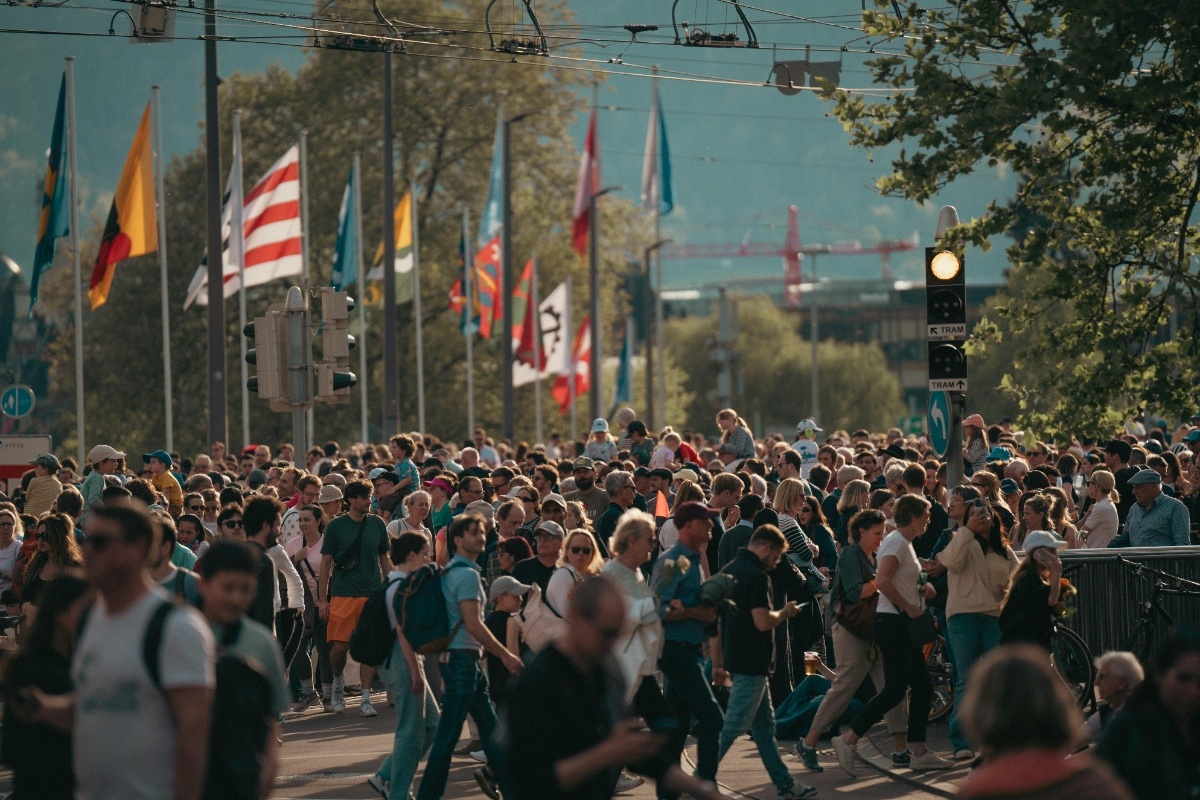
How do you visit Europe’s major sights in 2026 without spending hours in queues?
- Book timed-entry tickets the moment they are released — often 30–90 days in advance.
- Shift visits to evening or night openings where available.
- Use lesser-known entrances and live crowd data to stay ahead of the masses.
- Avoid “free last Sunday” events at major museums.
The old “skip the line” tricks no longer work in 2026. Major attractions now operate under strict timed-entry systems, and crowds have intensified. Success comes from mastering release windows, choosing off-peak hours, and exploiting entrances and data that casual visitors overlook.
Timed-Entry Mastery: The New Reality
“Skipping the line” is a dead concept. Nearly every high-demand site now requires a timed-entry slot, and popular ones sell out fast.
The Louvre in Paris routinely sells out many time slots 48 hours or more in advance during peak season, with some days fully booked weeks ahead. Tickets are released on a rolling basis, and new slots can appear the day before or even the morning of your visit between 9:00 and 10:00 am Paris time. Set calendar reminders and check the official ticket site repeatedly.
The Colosseum in Rome releases standard timed tickets approximately 30 days in advance, often at around 08:45 Rome time. Slots are released in batches, so persistence pays off.
Book the exact slot you want as soon as it appears. Arrive 15–30 minutes early for security — missing your window can mean long delays or denied entry.
The Night Shift Strategy: Quieter, Cooler, Better Light
Evening and night openings transform the experience. Fewer people, softer light for photography, and more comfortable temperatures make these slots some of the best value in Europe.
The Vatican Museums offer Friday night openings (typically April to October), with last entry strictly at 8:00 pm. The crowds thin dramatically after 7:00 pm, the Sistine Chapel feels more atmospheric, and you avoid the daytime heat and shoulder-to-shoulder conditions.
The Colosseum runs “Night at the Colosseum” experiences on Tuesdays and Thursdays (8:00 pm – midnight). These full-experience tickets now include newly digitised underground holographic projections, delivering a dramatically different and far quieter visit than daytime slots.
Check official websites for exact 2026 dates, as they vary by season. These slots cost the same as daytime tickets but deliver a completely different visit.
Louvre Underground Pivot: The Faster Entrance
The main Pyramid entrance at the Louvre is the slowest. Instead, head to the Carrousel du Louvre entrance at 99 Rue de Rivoli. This underground access point is climate-controlled, has consistently shorter security queues, and leads directly into several key wings. The Passage Richelieu is now strictly reserved for those with specific “Pro” passes or timed-entry groups and is not available to individual ticket holders.
Last Sunday Warning: Avoid the Free Days
The “free last Sunday of the month” at the Vatican Museums has become a safety hazard in 2026 due to extreme overcrowding. Skip these days entirely. Instead, consider a lesser-known alternative such as the Centrale Montemartini — an excellent ancient sculpture museum housed in a former power station with almost no crowds and the same free entry on the last Sunday.
Live Heat-Map Logic: Let Data Guide Your Day
Static guidebook schedules are obsolete in 2026. Use real-time crowd data instead.
Open Google Maps on your phone and check the “Area Busyness” feature. Look for the colour-coded heat map and hourly graphs. A district glowing with a pulsing pink or purple glow means peak crowding — pivot immediately to a green or yellow zone for a quiet café or piazza. This single habit prevents you from walking into chaos and lets you flow with the actual rhythm of the city rather than fighting it.
Your 2026 Crowd-Avoidance Action Plan
8+ weeks before
- Set reminders for ticket release dates (Louvre ~60–90 days, Colosseum ~30 days).
- Book timed slots the moment they appear.
1–2 weeks before
- Confirm night opening dates for Vatican Museums and Colosseum.
- Plan alternatives for any free last Sunday dates.
On the day
- Use the Carrousel du Louvre entrance where possible.
- Check Google Maps Area Busyness before moving between locations.
- Prioritise evening or night slots when available.
Mastering the clock in 2026 is no longer about arriving early or paying for upgrades. It is about precise timing, alternative access points, and using live data to stay one step ahead of the crowds. Apply these tactics and your days in Europe feel spacious rather than squeezed.
Editorial & Accuracy Standards
- Expert Review:
Ammara Azmat,
Senior Travel Mobility Analyst (12+ years experience) - Status: Verified for accuracy against official 2026 service data and real-time traveller reports.
- Our Process: This content follows our Fact-Checking Policy.