
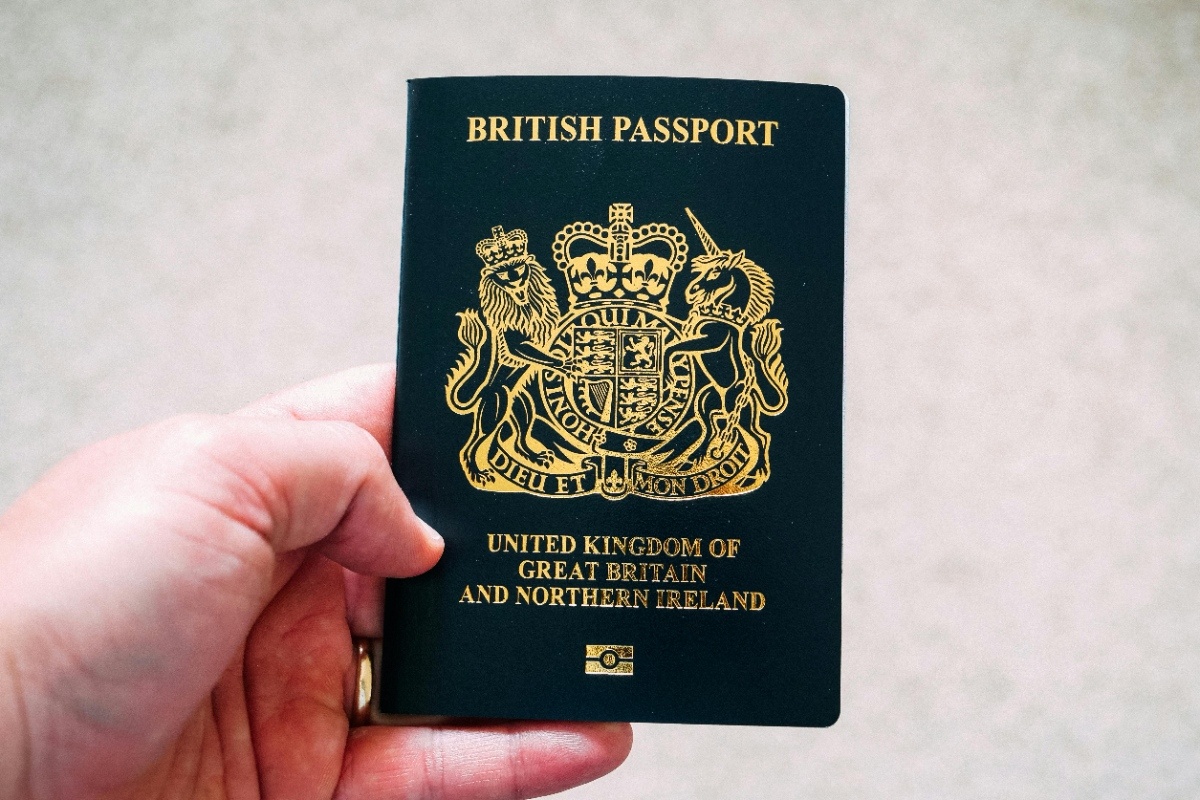
What administrative documents do UK travellers actually need for Europe beyond a passport?
- Decide on an International Driving Permit (IDP) based on your destination and whether you plan to drive or hire a car.
- Prepare proof of accommodation and sufficient funds in case of border questions.
- Carry physical print-outs of travel insurance and your Global Health Insurance Card (GHIC).
- Know the exact steps if your passport goes missing.
Post-Brexit, UK citizens face third-country rules in the Schengen Area. While most crossings remain straightforward, certain friction points around driving, money, health cover, and emergencies can turn a minor question at the border or a roadside stop into real disruption. Here is the operational paper trail that minimises those risks.
Driving Documents: The IDP Decision Matrix
UK photocard driving licences are widely accepted across the EU, but rental companies and some police checks still ask for an International Driving Permit (IDP) as an official translation. The UK issues three versions based on international conventions: 1926, 1949, and 1968. Each has different validity and country coverage.
- The 1949 IDP (most common) is valid for one year and suffices for many destinations.
- The 1968 IDP lasts up to three years (or until your UK licence expires) and covers additional countries under the Vienna Convention.
- The 1926 IDP is rarely needed in Europe but applies to a handful of older-convention territories.
For popular destinations:
- France: No IDP required for UK photocard licence holders, but rental firms may still request the 1968 version.
- Italy: An IDP is officially required for UK licence holders under international conventions, and both police and rental companies may enforce this.
- Spain (including islands): An IDP is typically required alongside a UK licence; the 1949 version is most commonly accepted by authorities and rental firms.
The back-door shortcut: apply in person at participating Post Office branches. You need your full UK driving licence, a recent passport-sized photo, and £5.50 cash or card. The permit is issued on the spot. Do this at least a week before departure if you plan to drive — it removes any last-minute panic at the hire desk.
Always carry your original UK licence alongside the IDP. Digital copies on your phone are useful backups but rarely accepted alone by police or rental staff.
Proof of Subsistence and Accommodation: Handling Border Questions
Schengen border officers can, in theory, ask third-country nationals (including UK travellers) to show they have enough money for their stay and a place to sleep. The figures quoted most often are in the range of €65–€100 per day, depending on the country and whether accommodation is already paid for. In practice, random checks on UK arrivals are uncommon, but they do happen — especially at land borders, ports, or during heightened security periods.
If challenged:
- Show a printed or digital hotel booking confirmation, Airbnb receipt, or similar that covers your nights.
- A recent bank statement (printed or downloaded PDF) or a live banking app screen showing available balance is usually sufficient — officers want quick proof, not detailed history.
- Carry a credit or debit card with visible limit or recent transaction history as supplementary evidence.
France-specific note: If staying with friends or family rather than in commercial accommodation, your host can provide an attestation d’accueil (official invitation certificate). The French resident applies for this at their local mairie (town hall). It proves they accept responsibility for your accommodation and basic support. While not always requested for short UK visits, having the original document removes one potential point of delay. A simple private invitation letter is not the same as this official form.
Print or save these documents securely. Officers prefer quick, tangible proof over scrolling through emails on a phone.
Health Documentation: Why Physical Copies Still Matter
Your Global Health Insurance Card (GHIC) gives access to state-provided medically necessary care in the EU on the same terms as locals. Your old EHIC remains valid until expiry, but apply for the GHIC via the NHS for continuity.
Travel insurance is still essential — the GHIC does not cover repatriation, private treatment, or rescue services. Here is the field reality: in a remote Greek island clinic, a mountain refuge in the Alps, or a Spanish rural health centre, phone signal can be non-existent and batteries die. Staff often prefer a physical document they can scan or photocopy immediately rather than relying on a dead phone or patchy Wi-Fi.
Print the full travel insurance policy summary (at least the emergency contact page and coverage details) and keep your GHIC card in your wallet. Store digital copies in a cloud folder and on your phone as backup, but treat the paper versions as your primary set. This single habit has resolved more on-the-ground medical issues than any app.
Lost Passport: The FCDO Emergency Protocol
If your passport is lost, stolen, or damaged abroad, contact the local police first for a report (essential for insurance and replacement). Then follow this if/then logic:
- You need to return to the UK urgently and cannot get a new passport in time → apply for an Emergency Travel Document (ETD) through the FCDO.
- The document is a limited, one-way travel paper that allows you to reach the UK or your country of residence. It is not a full passport replacement.
Apply online via the GOV.UK service where possible. You must prove British nationality (previous passport details help) and show genuine urgency. Fees apply, and processing times vary by location — some consulates require an in-person appointment. The British Consulate or Embassy can advise on local requirements, help with police reports, and issue the ETD once identity is verified. They do not lend money or arrange flights, but they provide practical guidance and can contact family on your behalf in genuine emergencies.
Report the loss to HM Passport Office as soon as you can to prevent misuse. Comprehensive travel insurance usually covers the cost of replacement and any extra travel expenses.
Your Administrative Pre-Departure Checklist
4–6 weeks before
- Apply for IDP if driving or hiring a car.
- Request attestation d’accueil from your French host if staying privately.
- Print insurance policy and GHIC details.
1 week before
- Gather and organise all documents in a dedicated folder (physical and digital).
- Take recent bank statements or card proofs if you want extra reassurance.
Day before
- Double-check everything is charged and backed up. Place physical copies in carry-on, not checked luggage.
Keep them accessible. When asked, speed matters more than explanation.
Editorial & Accuracy Standards
- Expert Review:
Ammara Azmat,
Senior Travel Mobility Analyst (12+ years experience) - Status: Verified for accuracy against official 2026 service data and real-time traveller reports.
- Our Process: This content follows our Fact-Checking Policy.