
What’s Actually Illegal in Japan in 2026 (And What’s Just Strictly Enforced)
 Save 2% on Gotogate FlightsGet code
Gotogate
Offer expires in December 2030
T&Cs
Terms & conditions apply. Visit the Gotogate website for full details.
Sunset Weekly Disclosure: To help keep our guides free, this post contains affiliate links. If you click through and make a booking (such as hotels, flights, tours, or travel experiences), we may earn a commission at no extra cost to you. Sunset Weekly is an independent travel and lifestyle publication. While we may receive compensation from affiliate partners, this does not influence our editorial content, recommendations, or opinions. #ad
Quick Answer
Only one of the six commonly-cited “illegal in Japan” rules is genuinely, strongly illegal nationwide: flying an unpermitted drone, confirmed directly by Japan’s National Police Agency. Phone-walking and smoking bans exist only in specific cities with no fine in most cases; selfie sticks are banned at specific venues, not nationally; leaving luggage is fine briefly but dumping it is illegal; and e-scooters are legal if the scooter and rider meet specific conditions.
The Sunset Weekly Connection Reality: Most viral travel warnings about Japan confuse local municipal ordinances or private venue policies with national criminal laws. Distinguishing strictly enforced nationwide laws like drone regulations from local etiquette rules ensures a smooth trip without unnecessary anxiety.
Still finalizing your Japan trip? Compare flight fares via Gotogate before you lock in dates around any of the rules below.
BOOK NOWWhy “Illegal in Japan” Claims Need a Closer Look
Viral lists claiming Japan has banned everyday tourist behaviors mix up four genuinely different things: national criminal law, local municipal ordinances, private venue rules, and general safety guidance. Getting this distinction right matters, since some of these carry real fines or jail time, and others carry no penalty at all beyond a polite request to stop.
Here’s the accurate picture for each, verified directly against Japan’s National Police Agency (npa.go.jp/english), the Government of Japan’s official portal (japan.go.jp), and the UK Foreign, Commonwealth & Development Office’s own travel advice for Japan (gov.uk/foreign-travel-advice/japan), alongside the Japan Tourism Agency and Japan’s Ministry of Land, Infrastructure, Transport and Tourism (MLIT).
1. Using Your Phone While Walking
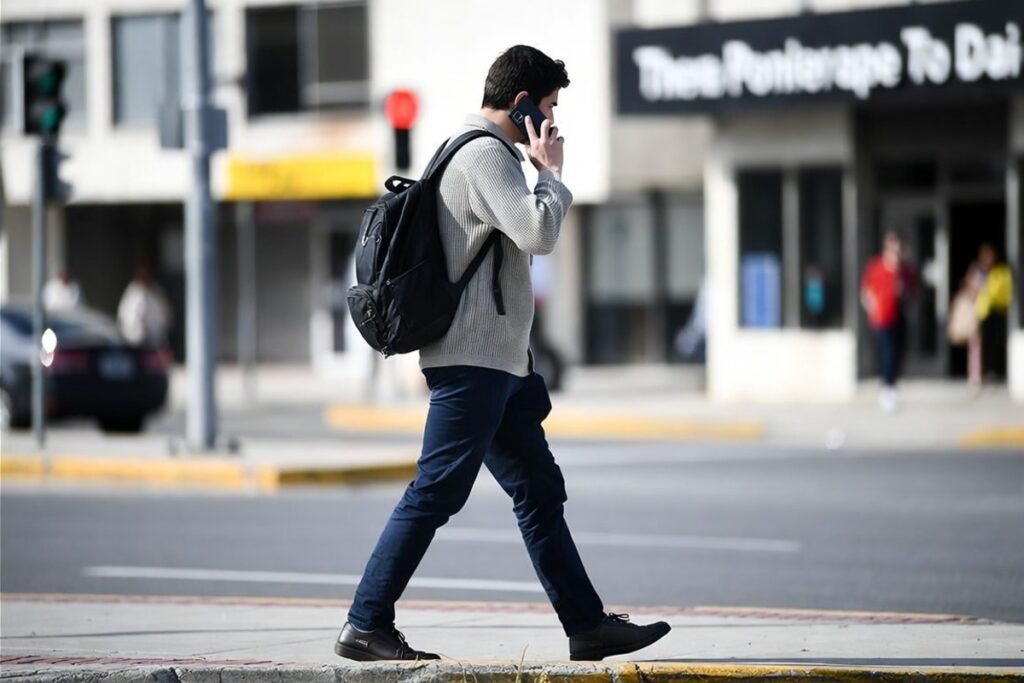
The real status: not a nationwide crime. There’s no national law against “aruki-sumaho” (walking while staring at a phone screen).
Specific municipalities have passed local ordinances against it, Yamato City in Kanagawa Prefecture being the most cited example, along with Tokyo’s Arakawa, Adachi, and Katsushika wards, and Ikeda in Osaka. These ordinances generally carry no fine. They’re awareness campaigns, not enforceable penalties.
What genuinely is illegal nationwide: using a phone while cycling or driving. Bicycle penalties were strengthened in November 2024, and from April 2026, many bicycle violations including phone use can trigger a ¥12,000 administrative fine. If you cause an accident while walking and using your phone, you can also face civil liability for damages.
Alternative solution: if you need to check directions, step to the side and stop walking rather than looking down mid-stride, exactly what Yamato City’s ordinance actually asks for. It costs nothing and avoids the genuine safety risk this rule is built around.
2. Leaving Luggage Unattended
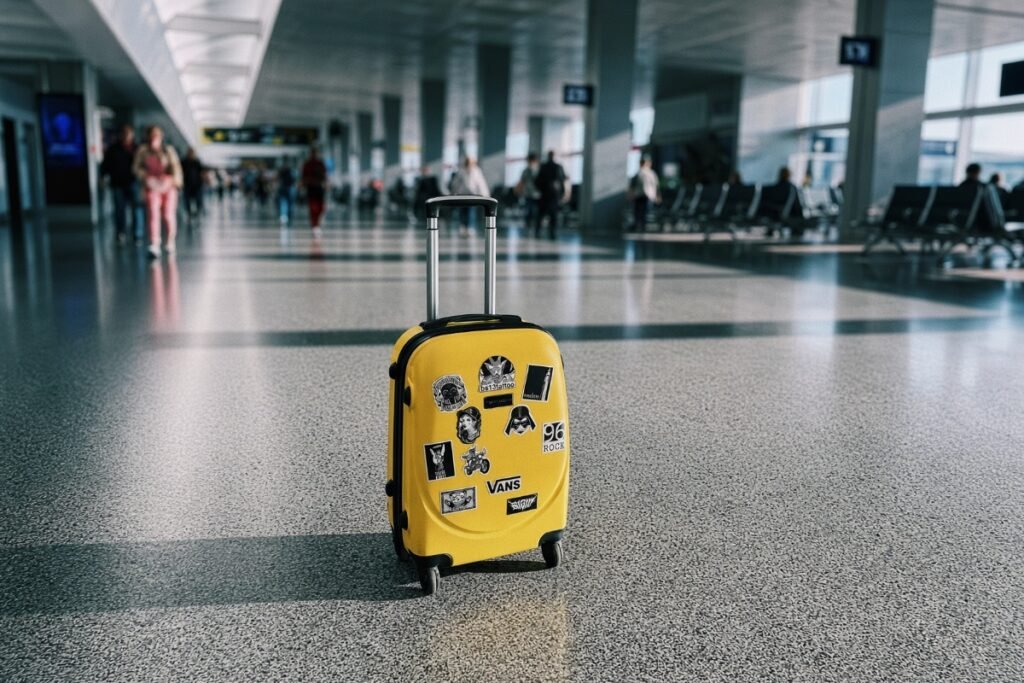
The real status: briefly setting a bag down isn’t illegal. There’s no blanket national law against unattended luggage. Japan’s low crime rate means leaving a bag to save a café table is common and unremarkable.
What genuinely is illegal: intentionally abandoning or dumping luggage, old suitcases left at stations or street corners, violates Japan’s Waste Management and Public Cleansing Act. This can mean prosecution, heavy fines, or in serious cases, up to 5 years in prison or a ¥10 million fine. Real cases exist of tourists being referred to prosecutors over dumped suitcases.
Unattended bags in stations and airports will also trigger security responses, treated the same way a suspicious package would be anywhere.
Alternative solution, genuinely saves time and hassle: Japan has an extensive coin locker network at virtually every train station. Rather than carrying bags around a city all day or leaving them somewhere risky, a coin locker (typically ¥300–¥700 depending on size) is cheap, secure, and removes the entire problem.
Worth carrying regardless: the UK’s own FCDO travel advice flags something unrelated to luggage but worth knowing while you’re already thinking about what to carry. You must always carry your passport or Japanese residence card in Japan. Police can arrest you if you can’t show proof of your visa or residence status on request.
3. Using Selfie Sticks in Certain Areas
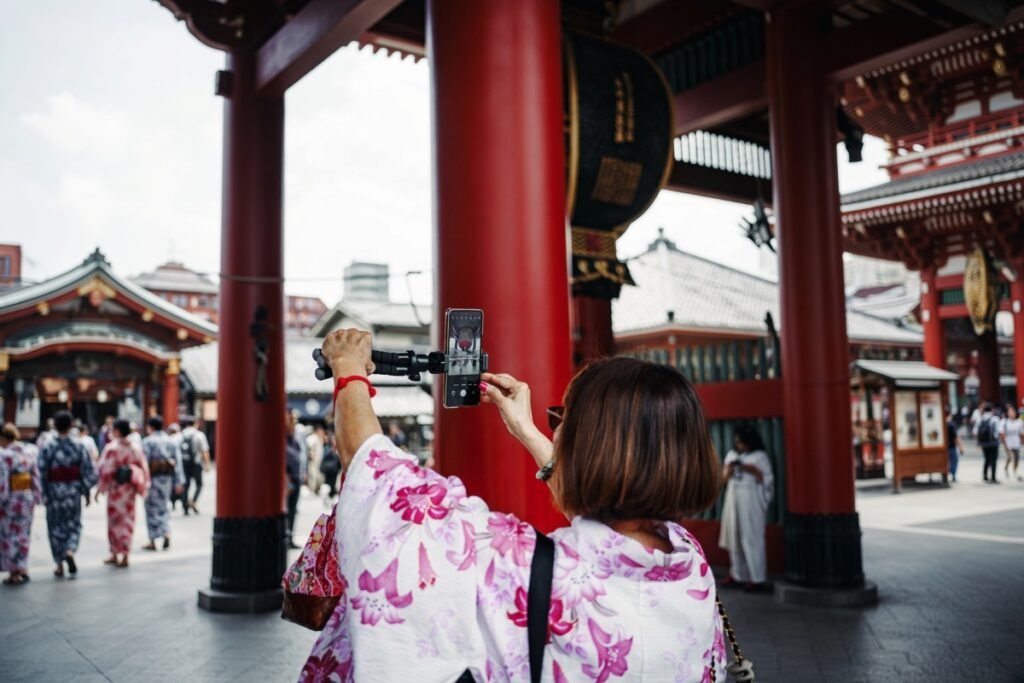
The real status: not banned nationally, but genuinely banned at specific locations, and this is real, common, and actively enforced at the venue level.
JR West banned selfie sticks across 1,195 train stations back in 2015, specifically due to the risk of contact with overhead power lines. Tokyo Disneyland, DisneySea, Universal Studios Japan, and many temples, shrines, and museums prohibit them too. Japan’s own Tourism Agency provides an official “no selfie sticks” pictogram for venues to display, confirming this is a real, if location-specific, restriction.
Genuine traveler accounts consistently describe the same enforcement pattern: staff politely ask you to put the stick away rather than issuing fines on the spot, though repeated refusal at a posted site can lead to ejection.
Alternative solution: a compact tripod or magnetic phone clip works in most places a selfie stick doesn’t, and asking a stranger for a photo is genuinely common practice in Japan, several travelers describe locals being unusually good at framing a shot when asked politely.
4. Unpermitted Drones (Nationwide)
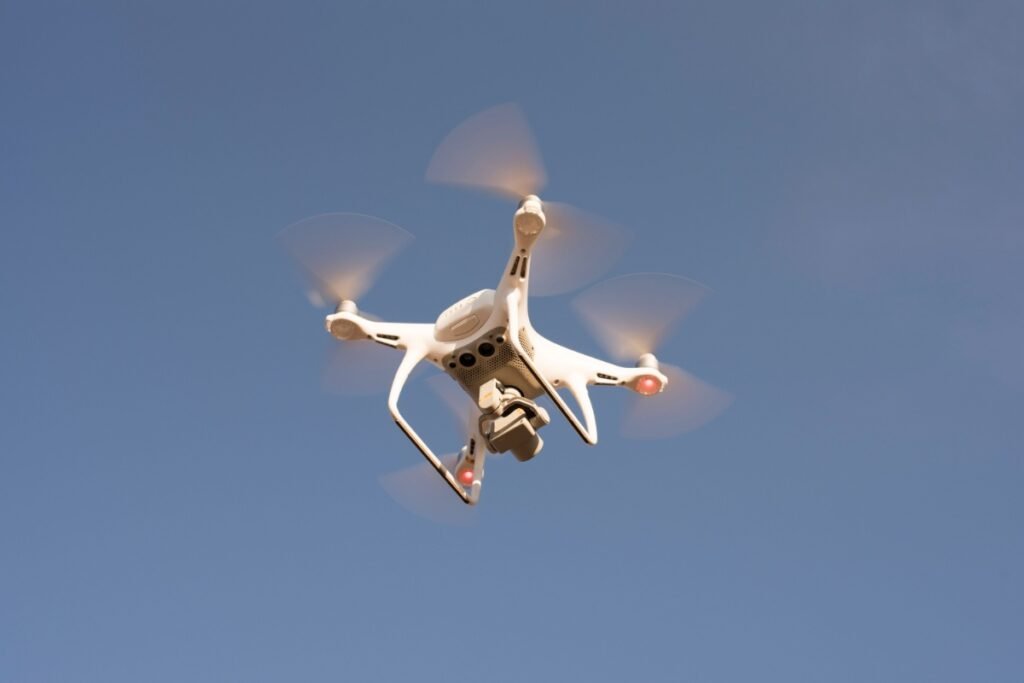
The real status: this is the one item on this list that’s genuinely, strongly illegal nationwide, not a local quirk, and it’s confirmed directly by the source that enforces it.
The National Police Agency’s own drone information page (npa.go.jp/english/uas/uas.html) confirms two national laws apply simultaneously. The Civil Aeronautics Act requires any drone weighing 100g or more to be registered with MLIT, and bans flying in Densely Inhabited Districts, covering most of central Tokyo, Osaka, and Kyoto, near airports, above 150 metres, at night, or beyond visual line of sight without prior permission. The separate Drone Act bans flying over important facilities, the Diet Building, the Imperial Palace, the Prime Minister’s residence, nuclear sites, and defence facilities among them. It also bans flying within their surrounding buffer zone. That buffer expanded from roughly 300 metres to approximately 1,000 metres as of 14 July 2026. Tokyo’s own official tourism board confirms drone operation is prohibited across most of the city as a direct result.
Penalties are serious: up to 1 year in prison or a ¥500,000 fine for breaching a restricted zone. Genuine traveler accounts describe tourists facing not just a fine but actual arrest and pre-charge detention, which in Japan can extend up to 23 days without formal charges, a materially more serious situation than a parking-ticket-style fine.
Alternative solution: registration itself costs only ¥900–¥1,600 and lasts three years, but flying in a Densely Inhabited District, which covers most of Tokyo, Osaka, and Kyoto, requires 10 business days’ advance government approval. For most tourists on a one- or two-week trip, that lead time effectively rules out legal drone flying in any major city. Hiring a licensed local drone operator or photography service removes this problem entirely, since professional operators already hold the required permits.
5. Smoking in Non-Designated Areas
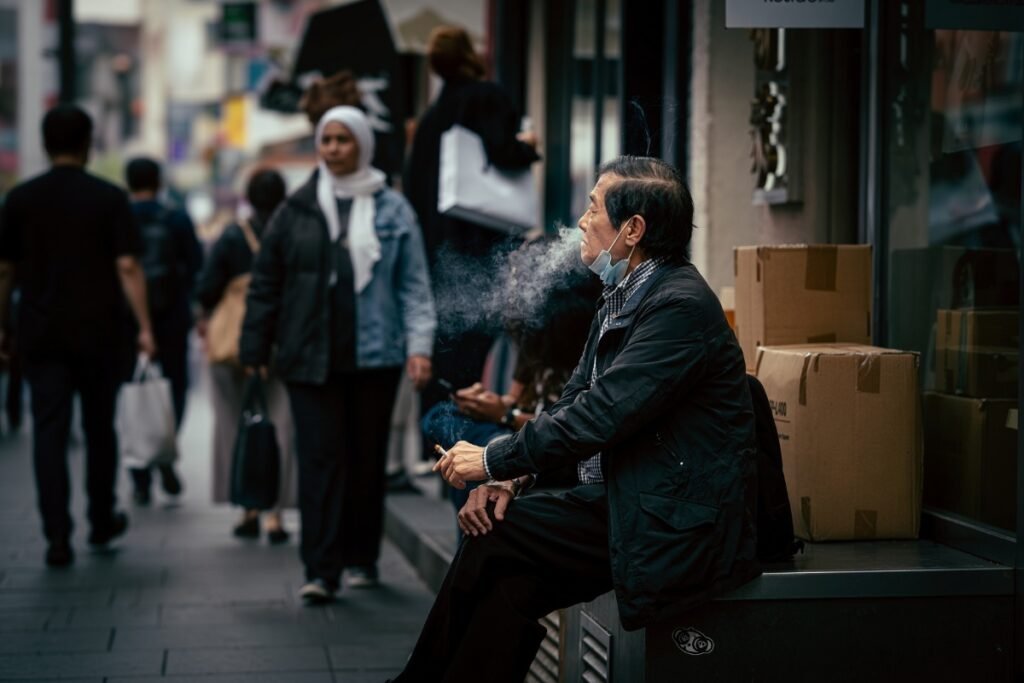
The real status: genuinely restricted, through a combination of national and local law. The UK government’s own travel advice doesn’t hedge on this one. Gov.uk states plainly: “Smoking is illegal on the streets of Tokyo and some other cities. Smoke only in designated areas.”
Indoors, the national Health Promotion Act bans smoking in specified public indoor facilities except in certified smoking rooms, in force since April 2020. Outdoors, it’s municipal: Tokyo’s central wards (Chiyoda, Shinjuku, Shibuya), Osaka (citywide since 2025), and parts of Kyoto ban street smoking, with on-the-spot fines typically ¥1,000–¥2,000, enforced by uniformed patrol wardens.
Genuine traveler reports describe designated smoking areas as often looking like large bus shelters, plus smoking rooms tucked into malls, station areas, and hotels, and note that heated tobacco products (like IQOS) are treated the same as cigarettes in banned zones.
Alternative solution, saves the fine entirely: search Google Maps for “smoking area” near your location, or use a dedicated smoking-area-finder app, genuine travelers describe this as far more reliable than looking for one visually while walking around.
6. Illegal E-Scooter Use
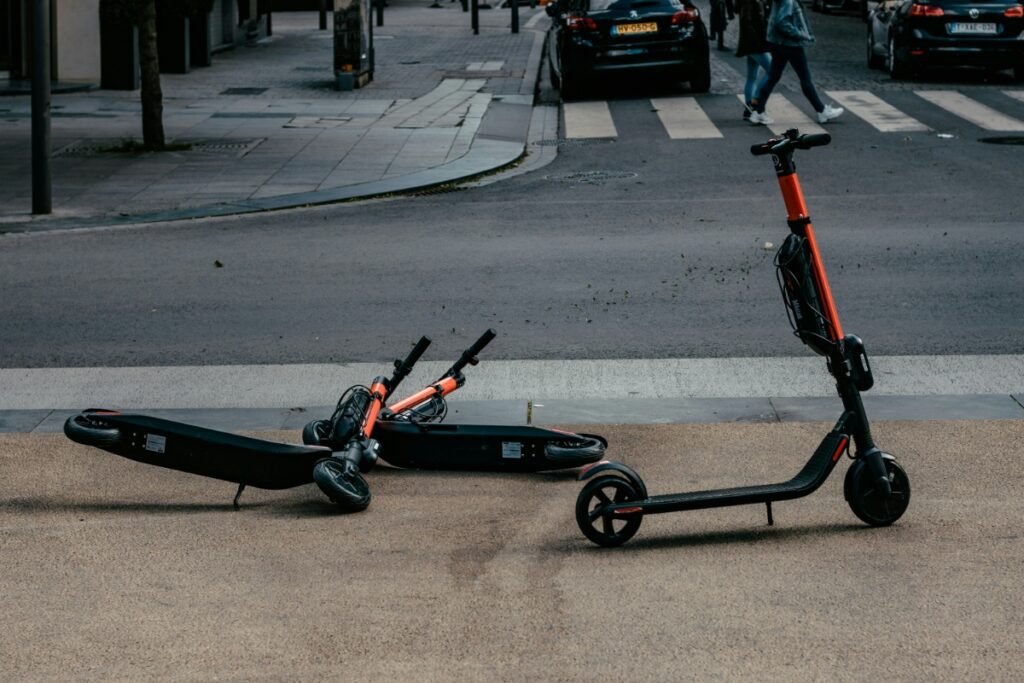
The real status: e-scooters themselves are legal nationwide since July 2023, under a specific category called “specified small motorised bicycle.” A compliant scooter must cap out at 20 km/h, have a maximum output of 0.6 kW, meet specific size limits, and riders must be 16 or older. No driving license is required for a compliant model.
What makes use illegal: riding a non-compliant scooter (many imported models don’t meet Japanese standards), riding underage, riding under the influence, carrying a passenger, running red lights, or riding on a sidewalk outside the permitted low-speed mode. Japan’s Ministry of Land, Infrastructure, Transport and Tourism has specifically warned that some scooters sold online don’t meet domestic safety requirements, worth checking before you rent or buy one locally.
Alternative solution: use an established rental service like Luup rather than an unverified imported scooter. Compliant rental platforms require riders to pass a built-in safety quiz covering exactly these rules before they’ll let you ride, which removes the guesswork around whether your specific scooter and riding behavior are compliant.
The 6 Rules at a Glance
| Rule | Nationwide Law? | Real Penalty | Alternative That Saves Money/Hassle |
|---|---|---|---|
| Phone while walking | No | Usually none; civil liability if you cause an accident | Stop walking to check your phone |
| Leaving luggage unattended | No (dumping it, yes) | Up to 5 years/¥10M for dumping; security response if unattended | Use a station coin locker (¥300–¥700) |
| Selfie sticks | No (venue-specific) | Asked to stop; ejection for refusal | Compact tripod or ask a stranger |
| Unpermitted drones | Yes, confirmed by NPA | Up to 1 year prison/¥500,000+ fine; possible arrest | Hire a licensed local drone operator |
| Smoking outside designated areas | Yes, per gov.uk’s own advice for Tokyo and other cities | ¥1,000–¥2,000 typical fine | Search “smoking area” on Google Maps |
| Illegal e-scooter use | Conditionally legal | Fines to criminal charges for non-compliant use | Rent through a compliant service like Luup |
What Real Travelers Say
Genuine, specific accounts add real texture beyond the official rules.
On tripods and selfie sticks, one traveler described being stopped mid-setup at the Tokyo Metropolitan Building, staff politely explained tripods weren’t allowed, and simply suggested resting the camera on a window ledge instead, a workaround that satisfied the rule without ending the shoot. Another long-time visitor put it plainly: there are very few tourist areas where tripods are genuinely welcome, and even fewer where using one is pleasant for anyone else nearby.
On the drone rule specifically, one detailed account describes a tourist who flew an unregistered drone near a landmark without checking local law, and was told plainly by other users that the real risk wasn’t the fine itself, it was arrest and extended pre-charge detention, with limited consular access and no guarantee of missing a return flight being taken into account.
On smoking, several travelers independently describe searching physically for designated smoking areas as frustrating, “half the time I just walked and bumped into them by accident,” one wrote, while another pointed directly to a dedicated app for locating them, exactly the kind of practical workaround worth knowing before you land.
What Actually Matters Most on Your Trip
If you only remember one thing from each category, make it this:
Take the drone rule completely seriously. It’s the only item here with genuine criminal exposure, confirmed directly by the National Police Agency, and Japan’s arrest and detention process is a real, materially worse outcome than a fine.
Treat the rest as strong social expectations, not criminal risk. Phone-walking, luggage, selfie sticks, and e-scooter compliance are all manageable with basic awareness, a coin locker, checking venue signage, and using a compliant rental service cover nearly every scenario a tourist will actually encounter. Smoking is the one exception worth taking as seriously as the UK government itself does in its own official guidance.
When in doubt, look for a sign, check official guidance, or ask. Japan is generally well-signposted about local rules, japan.go.jp and its linked JNTO tourism resources cover general visitor guidance, and asking politely, even with limited Japanese, is consistently described as well-received rather than a bother.
If you’re still sorting flights, Gotogate is worth a look for comparing fares before you finalize dates, a small practical step that has nothing to do with any of the rules above, but belongs in the same “before you go” pile.
FAQs
The Core Question
1. Is it actually illegal to use your phone while walking in Japan?
Not nationwide. Some cities like Yamato in Kanagawa Prefecture have local ordinances against it, but these generally carry no fine. Using a phone while cycling or driving, by contrast, is illegal nationwide with real penalties.
2. Is leaving luggage unattended illegal in Japan?
Briefly, no. Intentionally abandoning or dumping luggage is illegal under Japan’s Waste Management and Public Cleansing Act, with penalties up to 5 years in prison or a ¥10 million fine in serious cases.
3. Are selfie sticks banned in Japan?
Not nationally, but banned at many specific locations, including 1,195 JR West train stations, Tokyo Disneyland, and numerous temples and museums. Japan’s Tourism Agency provides an official signage pictogram for venues that ban them.
The Serious One: Drones
4. Is flying a drone in Japan actually illegal?
Yes, if unpermitted, confirmed directly by Japan’s National Police Agency. This is the one genuinely serious item on this list. Drones 100g or heavier must be registered, and flying without permission in restricted zones can mean up to a year in prison and a ¥500,000+ fine, plus possible arrest.
5. How large are Japan’s drone no-fly zones around sensitive facilities?
As of 14 July 2026, restricted buffer zones extend approximately 1,000 metres around designated important facilities, expanded from roughly 300 metres previously.
6. Can tourists realistically get permission to fly a drone in Tokyo, Osaka, or Kyoto?
Not easily on a short trip. Registration itself is quick and cheap (¥900–¥1,600, valid 3 years). But flying in a Densely Inhabited District, which covers most of these three cities, requires 10 business days’ advance approval. That lead time rules it out for most one- or two-week visits.
Smoking and E-Scooters
7. Is smoking outside designated areas illegal in Japan?
Yes, in Tokyo and other major cities, according to the UK’s own FCDO travel advice. Indoor smoking is restricted nationally under the Health Promotion Act, and outdoor street smoking bans are set by individual municipalities, with typical fines of ¥1,000–¥2,000.
8. Are e-scooters illegal in Japan?
No, compliant e-scooters have been legal since July 2023 under a specific vehicle category, provided the scooter meets speed, power, and size limits and the rider is 16 or older. Non-compliant scooters or unlawful riding (sidewalks at full speed, underage, intoxicated) can be illegal.
Practical Solutions
9. How can I avoid the luggage problem entirely?
Use Japan’s extensive station coin locker network, typically ¥300–¥700, rather than carrying bags around all day or leaving them somewhere risky.
10. Do I need to carry my passport around Japan at all times?
Yes, according to the UK government’s own travel advice. Police can arrest you if you can’t show proof of your visa or residence status when asked, so carry your passport or residence card at all times, not just your ID photo on your phone.
Editorial & Accuracy Standards
- Expert Review:
Ammara Azmat,
Senior Travel Mobility Analyst (12+ years experience) - Status: Verified for accuracy against official 2026 service data and real-time traveller reports.
- Our Process: This content follows our Fact-Checking Policy.