
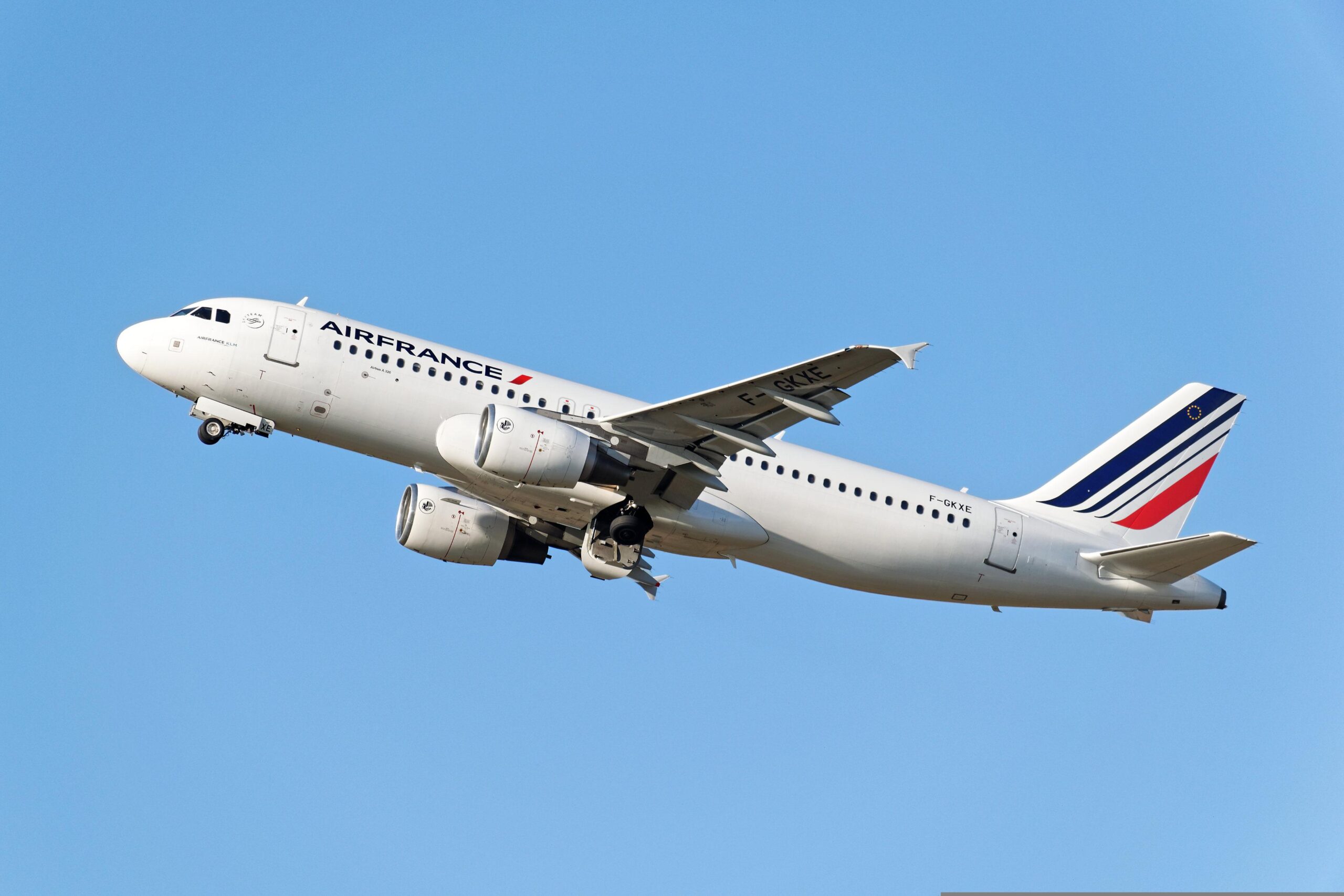
Air France has increased fuel-related charges on its long-haul network as airlines continue reacting to rising jet fuel prices. The changes form part of a wider pricing adjustment across global carriers, where fuel volatility is now feeding directly into ticket costs.
The update applies to intercontinental routes and affects both cash fares and frequent flyer redemptions. Reports indicate the adjustments began rolling out around April 2026.
What changes for passengers
Travellers booking Air France long-haul flights will now see higher carrier-imposed fuel charges included in the final fare.
On many routes, the surcharge increase is roughly in the range of €50 to €100 per return journey in economy class, depending on distance. Some transatlantic and longer intercontinental sectors sit toward the higher end of that range, particularly services to North America.
Premium cabins carry higher additional fees, reflecting greater fuel consumption per passenger.
These charges apply at the point of booking and also affect loyalty bookings, where miles are still required but taxes and carrier fees are higher than before.
Explore must-see attractions in our Paris travel guide: 11 iconic tourist experiences worth doing.
Why airlines are adjusting pricing
Jet fuel prices have climbed due to instability in global energy markets. Industry estimates suggest airlines could see fuel costs rise by around 9–14% heading into 2026, depending on region and hedging exposure.
Fuel remains one of the largest cost components in airline operations. It often represents close to a third of total operating costs.
Because of that, airlines rarely absorb sudden spikes for long. Instead, many now adjust pricing through surcharges that can move quickly with market conditions.
This approach allows carriers to avoid cutting flight frequencies while still protecting profit margins.
Air France’s approach within the wider industry
Air France-KLM has aligned with a growing group of international airlines adjusting fuel-linked fees.
Rather than reducing capacity, the group appears to be passing cost pressure into fare structures. That includes both standard ticket pricing and loyalty redemption pricing, where carrier-imposed charges are rising alongside cash fares.
The strategy reflects a broader industry pattern: airlines are becoming more flexible in how they adjust pricing, especially on long-haul routes where fuel exposure is highest.
A global pricing shift across airlines
Air France is not acting alone.
Across the Atlantic, major US carriers such as Delta and United are also facing higher operating costs tied to fuel. While public attention often focuses on ancillary fees like baggage charges, underlying fare structures on long-haul routes have also moved upward in recent pricing cycles.
In Asia, Cathay Pacific has raised fuel surcharges significantly on several international routes, with some increases reaching around one third compared with earlier levels.
In India, IndiGo now applies distance-based fuel charges that vary per sector, ranging from small domestic additions to higher fees on longer routes.
Other carriers in Europe and the Asia-Pacific region have followed similar approaches, either by listing fuel surcharges explicitly or embedding them into base fares.
Explore the ultimate city guide in our Paris spring travel guide featuring 25 must-see attractions.
What this means for long-haul travel costs
The biggest impact is being felt on intercontinental travel, where fuel makes up a larger share of operating costs.
Analysts tracking fare trends suggest long-haul ticket prices are now noticeably higher than earlier in 2026, with some routes showing double-digit percentage increases compared with previous months.
In some cases, total additional costs linked to fuel and carrier fees can reach several hundred dollars per round-trip, depending on route and cabin class.
Effect on leisure and business travellers
For holidaymakers, this reduces the number of low-cost long-haul options, especially during peak and shoulder seasons.
Business travellers are also affected, particularly on routes where last-minute bookings are common. Some companies may face higher travel budgets or consider replacing certain trips with virtual meetings.
Frequent flyer users are impacted as well. Even when redeeming miles, passengers often still pay carrier-imposed fees, which have increased alongside fuel surcharges.
A shift toward more volatile pricing
Industry observers say the bigger story is not just higher prices, but how airlines now manage them.
Rather than relying only on base fare changes, carriers are increasingly using adjustable surcharges that respond quickly to fuel markets.
This creates a more dynamic pricing environment, where ticket costs can shift within weeks rather than seasons.
Some airlines are also adjusting capacity on weaker long-haul routes while maintaining or strengthening high-demand corridors.
Outlook for 2026
If fuel prices remain elevated, airlines may continue to rely on surcharge-based pricing throughout 2026.
Short-haul networks are less exposed, but analysts warn that sustained pressure could eventually push even domestic carriers to introduce additional fees.
For now, Air France’s move reflects a wider industry reality: long-haul travel is becoming more sensitive to fuel market swings, and passengers are seeing those changes directly in ticket prices.
FAQs
How much has Air France increased its long-haul fuel surcharge? The latest rise brings the round-trip surcharge to around €100 on many intercontinental routes, or €70 to the US, Canada and Mexico.
When did the Air France fuel surcharge increase take effect? The adjustment was implemented from early to mid-April 2026 as a response to sustained high jet fuel prices.
Does the surcharge apply to award tickets? Yes. Carrier-imposed fuel charges on Flying Blue redemptions have also increased, making long-haul award travel more expensive.
Which routes are most affected by Air France fuel surcharges? Intercontinental long-haul routes including transatlantic, Europe to Asia, Africa, Latin America and the Indian Ocean see the highest impact.
Will Air France fuel surcharges continue into late 2026? The airline has described the charges as a contractual adjustment that will remain in place until jet fuel volatility decreases significantly.
How can UK travellers reduce the impact of these surcharges? Compare total costs including all fees across airlines, book flexible tickets where possible, and monitor fares for any short-term promotions or alternative routing options.
Editorial & Accuracy Standards
- Expert Review:
Ammara Azmat,
Senior Travel Mobility Analyst (12+ years experience) - Status: Verified for accuracy against official 2026 service data and real-time traveller reports.
- Our Process: This content follows our Fact-Checking Policy.