

Quick Answer
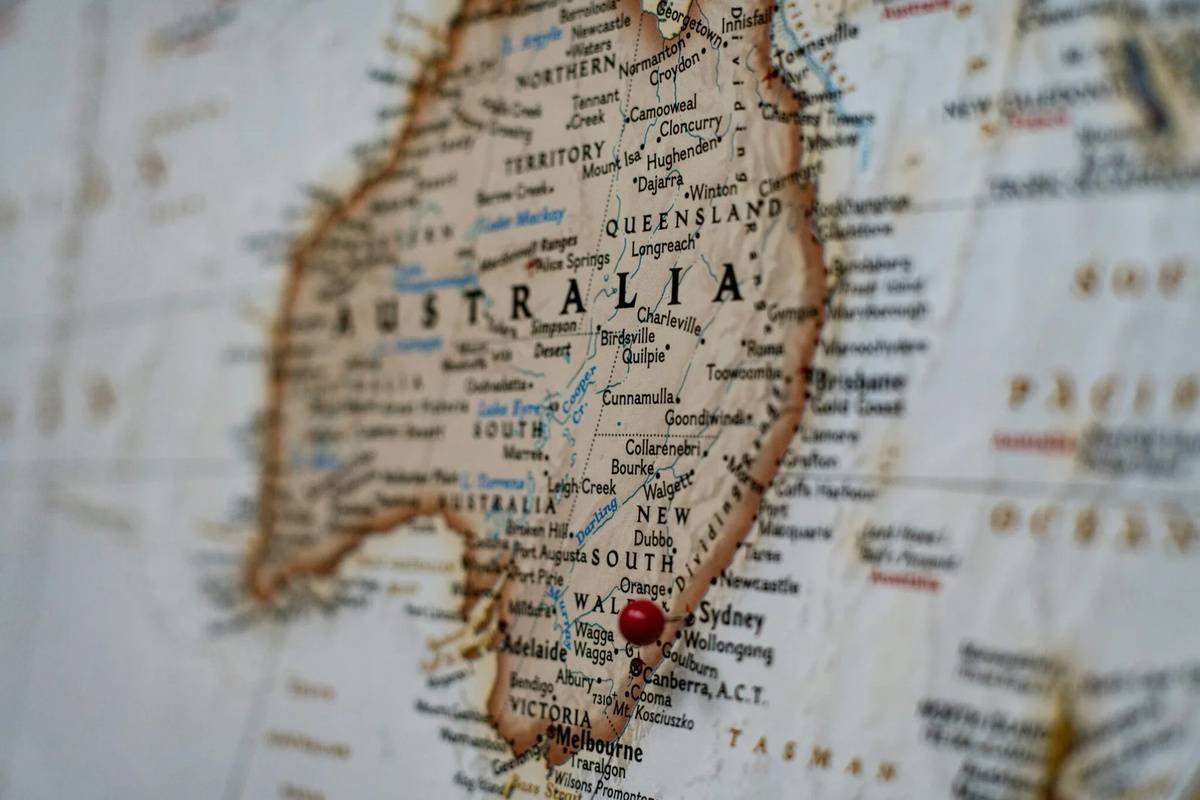
Australia in 2026 combines ten standout landmarks, from the Sydney Opera House to Uluru and the Great Barrier Reef. Notably, the hotel landscape concentrates in three main hub cities: Sydney, Melbourne and Brisbane. UK travellers need only the free eVisitor (subclass 651) to enter, not a paid visa, provided the trip stays under three months and excludes work.
Booking.com offers the deepest Australian property inventory of the major platforms, including independent apartments and boutique stays alongside international chains. Most itineraries benefit from basing in one or two hub cities and using short internal flights to reach landmark regions. Importantly, distances between attractions are considerably larger than UK travellers typically expect.
The Sunset Weekly Connection Reality: Australia’s landmarks are spread across a continent roughly the size of Europe. Notably, choosing where to stay matters as much as choosing what to see — the wrong base city can add hours of unnecessary internal travel to an itinerary.
SEARCH AUSTRALIA HOTELS ON BOOKING.COM2026 Update Alert — What UK Travellers Need to Know Before Booking
What Are the Current UK Entry Requirements for Australia?
UK passport holders travelling to Australia for tourism use the eVisitor (subclass 651). Specifically, this is a free, multiple-entry authorisation valid for visits of up to three months within a 12-month period. Importantly, this differs from the paid Electronic Travel Authority (ETA, subclass 601). Notably, that system applies specifically to passport holders from the United States, Canada, Japan and Singapore, not the UK. Consequently, UK travellers researching “Australia ETA” online should confirm they are looking at eVisitor information specifically. Importantly, the two systems are frequently and incorrectly conflated across general travel content.
What Should UK Travellers Know About Onward UK Re-Entry?
UK citizens returning home after an Australia trip face no additional UK entry requirement. Notably, British citizens do not need an ETA to enter their own country. However, if the itinerary includes a stopover in a third country en route — Singapore, Dubai or Hong Kong, for example — check that country’s own transit and entry rules separately. Importantly, several have introduced their own digital travel authorisation systems in 2026.
Why Does Hotel Booking Strategy Matter More in Australia Than in Europe?
Australia’s landmark attractions sit much further apart than equivalent European itineraries. Specifically, Sydney to Uluru is roughly a 3.5-hour flight. Notably, Cairns, the Great Barrier Reef gateway, sits over 2,000 kilometres from Melbourne. Consequently, booking flexible-cancellation accommodation in advance gives UK visitors more room to adjust an itinerary. Furthermore, keeping internal flight bookings until closer to travel dates helps too, especially around weather, reef conditions or unexpected flight changes.
Source: gov.uk Australia travel advice and australia.com visa pages — verified June 2026.
You may also like: Stay connected throughout the festival and your trip with our Holafly Review 2026: Best Unlimited Data eSIM with Always On Backup.
The Top 10 Landmarks to Build Your Australia Itinerary Around
1. Sydney Opera House and Harbour
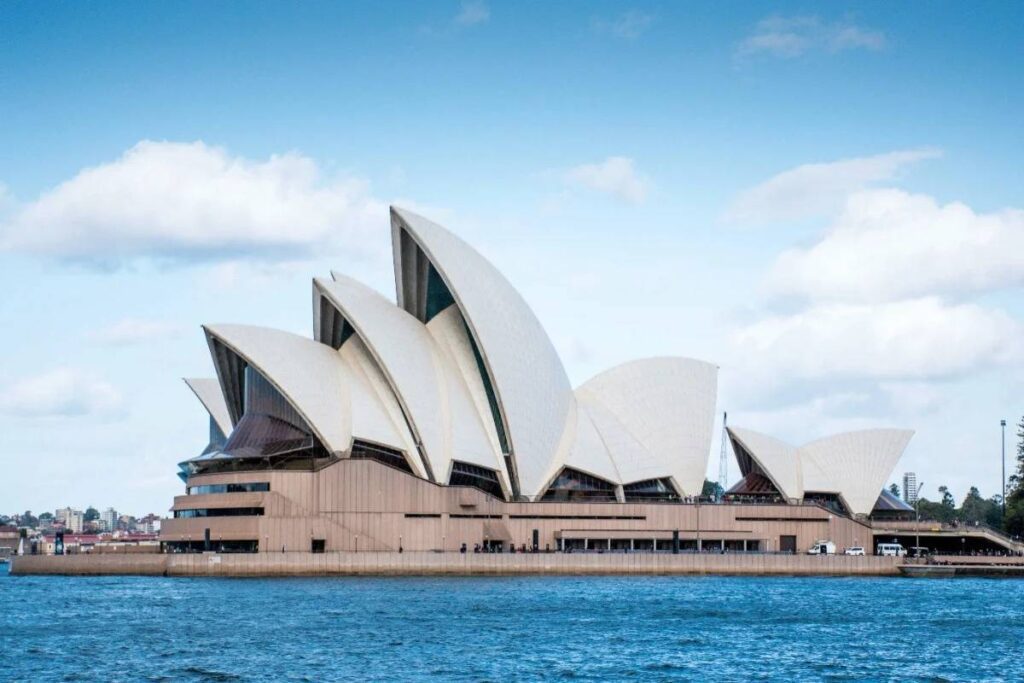
No visit feels complete without seeing this architectural icon up close. A guided interior tour costs around $43 AUD, roughly $30 USD, per adult. This includes access to spaces closed to general visitors, with family tickets covering two adults and two children for around $115 AUD. Alternatively, walk the foreshore at Circular Quay or enjoy the view from a ferry at no cost. In the evening, the sails light up against the city skyline, creating one of the most recognisable scenes in the country.
2. Sydney Harbour Bridge
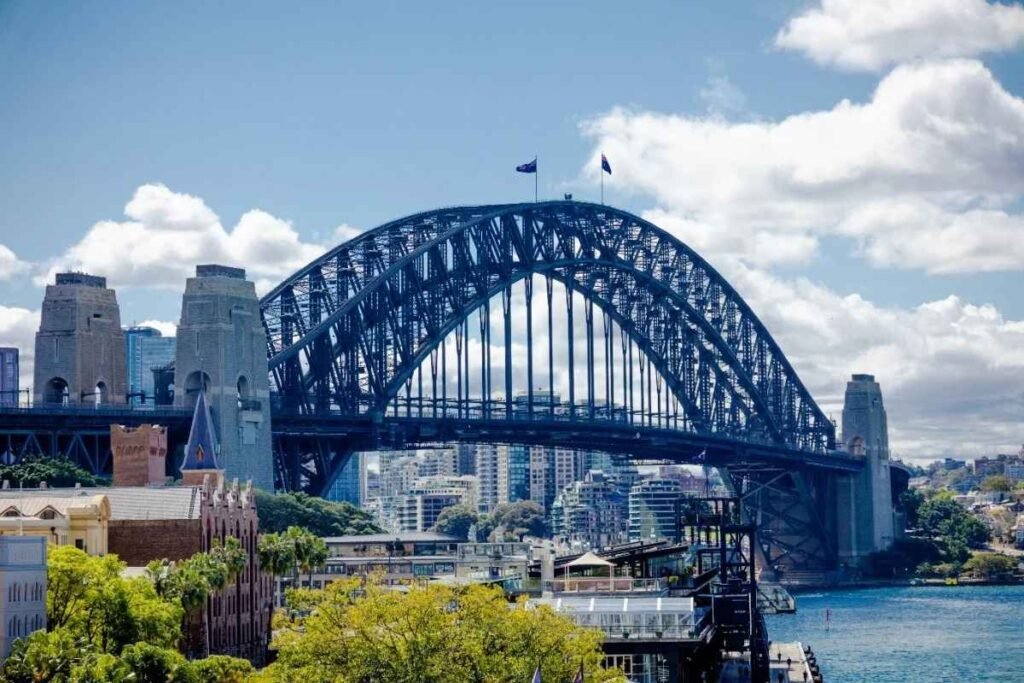
Walking across the pedestrian path is completely free and takes most visitors 15 to 30 minutes. For a more dramatic perspective, the BridgeClimb experience starts from around $213 USD per person. It offers panoramic views stretching from the Opera House to the Blue Mountains on clear days. Notably, dawn climbs deliver the most striking morning light, though sunset climbs trade cooler temperatures for golden-hour colour over the harbour.
3. The Great Barrier Reef
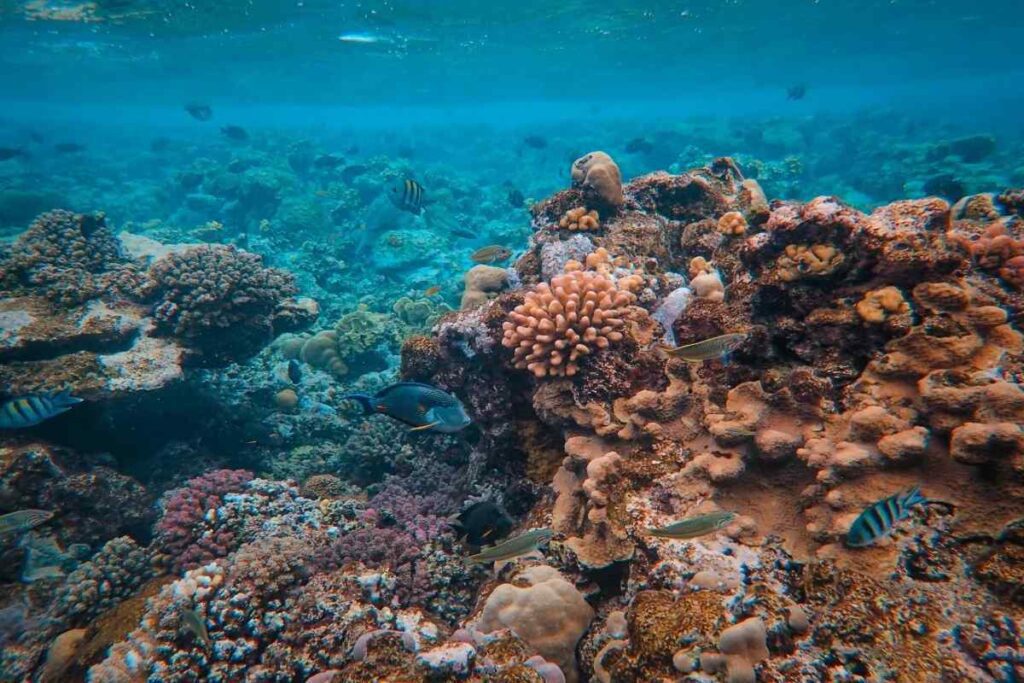
The reef stretches over 2,300 kilometres and supports an extraordinary range of marine life. Day trips from Cairns or the Whitsundays let visitors explore coral gardens and swim alongside turtles, reef sharks and colourful fish. Choosing operators with strong environmental credentials helps protect this fragile ecosystem — look specifically for operators certified under recognised marine tourism accreditation programmes before booking.
4. Uluru
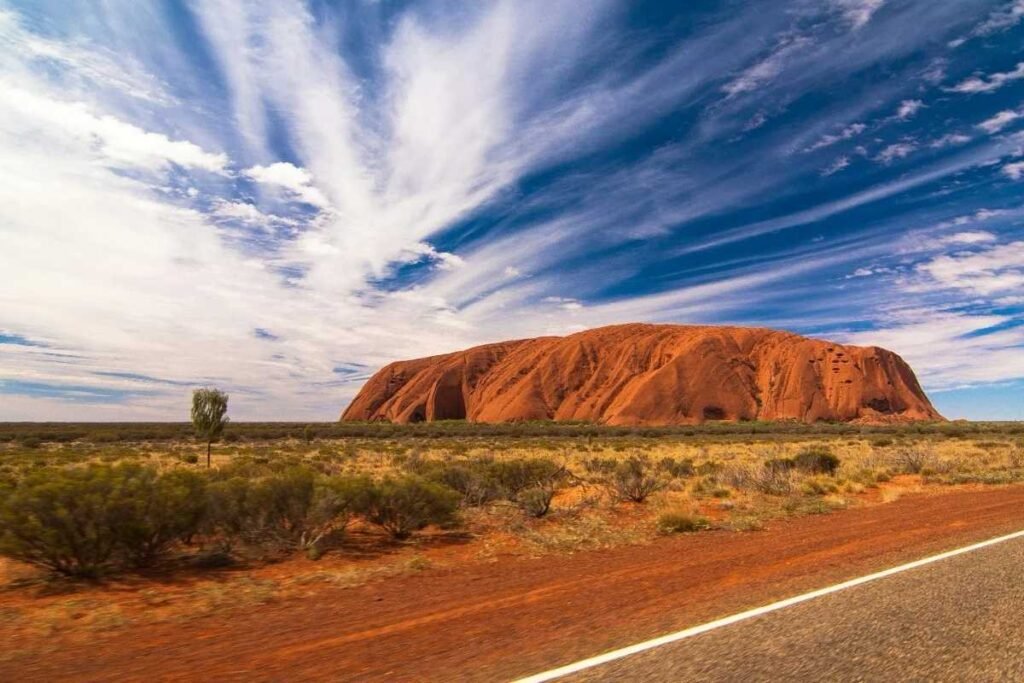
In the Northern Territory, Uluru rises dramatically from the desert floor. The rock changes colour throughout the day, with dawn and dusk providing the most striking displays. Respectful guided tours led by Anangu traditional owners add genuine cultural depth to the experience. These tours remain the only way to access certain culturally significant areas around the base.
5. The Great Ocean Road
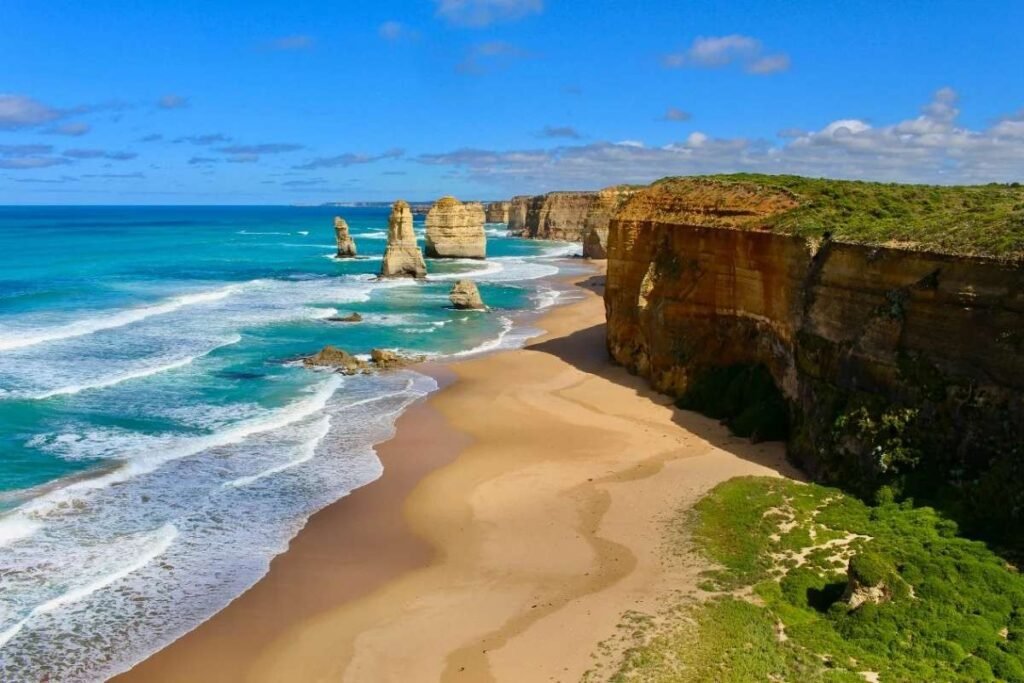
This classic route southwest of Melbourne winds past dramatic limestone stacks known as the Twelve Apostles, rainforests and coastal lookouts. Stop at seaside towns for fresh seafood and keep an eye out for koalas in the wild. The journey works well as a relaxed multi-day road trip from a Melbourne base, with most travellers allowing two to three days for the full route.
6. Melbourne’s Laneways and Cultural Scene

The Victorian capital rewards those who enjoy food, art and coffee. Wander the graffiti-filled laneways, visit world-class galleries and sample the city’s renowned dining scene. Nearby, the Royal Botanic Gardens Victoria offers a peaceful green escape in the heart of the metropolis, and entry to the gardens themselves remains free year-round.
7. Brisbane and the Surrounding Region
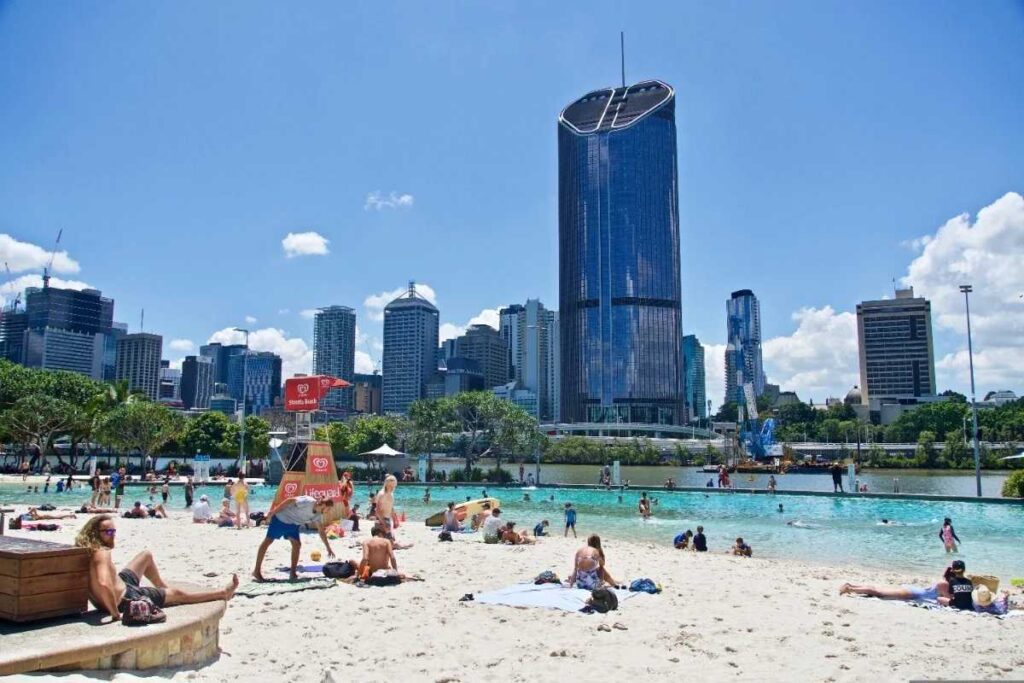
Queensland’s capital combines riverfront parks with easy access to beaches and hinterland. Day trips to the Gold Coast or Sunshine Coast provide a clear contrast between urban energy and relaxed coastal living. This makes Brisbane a flexible base for both city and beach time. The Brisbane CityCat ferry service offers an inexpensive way to see the riverfront without booking a dedicated tour.
8. Native Wildlife Encounters

Australia’s animals remain a major draw for international visitors. Featherdale Sydney Wildlife Park, around 45 minutes from central Sydney, houses over 2,000 native animals across more than 260 species, including hand-feeding kangaroos and close access to koalas. Sister parks Mogo Wildlife Park and Hunter Valley Wildlife Park extend the same conservation-focused model elsewhere in New South Wales for visitors with more time.
9. The Blue Mountains

Just a short train ride from Sydney, this World Heritage area features dramatic cliffs, eucalyptus forests and waterfalls. Scenic World provides accessible viewpoints including the Scenic Railway and Skyway cable car, while bushwalks suit a range of fitness levels. The Three Sisters rock formation at Echo Point is particularly photogenic and remains one of the most visited single viewpoints in the region.
10. Australia’s Iconic Beaches
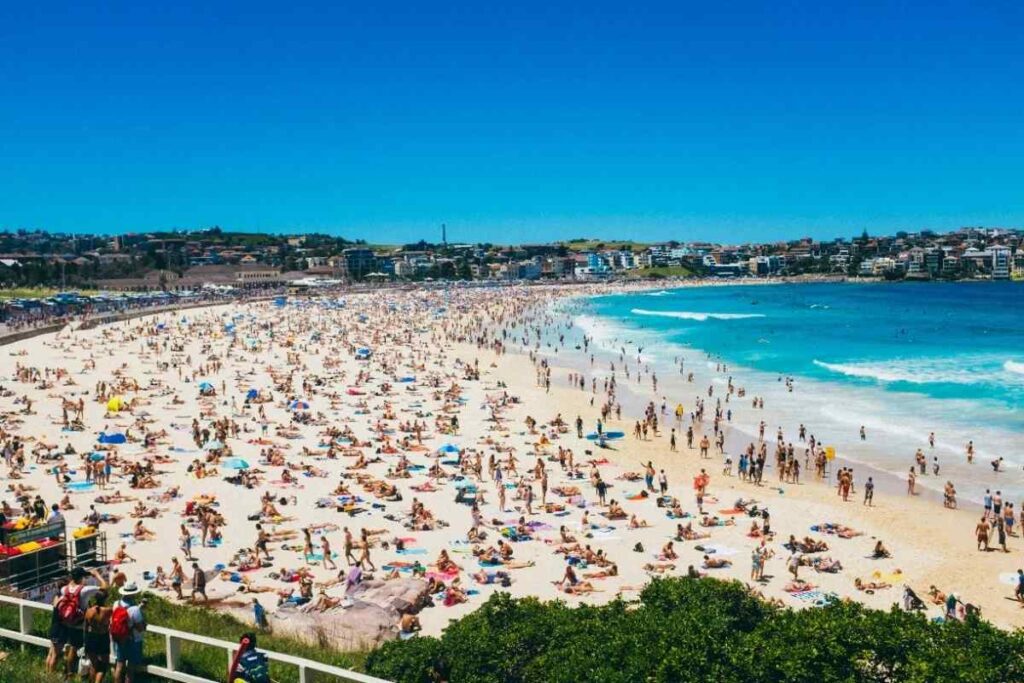
From Bondi in Sydney to the sweeping stretches of the Gold Coast and Queensland’s northern shores, Australia’s coastline delivers. Excellent swimming, surfing and people-watching await at every stop. Many beaches have patrolled sections and nearby cafés for a relaxed day by the sea. Checking flag conditions before swimming matters genuinely, since Australian beach currents can be significantly stronger than UK visitors typically expect.
These ten landmarks combine into various itineraries depending on how much time is available. Distances are vast, so internal flights or careful route planning help make the most of a limited trip.
You may also like: When booking your flights, be sure to check Emirates Skywards 2026: Tiers, Miles & Award Flights from London LHR for excellent redemption opportunities.
Where to Stay: Booking.com Hotel Recommendations Across Key Cities
Booking.com remains one of the most comprehensive platforms for reserving Australian accommodation. Notably, deep coverage spans international hotel chains, independent apartments, and boutique stays across every major hub city. Specifically, the platform’s broad inventory matters in Australia for a clear reason. Specifically, many landmark experiences require basing in a specific gateway city first — Cairns for the reef, Alice Springs for Uluru, Melbourne for the Great Ocean Road. This makes property choice in each hub a genuinely strategic decision rather than an afterthought.
Why Choose Booking.com for an Australia Trip Specifically?
Booking.com offers transparent guest reviews and widely available free cancellation on flexible-rate bookings. Additionally, detailed property comparisons by location, facilities and price round out the platform’s strengths. Furthermore, many properties listed on the platform allow cancellation up to 24 or 48 hours before arrival. Importantly, this suits Australia’s weather-dependent landmark activities, since reef conditions and outback heat both vary enough to justify keeping accommodation flexible until closer to the date.
Top-Rated Hotels in Australia — Booking.com, June 2026
| Hotel Name | Address | Rating | Best For |
|---|---|---|---|
| Top Ocean View Artistic Apt | 22 View Avenue, Gold Coast 4217 | 10/10 | Gold Coast beach base |
| Comfort Inn Northgate Airport | 186 Toombul Road, Northgate, Brisbane 4013 | 8/10 | Brisbane airport convenience |
| Nightcap at Manly Hotel | 54 Cambridge Parade, Brisbane 4179 | 9.1/10 | Brisbane coastal access |
| Terminus Hotel Pyrmont | 61 Harris Street, Pyrmont, Sydney 2009 | 9.2/10 | Sydney harbour-adjacent stay |
| East Sydney Hotel | 111 Cathedral Street, Sydney 2011 | 8.7/10 | Central Sydney exploration |
Source: Booking.com guest reviews — verified June 2026. Prices and availability fluctuate significantly during the Australian summer season (December–February); booking 2–3 months ahead is recommended for peak dates.
Honest Warning: Several of the highest-rated properties above sit outside the immediate Sydney CBD or Brisbane city centre. Check the distance to your specific landmark targets before booking. Notably, a 9.5-rated property 40 minutes from Circular Quay may add more daily travel time than a slightly lower-rated property within walking distance of the harbour.
How Should You Choose a Base City for Your Itinerary?
Sydney suits travellers prioritising the Opera House, Harbour Bridge, Bondi Beach and the Blue Mountains. Importantly, all are reachable within a single day trip or short stay. Melbourne suits those prioritising the Great Ocean Road and the city’s laneway and gallery scene. Notably, a more relaxed café culture pace also defines the Melbourne experience. Brisbane suits travellers wanting beach access via the Gold Coast or Sunshine Coast alongside a smaller, more manageable city centre. Notably, attempting to base in all three cities within a single short trip usually adds more internal flight time than the additional landmarks justify. Consequently, choosing two cities rather than three typically produces a more comfortable itinerary.
How Should You Plan Transport Between Landmarks?
What Is the Most Practical Way to Cover Australia’s Distances?
Domestic flights remain the most practical option for covering Australia’s long distances between major hub cities and landmark gateway towns. Trains and coaches work well for shorter regional routes, such as Sydney to the Blue Mountains. Importantly, hiring a car gives the flexibility needed for multi-day self-drive routes like the Great Ocean Road.
How Far Apart Are the Major Landmarks in Practice?
Approximate Travel Times Between Key Australia Hubs — 2026
| Route | Approximate Flight Time | Best For |
|---|---|---|
| Sydney to Melbourne | 1.5 hours | City-to-city hub switching |
| Sydney to Brisbane | 1.5 hours | Beach and reef access |
| Sydney to Cairns (Reef) | 3 hours | Great Barrier Reef base |
| Sydney to Alice Springs (Uluru) | 3.5 hours | Red Centre and Uluru |
| Melbourne to Cairns | 3.5 hours | Reef trip from a Melbourne base |
Source: Flight time estimates based on standard domestic routes — verified June 2026. Actual flight availability and frequency vary by airline and season; confirm current schedules before finalising an itinerary built around tight connections.
Forensic Observation: A common itinerary mistake among first-time UK visitors is underestimating Australia’s internal distances based on the country’s compact appearance on a world map. Sydney to Cairns alone is a longer flight than London to Rome. Consequently, building in at least one full rest day after any internal flight exceeding three hours helps avoid an exhausting, overly ambitious schedule.
You may also like: Looking for premium luggage? Our RIMOWA 2026 Review helps you decide if the iconic aluminium case is worth the investment.
Frequently Asked Questions
Entry and Planning
Q: Do UK citizens need a visa for Australia? UK passport holders use the free eVisitor (subclass 651) for tourism stays of up to three months within a 12-month period. This is not the same as the paid Electronic Travel Authority (ETA, subclass 601). Notably, that system applies to different nationalities, including the US, Canada, Japan and Singapore. Apply for the eVisitor through the official Australian Department of Home Affairs channels before travel.
Q: What is the best time of year to visit Australia? The country spans multiple climate zones, so timing depends on the specific region. Summer (December–February) suits beach destinations in the south. Winter (June–August) brings milder weather to the north and suits reef and outback visits. Shoulder seasons often deliver good weather with notably fewer crowds and lower accommodation prices.
Q: How many days should a first Australia trip include? Two to three weeks allows a realistic combination of two or three hub cities plus one or two landmark regions, such as the reef or Uluru. Importantly, this avoids excessive internal flight fatigue. Shorter trips of one week work better focused on a single city and its immediate surrounding region. Specifically, Sydney plus the Blue Mountains is a good example.
Hotels and Booking
Q: How reliable are hotel ratings and reviews on Booking.com for Australian properties? Booking.com aggregates genuine traveller feedback, helping visitors compare properties by location, facilities and value before booking. Reviews specifically mentioning distance to key attractions are particularly useful for Australia. Notably, a property’s location significantly affects daily travel time between landmarks.
Q: Can I cancel an Australian hotel booking easily if my plans change? Many Booking.com listings offer free cancellation up to a set date before arrival. This is typically 24 to 48 hours, depending on the specific property and rate type. Always check the exact cancellation terms for each booking individually, since policies vary considerably between properties and rate categories.
Q: Does Booking.com cover regional gateway towns like Cairns and Alice Springs well, not just the major cities? Yes. Booking.com’s Australian inventory extends well beyond Sydney, Melbourne and Brisbane. Additionally, smaller gateway towns that serve as bases for reef trips and Uluru visits are well covered too. Property density is naturally lower in these smaller towns than in the major cities. Consequently, early booking becomes more important during peak season as a result.
Transport and Logistics
Q: How do I get around such a large country? Domestic flights are the most practical option for covering Australia’s long distances between cities and landmark regions. Trains and coaches suit shorter regional routes. Hiring a car offers flexibility for self-drive itineraries such as the Great Ocean Road.
Q: How far in advance should I book domestic flights within Australia? Booking domestic flights 2 to 3 months ahead typically secures better pricing. Specifically, this applies to popular routes connecting major cities to Cairns or Alice Springs during the Australian summer peak season. Flexibility on travel dates, where possible, also helps reduce costs significantly on these routes.
Expert Verdict
By Ammara Azmat, Senior Travel Mobility Analyst
Having planned multiple long-haul itineraries to Australia, one error stands out. UK travellers most commonly treat the country’s landmarks as a checklist to complete in one trip. Australia’s scale makes this approach fail. An itinerary trying to cover Sydney, the reef, Uluru and Melbourne in two weeks usually delivers an exhausting holiday rather than a memorable one.
What Should UK Travellers Prioritise When Planning?
Choose two hub cities maximum for a first trip. Treat any landmark region requiring an internal flight as its own dedicated multi-day stop. The reef, Uluru and the Red Centre all deserve more than a rushed day trip. Furthermore, confirm the eVisitor entry requirement well before booking flights. The free, straightforward UK pathway is sometimes confused online with the paid ETA system that applies to other nationalities.
What Is the Bottom Line for Planning Your Australia Trip?
Apply for the free eVisitor at least a few weeks before travel. Book flexible-cancellation hotels through Booking.com first, then confirm domestic flights once the itinerary is settled. Base in Sydney or Melbourne for city landmarks. Budget at least three full days for any reef or Uluru extension, given the flight time involved. Build in rest days after long internal flights. Australia’s distances surprise most first-time UK visitors, and a realistic pace makes for a far better trip than an ambitious one.
Editorial & Accuracy Standards
- Expert Review:
Ammara Azmat,
Senior Travel Mobility Analyst (12+ years experience) - Status: Verified for accuracy against official 2026 service data and real-time traveller reports.
- Our Process: This content follows our Fact-Checking Policy.