
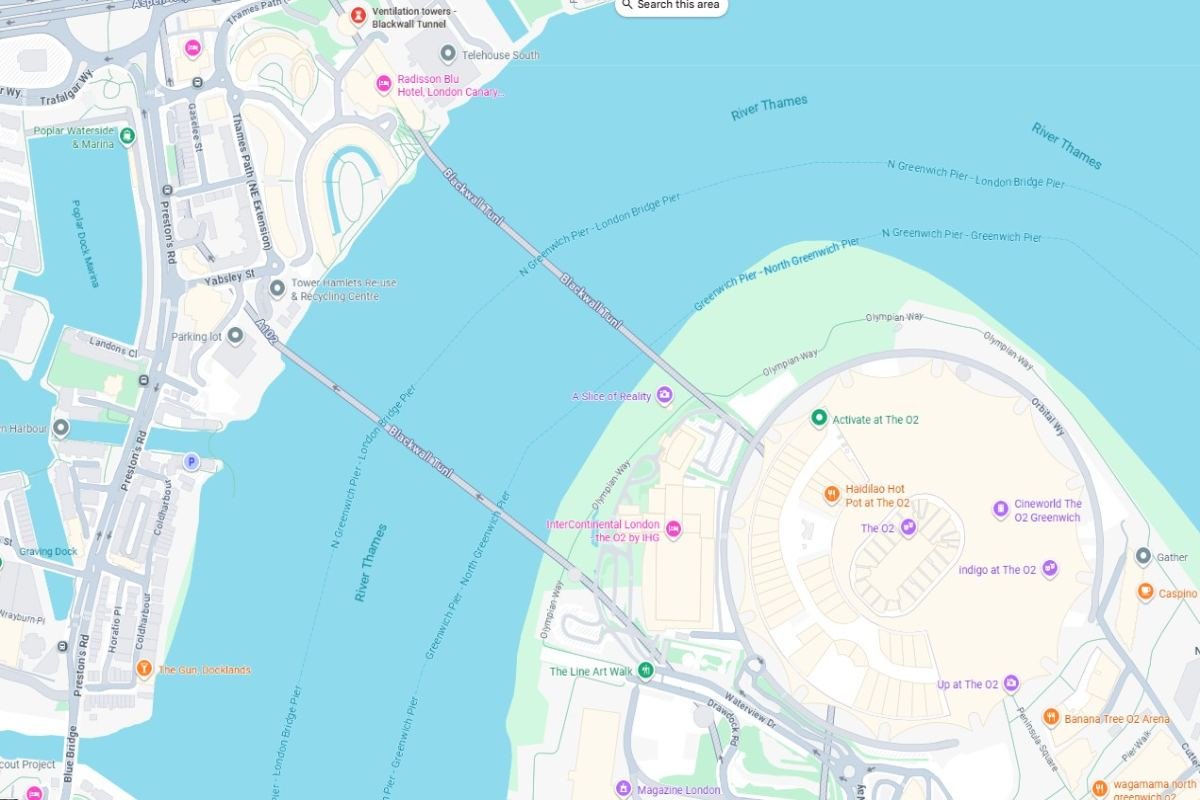
Blackwall and Silvertown Tunnel Charges Rise Sept 2026
Sunset Weekly Disclosure: To help keep our guides free, this post contains affiliate links. If you click through and make a booking (such as hotels, flights, tours, or travel experiences), we may earn a commission at no extra cost to you. Sunset Weekly is an independent travel and lifestyle publication. While we may receive compensation from affiliate partners, this does not influence our editorial content, recommendations, or opinions. #ad
Quick Answer
From 21 September 2026, Transport for London is raising Blackwall and Silvertown tunnel charges by roughly 5%, in line with inflation. Cars and small vans on Auto Pay will pay £4.20 at peak times (up from £4.00) and £1.55 off-peak (up from £1.50).
Registering for Auto Pay, timing your crossing outside peak hours, and checking discount eligibility are the real ways to reduce what you pay, more reliably than switching to the free alternative routes, which have become significantly more congested since the charges began.
The Sunset Weekly Connection Reality: Attempting to bypass the Blackwall and Silvertown tunnel fees by routing onto free river crossings often backfires due to heavy local traffic. Planning your journey off-peak and setting up Auto Pay remains the most cost-effective strategy for navigating East London crossings.
PAY ONLINEWhat’s Actually Changing
Transport for London confirmed the charges for both the Blackwall Tunnel and the newer Silvertown Tunnel will rise from Monday 21 September 2026. This is the first increase since user charges began in April 2025, and TfL states it as an inflation-linked adjustment rather than a policy shift.
New Charges From 21 September 2026
| Vehicle | Auto Pay Off-Peak | Auto Pay Peak | Pay by Phone/Online (any time) |
|---|---|---|---|
| Cars & small vans | £1.55 (up from £1.50) | £4.20 (up from £4.00) | £4.20 |
| Motorcycles & mopeds | £1.55 (up from £1.50) | £2.60 (up from £2.50) | £2.60 |
| Large vans | £2.60 (up from £2.50) | £6.80 (up from £6.50) | £6.80 |
| Heavy goods vehicles | £5.25 (up from £5.00) | £10.50 (up from £10.00) | £10.50 |
Source: Transport for London, tfl.gov.uk
Peak times apply weekdays only: northbound 06:00–10:00, southbound 16:00–19:00. Charging runs daily from 06:00 to 22:00, seven days a week, including weekends. The tunnels remain free between 22:00 and 06:00, every day.
One detail worth understanding immediately, since it’s the single biggest lever drivers actually have: if you pay manually, by phone, online, or in the app, you’re charged the peak rate regardless of when you actually cross. Only drivers registered with TfL Auto Pay get the lower off-peak rate automatically when it applies. This alone makes Auto Pay registration the first real money-saving step, not an optional convenience.
Why the Charges Are Rising, According to TfL’s Own Data
TfL and the Mayor of London have published monitoring data one year after Silvertown Tunnel opened, and it’s genuinely worth citing directly rather than taking the “it’s working” claim on faith.
According to TfL’s official monitoring report, peak journey times on the A102 northbound approach to the Blackwall Tunnel have fallen by 58% in the morning and 47% in the evening, compared with before Silvertown opened. Average nitrogen dioxide concentrations in the area have dropped by 17%. Cross-river bus journeys have risen roughly fourfold, supported by more than 20 zero-emission bus journeys per hour through both tunnels.
Source: Mayor of London Press Release, citing TfL’s Silvertown & Blackwall Tunnels Monitoring Report.
TfL frames the September increase as necessary to keep the charge’s effect consistent with inflation, rather than let it erode and allow congestion to creep back toward pre-2025 levels.
The Real Question: Is Switching to a Free Route Actually Worth It?
This is where genuine driver reports paint a more complicated picture than TfL’s own messaging, and it’s the most useful thing this article can tell you.
The free alternatives have gotten more congested, not less. Drivers using the r/london subreddit describe the Rotherhithe Tunnel, already known for chronic congestion for well over a decade, becoming “totally and utterly congested” since traffic began diverting away from the charged tunnels. One driver described routinely spending 20 minutes just approaching the final 1km of the Rotherhithe crossing.
The Woolwich Ferry, London’s genuinely free Thames crossing for vehicles, has seen a dramatic queue increase. Multiple drivers report queue times rising from roughly 15 minutes before the charges began to as much as 2 hours now. One commenter’s blunt assessment: the ferry’s low capacity, reportedly only around 100 extra vehicles per hour, means it simply cannot absorb meaningfully more traffic no matter how many drivers want to switch to it.
Whether this trade-off is worth it genuinely divides drivers. One commenter argued flatly that “no one queues 2 hours to save £5.” Another pushed back directly, pointing out they’d seen the ferry both before and after the charges, and confirmed people are genuinely queuing specifically to save money. Both are describing the same real situation; they just weigh the trade-off differently, which is honestly the right way to think about your own decision here too.
Alternative Crossings Compared
| Route | Cost | Real Driver-Reported Trade-off |
|---|---|---|
| Blackwall/Silvertown Tunnel (Auto Pay, off-peak) | £1.55 | Fastest, most reliable since Silvertown opened |
| Blackwall/Silvertown Tunnel (peak) | £4.20 | Still faster than pre-2025 congestion levels |
| Rotherhithe Tunnel | Free | Reports of severe, worsening congestion, particularly on approach |
| Woolwich Ferry | Free | Reports of queues up to 2 hours, up from roughly 15 minutes pre-charge, due to genuinely low vehicle capacity |
| Dartford Crossing (Dart Charge) | £2.50–£6 depending on vehicle/time | A real option only if your route already runs that way; drivers report it’s not a sensible detour purely to avoid Blackwall/Silvertown charges |
What Actually Saves You Time and Money
Based on both TfL’s published rules and genuine driver experience, here’s what’s realistically worth doing:
- Register for TfL Auto Pay if you cross regularly. This is the only way to get the lower off-peak rate automatically. Paying manually locks you into the peak rate every time, even for an off-peak crossing.
- Shift your crossing time where you can. Even a short delay outside the 06:00–10:00 northbound or 16:00–19:00 southbound windows drops you to the off-peak rate, a saving of £2.65 per car crossing at current new rates.
- Check discount eligibility before assuming you don’t qualify. Low-income residents across 12 east and south-east London boroughs plus the City of London can get a 50% discount, guaranteed until at least April 2028. Eligible small businesses, sole traders, and charities in Greenwich, Newham, or Tower Hamlets get £1 off the off-peak Auto Pay rate on up to 3 vehicles. Blue Badge holders registered with TfL travel free.
- Only switch to the free crossings if your schedule genuinely has slack. Based on real driver reports, both Rotherhithe and the Woolwich Ferry can now cost significantly more time than the charge saves in money, particularly at peak periods. If you have a fixed appointment to make, this is a real risk, not a hypothetical one.
- Pay by midnight the next day if you don’t use Auto Pay. Missing this window triggers a Penalty Charge Notice of £180, reduced to £90 if paid within 14 days, which erases any saving from skipping Auto Pay in the first place.
FAQs
The Price Change
1. When do Blackwall and Silvertown tunnel charges increase?
From Monday, 21 September 2026. It’s the first increase since charges began in April 2025.
2. How much will a car cost to cross at peak times after the increase?
£4.20 with Auto Pay, up from £4.00. Off-peak, the Auto Pay rate rises to £1.55 from £1.50.
3. Why is TfL increasing the charges?
TfL states the rise is linked to inflation, intended to maintain the charge’s effect on managing traffic demand rather than let it erode in real terms.
Saving Money
4. What’s the easiest way to reduce what I pay?
Register for TfL Auto Pay. Paying manually by phone or online always charges the higher peak rate, regardless of when you actually cross.
5. Are there discounts available?
Yes. Low-income residents in 12 east and south-east London boroughs plus the City of London can get 50% off, guaranteed until at least April 2028. Eligible small businesses in Greenwich, Newham, or Tower Hamlets get £1 off the off-peak rate on up to 3 vehicles, and Blue Badge holders registered with TfL travel free.
6. Is switching to the free Woolwich Ferry actually worth it to save money?
It depends on your schedule. Genuine driver reports describe ferry queues rising to as much as 2 hours since the tunnel charges began, up from roughly 15 minutes beforehand, due to the ferry’s limited vehicle capacity. It can save the charge, but potentially cost far more time.
7. What happens if I forget to pay?
A Penalty Charge Notice of £180 applies, reduced to £90 if paid within 14 days. Paying by midnight the day after your crossing avoids this entirely.
The Bigger Picture
8. Has the Silvertown Tunnel actually reduced congestion?
According to TfL’s own monitoring data, peak journey times on the approach to the Blackwall Tunnel have fallen 58% in the morning and 47% in the evening since Silvertown opened, with a 17% drop in local nitrogen dioxide levels.
9. Has traffic just moved to other free crossings instead?
Genuine driver reports on Reddit describe worsening congestion at both the Rotherhithe Tunnel and the Woolwich Ferry since the charges began, suggesting some displacement has occurred, even as TfL’s own data shows improvement at Blackwall and Silvertown specifically.
10. Is the Dartford Crossing a good alternative?
Only if your route already passes that way. It carries its own charge (Dart Charge), and drivers report it’s not a sensible detour purely to avoid the Blackwall/Silvertown charge increase.
Editorial & Accuracy Standards
- Expert Review:
Ammara Azmat,
Senior Travel Mobility Analyst (12+ years experience) - Status: Verified for accuracy against official 2026 service data and real-time traveller reports.
- Our Process: This content follows our Fact-Checking Policy.