

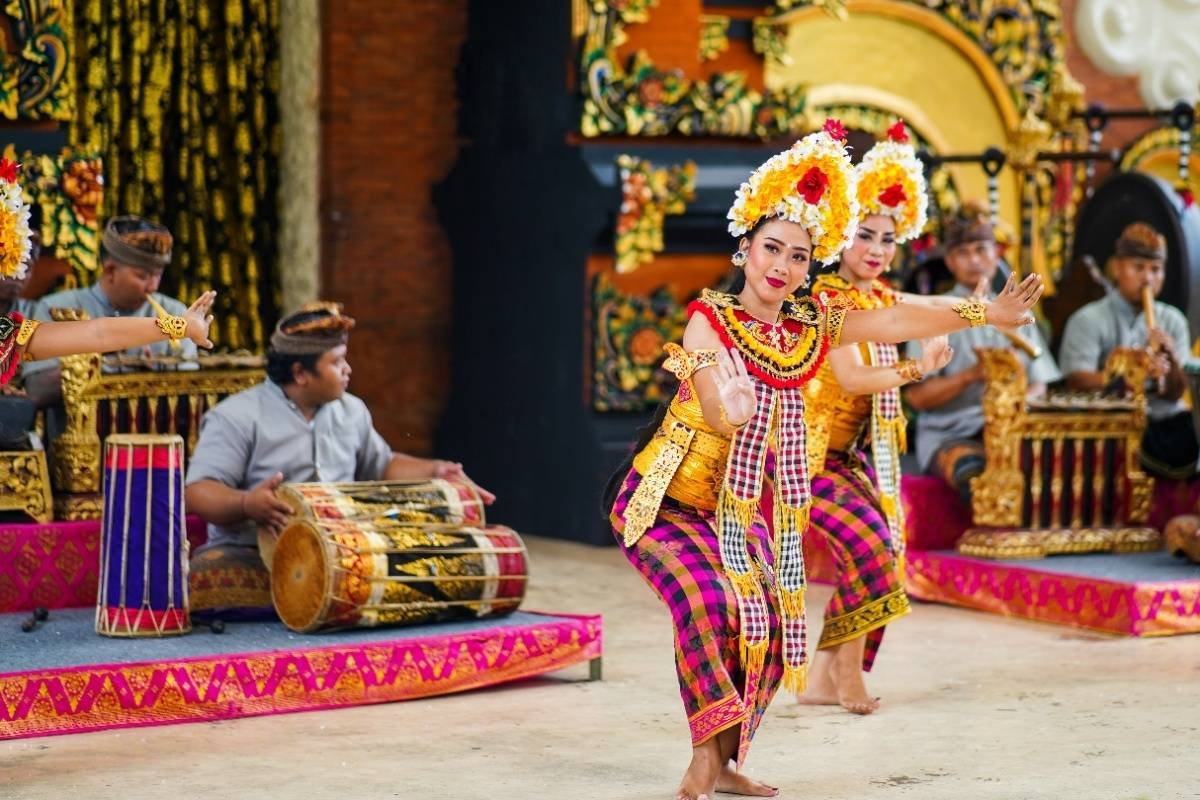
Last Updated: May 2026 | Reading Time: ~13 minutes
Sunset Weekly Quick Answer
Is Bali Worth Visiting in 2026?
Bali remains one of Southeast Asia’s most well-rounded destinations in 2026, offering ancient Hindu temples such as Tanah Lot and Uluwatu, terraced rice paddies in Tegallalang, and coastlines across Seminyak, Canggu, and the Bukit Peninsula. The island has expanded its appeal with established wellness retreats, a thriving digital nomad infrastructure, and growing sustainability-focused tourism — making it relevant for a wider range of travellers than before.
Why It Matters: Bali’s combination of cultural depth, natural variety, and practical travel infrastructure makes it one of the few destinations where budget backpackers, families, and wellness-focused travellers can all find suitable options. For UK travellers, direct and one-stop routes via Doha, Dubai, and Singapore keep long-haul access straightforward.
Key Traveller Takeaway: Bali in 2026 rewards travellers who look beyond the beach resorts — its temples, rice terraces, and cultural sites offer genuine substance alongside the well-known coastal draw.
Why Bali in 2026 Is Unlike Any Year Before
Bali is not standing still. The island has always evolved, but in 2026, that evolution is particularly visible. Sustainable tourism initiatives are now embedded across the island. Furthermore, digital infrastructure has improved dramatically, welcoming a growing remote-working community. Additionally, a new wave of regenerative travel operators has emerged. These focus on giving more to Bali than they take.
Industry data suggests that conscious travel preferences now influence the majority of Bali trip decisions. As a result, the most sought-after experiences combine natural wonder with cultural respect. This guide reflects that shift. Above all, it highlights experiences that are meaningful, memorable, and worth the journey.
| Airline | Route | Duration | Layovers / Stops | Price | Action |
|---|---|---|---|---|---|
| Emirates | LGW — DPS London Gatwick to Denpasar | 17 hr 40 min | 1 Stop — 1 hr 30 min (DXB) | £844 | BOOK NOW |
| Etihad Airways | LGW — DPS London Gatwick to Denpasar | 25 hr 45 min | 1 Stop — 9 hr 10 min (AUH) | £831 | BOOK NOW |
| Qatar Airways | LGW — DPS London Gatwick to Denpasar | 31 hr 25 min | 2 Stops — DOH & MNL | £747 | BOOK NOW |
| Singapore Airlines | LGW — DPS London Gatwick to Denpasar | 17 hr 55 min | 1 Stop — 1 hr 45 min (SIN) | £1,261 | BOOK NOW |
| KLM | LGW — DPS London Gatwick to Denpasar | 22 hr 50 min | 2 Stops — AMS & CGK | £728 | BOOK NOW |
ⓘ Note: Bali flight pricing and schedule details are verified for the 2026 travel season. Duration and stopover hubs are subject to airline operational updates. #ad — Sunset Weekly may earn a commission if you book via these links. See our affiliate disclosure.
Iconic Temples and Cultural Landmarks
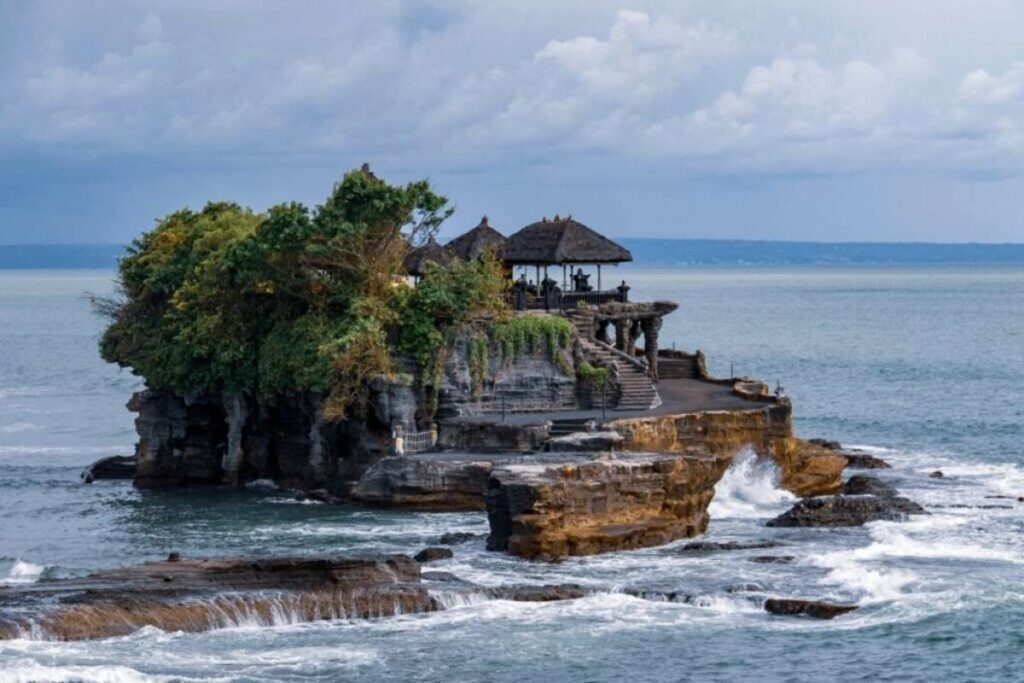
Tanah Lot — Bali’s Most Iconic Sea Temple
Google Rating: 4.6/5 – Address: Beraban, Kediri, Tabanan Regency, Bali 82121, Indonesia
Tanah Lot is, without question, one of Bali’s most photographed landmarks. It sits on a dramatic rocky outcrop, surrounded by crashing surf. However, what photographs cannot fully convey is the spiritual atmosphere. Balinese Hinduism is deeply woven into this site. Priests conduct daily offerings, and the sound of gamelan music carries across the water at dusk.
In 2026, the surrounding area has been significantly improved. New visitor pathways reduce overcrowding. Moreover, local artisan markets near the temple now operate under a sustainability charter. Consequently, tourism revenue flows more directly into the local community. Visit at sunset for the most spectacular light. But arrive at least an hour early to find the best vantage point.
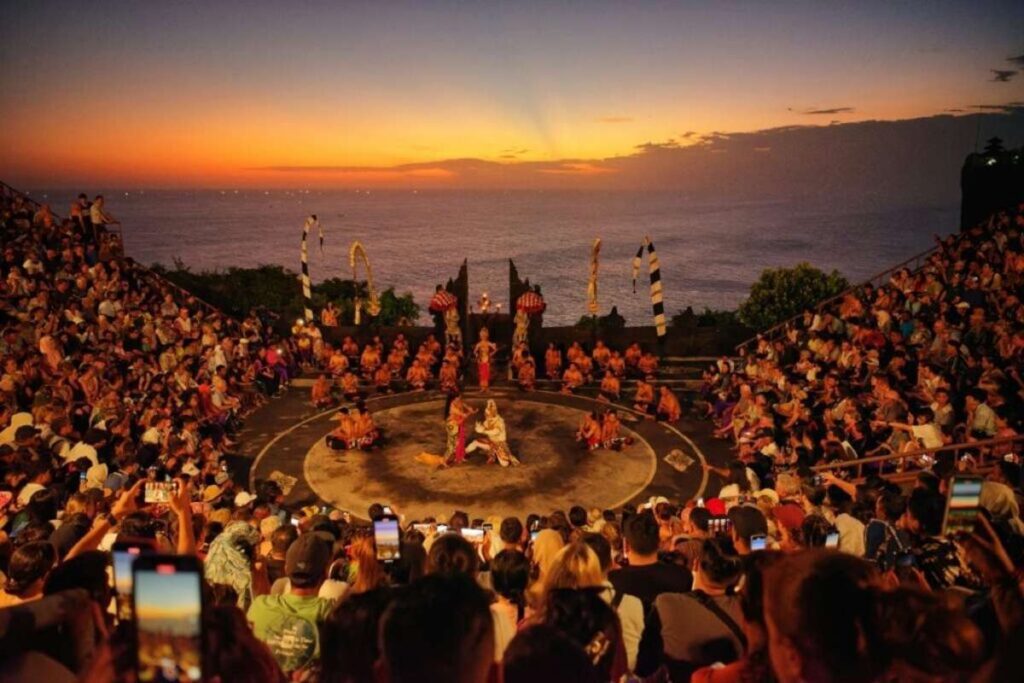
Uluwatu Temple — Clifftop Drama and Kecak Fire Dance
Google Rating: 4.6/5 – Address: Pecatu, South Kuta, Badung Regency, Bali, Indonesia
Perched on a 70-metre cliff above the Indian Ocean, Uluwatu Temple is breathtaking. Furthermore, its evening Kecak fire dance performance is one of the most remarkable cultural spectacles in Southeast Asia. Held at sunset, the dance tells the story of the Hindu epic Ramayana. Dozens of performers chant in unison around a central fire. The combination of ocean backdrop, fading light, and ancient storytelling is deeply moving.
In 2026, performance schedules have expanded to accommodate higher demand. Nevertheless, advance booking is strongly recommended. Uluwatu also sits within a protected forest. Therefore, respectful wildlife behaviour around the resident monkeys is essential. Wear your sunglasses on a strap — the monkeys are famously opportunistic.
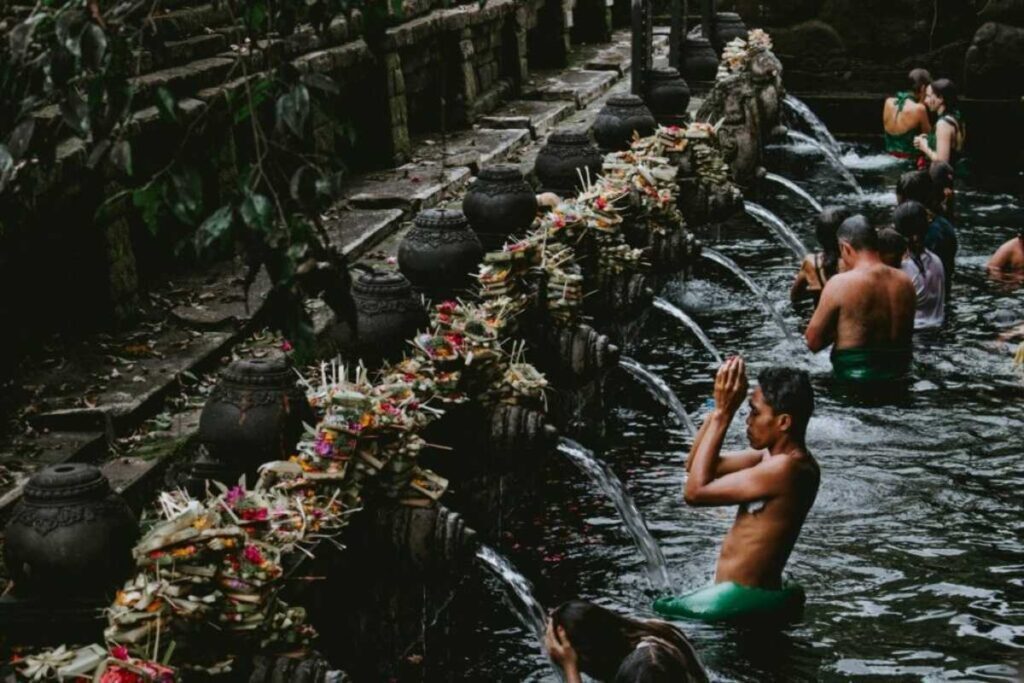
Pura Tirta Empul — The Sacred Purification Temple
Google Rating: 4.6/5 – Address: Tampaksiring, Gianyar Regency, Bali 80552, Indonesia
Pura Tirta Empul is one of Bali’s most spiritually significant sites. It is a Hindu water temple built around natural spring pools. Here, Balinese Hindus perform ritual purification by bathing in the sacred water. Visitors may participate respectfully in the purification ritual. However, this requires appropriate conduct, a sarong, and genuine mindfulness.
According to recent cultural tourism insights, experiences rooted in authentic religious tradition are among the most sought-after in Bali for 2026 travellers. Pura Tirta Empul delivers exactly that. Go early in the morning. Additionally, avoid peak mid-morning hours to experience the temple with fewer crowds and greater atmosphere.
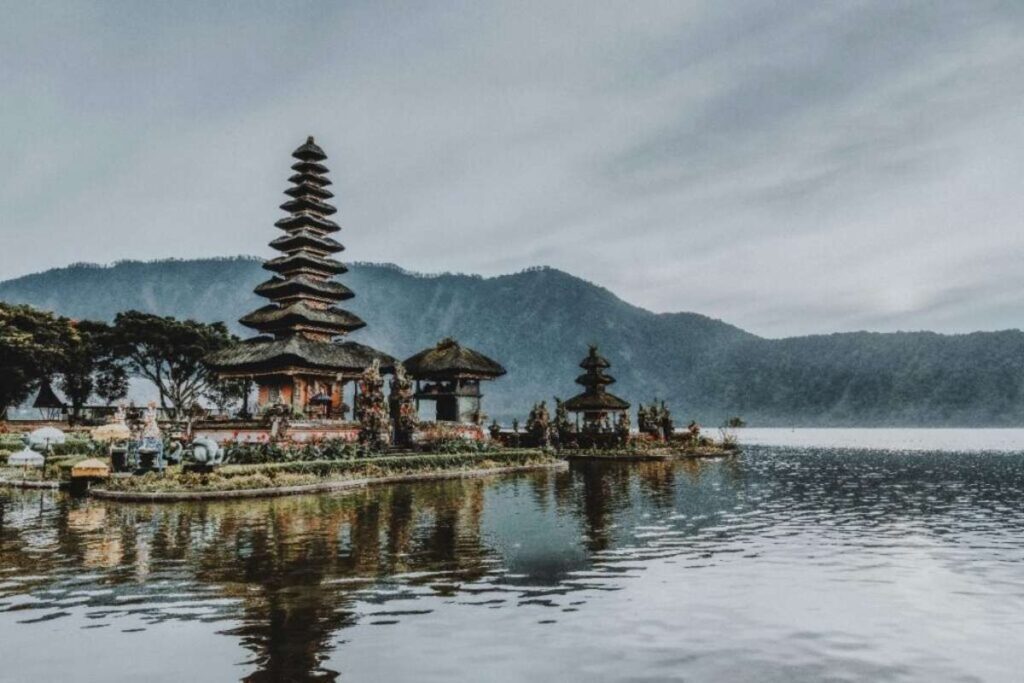
Ulun Danu Beratan Temple — The Lake Temple of Bedugul
Google Rating: 4.5/5 – Address: Candikuning, Baturiti, Tabanan Regency, Bali, Indonesia
Set on the shores of Lake Beratan in the cool highlands of Bedugul, Ulun Danu Beratan Temple is strikingly beautiful. On misty mornings, it appears to float on the water’s surface. As a result, it is among the most photographed temples outside of Uluwatu and Tanah Lot.
The surrounding Bedugul highlands are lush and dramatically different from Bali’s coastal zones. In 2026, a new network of eco-walking trails has opened nearby. These connect the lake area to surrounding botanical gardens and traditional Balinese farming villages. Therefore, a visit here can easily fill a full and deeply rewarding day.
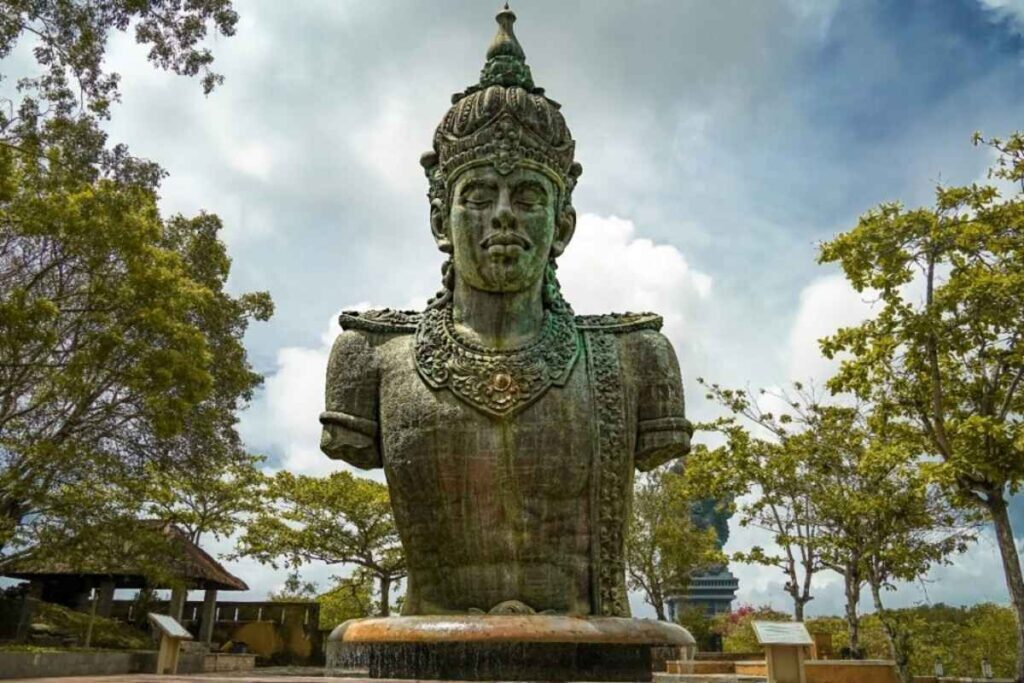
Garuda Wisnu Kencana Cultural Park — A Monument of Scale
Google Rating: 4.5/5 – Address: Uluwatu St, Ungasan, South Kuta, Badung Regency, Bali 80364, Indonesia
Garuda Wisnu Kencana Cultural Park, widely known as GWK, is home to one of the tallest statues in the world. The GWK statue depicts the Hindu god Vishnu riding the mythical Garuda bird. It stands 121 metres tall and is visible from kilometres away. Moreover, the park itself is an impressive cultural venue. It hosts regular traditional dance performances, cultural exhibitions, and evening shows.
In 2026, GWK has launched a new immersive audio experience. Visitors can now explore the mythology behind the statue through a narrated walkthrough. Additionally, a new sustainability education centre opened on-site earlier this year. As a result, GWK has evolved from a simple landmark into a genuine cultural destination.
You may also like: If you enjoy Balinese cuisine, you might also love exploring Nusantara’s Flavors: 10 Foods and Drinks Shaping Indonesia’s New Capital.
Nature, Rice Terraces, and Wildlife
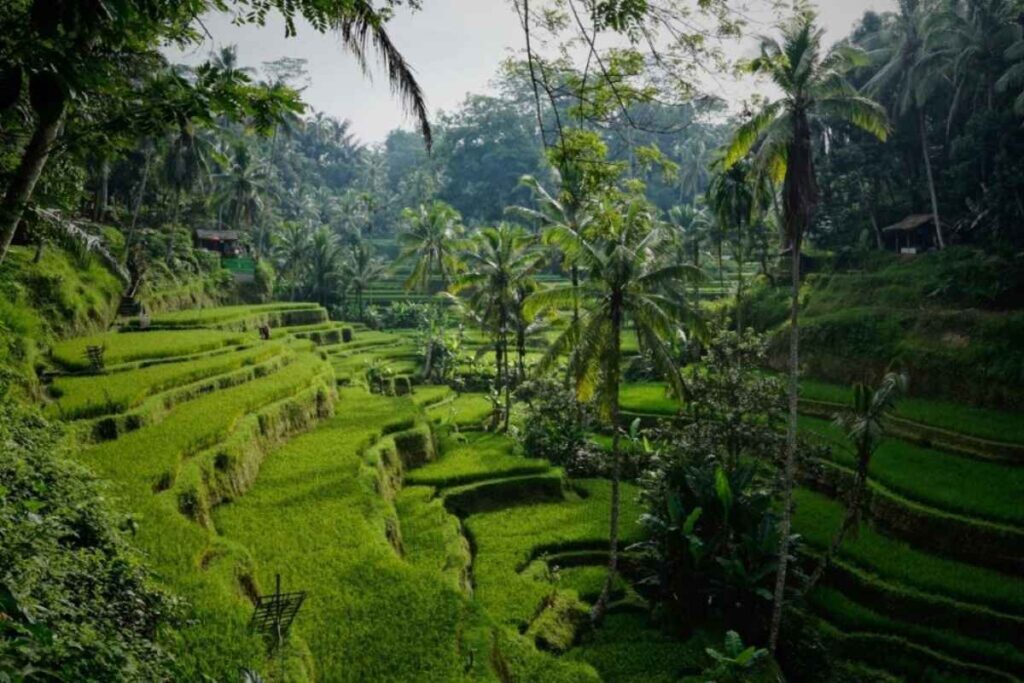
Tegallalang Rice Terrace — Bali’s Green Soul
Google Rating: 4.4/5 – Address: Kabupaten Gianyar, Bali 80561, Indonesia
The Tegallalang Rice Terrace near Ubud is one of Bali’s most iconic sights. The terraces cascade down a steep valley in brilliant shades of green. They follow the ancient Balinese irrigation system known as subak, which is a UNESCO-recognised cultural landscape. Furthermore, the terraces are a living, working agricultural system — not merely a backdrop for photographs.
In 2026, community-managed visitor zones have been introduced. These protect the crops while still allowing full access to the best viewpoints. Additionally, guided walks through the terraces are now available at dawn. Consequently, early risers can experience the terraces in golden light with almost no other visitors present. This is, without question, the way to do it.
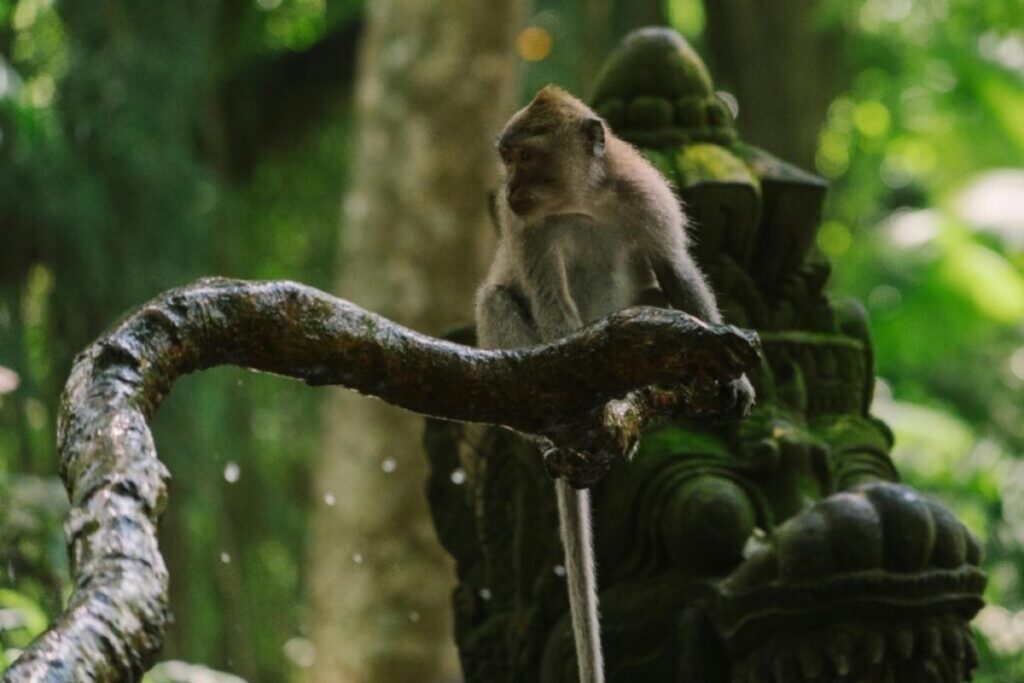
Sacred Monkey Forest Sanctuary — Nature, Art, and Ancient Temples
Google Rating: 4.5/5 – Address: Jl. Monkey Forest, Ubud, Kecamatan Ubud, Kabupaten Gianyar, Bali 80571, Indonesia
The Sacred Monkey Forest Sanctuary in Ubud is a remarkable place. It is home to over 1,000 long-tailed Balinese macaques. However, it is also an ancient and active Hindu temple complex. Ancient stone carvings line the pathways through dense tropical jungle. As a result, the sanctuary feels genuinely sacred rather than touristic.
In 2026, new conservation signage has been installed throughout the site. This educates visitors on monkey behaviour, forest ecology, and temple history. Furthermore, strict feeding bans are now enforced to protect the monkeys’ natural diet. Visit in the early morning for the most peaceful experience. Moreover, wear closed-toe shoes and keep loose items secured at all times.

Mount Batur — Bali’s Most Rewarding Sunrise Trek
Google Rating: 4.5/5 – Address: Kintamani, Bangli Regency, Bali 80652, Indonesia
Mount Batur is an active volcano rising 1,717 metres above sea level. Trekking to the summit for sunrise is one of the most popular things to do in Bali. The ascent takes roughly two hours. Therefore, hikers typically depart from the base at around 3:30am. The reward is extraordinary. At the summit, the sun rises over Lake Batur and the surrounding volcanic landscape in a blaze of orange and gold.
In 2026, guided trekking operators are held to new safety and environmental standards. Consequently, the experience is both safer and more sustainable than in previous years. Additionally, several operators now offer post-trek breakfast cooked using volcanic steam vents near the crater. It is, remarkably, as delicious as it sounds.
Coastlines, Beaches, and Island Day Trips
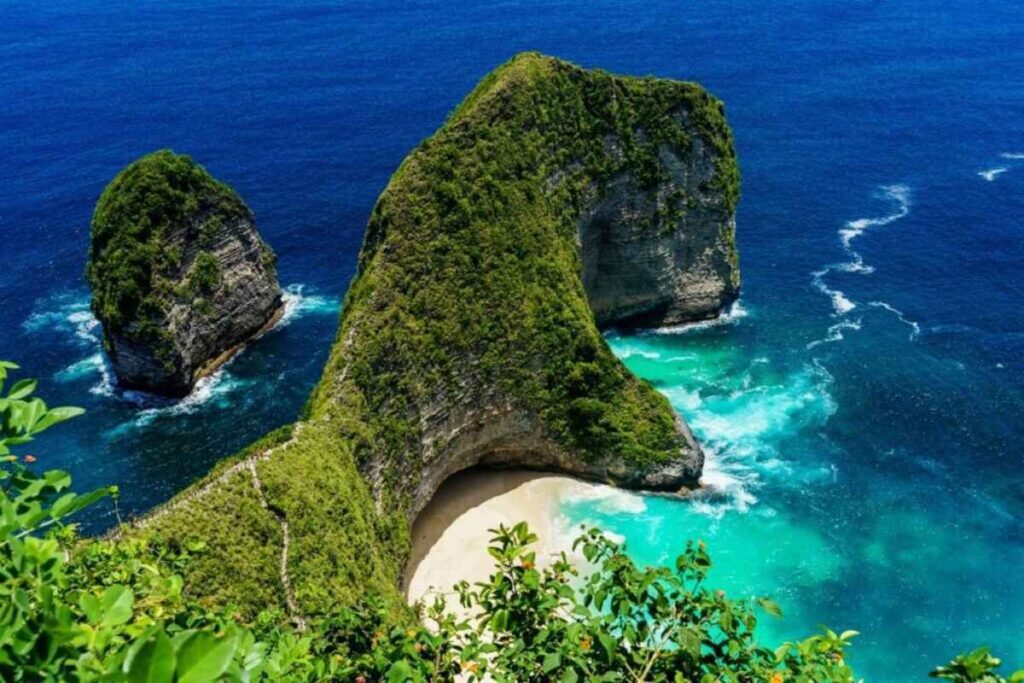
Kelingking Beach, Nusa Penida — The Most Dramatic View in Indonesia
Google Rating: 4.7/5 – Address: Bunga Mekar, Nusa Penida, Klungkung Regency, Bali 80771, Indonesia
Kelingking Beach on Nusa Penida island is simply jaw-dropping. The iconic T-Rex-shaped cliff drops steeply to a pristine white beach far below. As a result, the viewpoint is one of the most photographed spots in all of Indonesia. The steep trail to the beach itself takes around 45 minutes each way. However, those who make the descent are rewarded with nearly empty white sand and vivid turquoise water.
Nusa Penida as a whole has developed significantly by 2026. Ferry services from Sanur and Padang Bai have improved. Furthermore, new eco-accommodation options have opened across the island. That said, the island retains a raw, unhurried energy that Bali’s main tourist areas have largely lost. For many travellers, a day trip or overnight stay here is the highlight of their entire Bali trip.
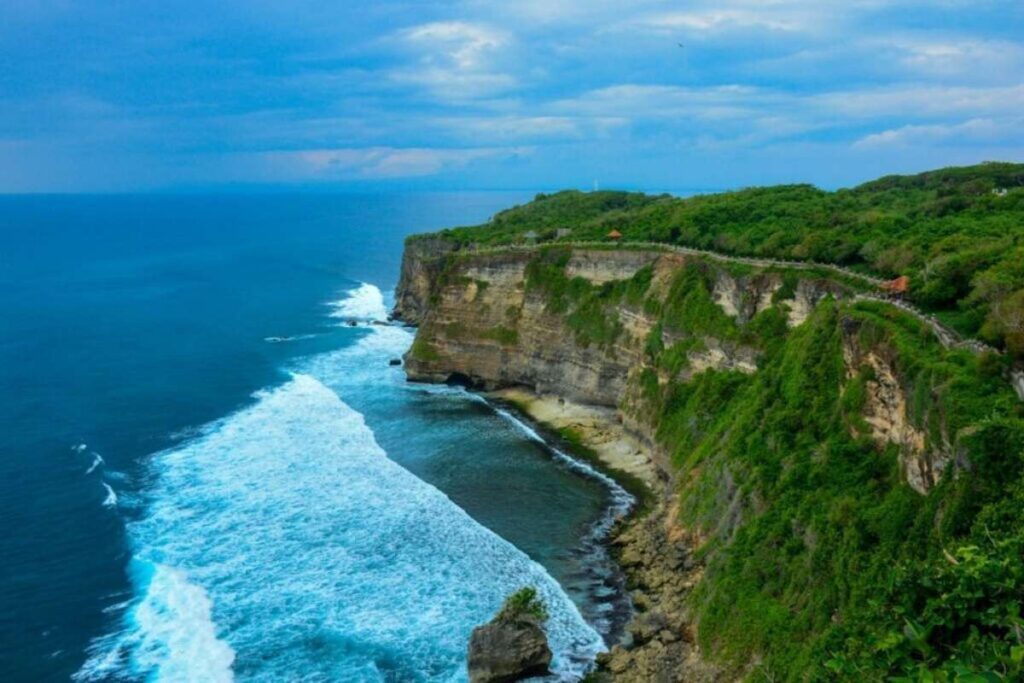
Kuta Beach — Bali’s Original Shoreline, Reinvented
Google Rating: 4.5/5 – Address: Badung Regency, Bali, Indonesia, 80361
Kuta Beach is where Bali tourism began. For decades, it was synonymous with surf culture, nightlife, and budget backpacking. However, in 2026, Kuta has reinvented itself. Major beachfront regeneration has improved the walkways, public areas, and surfing infrastructure. Additionally, a new beach clean-up programme — supported by both local government and independent operators — has dramatically improved the shoreline’s cleanliness.
Kuta remains the best place in Bali for beginner surf lessons. The waves here are consistent, the water is warm, and instructors are plentiful. Furthermore, the surrounding area offers an excellent range of restaurants, cafés, and shops at every price point. For first-time visitors in particular, Kuta is still a solid base for exploring the south of the island.
You may also like: When booking your flights, be sure to check Emirates Skywards 2026: Tiers, Miles & Award Flights from London LHR for excellent redemption opportunities.
Ubud: Bali’s Cultural Heart in 2026
Ubud deserves its own section entirely. It is the cultural, artistic, and wellness capital of Bali. Furthermore, in 2026, it has cemented its position as one of the world’s foremost destinations for conscious travel.
The Ubud Art and Gallery Scene
Ubud has been a centre for Balinese art for centuries. However, the scene has expanded dramatically in recent years. Independent galleries now sit alongside traditional craft studios. Moreover, a new creative district at the northern edge of town has attracted international artists and designers. As a result, the intersection of traditional Balinese painting, woodcarving, and contemporary art is more vibrant than ever.
Attend an evening at the Ubud Palace for traditional Legong or Barong dance performances. These take place most evenings. Additionally, the Blanco Renaissance Museum and Agung Rai Museum of Art offer deep insight into Bali’s extraordinary visual culture.
Wellness Tourism in Ubud — Bali’s 2026 Boom
Ubud is, without doubt, the global epicentre of wellness tourism. According to recent industry insights, wellness travel to Bali has grown by a significant margin in both 2024 and 2025. In 2026, that growth continues. World-class yoga retreats, Ayurvedic healing centres, and holistic spa resorts are found throughout the valley.
Many retreats now offer multi-day immersive programmes. These include traditional Balinese healing practices, sound bath therapy, and plant-based nutrition workshops. Furthermore, the surrounding jungle and river gorge provide extraordinary natural settings for meditation and breathwork. Notably, several Ubud wellness centres have achieved internationally recognised sustainability certifications in 2026. As a result, choosing an ethical retreat operator here is easier than ever.
Bali for Digital Nomads in 2026 — Canggu and Beyond
Bali has become one of the world’s top digital nomad destinations. Canggu, in particular, has developed a thriving community of remote workers, entrepreneurs, and creative professionals. In 2026, Indonesia’s Digital Nomad Visa has made long-term stays significantly more accessible. Consequently, the infrastructure supporting remote work — fast internet, co-working spaces, and community events — is now exceptional.
Canggu’s Batu Bolong and Berawa areas offer an excellent combination of beach access, café culture, and evening entertainment. Moreover, the surf here is world-class. The Canggu Surf Breaks at Batu Bolong and Echo Beach are consistently excellent from May through September. Furthermore, the local food scene has evolved to rival any major city. Expect everything from authentic Indonesian warung to Michelin-level fine dining.
Sustainability and Responsible Tourism in Bali: What to Know in 2026
Bali’s beauty has, at times, been strained by the pressures of mass tourism. However, 2026 marks a genuine turning point. The Bali provincial government has introduced new visitor guidelines. These cover protected natural areas, sacred sites, and single-use plastic restrictions. As a result, several overcrowded spots have implemented visitor caps and timed entry systems.
Choose operators who are certified by Bali’s Green Tourism Initiative. Additionally, stay in locally owned accommodation wherever possible. Support restaurants that source ingredients from Balinese farms. Furthermore, follow all temple dress codes and behavioural guidelines without exception. Importantly, these are not optional courtesies — they reflect genuine religious significance. Treating them as such makes you a better traveller and protects these sacred spaces for future generations.
You may also like: Families travelling to Bali should also read Beyond the Economy Meltdown: The Best Long-Haul Carriers for Family Flights.
Practical Tips for Visiting Bali in 2026
Here are a few key things to know before you go.
Best Time to Visit: The dry season runs from April through October. This is the most popular and most reliable period for travel. However, the shoulder months of April and October offer excellent conditions with noticeably fewer crowds. Additionally, prices are lower outside of peak school holiday periods.
Getting Around: Private drivers remain the most practical way to travel between attractions. Negotiate a daily rate in advance. Furthermore, ride-hailing apps are widely available in southern Bali and Ubud. For Nusa Penida, ferries run regularly from Sanur.
Health and Safety: Drink bottled or filtered water throughout your stay. Moreover, apply high-SPF reef-safe sunscreen — it is both better for your skin and essential for reef protection. Travel insurance is strongly recommended.
Etiquette: Dress respectfully when visiting temples. A sarong is required at most sites and is usually available for hire at the entrance. Additionally, always ask permission before photographing local people or religious ceremonies.
Conclusion: Bali in 2026 Rewards the Curious Traveller
Bali has always been more than a destination. It is a mood, a philosophy, and a way of seeing the world. In 2026, however, it is also a destination in active transformation. Ancient spiritual traditions stand alongside cutting-edge wellness innovation. Dramatic natural landscapes coexist with a thriving creative economy. Furthermore, a genuine commitment to sustainable tourism is reshaping how — and where — the island welcomes the world.
Whether you climb a volcano at dawn, float in a sacred spring, watch fire dancers at clifftop temples, or simply sit in a rice terrace café with a good book, Bali delivers. It delivers for the adventurer, the culture-seeker, the wellness devotee, and the wanderer who simply needs to breathe. Moreover, it delivers in a way that few other destinations can match.
In 2026, the question is not whether to visit Bali. The question is simply: what will you do first?
Plan Your Bali 2026 Trip Today
The best Bali experiences book out fast. Sunrise treks up Mount Batur, curated wellness retreats in Ubud, and private temple tours all fill up weeks — sometimes months — in advance. Furthermore, accommodation at the most sought-after boutique properties is increasingly limited as the island’s conscious travel reputation grows.
Start planning now. Map out the experiences that matter most to you. Then secure your bookings before the season fills up. Above all, travel with respect for the island, its people, and its culture. Bali will give you back far more than you bring to it.
The island of the gods is waiting. And in 2026, it has never been more alive.
Frequently Asked Questions
Q1. What are the entry requirements for Bali in 2026?
UK travellers arriving in Bali in 2026 must satisfy five distinct entry requirements — each checked at a different point in the airport process. Missing any one of them creates delays or denied entry.
The five confirmed requirements:
- Passport validity: Your passport must be valid for at least 6 months beyond your arrival date and have at least 2 blank visa pages. Immigration officers check both conditions at the stamp counter.
- Visa: UK passport holders are not visa-exempt for Indonesia. A B1 e-VOA must be applied for at evisa.imigrasi.go.id before travel. See Q3 for full visa detail.
- Proof of onward or return travel: Proof of onward or return travel is officially required and can be checked on arrival. Airline staff commonly check this at UK check-in before you board.
- Bali Tourism Levy: Every international visitor to Bali pays a one-off IDR 150,000 (~USD $10) tourist levy. Pay it online before arrival at lovebali.baliprov.go.id and bring the QR code receipt to show at the airport.
- All Indonesia e-Arrival Card: All international visitors are required to complete the All Indonesia e-Arrival Card, which combines customs and health declarations into a single form. Complete it at allindonesia.imigrasi.go.id within three days before arrival. You receive a QR code — scan it at the customs desk after baggage collection.
The arrival sequence at Ngurah Rai International Airport (DPS): Visa counter → Immigration stamp → Baggage claim → Customs QR scan → Levy QR scan → Exit.
Entry requirement data confirmed from visitbali.com, e-visa-indonesia.com, and official Indonesian immigration sources, June 2026.
Q2. Is there a tourist levy for Bali in 2026?
Yes — and it applies to all international visitors without exception, including children. The Bali Tourist Levy is IDR 150,000 (~USD $10) per person, dedicated to cultural preservation, environmental protection, and sustainable tourism infrastructure in high-traffic areas including Canggu, Ubud, Uluwatu, Seminyak, and Nusa Dua.
How to pay: Use only the official Love Bali portal or mobile app at lovebali.baliprov.go.id. It is strongly recommended to pay before departure to avoid queues at the airport. You receive a QR voucher on payment — save it to your phone and keep a screenshot as backup.
Key operational details:
- The levy is per entry, not per trip. If you leave Indonesia and return, you pay again.
- Levy payment is checked separately from immigration — at a dedicated desk after the customs QR scan.
- Payment can be made on arrival at the airport, but pre-payment is significantly faster.
- Diplomatic passport holders may be exempt — check with the Indonesian Embassy before travel.
Levy data confirmed from lovebali.baliprov.go.id official portal and dijiwasanctuaries.com, June 2026.
Q3. Do UK passport holders need a visa to visit Bali?
Yes. UK citizens currently cannot enter Bali or the rest of Indonesia visa-free. For short tourism trips, you must obtain a Visa on Arrival (VOA) or an electronic e-VOA prior to travelling.
The two options for UK travellers:
Option 1 — e-VOA (recommended): The e-VOA is the same Visa on Arrival, paid for and approved online before you fly so you can skip the on-arrival visa counter. Apply at molina.imigrasi.go.id with a passport scan, a passport-style photo, and a credit card. Approval usually takes a few hours to 2 days. Apply at least 48 hours before departure.
Option 2 — VOA on arrival: Many nationalities including the UK can get a Visa on Arrival (VOA) for IDR 500,000 (about USD $35), valid for 30 days and extendable once for another 30. This option requires queuing at the VOA payment counter at DPS airport — queues are long during peak season.
Total entry cost for most UK visitors: The standard Visa on Arrival costs IDR 500,000. Additionally, you must pay the mandatory tourist levy of IDR 150,000. Therefore, the total entry cost for most visitors is IDR 650,000. (approximately USD $45 / £36).
Want to stay longer than 30 days? The C1 Tourist Visa permits a continuous 60-day stay per entry. Apply at evisa.imigrasi.go.id before travel. A minimum bank balance of USD $2,000 is required as proof of funds.
Visa data confirmed from e-visa-indonesia.com (citing Indonesian Directorate General of Immigration), visitbali.com, June 2026.
Q4. When is the best time to visit Bali in 2026?
Bali has two distinct seasons — dry and wet — and the difference matters for a travel itinerary.
Dry season (April to October): The optimal window for most UK travellers. Specifically, May, June, September, and October offer the strongest combination of reliable sunshine, lower humidity, and comparatively manageable crowd levels before and after the peak July–August school holiday surge. July and August are the busiest and most expensive months of the year.
Wet season (November to March): Daily or twice-daily rainfall is the norm, though rarely all-day rain. Accommodation prices drop significantly and the island is greener and quieter. January and February see the highest rainfall. The wet season suits experienced Bali travellers who want lower costs and prefer a less commercialised atmosphere.
The Sunset Weekly verdict for 2026: September and October represent the best value-to-quality ratio for UK travellers — dry weather, post-peak prices, and smaller crowds at the major temples and rice terraces. Book accommodation for these months at least three months in advance to secure good rates.
Q5. What currency should I use in Bali?
Bali uses the Indonesian Rupiah (IDR). No other currency is accepted as legal tender by local vendors, though some international tourist businesses quote prices in USD for convenience.
Practical guidance:
- Cash remains essential for local warungs (food stalls), markets, temple entry fees, and transport in rural areas. Carrying IDR at all times prevents situations where digital payment is unavailable.
- ATMs are widely available in tourist areas. Withdraw from bank-operated ATMs (BCA, BNI, Mandiri, BRI) to minimise skimming risk and secure better exchange rates. Avoid standalone ATMs in tourist shops.
- Exchange: Airport money changers offer among the worst rates in Bali. Exchange a small amount at the airport for immediate needs, then use bank ATMs or authorised money changers in town.
- Digital payments (GoPay, OVO, Dana, and some international cards) are growing rapidly in Seminyak, Canggu, and Ubud. However, rural and traditional areas remain cash-dependent.
- Avoid street-side money changers offering unusually favourable rates — short-change scams targeting tourists are well documented.
Q6. How do I get around Bali safely?
Bali has no public transport network of meaningful coverage. Independently, getting around requires a private arrangement.
The four main options:
Private driver (recommended): The safest, most flexible, and most cost-effective option for full-day touring. A reliable driver costs approximately IDR 500,000–700,000 per day. Book through your accommodation or a verified local contact.
Ride-hailing apps (Grab and Gojek): Reliable in urban areas including Seminyak, Canggu, Ubud, and Kuta. Both apps operate motorcycle taxis (ojek) and car taxis. Use the app-generated price to avoid fare negotiation disputes.
Scooter rental: Widely available at approximately IDR 60,000–100,000 per day. Requires a valid International Driving Permit (IDP) with motorcycle category — specifically the A1 or A category — endorsed for Indonesia. Riding without an IDP risks police fines, insurance voidance, and significant medical cost exposure in the event of an accident. Bali roads have significant pothole and traffic hazard risk, particularly at night.
Taxis: Blue Bird Group taxis are the only metered taxi operator recommended for safety and fair pricing. Flag from the street or book via the Blue Bird app. Avoid unlicensed taxis at the airport and tourist hotspots.
Q7. What cultural customs should UK travellers be aware of in Bali?
Bali is a predominantly Hindu island within a Muslim-majority nation. Its cultural customs are specific, observed seriously, and visible throughout daily life. Respecting them is expected rather than optional.
The confirmed essentials:
- Temple dress: Cover shoulders and knees before entering any temple or sacred compound. Most temples provide a sarong and sash at the entrance — wear both even if offered informally. This applies to all visitors regardless of gender.
- Canang sari offerings: Small flower and incense offerings placed on the ground, doorsteps, and pavements as daily Hindu devotional acts. Do not step on them, kick them, or photograph them from directly above in a disrespectful posture.
- Right hand: Use your right hand when receiving items, handing over money, or eating. The left hand is considered unclean in Balinese and broader Indonesian culture.
- Pointing: Point with your thumb rather than an index finger — pointing with the finger is considered rude.
- Head and feet: The head is the most sacred part of the body; the feet are the least. Do not touch anyone’s head, including children’s. Do not point your feet at people, sacred objects, or offerings.
- During Nyepi (Balinese New Year): The island observes a complete day of silence — no lights, no travel, no noise. All tourists are confined to their accommodation. The date varies annually; check the 2026 calendar before booking.
Q8. Is Bali safe for UK tourists in 2026?
Bali is generally a safe destination with well-developed tourism infrastructure. Serious violent crime against tourists is rare. However, specific risks are documented and worth understanding before travel.
Confirmed risk areas:
- Road safety: Traffic accidents involving scooters are the single most common cause of tourist injury and hospitalisation in Bali. The risk is heightened at night and in wet conditions. This is the primary reason comprehensive travel insurance — including scooter cover — is essential.
- Petty theft: Bag-snatching from moving motorbikes is documented in busy tourist areas. Keep bags on the side away from traffic, use zip-closure bags, and avoid carrying laptops or valuables in visible backpacks.
- Scams: Common scams include rigged money changers, fake police officers requesting fines, unofficial “temple guides” charging inflated fees, and card skimming at standalone ATMs. All are avoidable with standard vigilance.
- FCDO advice: The UK Foreign Commonwealth and Development Office publishes live travel advice for Indonesia at gov.uk/foreign-travel-advice/indonesia. Check it before booking and before travel. As of June 2026, the FCDO advises normal travel precautions for Bali specifically.
- Natural hazards: Mount Agung and Mount Batur are active volcanoes. Monitor the Indonesian Centre for Volcanology and Geological Hazard Mitigation (PVMBG) for any changes to alert status during your visit.
Q9. What health precautions should UK travellers take for Bali?
The UK NHS and FCDO recommend consulting a travel health professional or GP at least six to eight weeks before departure for Bali. The following precautions are confirmed from NHS and WHO guidance.
Vaccinations: The NHS recommends ensuring routine vaccinations (including tetanus-diphtheria-polio, MMR, and chickenpox) are up to date. Additionally, Hepatitis A and Typhoid vaccinations are specifically recommended for Bali given food and water hygiene conditions. Rabies vaccination is recommended for travellers spending extended time outdoors or working with animals.
Food and water:
- Drink only bottled or filtered water. This applies to ice in drinks — specifically confirm that any ice in restaurants and bars is made from filtered water.
- Avoid raw vegetables washed in tap water at roadside vendors.
- Eat at busy, high-turnover establishments where food is freshly prepared.
Dengue fever: Dengue is present in Bali throughout the year, with elevated risk during and after the wet season. Use DEET-based insect repellent, wear long sleeves at dawn and dusk, and ensure accommodation has screened windows or air conditioning. No dengue vaccine is available for most UK travellers.
Medications:
- Carry a sufficient supply of any prescription medication — local pharmacies may not stock UK formulations.
- Carry basic medical supplies including oral rehydration salts and antidiarrhoeals.
Sun and heat: UV levels in Bali are consistently high year-round. Use SPF50+ reef-safe mineral sunscreen to protect both your skin and Bali’s marine ecosystems, which are subject to increasing coral bleaching pressure.
Health data confirmed from NHS Fit for Travel (fitfortravel.nhs.uk) and FCDO Indonesia travel advice, June 2026.
Q10. Do UK travellers need travel insurance for Bali?
Yes — comprehensive travel insurance is not optional for Bali travel. It is the single most financially critical item on any Bali packing list.
Why it is non-negotiable:
Indonesia has no reciprocal healthcare agreement with the United Kingdom. The NHS provides no coverage outside the UK. Private hospital treatment in Bali requires payment before discharge, and serious cases routinely involve medical evacuation costs. Specifically, medical evacuation from Bali to Singapore or Australia — the regional medical centres of choice for serious cases — costs between USD $30,000 and USD $100,000 depending on the nature of the transfer.
What your policy must cover:
- Emergency medical treatment at private hospitals in Bali and Indonesia (minimum USD $100,000 recommended)
- Medical evacuation by air ambulance to Singapore, Australia, or the UK (minimum USD $200,000 recommended)
- Scooter or motorcycle riding — this is specifically excluded on many standard policies. If you plan to ride, confirm in writing that your policy covers motorcycle incidents, including as pillion passenger
- Trip cancellation and interruption including non-refundable accommodation
- Personal liability
- Theft and loss of personal belongings
The FCDO confirms: The British Embassy in Jakarta will not pay your medical bills or evacuation costs. Consular assistance helps you find a doctor — it does not fund treatment.
Sunset Weekly Intel: The scooter exclusion clause is the most commonly missed insurance detail for Bali travellers. Most standard UK annual travel policies exclude motorbike or scooter incidents by default. Read your policy exclusions section specifically before riding anything with two wheels — including as a pillion passenger.
Sunset Weekly Travel Tips · Bali Destination Intelligence Published: June 2026 · Entry requirement data confirmed from: visitbali.com, e-visa-indonesia.com (citing Indonesian Directorate General of Immigration), lovebali.baliprov.go.id, dijiwasanctuaries.com, allindonesia.imigrasi.go.id, travelsmartapp.com. Health data confirmed from NHS Fit for Travel (fitfortravel.nhs.uk). FCDO travel advice confirmed from gov.uk/foreign-travel-advice/indonesia. All data correct as of June 2026 — entry requirements are subject to change without notice. Verify all requirements directly from official Indonesian immigration sources before booking. This article is editorial journalism. It does not constitute legal or immigration advice.
Editorial & Accuracy Standards
- Expert Review:
Ammara Azmat,
Senior Travel Mobility Analyst (12+ years experience) - Status: Verified for accuracy against official 2026 service data and real-time traveller reports.
- Our Process: This content follows our Fact-Checking Policy.