

Last Updated: May 2026 | Reading Time: ~13 minutes
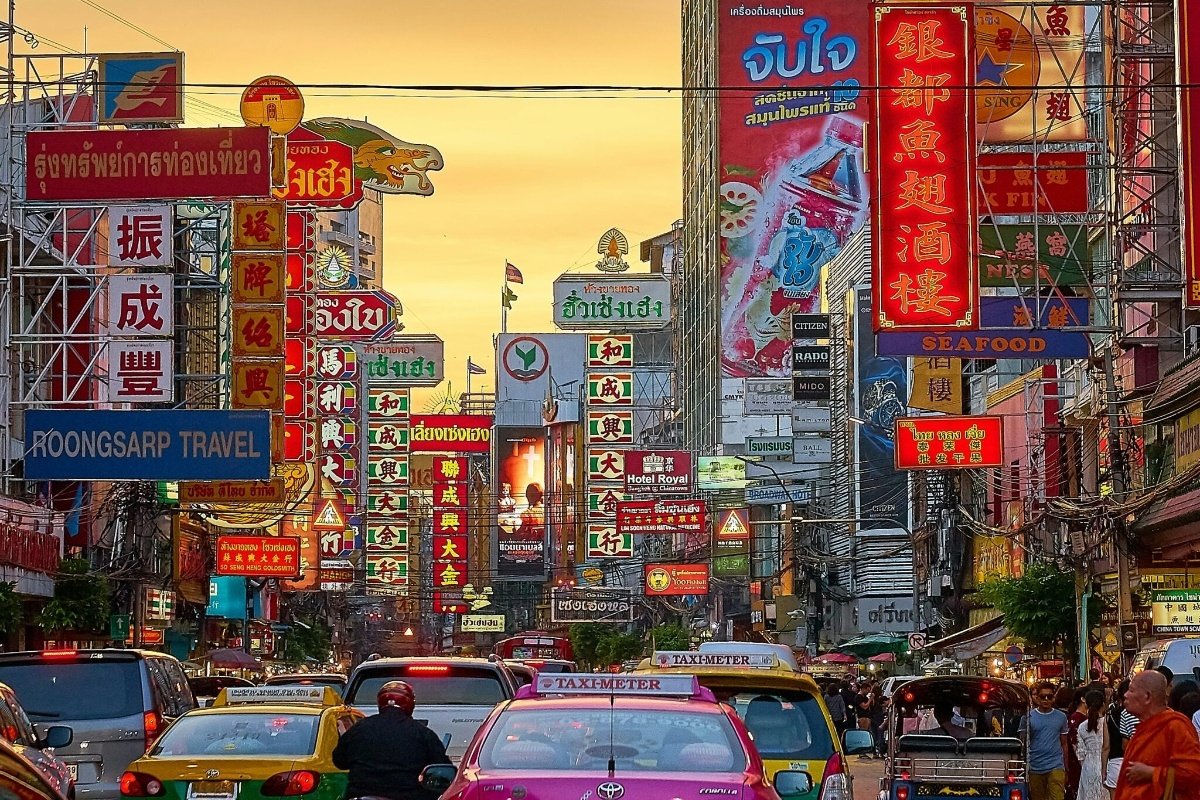
Bangkok does not ease you in gently. It hits you all at once. The golden spires of ancient temples catch the morning sun. The smell of street food drifts from every corner. Tuk-tuks weave through impossibly dense traffic. And yet, somehow, it all makes perfect sense. Bangkok is controlled chaos at its finest. Moreover, in 2026, the Thai capital has never been a more exciting place to explore.
According to recent tourism insights, Bangkok remains one of the most-visited cities on the planet. In fact, travel data suggests it has consistently ranked among the world’s top five most popular urban destinations for the past decade. In 2026, the city is welcoming a new generation of travellers. These visitors want more than a quick selfie in front of a temple. They want depth, discovery, and genuine connection.
This guide covers the top 10 must-see attractions in Bangkok for 2026. Furthermore, each section highlights new visitor trends, sustainability efforts, and practical tips specific to this year. So whether this is your first visit or your fifth, read on — Bangkok still has surprises in store.
You may also like: If you’re flying with Qantas or planning award travel from the UK/Australia, check our guide Qantas Frequent Flyer Explained: Is It Worth It in 2026?
Why Bangkok in 2026 Is Worth Your Time
Bangkok has always rewarded curious travellers. However, in 2026, the city has invested heavily in making that experience smoother and more meaningful. Digital ticketing systems have reduced queuing at major sites. Additionally, crowd management improvements have made the busiest landmarks far more enjoyable. Furthermore, sustainability initiatives are now embedded across the city’s tourism sector.
Industry data suggests that visitors to Bangkok in 2026 are staying longer and spending more intentionally than in previous years. As a result, the city’s cultural and experiential offerings have expanded to meet that demand. Above all, Bangkok remains one of the best-value major cities in the world. So let us dive into the top ten attractions you absolutely cannot miss.
| Airline | Route | Duration | Layovers / Stops | Price | Action |
|---|---|---|---|---|---|
| Etihad Airways | LHR — BKK London Heathrow to Bangkok | 14 hr 25 min | 1 Stop — 55 min (AUH) | £448 | BOOK NOW |
| British Airways | LHR — BKK London Heathrow to Bangkok | 11 hr 50 min | Non-Stop | £863 | BOOK NOW |
| Emirates | LHR — BKK London Heathrow to Bangkok | 14 hr 40 min | 1 Stop — 1 hr 20 min (DXB) | £739 | BOOK NOW |
| Qatar Airways | LHR — BKK London Heathrow to Bangkok | 16 hr 15 min | 1 Stop — 2 hr 40 min (DOH) | £669 | BOOK NOW |
| SWISS | LHR — BKK London Heathrow to Bangkok | 33 hr 10 min | 1 Stop — 20 hr 25 min (ZRH) | £943 | BOOK NOW |
ⓘ Note: All flight data and pricing are verified for the 2026 travel season. Please note that flight durations and layovers are subject to airline schedule updates. #ad — Sunset Weekly may earn a commission if you book via these links. See our affiliate disclosure.
1. The Grand Palace — Bangkok’s Most Magnificent Landmark
Google Rating: 4.6/5 Address: Phra Borom Maha Ratchawang, Phra Nakhon, Bangkok 10200
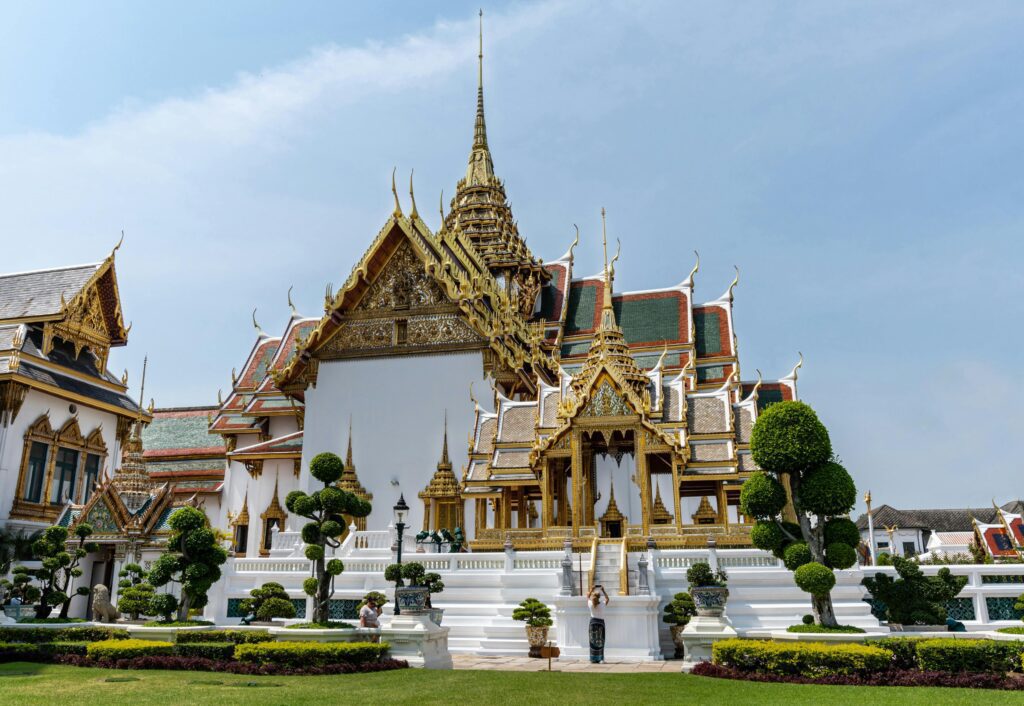
The Grand Palace is where Bangkok’s story truly begins. Built in 1782, this vast royal complex served as the official residence of the Thai King for over 150 years. Today, however, it functions as a living symbol of Thai nationhood, spirituality, and artistic heritage. It remains the single most visited attraction in all of Thailand.
The scale of the complex is extraordinary. It covers over 218,000 square metres. Moreover, it houses dozens of individual buildings, halls, pavilions, and gardens. Each structure is decorated with intricate mosaic tilework, gilded rooftops, and hand-painted murals. Consequently, it is genuinely impossible to take it all in on a single visit.
Within the complex, Wat Phra Kaew — the Temple of the Emerald Buddha — is the absolute highlight. This sacred temple houses a revered jade Buddha figure that has been at the spiritual centre of Thai royal life for centuries. Furthermore, the surrounding murals depicting scenes from the Ramakien epic are considered masterworks of Thai art.
In 2026, a new digital ticketing system has been fully implemented at the Grand Palace. As a result, long ticket queues have been significantly reduced. Timed entry windows are now available via the official website. Additionally, a refreshed audio guide app has launched in twelve languages. Therefore, the experience is now far more accessible to international visitors than before.
Practical tip: Dress modestly — shoulders and knees must be covered. Sarong hire is available at the entrance for a small fee. Furthermore, arrive before 9am to experience the site before the largest tour groups arrive.
2. Wat Pho (Wat Phra Chetuphon) — Temple of the Reclining Buddha
Google Rating: 4.7/5 Address: 2 Sanam Chai Rd, Phra Nakhon, Bangkok 10200
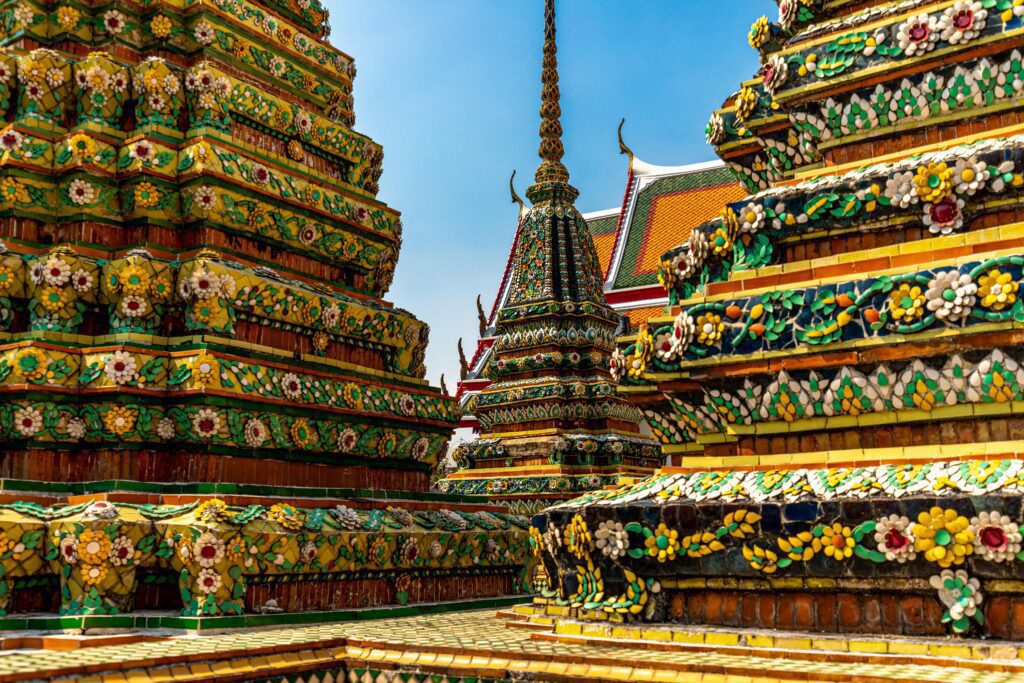
Wat Pho is one of the oldest and most beloved temple complexes in Bangkok. It predates the Grand Palace itself. Moreover, it is home to one of the most astonishing sights in all of Southeast Asia — the giant Reclining Buddha. This gleaming golden figure stretches 46 metres in length and stands 15 metres tall. It fills an entire purpose-built hall so completely that you must walk its full length just to take it in.
The soles of the Buddha’s feet are among the most remarkable details in the whole complex. They are inlaid with 108 auspicious symbols rendered in mother-of-pearl. Each one carries spiritual significance within Thai Buddhist tradition. Consequently, the feet alone are worth a long, careful look.
Beyond the Reclining Buddha, Wat Pho is also the birthplace of traditional Thai massage. The temple complex houses Thailand’s first public university, where massage has been taught for centuries. In 2026, the on-site massage school remains fully operational. Notably, it is widely considered the most authentic place in Bangkok to receive a traditional Thai massage. The price is exceptional for the quality delivered.
Wat Pho is a short walk from the Grand Palace. Therefore, most visitors combine both sites into a single morning. In 2026, combined digital ticketing for both attractions has been introduced. As a result, planning your visit has become even more straightforward.
Practical tip: The compound is large. Wear comfortable walking shoes. Additionally, early morning light inside the main buildings is particularly beautiful for photography.
3. Wat Arun — The Temple of Dawn
Google Rating: 4.7/5 Address: 158 Thanon Wang Doem, Wat Arun, Bangkok Yai, Bangkok 10600
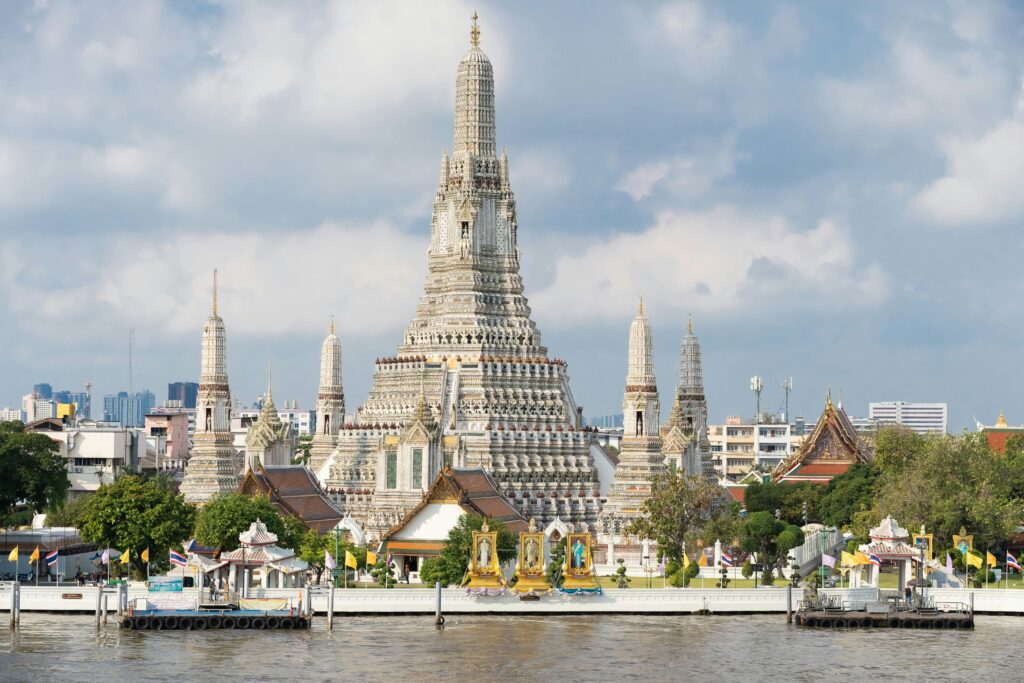
Wat Arun stands on the west bank of the Chao Phraya River. Its distinctive tower — covered in thousands of fragments of colourful ceramic and porcelain — is one of the most recognisable silhouettes in Asia. Furthermore, it is particularly magical at dawn and at dusk, when the light catches every surface differently.
The name Wat Arun translates as the Temple of Dawn. However, it is arguably even more spectacular at sunset. Viewed from the opposite bank, with the river reflecting its colours, the image is genuinely extraordinary. In 2026, a dedicated riverfront viewing terrace on the eastern bank has been enhanced. As a result, photographers now have a purpose-built area from which to capture the famous view.
The main prang (tower) reaches 81 metres into the sky. Visitors can climb it via steep stairways. Consequently, the views over the Chao Phraya River and the Bangkok skyline are superb. The climb requires care, but it is well worth the effort.
Wat Arun is easily reached by ferry from Tha Tien pier, directly opposite. Moreover, the short river crossing is a pleasure in itself. The ferry takes under two minutes and costs just a few Thai Baht. In 2026, contactless payment has been introduced at all major Chao Phraya ferry piers. Therefore, travellers no longer need to carry exact change.
Practical tip: Visit in the late afternoon. That way, you can catch sunset colours on the tower and then see it illuminated after dark on the return ferry.
4. Chatuchak Weekend Market — The World’s Greatest Market
Google Rating: 4.4/5 Address: 587, 10 Kamphaeng Phet 2 Rd, Chatuchak, Bangkok 10900
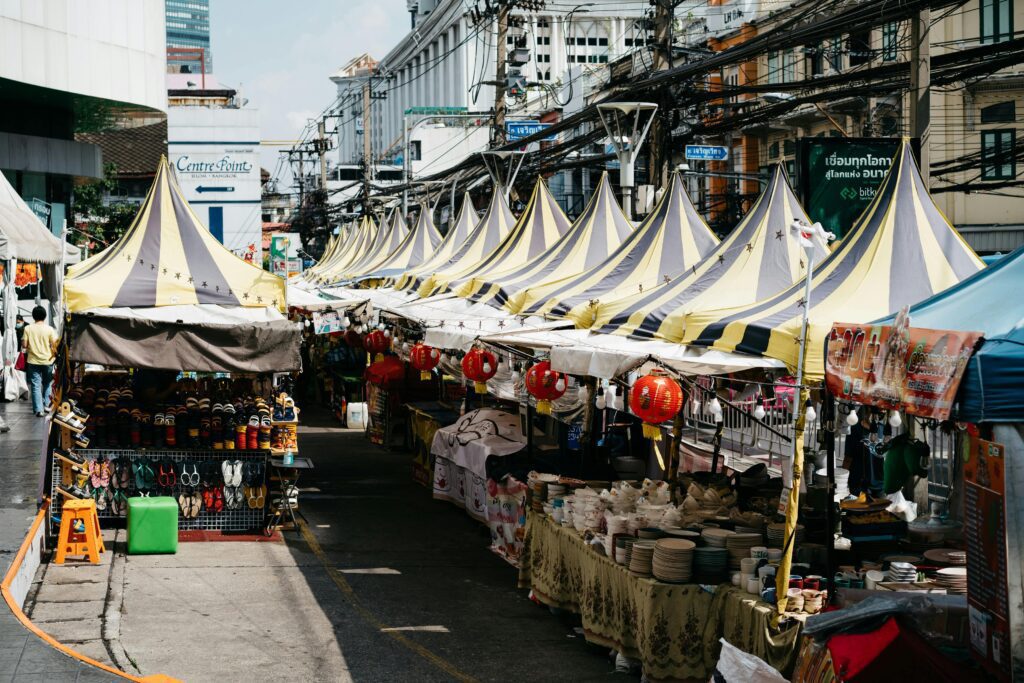
Chatuchak Weekend Market is simply the largest weekend market on Earth. It covers over 35 acres. Furthermore, it contains more than 8,000 stalls across 27 sections. Everything imaginable is for sale here — antiques, handmade clothing, street food, plants, ceramics, vintage vinyl records, handwoven textiles, and live pets. Moreover, the sheer human energy of the place is an attraction in itself.
According to recent travel data, Chatuchak attracts over 200,000 visitors on a single busy weekend day. As a result, navigating it requires some preparation. Download a map of the market’s sections before arriving. Additionally, wear light clothing — it gets extremely warm inside the covered sections by mid-morning.
In 2026, a new visitor orientation hub has been introduced at the main Kamphaeng Phet entrance. It provides a digital map, a lost-and-found service, and a currency exchange facility. Consequently, first-time visitors can navigate more confidently. Furthermore, a growing number of stalls now accept card payments and QR code transfers. That said, cash is still king in the deeper market sections.
The market operates on Saturdays and Sundays from approximately 9am to 6pm. Additionally, a smaller plant and flower section opens on Fridays. For food lovers, the market’s street food alley is unmissable. In particular, freshly made mango sticky rice, grilled skewers, and cold Thai iced tea are essential stops.
Practical tip: Arrive when the market opens at 9am. Midday crowds are intense. Moreover, the BTS Skytrain stops directly at Mo Chit station, making it extremely easy to reach from anywhere in central Bangkok.
5. Chinatown Bangkok (Yaowarat) — A Feast for Every Sense
Google Rating: 4.5/5 Address: Yaowarat Rd, Samphanthawong, Bangkok 10100
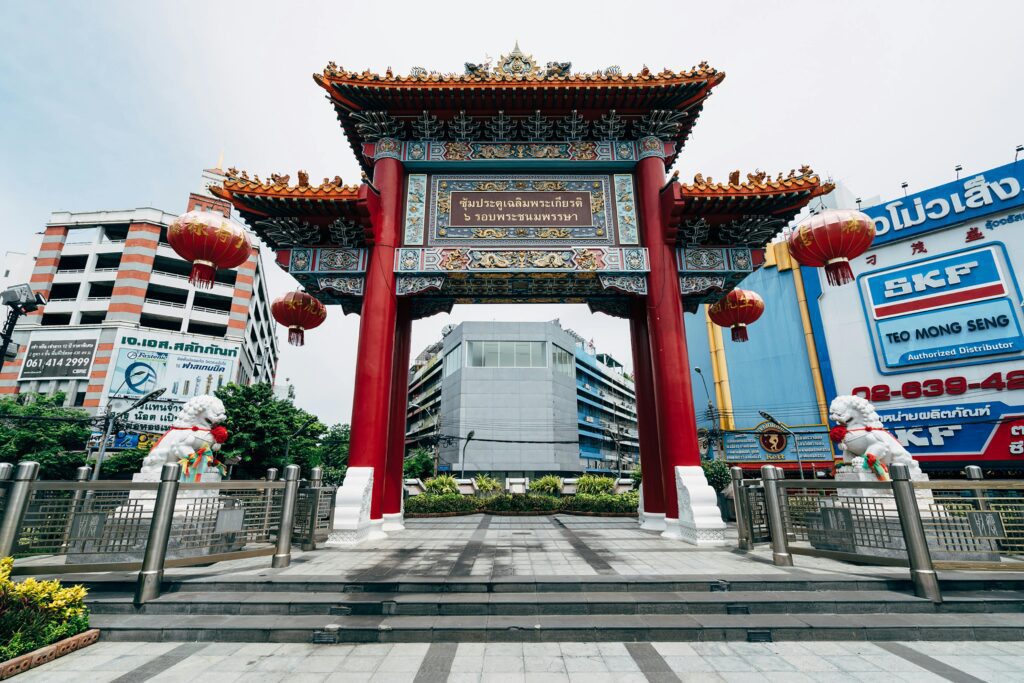
Bangkok’s Chinatown, known locally as Yaowarat, is one of the oldest and most atmospheric districts in the entire city. The Chinese community has been part of Bangkok’s fabric since the city’s founding in the 18th century. Consequently, the culture, food, and architecture here feel deeply rooted rather than performative.
Yaowarat Road glows gold and red at night. Neon signs advertise gold merchants, seafood restaurants, and herbal medicine shops. The street food scene here is legendary. In fact, several Yaowarat street food vendors have been recognised in international culinary guides for their extraordinary quality. The roasted duck, bird’s nest soup, and fresh oyster omelettes are particularly famous.
In 2026, the Bangkok Metropolitan Administration has improved pedestrian infrastructure in Yaowarat. Wider footpaths and improved lighting have made evening visits more comfortable and safer. Furthermore, guided food walking tours have expanded significantly. These are now available in over ten languages and can be booked digitally in advance. As a result, the area is more accessible to first-time visitors than ever before.
Yaowarat is best experienced after dark. Therefore, plan your visit for early evening. The energy builds steadily from around 6pm. Moreover, the area is easily accessible via the MRT underground from Hua Lamphong station.
Practical tip: Come hungry. Pace yourself. Additionally, try to arrive on a weekday evening rather than a weekend. Crowds are still lively but significantly more manageable on weeknights.
You may also like: Food lovers should also read our 10 Must-Have Street Foods in the Philippines (2026 Guide) for more delicious inspiration.
6. Khaosan Road — The Backpacker Strip That Refuses to Fade
Google Rating: 4.1/5 Address: Talat Yot, Phra Nakhon, Bangkok 10200
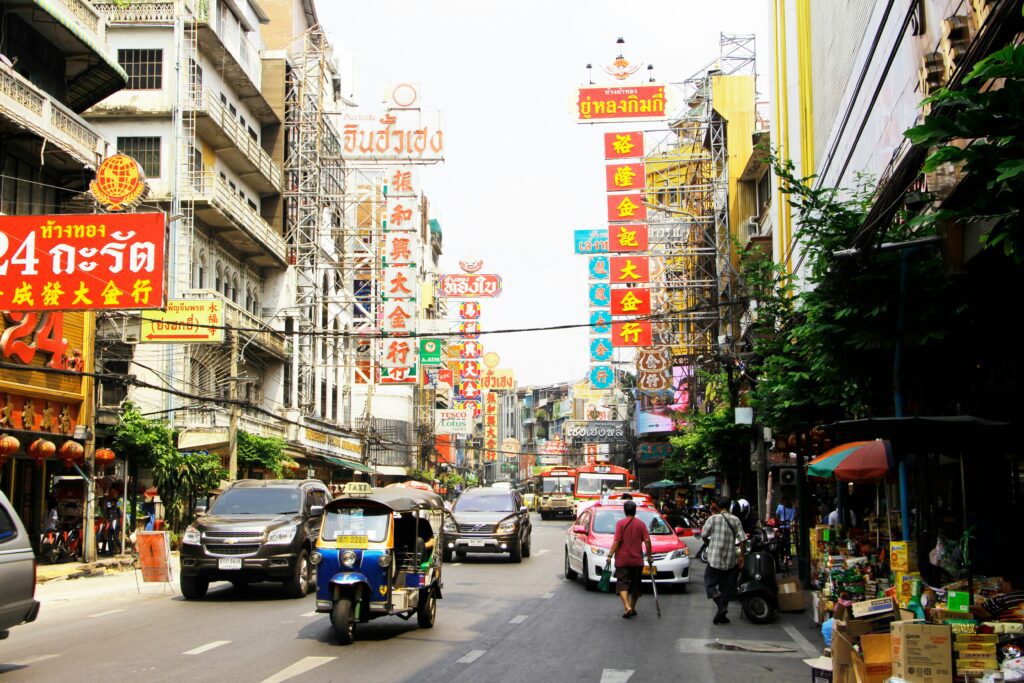
Khaosan Road has been the beating heart of Bangkok backpacker culture for decades. It is loud, colourful, unapologetically commercial, and absolutely electric after dark. Furthermore, it remains one of the most internationally diverse streets anywhere in Asia. On any given evening, you will hear a dozen languages within a single block.
In 2026, Khaosan Road has undergone a notable evolution. The street has become cleaner and better managed than in previous years. Additionally, a broader range of dining options — from craft beer bars to rooftop restaurants — has joined the traditional guesthouses and street food stalls. As a result, Khaosan now caters to a wider range of travellers, not just budget backpackers.
That said, the raw energy of the place is intact. Live music spills out from every bar. Street vendors sell pad thai, insects, and fresh fruit in equal measure. Tarot readers, tattoo artists, and travel agents jostle for space on the pavement. Nevertheless, Khaosan remains one of the great spectacles of Bangkok street life.
It is worth noting that Khaosan is an experience rather than a landmark. Therefore, wander rather than plan. Arrive in the early evening and let the street take you where it will. Moreover, the surrounding Banglamphu neighbourhood — with its canals, temples, and local markets — is worth exploring in the daytime.
Practical tip: Khaosan Road is within easy walking distance of the Grand Palace. Consequently, pairing both into a single day is very natural. Explore the temples in the morning, then return to Khaosan in the evening.
7. King Power Mahanakhon — Bangkok’s Most Thrilling Viewpoint
Google Rating: 4.7/5 Address: 114 Naradhiwas Rajanagarindra Rd, Si Lom, Bang Rak, Bangkok 10500
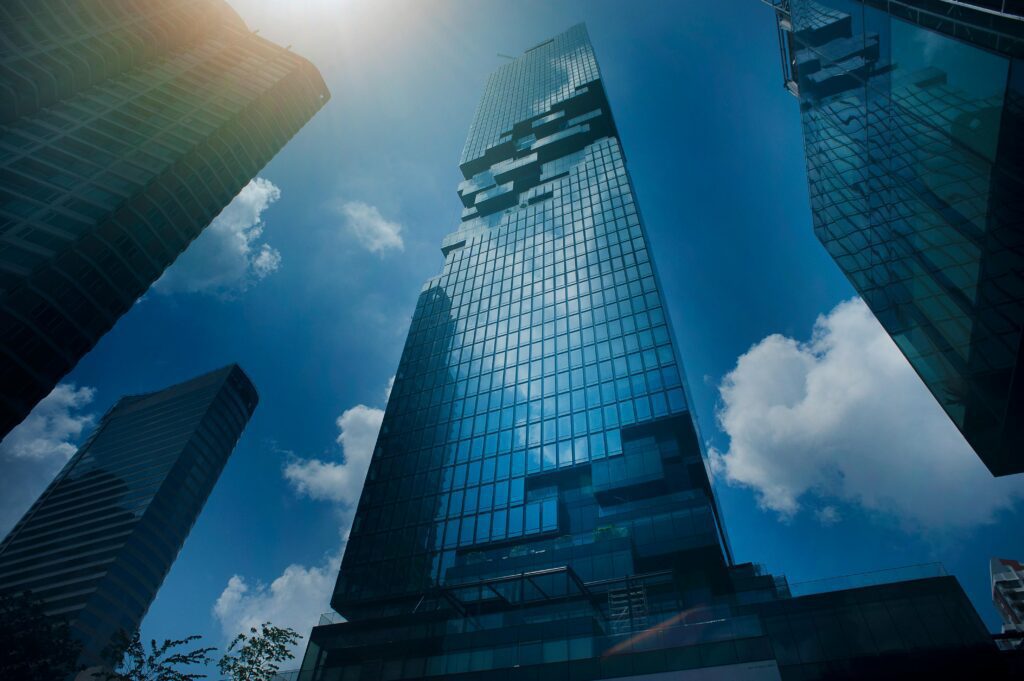
King Power Mahanakhon is Bangkok’s tallest building. It soars 314 metres above the city streets. Moreover, it features one of the most dramatic observation deck experiences in all of Asia. The glass-floored SkyWalk at the summit is genuinely breathtaking. Stepping onto a transparent floor with the Bangkok skyline visible 300 metres below is a sensation that is difficult to describe — and impossible to forget.
The building’s pixelated exterior is an architectural icon in itself. Furthermore, the observation experience in 2026 has been enhanced with augmented reality features. Using your smartphone or a provided device, you can identify landmarks across the panorama in real time. Additionally, historical overlays show how the Bangkok skyline has evolved over the past century. As a result, the visit becomes genuinely educational as well as visually spectacular.
The rooftop bar and restaurant provide an excellent option for sunset drinks. Industry data suggests that sunset timeslots at Mahanakhon book out days in advance during peak season. Therefore, plan ahead. Digital booking through the official website is straightforward and strongly recommended.
Practical tip: Visit on a clear weekday morning for the best visibility across the city. Furthermore, the BTS Skytrain’s Chong Nonsi station is directly connected to the building. Getting there is therefore extremely simple from anywhere on the BTS network.
8. Benjakitti Forest Park — Bangkok’s Green Escape
Google Rating: 4.6/5 Address: Ratchadaphisek Rd, Khlong Toei, Bangkok 10110
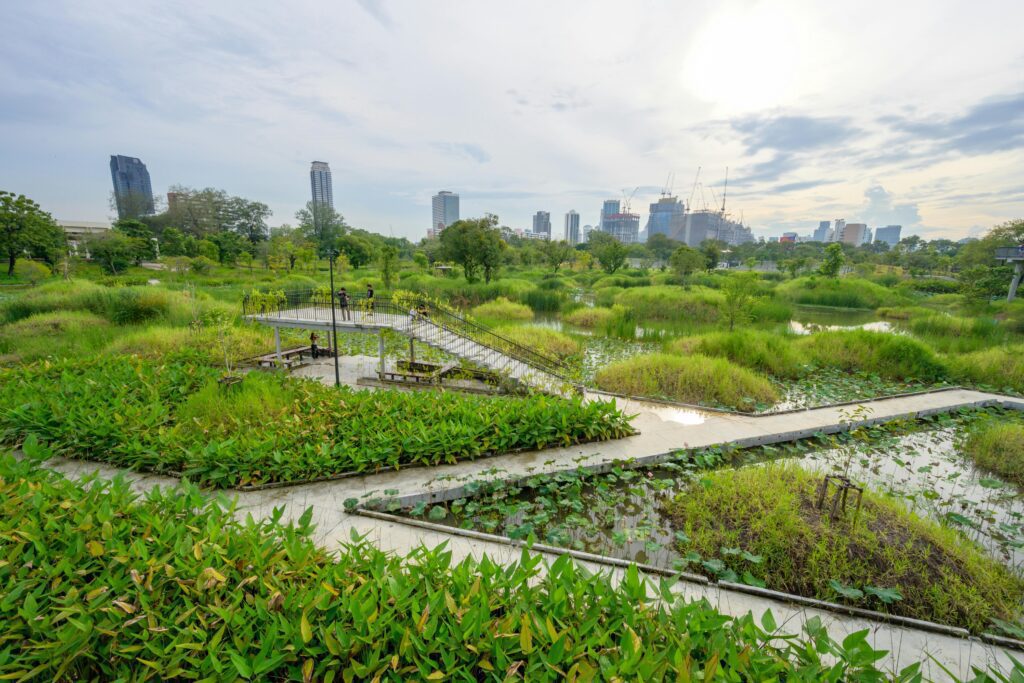
Benjakitti Park has been one of Bangkok’s most loved green spaces for years. However, in 2021 it was dramatically expanded with the opening of Phase 2 — transforming it into the Benjakitti Forest Park. This new section adds a genuine urban forest experience to the city’s offering. Consequently, it has become one of the most popular recreational destinations in Bangkok for both locals and visitors.
The park now spans over 450 acres. Furthermore, it features elevated walkways through the forest canopy, cycle paths, jogging tracks, and waterway boardwalks. The contrast with the surrounding urban landscape is remarkable. Just metres from major roads and office towers, you are walking through a dense, birdsong-filled green canopy. As a result, the park offers a genuine moment of restoration in an otherwise relentless city.
In 2026, Benjakitti Forest Park has become a model for urban sustainability in Southeast Asia. According to recent environmental tourism insights, the park’s approach to urban greening has attracted significant international attention. Additionally, it has inspired similar initiatives across other Thai cities. Free to enter and open daily from 5am to 8pm, it is accessible, welcoming, and deeply calming.
For families in particular, the park is outstanding. Children’s play areas, café spots, and bicycle hire stations are spread throughout. Moreover, early morning visits — when mist sometimes clings to the water — are exceptionally beautiful.
Practical tip: The park is a short walk from MRT Queen Sirikit National Convention Centre station. Furthermore, bicycle hire is available near the main entrance for a small daily fee. It is the ideal way to explore the full circuit.
9. ICONSIAM — Where Shopping Becomes an Experience
Google Rating: 4.7/5 Address: 299 Charoen Nakhon Rd, Khlong San, Bangkok 10600
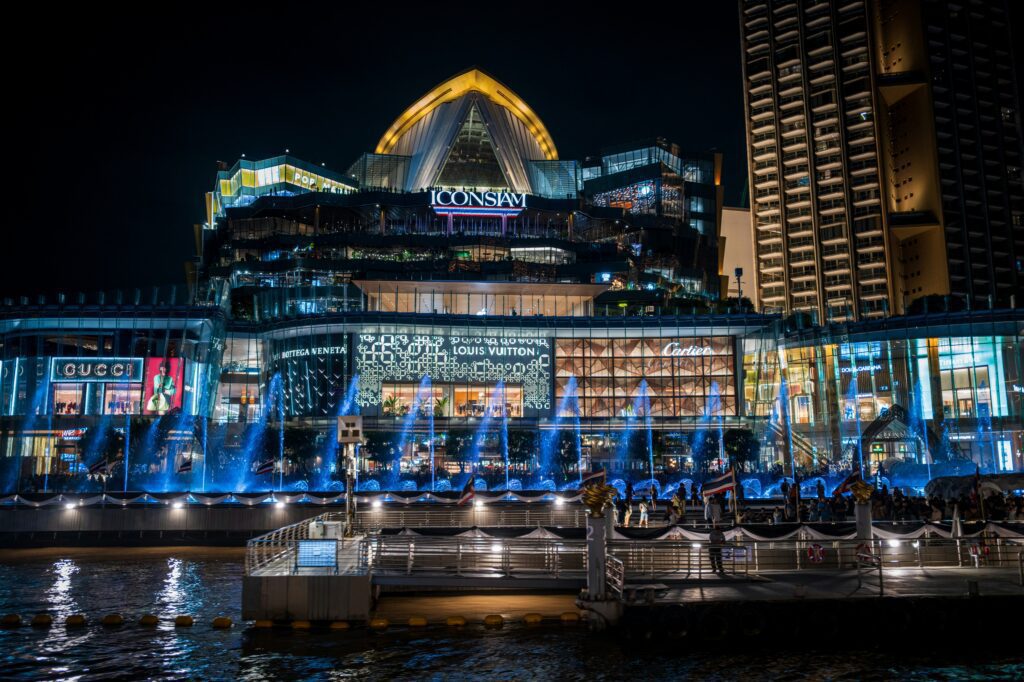
ICONSIAM is not simply a shopping mall. It is one of the most spectacular retail and cultural complexes in the world. Situated on the banks of the Chao Phraya River, it combines high-end international brands with a genuinely extraordinary celebration of Thai culture and craftsmanship. Furthermore, the building itself is architecturally remarkable — a sweeping, luminous structure that glows along the riverside at night.
The centrepiece of ICONSIAM is SookSiam — a 3,000-square-metre indoor Thai village experience that recreates the atmosphere of a traditional floating market. Here, regional food, handicrafts, and artisanal products from across all 77 Thai provinces are presented under one roof. Consequently, SookSiam functions simultaneously as a market, a cultural exhibition, and an extraordinary street food destination.
In 2026, ICONSIAM has expanded its sustainability commitments significantly. Solar-powered elements, reduced single-use plastics, and a food waste reduction programme are now operational across the complex. Additionally, the mall hosts regular cultural events, art installations, and Thai festival celebrations throughout the year. As a result, repeat visits always offer something new.
Getting to ICONSIAM is part of the experience. Furthermore, free shuttle boats run from multiple Chao Phraya piers, including Sathorn (Central Pier). The riverboat approach, with Bangkok’s skyline behind you and the gleaming mall ahead, is a genuinely cinematic arrival.
Practical tip: Combine ICONSIAM with Wat Arun. Both are on the same side of the river. Therefore, a single day trip covering both is very natural and highly rewarding.
10. Siam Paragon — Bangkok’s Premier Urban Lifestyle Destination
Google Rating: 4.5/5 Address: 991 Rama I Rd, Pathum Wan, Bangkok 10330
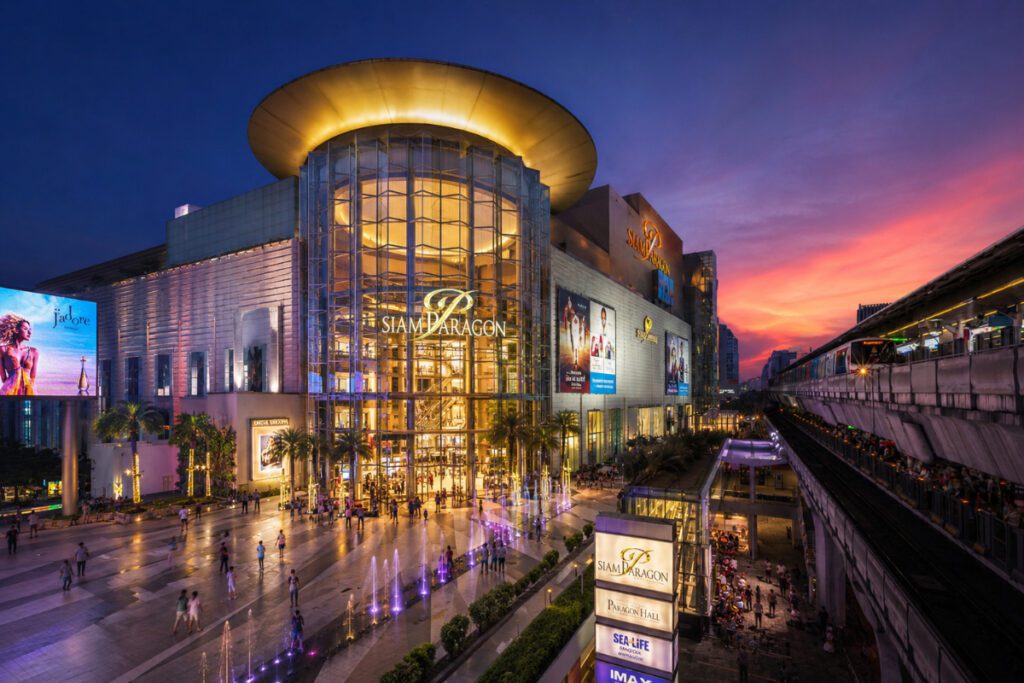
Disclaimer: This is an AI-generated interpretation inspired by the architecture of Siam Paragon and is not an official photograph.
Siam Paragon sits at the heart of Bangkok’s modern commercial district and represents the city’s cosmopolitan energy perfectly. It is home to luxury retail, a world-class cinema complex, the Sea Life Ocean World aquarium, and some of the finest dining in central Bangkok. Moreover, it connects seamlessly to the broader Siam shopping district, which includes Siam Center and Siam Discovery. As a result, the entire area functions as a vast, air-conditioned urban playground.
The Sea Life Bangkok Ocean World, located in Siam Paragon’s basement, is one of the largest aquariums in Southeast Asia. It is particularly excellent for families. In 2026, the Ocean World has introduced a new conservation education programme. This programme teaches visitors about marine ecosystems and Thailand’s coastal sustainability challenges. Furthermore, interactive digital displays have been upgraded throughout the facility.
Siam Paragon also regularly hosts major events, including fashion weeks, car launches, cultural exhibitions, and food festivals. Therefore, checking the events calendar before your visit is worthwhile. You may time your trip to coincide with something extraordinary.
The location is hard to beat. Siam BTS station connects directly to the mall. Additionally, the surrounding Siam Square area — with its independent boutiques, street food vendors, and youth fashion culture — is excellent for an evening wander.
Practical tip: The food halls on the basement level offer an outstanding range of Thai and international cuisine at very fair prices. Moreover, the upper restaurant floors feature some of Bangkok’s most acclaimed chef-driven restaurants. Budget visitors and fine diners are equally well served here.
You may also like: Before booking your trip, read our AXA Travel Insurance UK Review: Coverage, Costs and How It Actually Works to find the right protection.
Beyond the Top 10: Bangkok’s 2026 Emerging Experiences
The ten attractions above are essential. However, Bangkok’s appeal in 2026 extends considerably further. Here are a few additional experiences worth noting.
The Chao Phraya Tourist Boat: This hop-on, hop-off river ferry connects many of Bangkok’s most important cultural sites. Furthermore, it is a wonderful way to see the city from the water. In 2026, new audio guides are available onboard in multiple languages.
Lumphini Park: Bangkok’s original green lung. It is smaller than Benjakitti Forest Park. Nevertheless, it has tremendous charm, particularly in the early morning when locals practise tai chi beside the central lake.
Bangkok’s Street Food Scene: According to culinary travel data, Bangkok consistently ranks as one of the world’s top street food cities. In 2026, the city’s approach to street food zoning has matured. Designated street food areas are cleaner and better managed. Moreover, digital maps of the best vendors are now widely available through tourism apps.
Practical Travel Guide: Bangkok 2026
Best Time to Visit: The cool and dry season runs from November through February. This is the most comfortable period for exploring outdoor sites. However, the shoulder months of October and March offer good weather with fewer crowds. Furthermore, hotels are noticeably more affordable outside the peak December–January window.
Getting Around: Bangkok’s BTS Skytrain and MRT underground are fast, affordable, and air-conditioned. They connect most of the major attractions listed in this guide. Additionally, the Chao Phraya Express Boat is an excellent way to access riverside temples and markets. Ride-hailing apps are widely available and reliable throughout the city.
Digital Payments: In 2026, Bangkok has embraced digital payments at a rapid pace. Most major attractions, restaurants, and shopping malls accept cards and QR code payments. However, smaller street markets and some ferry services still prefer cash. Therefore, keep a modest amount of Thai Baht on hand at all times.
Health and Safety: Bangkok is a very safe city for tourists. Nevertheless, standard precautions apply. Use licensed taxis or ride-hailing apps rather than unmarked vehicles. Additionally, stay hydrated — the heat and humidity can be intense, particularly between March and May.
Temple Etiquette: Dress respectfully at all temple sites. Shoulders and knees must be covered. Moreover, remove shoes before entering any temple building. Speak quietly and avoid pointing feet toward Buddha images. These are fundamental expressions of respect in Thai Buddhist culture.
Conclusion: Bangkok in 2026 Is a City That Gives and Gives
Bangkok is one of those cities that never fully reveals itself on a single visit. Every return trip surfaces something new. In 2026, however, the city is presenting itself with greater confidence and clarity than ever before. Ancient cultural landmarks stand preserved and celebrated alongside modern architectural triumphs. Street food culture thrives alongside world-class fine dining. Furthermore, the city’s green spaces are expanding, its transport is improving, and its welcome is as warm as it has ever been.
Whether you spend three days or three weeks here, Bangkok will reward your curiosity completely. It is loud and tender in equal measure. Moreover, it is thrilling and peaceful, ancient and cutting-edge, all at once. That is, ultimately, what makes it one of the greatest cities in the world.
In 2026, the only question is: which of the top ten do you explore first?
Start Planning Your Bangkok 2026 Trip Today
The best Bangkok experiences book out weeks in advance. Temple tours, rooftop dining, and guided food walks fill up quickly — particularly from November through February. Furthermore, accommodation at the most sought-after riverside properties is increasingly limited as Bangkok’s global reputation grows.
Book early. Plan thoughtfully. Travel respectfully. Above all, allow Bangkok to surprise you. Because it will — every single day.
Thailand is calling. And in 2026, Bangkok has never been more ready to deliver.
Bangkok 2026 — Frequently Asked Questions
Reviewed by Ammara Azmat, Senior Travel Mobility Analyst (12+ years experience covering Southeast Asia travel infrastructure). LinkedIn · Verified against official Thai Immigration, TDAC, FCDO, and ABTA sources, June 2026.
Ammara Azmat notes: “The single most common mistake UK travellers make in 2026 is arriving at Bangkok immigration without a completed TDAC. It is mandatory, takes five minutes online, and is completely free — yet it still catches people out at the border. Do it within 72 hours of departure and save yourself the queue.”
Before You Travel: TDAC and Visa Requirements
What are the entry requirements for Bangkok in 2026? All foreign nationals must complete the Thailand Digital Arrival Card (TDAC) online within 72 hours before arrival — this mandatory digital form replaced the paper TM6 card on 1 May 2025 and is free at the official Thai Immigration website. In addition, travellers must hold a passport valid for at least six months beyond their arrival date. Border officers may also ask for a return or onward ticket, confirmed accommodation, and proof of sufficient funds. Scam websites charge for TDAC submission — the official portal charges nothing.
Do I need a visa to visit Thailand in 2026? Citizens of 93 eligible countries currently receive visa-free entry for up to 60 days when arriving by air, or 30 days by land. However, Thai authorities announced a review in April 2026 and may reduce the air visa-free period to 30 days — no change has been enacted as of June 2026. Verify the current policy at the Thai Ministry of Foreign Affairs before booking. For those who need longer stays, a 30-day extension costs 1,900 THB at an immigration office. The FCDO’s Thailand travel guidance at gov.uk/foreign-travel-advice/thailand is updated in real time and is the most reliable source for UK travellers.
At the Border: Documents and Proof of Funds
What documents should I carry when entering Bangkok? Carry your passport, TDAC confirmation (saved as a screenshot and in your email), return or onward ticket, and hotel booking confirmation. Border officers typically scan your TDAC QR code first, then check passport validity and visa status. Therefore, keep all documents easily accessible on your phone and in printed form as backup. Travellers arriving from Yellow Fever endemic regions in Africa or South America within the previous 14 days must also carry proof of Yellow Fever vaccination.
How much money should I show at immigration? Thailand requires proof of funds of 20,000 THB per person or 40,000 THB per family for visa-exempt entry — figures that were updated in May 2025 when authorities reinstated this requirement. Accepted evidence includes cash in Thai Baht, recent bank statements, or credit card statements showing available credit. Checks are not applied to every arrival, but failure to demonstrate funds can result in denial of entry.
Money, ATMs and Budgeting
What should I know about money and budgeting in Bangkok? Bangkok is increasingly digital, but cash remains essential for street food, markets, local transport, and smaller vendors. International visitors generally cannot register for Thai e-wallets such as TrueMoney without a local ID, so carrying a combination of cash and cards is the practical approach. For currency exchange, SuperRich and Value Plus offer the best city-centre rates — significantly better than airport counters. Exchange only what you need for the first day at the airport, then visit a city branch for better rates. Always bring your passport, as most exchange offices require it.
Are ATMs easy to find in Bangkok, and what do they charge? ATMs are widely available throughout Bangkok. However, most Thai bank ATMs charge a foreign withdrawal fee of around 220–250 THB per transaction. AEON Bank ATMs charge a lower fee of approximately 150 THB and consequently represent better value for multiple withdrawals. To reduce overall fees, withdraw larger amounts less frequently rather than smaller amounts repeatedly. Major bank ATMs from Bangkok Bank and Kasikorn Bank are reliable and widely located in malls, 7-Eleven stores, and BTS stations.
Connectivity and Getting Around
How can I stay connected in Bangkok? Buying a tourist SIM card on arrival is the most cost-effective option. AIS, TrueMove H (which merged with DTAC in 2023 to form True Corporation), and the DTAC Happy Tourist SIM are all available at both Suvarnabhumi and Don Mueang airport arrivals halls and in 7-Eleven stores citywide. SIM registration requires your passport. AIS offers the most consistent coverage across Thailand, while TrueMove H and DTAC provide strong performance in Bangkok specifically. Alternatively, an eSIM purchased before departure activates mobile data immediately on landing — useful if you want Grab and Google Maps working the moment you clear customs.
What is the best way to get around Bangkok? The BTS Skytrain is consistently the most-reviewed transport system in Southeast Asia on Tripadvisor, holding 4.5 stars across more than 49,000 traveller reviews — a volume that reflects its status as the default choice for visitors navigating central Bangkok. Combined with the MRT subway, it connects the majority of tourist areas, hotels, and shopping districts while bypassing Bangkok’s notorious road traffic entirely. For door-to-door journeys, Grab gives you a fixed price before you book, which removes meter disputes and flat-rate scams. Bolt is a cheaper alternative for shorter trips. Tuk-tuks are iconic but should always be negotiated before you board.
Bangkok’s Most-Visited Attractions: What the Numbers Say
Bangkok consistently ranks among the most-reviewed cities in Asia on Tripadvisor, with over 2.37 million reviews across its hotels, restaurants, and attractions as of 2026. The volume of verified traveller feedback across Bangkok’s key sites provides a reliable independent signal of what delivers and what disappoints.
The data from Tripadvisor’s Bangkok destination page as of June 2026:
| Attraction | Tripadvisor Rating | Review Count | What travellers consistently say |
|---|---|---|---|
| Wat Pho (Reclining Buddha) | 4.6 / 5 | 51,492 reviews | Most cite the scale of the reclining Buddha and the relative calm versus the Grand Palace next door. Early morning visits (before 09:00) draw consistent praise for shorter queues. |
| BTS Skytrain | 4.5 / 5 | 49,291 reviews | Praised overwhelmingly for reliability and air conditioning. Most critical reviews cite overcrowding during rush hour and limited luggage space — plan accordingly. |
| Wat Arun (Temple of Dawn) | 4.4 / 5 | 21,541 reviews | Views across the Chao Phraya River are the highlight. Sunset visits rated higher than morning. |
| Chatuchak Weekend Market | 4.3 / 5 | 18,358 reviews | Consistent advice: arrive before 10:00 to avoid peak heat and crowd density, and bring cash as many stalls do not accept cards. |
| The Grand Palace | 4.2 / 5 | 36,079 reviews | Travellers consistently flag two issues: the “closed today” tuk-tuk scam near the entrance, and the dress code enforcement. Carry a light scarf regardless of what you are wearing. |
Source: Tripadvisor Bangkok destination page, June 2026. Review counts and ratings are aggregate public data, not reproduced review content.
Culture, Safety and Laws
What etiquette should I follow in Bangkok? Dress modestly when entering temples — shoulders and knees must be covered. Thai culture places strong significance on the head, which is considered sacred, and the feet, which are considered the least respectful. Never touch anyone on the head and avoid pointing your feet at people, monks, or Buddha images. Remove shoes before entering temple buildings and private homes. These customs are genuinely important to Thai people, not merely tourist guidelines — treat them accordingly.
Are there any laws I should be aware of? Thailand enforces strict lèse-majesté laws — any comment, gesture, or social media post that authorities interpret as disrespectful toward the monarchy is a criminal offence carrying a prison sentence of up to 15 years. This applies to foreigners and has resulted in tourist prosecutions. Additionally, avoid stepping on religious offerings placed on pavements. The FCDO specifically flags lèse-majesté as a serious risk for UK travellers at gov.uk/foreign-travel-advice/thailand/safety-and-emergencies. Possession of certain prescription medications common in Western countries may also require documentation — check the Thai FDA list before travelling with prescribed drugs.
How safe is Bangkok for tourists? Bangkok is generally safe for tourists, but common scams are worth knowing before you arrive. The most frequently reported involves tuk-tuk drivers claiming that a major attraction is “closed today” and redirecting visitors to a gem shop or tailor — this is always a scam, confirmed by both the FCDO and Tripadvisor’s Bangkok forum. Furthermore, keep valuables secure in crowded areas such as Chatuchak Market and BTS stations during peak hours. Use Grab rather than hailing taxis on the street to avoid meter disputes and flat-rate overcharging.
Water, Weather and Timing
Can I drink tap water in Bangkok? No. Tap water in Bangkok is not safe to drink directly. However, bottled and filtered water is widely available and inexpensive throughout the city — 7-Eleven and Family Mart stores stock it from around 7 THB per 600ml bottle. Many hotels provide complimentary filtered water for refilling bottles, which reduces both cost and plastic consumption.
When is the best time to visit Bangkok? The most comfortable visiting period runs from November to February, when temperatures cool slightly to 25–32°C and humidity drops relative to the rest of the year. Bangkok is hot and humid year-round, so lightweight breathable clothing is essential regardless of when you travel. March to May brings the hottest temperatures, often exceeding 35°C. June to October is the monsoon season — expect afternoon downpours, though these rarely last more than an hour or two and cool the city noticeably afterwards.
Getting to and from the City
How do I get from the airport to central Bangkok? Suvarnabhumi Airport (BKK), where most international flights land, connects to central Bangkok via the Airport Rail Link (ARL). The City Line runs to Phaya Thai BTS station in approximately 28–30 minutes for a flat fare of 45 THB. From Phaya Thai, connect directly to the BTS Skytrain network to reach most central areas. The ARL operates daily from 06:00 to midnight — it does not run 24 hours. Late-night arrivals after midnight must therefore use a metered taxi or Grab.
For groups of two or more, or travellers with heavy luggage, a metered taxi from the official Level 1 taxi stand is often more practical than the train. Metered taxis from Suvarnabhumi to central Bangkok cost approximately 300–450 THB plus a 50 THB airport surcharge and toll fees. Grab from the airport costs a similar amount but shows you a fixed price before you confirm — consequently, most experienced travellers prefer it over kerb-hailing. Do not engage with taxi touts in the arrivals hall, as they routinely charge two to three times the metered rate.
Entry requirements, visa rules, and transport details verified against official Thai Immigration, TDAC, ABTA, and FCDO sources, June 2026. Always check current requirements at thaiembassy.org or the Thai Ministry of Foreign Affairs before travel, as policies can change with limited notice.
Sunset Weekly is an independent travel and lifestyle publication. This article may contain affiliate links — see our affiliate disclosure policy. Editorial content is not influenced by commercial relationships.
Editorial & Accuracy Standards
- Expert Review:
Ammara Azmat,
Senior Travel Mobility Analyst (12+ years experience) - Status: Verified for accuracy against official 2026 service data and real-time traveller reports.
- Our Process: This content follows our Fact-Checking Policy.