

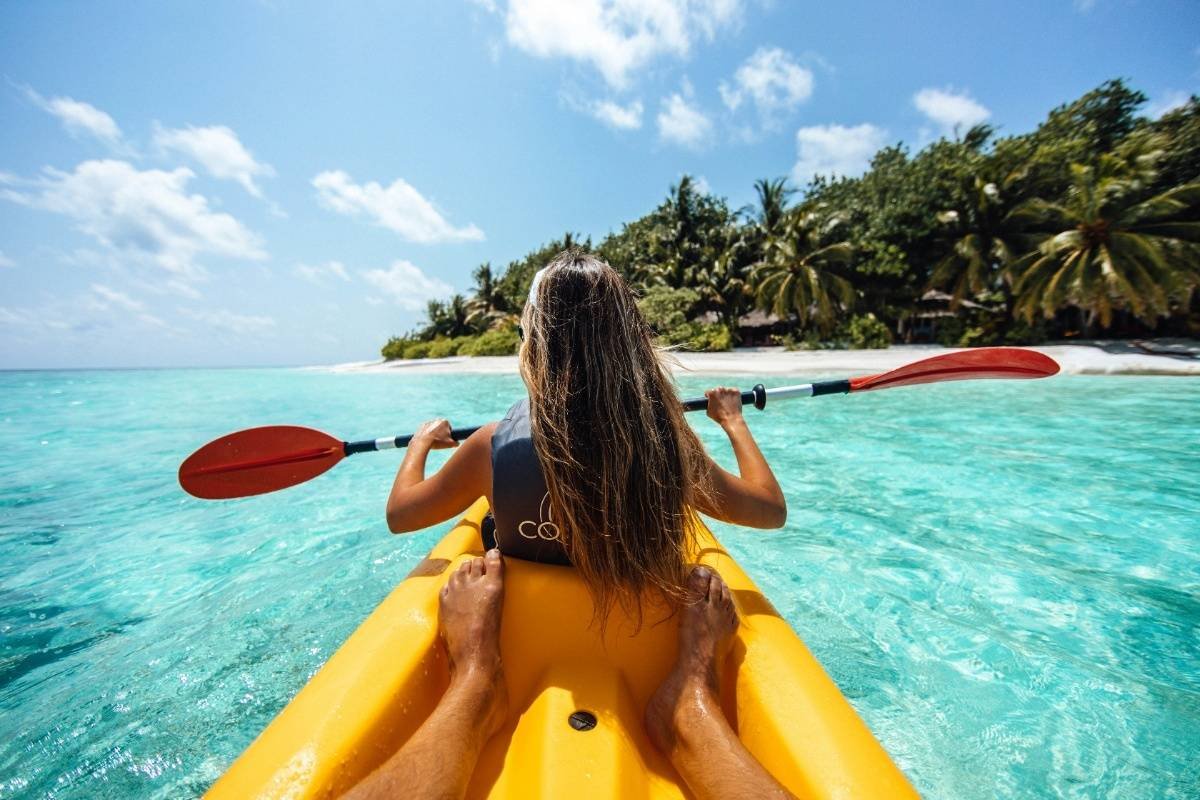
Last Updated: May 2026 | Reading Time: ~12 minutes
Sunset Weekly Quick Answer:
Best Things to Do in the Maldives in 2026
The Maldives in 2026 offers snorkelling with whale sharks, island-hopping between atolls, sunset dhoni cruises, and overwater villa stays across resorts in North Malé, South Malé, and Baa Atoll. Alongside classic activities, visitors can join coral restoration programmes and marine conservation tours at an increasing number of low-impact resorts. The dry season runs November to April, making it the most reliable period for UK travellers planning the trip.
Why It Matters: The Maldives has broadened its appeal beyond luxury honeymoon packages — coral conservation experiences and mid-range guesthouse islands such as Maafushi now make the destination accessible to a wider range of budgets and travel styles.
Key Traveller Takeaway: UK travellers should book dry-season trips well in advance, as demand for both overwater villas and conservation-focused experiences peaks between December and March.
Why the Maldives in 2026 Is Different from Any Year Before
The Maldives has always been synonymous with barefoot luxury. However, the travel landscape here has shifted decisively. According to recent tourism insights from the Maldives Tourism Ministry, visitor numbers hit record highs in 2024 and 2025. This surge was driven by growing interest in sustainable tourism. Additionally, a new wave of eco-resort openings played a major role. Travellers also increasingly demanded immersive, meaningful experiences — not just relaxation.
In 2026, travellers are not simply arriving to lie on a beach. They are coming to engage. They connect with the ocean, with local communities, and with conservation science. Furthermore, cutting-edge resort technology is now part of the equation. The Maldives has responded with a wave of new offerings. Above all, these experiences marry natural splendour with genuine purpose.
Here is what awaits you.
1. Stay in an Overwater Villa — But Make It Next-Level
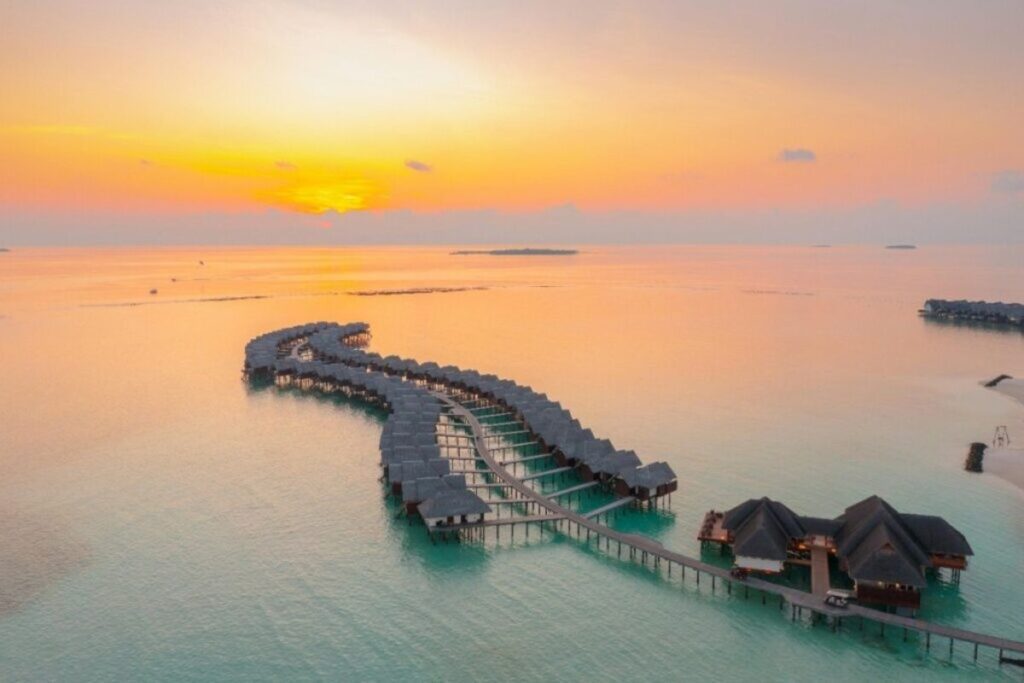
No trip to the Maldives is complete without an overwater bungalow. In 2026, however, these iconic structures have evolved far beyond their original blueprint. Several resorts have unveiled AI-integrated villas. In these villas, lighting, temperature, and butler services are managed through voice-controlled smart systems. Some are powered by multilingual AI assistants. Notably, these systems learn your preferences throughout your stay.
Resorts across North Malé Atoll, Baa Atoll, and Lhaviyani Atoll now offer glass-floor panels. These illuminate the reef life beneath your feet at night. In addition, infinity plunge pools extend off private sun decks. Direct ladder access to the lagoon is also a standard feature at many properties.
For couples in particular, these villas offer an unmatched sense of seclusion. Waking at dawn to watch rays glide beneath you is truly special. Then sipping coffee as the sun rises over the horizon makes it unforgettable. Simply put, the experience is incomparable.
Insider tip for 2026: Look for resorts that completed major refurbishments in the past 12–18 months. The newest overwater accommodation combines biophilic design with sustainable materials. For example, reclaimed timber and recycled ocean plastics are now widely used.
You may also like: When booking your flights from the UK, be sure to check our KrisFlyer 2026: Singapore Airlines Tiers, Earning & LHR Award Guide for great award flight options.
2. Dive Into Marine Conservation Tourism
One of the most significant trends in the Maldives in 2026 is marine conservation tourism. These are holidays built around actively protecting the ocean. Industry data suggests that eco-conscious travel choices have increased dramatically. As a result, the Maldives has positioned itself at the forefront of this movement.
Coral Restoration Programmes
Several resorts and dive operators now offer structured coral gardening workshops. In these sessions, guests transplant coral fragments onto underwater nurseries. These are not token exercises. In fact, guests work alongside marine biologists and learn to identify coral species. They also contribute to long-term reef restoration data. Moreover, many programmes issue a certificate of participation. After returning home, you can track your coral’s growth via an online portal.
Manta Ray and Whale Shark Research Expeditions
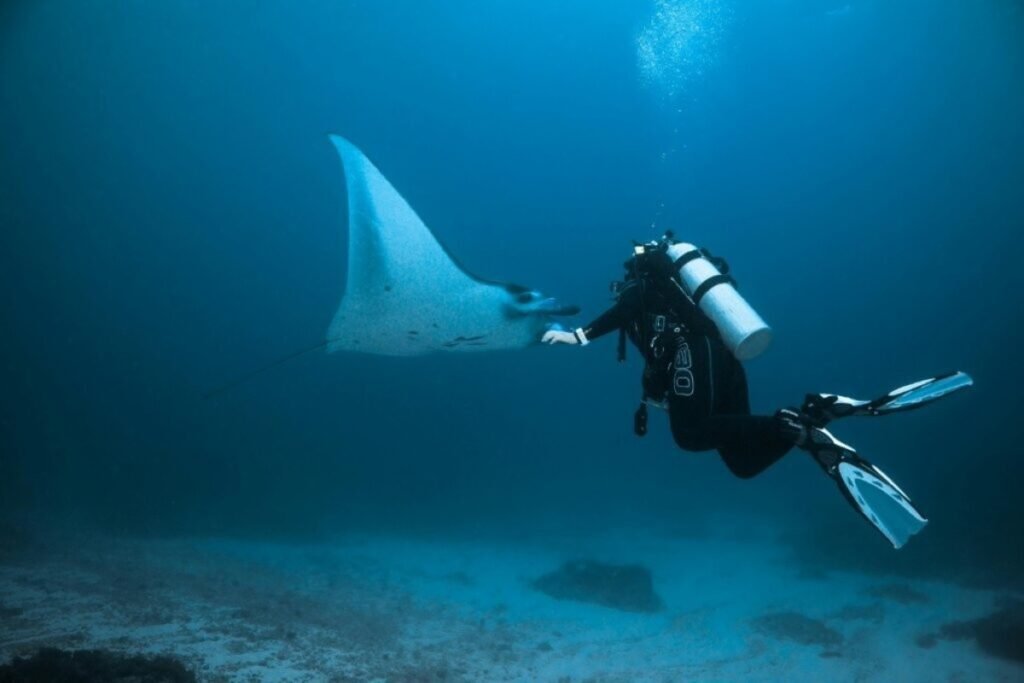
The Maldives is one of the world’s most reliable destinations for whale sharks and manta rays. In 2026, operators have worked with conservation bodies to introduce low-impact expedition formats. For example, group sizes are smaller and passive observation techniques are used. Additionally, strict no-touch protocols protect the animals’ wellbeing. Yet these encounters remain genuinely transformative.
According to marine research findings published in 2024, South Ari Atoll hosts resident whale sharks year-round. Consequently, it is one of the only places on Earth with year-round sightings. Snorkelling alongside a whale shark is extraordinary. These creatures can exceed twelve metres in length. Nevertheless, they pose no threat to humans. Overall, it remains one of the most moving travel experiences on the planet.
Turtle Monitoring Nights
Certain protected islands serve as nesting grounds for hawksbill and green sea turtles. Trained naturalists lead nighttime turtle monitoring excursions. Small groups witness nesting or hatching events under strict guidelines. However, these programmes fill up months in advance. So if this is on your list, prioritise booking early.
3. Dine Underwater — Literally
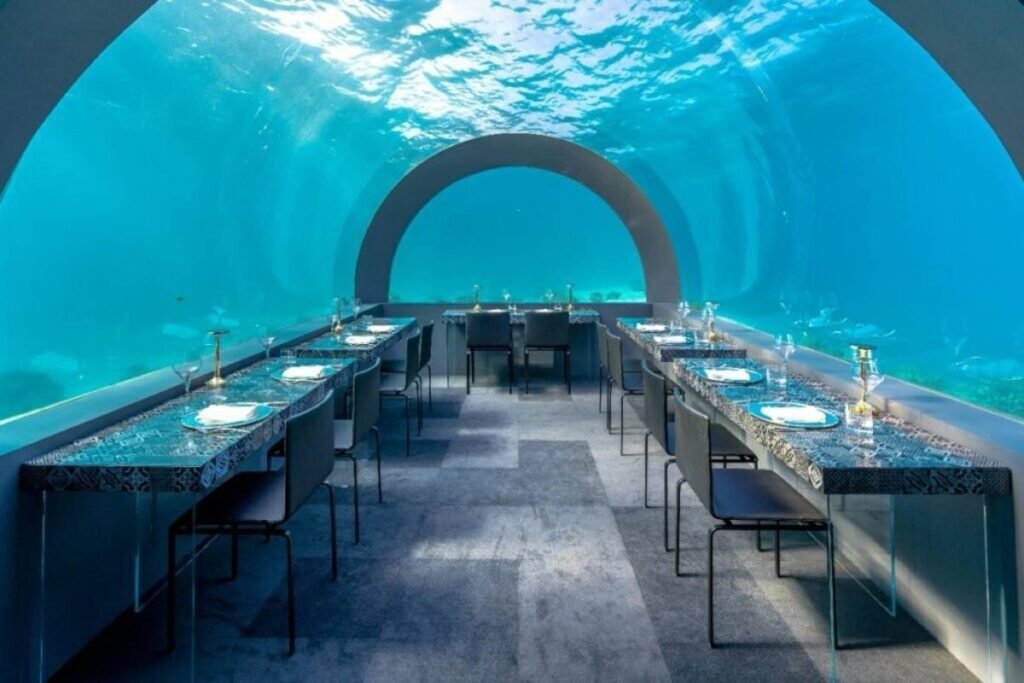
The Maldives introduced the world to underwater dining. In 2026, however, this experience has reached new heights of culinary ambition.
Submerged restaurants seat guests six to eight metres below the surface. Panoramic acrylic panels surround every table. Through them, reef fish, rays, and reef sharks drift past. These are not novelty venues. In fact, the kitchens are helmed by internationally acclaimed chefs. Furthermore, tasting menus have become seriously competitive on a global level.
What makes underwater dining special in 2026 is the marriage of local ingredients with world-class technique. Expect dishes built around freshly caught yellowfin tuna. Raw coconut preparations, indigenous spices, and farm-grown tropical produce also feature. Additionally, private underwater dining for couples has emerged as the ultimate romantic gesture. A table set exclusively for two, beneath the ocean, is simply unlike anything else.
4. Experience Sunrise Yoga and Holistic Wellness at Sea
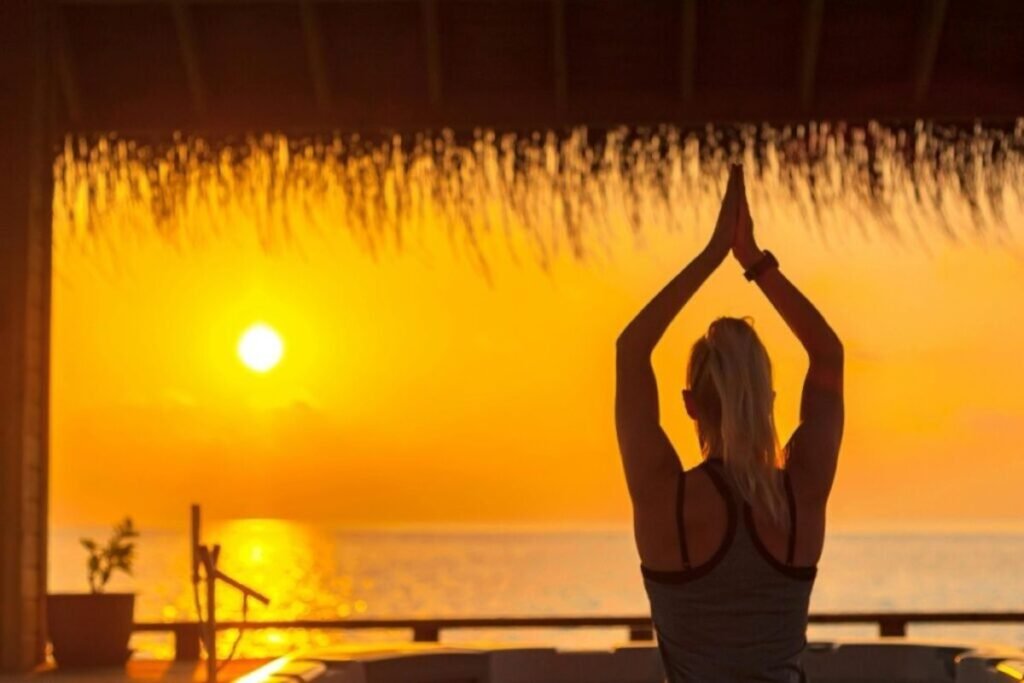
Wellness tourism in the Maldives has grown into a category of its own. In 2026, resorts across every atoll compete to offer the most restorative wellness programming in the world.
Sunrise yoga on a private floating platform is a near-transcendental experience. Nothing surrounds you but open ocean. The only sound is lapping water. Moreover, many resorts now offer full wellness retreats. These are built around Ayurvedic principles, sound healing, and breathwork. In addition, immersive nature therapy is increasingly popular. This involves guided meditation on sandbanks and sleep therapy programmes.
Spa facilities at leading Maldivian properties now rival those in Southeast Asia and Switzerland. Over-water treatment pavilions remain a signature feature. You can hear the ocean beneath you during a massage. Furthermore, some facilities have incorporated biometric feedback technology in 2026. As a result, therapists can tailor treatments in real time based on your physiological data.
5. Explore Local Island Culture — Beyond the Resort Bubble
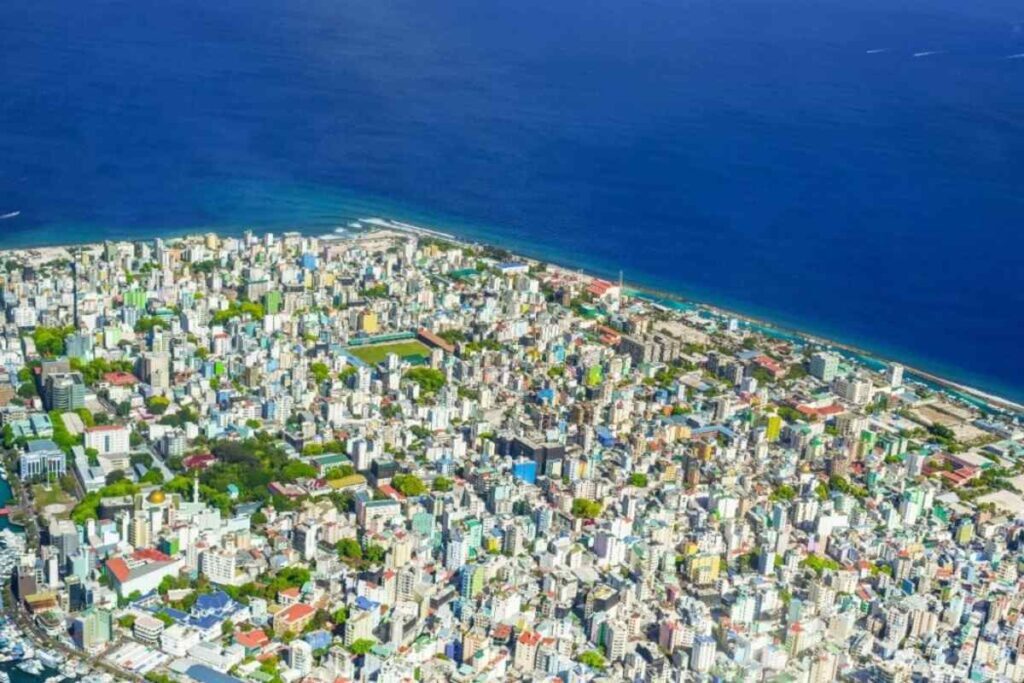
One of the most rewarding things to do in the Maldives in 2026 is to explore beyond the resort. In fact, stepping into real Maldivian life is one of the trip’s great surprises. Its people, history, and living traditions are fascinating.
Malé: The Capital That Surprises
Malé is a densely packed capital city. However, it rewards curious visitors enormously. The Grand Friday Mosque is a stunning example of contemporary Islamic architecture. It is built from white marble. It can also hold thousands of worshippers. The old harbour is equally compelling. There, traditional dhoni boats still bob alongside modern vessels. Consequently, a visit offers an authentic window into centuries of Maldivian life.
The local fish market near the harbour is a photogenic spectacle in the early morning hours. It is a reminder that the Maldives remains a deeply traditional fishing nation — beyond all the luxury resort branding.
Artisan Villages and Handicraft Workshops
On inhabited local islands, traditional crafts are still practised. These include lacquerwork (liyelaa), mat weaving, and wooden boat-building. Many islands are easily accessible by speedboat or ferry from resort hubs. In addition, several community tourism initiatives now connect resorts directly to local island visits. As a result, tourism spending increasingly benefits Maldivian communities rather than flowing only to international chains.
6. Surf the Maldivian Waves
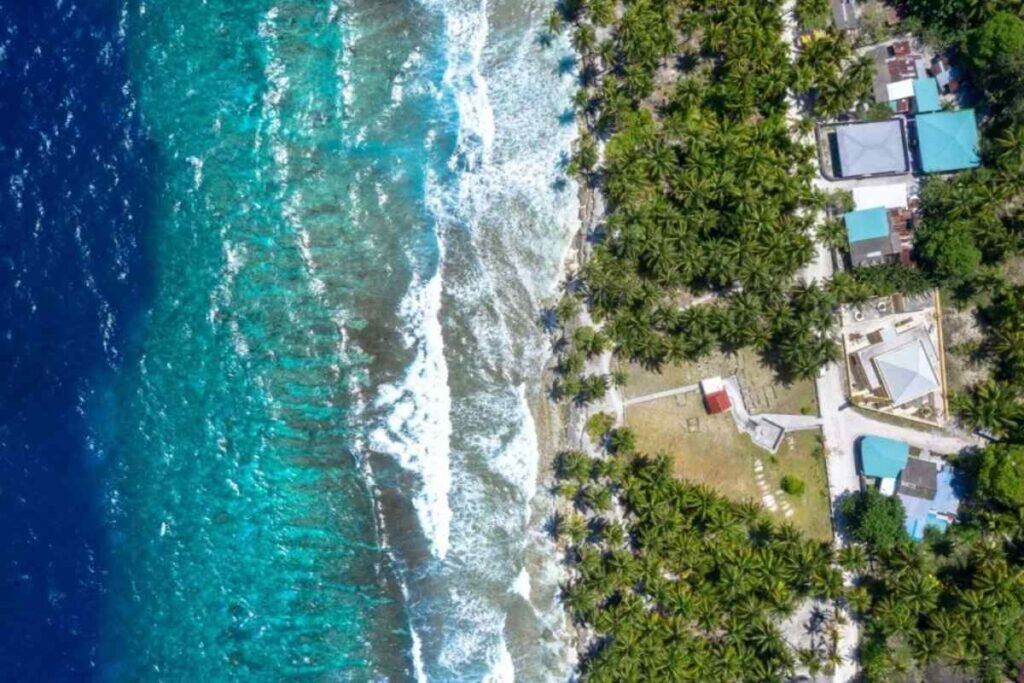
The Maldives is one of surfing’s best-kept open secrets. In 2026, however, surfing tourism here is more organised and accessible than ever before. Importantly, it has not lost the raw, uncrowded magic that makes it special.
The North Malé Atoll contains some of the most consistent left-hand reef breaks in the Indian Ocean. Swells arrive from both the southwest and northeast depending on the season. The surf season runs broadly from March through October. In particular, June and July offer peak conditions.
Dedicated surf resorts and live-aboard charters provide access to breaks inaccessible to day-trippers. Therefore, lineups remain uncrowded even during busy periods. For intermediate and advanced surfers, the Maldives in 2026 belongs firmly on the bucket list.
You may also like: For reliable internet throughout your trip, many travellers recommend checking our Holafly Review 2026: Best Unlimited Data eSIM with Always On Backup.
7. Take a Private Sunset Dhoni Cruise
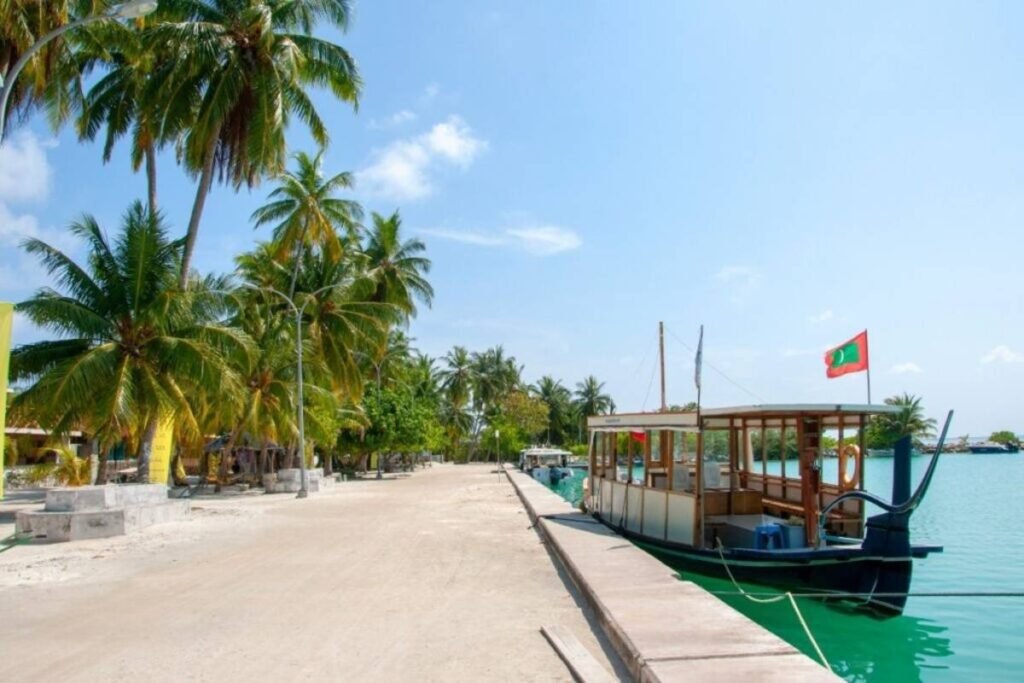
There is something irreducibly magical about a Maldivian sunset from a traditional dhoni boat. The dhoni has been central to Maldivian seafaring life for centuries. Today, however, it is frequently used as a private charter vessel for sunset excursions.
Dolphin-spotting cruises are especially popular as the sun lowers toward the horizon. Spinner dolphins frequently accompany dhoni boats in the early evening. They leap through the bow wave in the golden light. These are entirely natural, unscripted encounters. Nevertheless, they are breathtaking every single time.
For special occasions, many resorts arrange fully private dhoni charters with onboard catering. Fresh seafood and chilled Champagne come as standard. Meanwhile, the stars begin to emerge above the open ocean. The result is an evening that is almost impossible to forget.
8. Discover Night Snorkelling and Bioluminescence
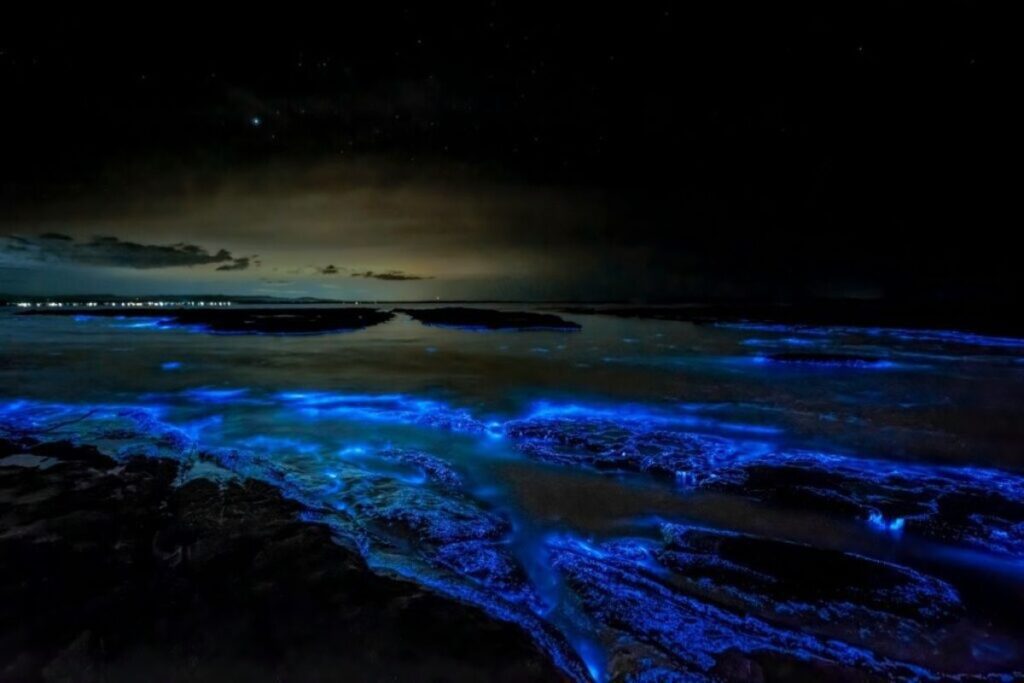
Perhaps the most otherworldly experience in the Maldives is night snorkelling in bioluminescent waters. This activity has surged in popularity through 2025 and into 2026. Certain beaches and lagoons — particularly on the outer atolls — produce a natural blue glow after dark. This is caused by phytoplankton reacting to movement in the water.
Walking along the shoreline at night creates bursts of ghostly blue light with every footstep. Similarly, wading into the shallows leaves trails of living light behind your hands. Furthermore, night snorkelling combines this phenomenon with extraordinary nocturnal marine life. Octopus, lionfish, sleeping parrotfish, and hunting reef sharks are regularly encountered after dark. In short, it is unlike anything you will experience anywhere else.
9. Try World-Class Freediving
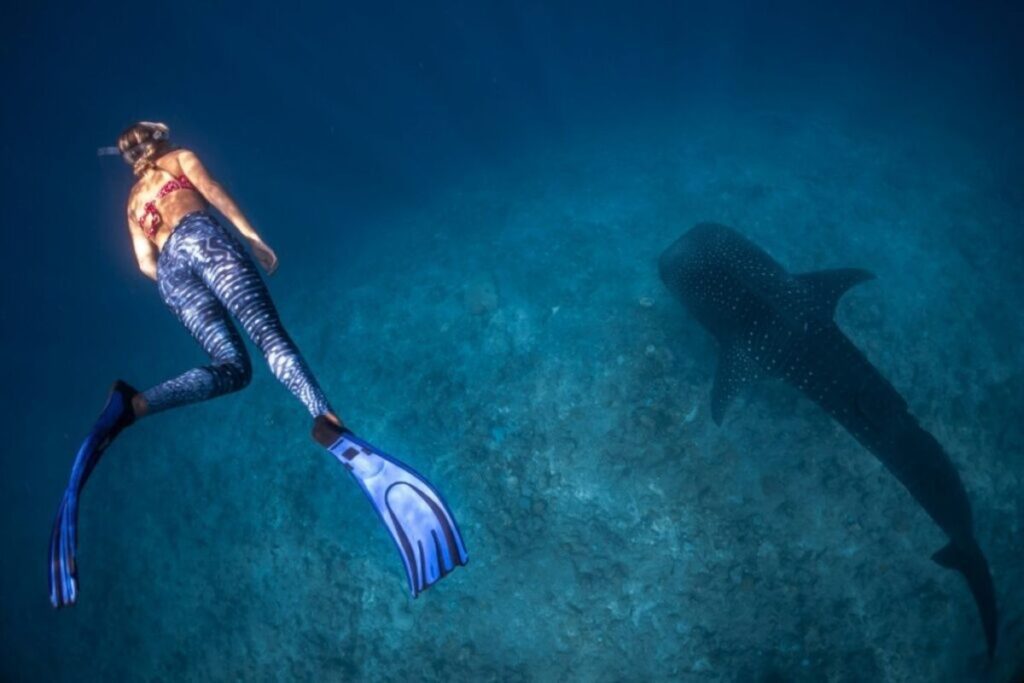
The Maldives has become one of the world’s premier freediving destinations. In 2026, the sport has found a passionate and growing community across the atolls. Freediving means diving underwater on a single breath, without scuba equipment. It requires training, discipline, and a profound relationship with breath and calm.
Several AIDA-certified freediving schools now operate across the Maldives. They offer courses from complete beginner to advanced level. The warm, clear water and abundant marine life make the Maldives ideal for training. Additionally, the dramatic underwater topography — steep walls, caverns, and channels — offers advanced divers superb environments.
Even for casual visitors, a taster experience is worthwhile. These supervised sessions take place in shallow, calm lagoon water. Moreover, many participants describe freediving as profoundly meditative. It offers an entirely different relationship with the ocean than scuba diving.
10. Sleep Under the Stars in an Overwater Glass Suite
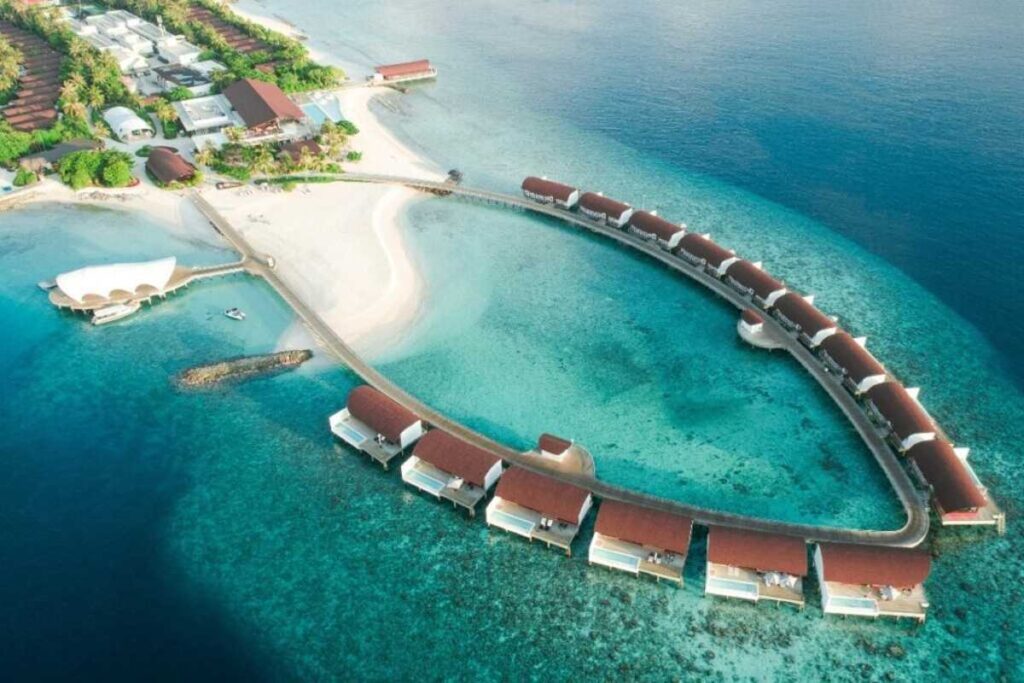
The Maldives has long mastered the art of sleeping over water. In 2026, however, a new evolution has arrived. Glass-roofed overwater suites are now designed specifically for stargazing.
These remarkable structures feature fully transparent ceilings above the bedroom. Consequently, guests can lie in bed and gaze directly upward at an unobstructed equatorial sky. There is no light pollution here. The sky is rich with stars invisible from most of the Northern Hemisphere. For example, the Southern Cross and the full core of the Milky Way are visible with the naked eye.
Some resorts have partnered with resident astronomers. These experts host evening sky-watching sessions. They narrate the myths and science behind the constellations. Meanwhile, shooting stars arc silently across the dark above you. It is, quite simply, one of the finest free shows on Earth.
11. Engage with AI-Enhanced Resort Experiences
Across the Maldives resort industry, 2026 has marked the widespread adoption of AI technology. This technology is designed to genuinely enhance the holiday experience. Importantly, it augments human hospitality rather than replacing it.
Personalised dining recommendations are generated from taste profiles gathered at check-in. Reef condition forecasting tools show you exactly which snorkel spots will have the clearest visibility the following morning. Smart concierge systems suggest activities based on your interests and the marine calendar. These cover whale shark season, manta aggregation windows, and turtle nesting periods. Additionally, underwater drone tours of the house reef can be controlled directly from your villa.
Industry data suggests that AI-enhanced guest experience tools have significantly improved satisfaction scores. This was evident across trial properties in 2024 and 2025. In particular, guests valued expert-level marine information available without waiting for staff. In 2026, this has become a standard feature of premium Maldivian hospitality rather than a novelty.
12. Kite Surf the Atolls
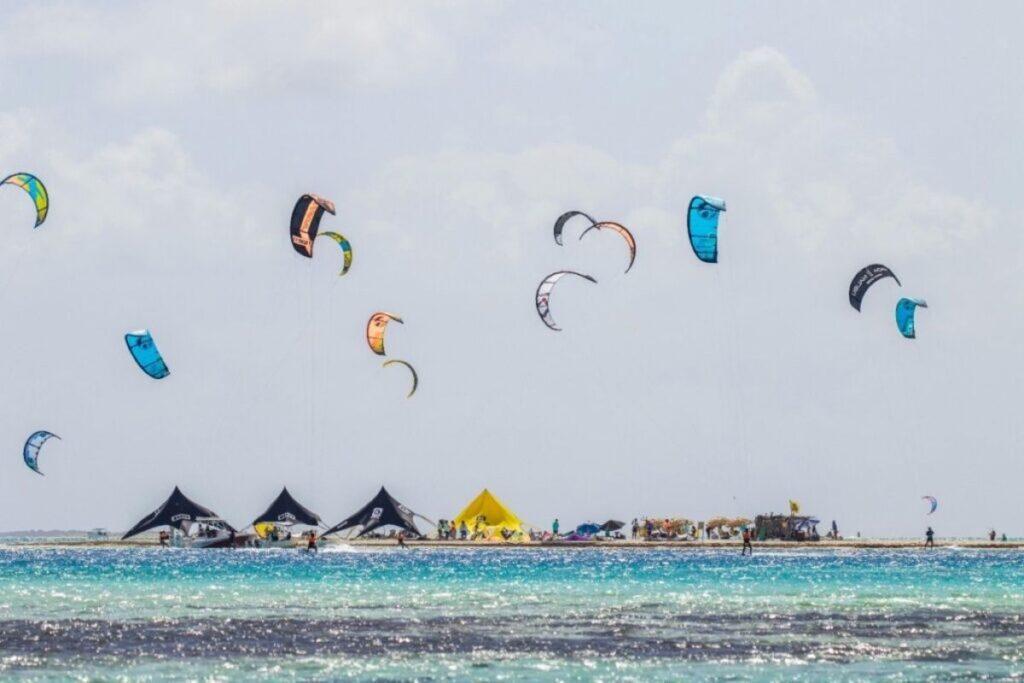
The flat lagoon waters between islands create near-perfect kitesurfing conditions. Furthermore, reliable trade winds sweep the Maldives from May through August. As a result, the kitesurfing scene here has expanded dramatically in recent years.
Several islands now host dedicated kitesurfing schools. These feature certified international instructors, equipment rental, and beginner-friendly training zones. For experienced riders, the experience is hard to beat. Kiting across a lagoon of impossible blue, with no crowds and warm water, is simply extraordinary. Moreover, the backdrop is one of the most beautiful on the planet.
| Airline | Route | Duration | Layovers / Stops | Price | Action |
|---|---|---|---|---|---|
| Etihad Airways | LHR — MLE London to Malé | 12 hr | 50 min Abu Dhabi (AUH) | £325 | BOOK NOW |
| Qatar Airways | LHR — MLE London to Malé | 20 hr | 8 hr 40 min Doha (DOH) | £530 | BOOK NOW |
| Emirates | LHR — MLE London to Malé | 12 hr 40 min | 1 hr 35 min Dubai (DXB) — Overnight | £705 | BOOK NOW |
| Singapore Airlines | LHR — MLE London to Malé | 19 hr 45 min | 1 hr 55 min Singapore (SIN) | £2,187 | BOOK NOW |
| Air France | LHR — MLE London to Malé | 15 hr 50 min | 4 hr 10 min Zurich (ZRH) | £1,159 | BOOK NOW |
ⓘ Note: Airspace closure may affect flight paths and durations. All prices verified for 2026 seasonal bookings and subject to carrier availability. #ad — Sunset Weekly may earn a commission if you book via these links. See our affiliate disclosure.
Practical Guide: When to Visit the Maldives in 2026
The Maldives has two primary seasons. Understanding them helps you plan smarter.
Dry Season (November–April): This is peak season. Seas are calmer, rainfall is low, and visibility for diving is excellent. However, prices are higher and advance booking is essential at premium properties.
Wet Season (May–October): Do not be put off by the label. Rainfall typically arrives in short, intense bursts rather than sustained overcast conditions. Additionally, this season offers lower rates, fewer crowds, and consistent surf. It is also the best time for whale shark encounters at South Ari Atoll.
For 2026 travellers, early booking is essential regardless of season. This is especially true for peak dates such as Christmas, New Year, and February.
You may also like: Looking for the right luggage? Our Samsonite Luggage Review: Which Range Is Right for Your Travel Style? breaks down the best options for island hopping.
Sustainable Travel in the Maldives: What to Know in 2026
The Maldives faces a serious challenge from climate change and rising sea levels. Its government has communicated this on the global stage for over a decade. As a result, how and where you spend your tourism dollars genuinely matters.
Look for resorts that power desalination plants with solar energy. Also prioritise properties that enforce 100% reef-safe sunscreen policies. Source your accommodation from operators that grow produce on-site or source from local island farms. Additionally, choose resorts that employ majority Maldivian staff at all levels. Several atolls have achieved biosphere reserve status. Consequently, resorts operating within them are held to higher environmental standards.
Travelling to the Maldives in 2026 with intention is the ethical choice. Moreover, it is increasingly the experientially richer one too.
Conclusion: The Maldives in 2026 Is Ready for You
The Maldives has always been more than a destination — it is a feeling. It is the hush of a lagoon at sunrise. It is the weight of warm saltwater and the impossible colour of a reef seen from above. In 2026, that feeling remains the foundation of everything. However, layered onto it is something genuinely new: purpose, technology, conservation, culture, and adventure. Together, these make the Maldives unlike anywhere else on Earth.
Whether you come for the romance, the diving, or the wellness, this destination delivers. Similarly, if you simply need to stop — really stop — the Maldives in 2026 will meet you exactly where you are. Moreover, it will give you something you carry home long after the tan has faded.
Plan Your 2026 Maldives Trip Now
The best Maldives experiences in 2026 are booking out months in advance. Overwater glass suites, private conservation expeditions, and underwater dining all have limited availability. Furthermore, sunset dhoni charters at the finest properties fill up fast. The resorts offering the most exceptional experiences are always the first to go.
Start planning today. Research the atoll that best suits your travel style. Then connect with a Maldives specialist who can navigate the extraordinary range of options. Above all, lock in the experiences that matter most before someone else does.
The Indian Ocean is waiting. And in 2026, it has never had more to offer.
Frequently Asked Questions
Q1. Do I need a visa to visit the Maldives?
No advance visa application is required. The Maldives offers visa-free entry to citizens of virtually every country — upon arrival at Velana International Airport or any designated port of entry, eligible travellers receive a free 30-day tourist stamp. UK passport holders qualify in full.
Confirmed entry conditions for the free tourist visa:
- Your passport must be valid for at least 6 months beyond your arrival date and carry a machine-readable zone (MRZ). Many airlines and transit hubs enforce the 6-month validity buffer — renew early and travel with 6+ months validity to avoid denied boarding.
- Your passport must have at least one blank visa page for the immigration stamp.
- Proof of confirmed accommodation (resort or guesthouse booking confirmation) for the full duration of your stay.
- Proof of onward or return travel — a confirmed flight departing the Maldives within 30 days.
- Evidence of sufficient funds for your stay — credit cards or bank statements if requested at immigration.
- Completed IMUGA Traveller Declaration (see Q2).
- Yellow Fever Vaccination Certificate if you have travelled through a yellow fever-endemic country in the 6 days prior to arrival.
Children and minors must have their own passport to enter the Maldives — they cannot travel on a parent’s passport.
Entry requirement data confirmed from official Maldives Immigration (immigration.gov.mv), June 2026.
Q2. What travel requirements must I complete before arrival?
All travellers are required to submit the Traveller Declaration within 96 hours of their flight time, for both arrival and departure. This is the IMUGA form — a self-declaration covering basic travel details, health information, and customs declarations.
How to complete it correctly:
- Submit at the official portal only: imuga.immigration.gov.mv
- Complete within 96 hours (4 days) before your scheduled arrival time — not your departure time from the UK
- The Traveller Declaration is completely free of charge. There have been reports of websites and individuals charging a fee to submit the form — always use the official IMUGA portal to avoid fees and misinformation.
- On completion, you receive a QR code — save it to your phone and carry a printed copy
- Present the completed declaration to immigration on arrival
The departure declaration: Many sources advise completing the IMUGA declaration again for departure — confirm this requirement with your resort or check the official portal before your outbound flight.
The scam warning: There are reports of misleading activities where travellers are asked to pay for the submission of this form. The Traveller Declaration is a self-declaration form that can be submitted by anyone directly on the official IMUGA portal. There are no fees associated with submitting through the official portal. Do not pay any third party to submit this form on your behalf.
IMUGA data confirmed from official Maldives Immigration (imuga.immigration.gov.mv), June 2026.
Q3. What should I pack for a Maldives trip in 2026?
The Maldives sits 4 degrees north of the equator. UV levels are extreme year-round, humidity is high, and the marine environment is among the most environmentally sensitive on earth. Pack accordingly.
The confirmed essentials:
- Reef-safe mineral sunscreen (SPF50+): Chemical sunscreens — specifically those containing oxybenzone and octinoxate — are harmful to coral reefs. Many resorts actively discourage or prohibit chemical sunscreen in the water. Use mineral-only SPF50+ throughout your stay.
- Lightweight, breathable clothing: Cotton and linen in light colours. Temperatures average 28–30°C year-round with high humidity.
- Modest attire for local islands: When visiting any inhabited local island or Malé, cover shoulders and knees. Pack at least two modest outfits if your itinerary includes local island visits. Resort areas and beaches operate under different dress standards.
- Waterproof phone case: Essential for boat transfers, water sports, and island excursions. Even speedboat transfers in rough seas can be wet.
- Reusable water bottle with filter: Tap water is not safe to drink outside resorts. Reducing single-use plastic is actively encouraged across the islands.
- Prescription medication in original packaging: Pharmacies outside Malé have severely limited stock. Carry enough supply for your full trip plus at least three additional days as contingency.
- Motion sickness tablets: Speedboat transfers in choppy seas can be rough. Pack tablets regardless of your usual sea legs.
- Underwater camera or GoPro: The Maldives has world-class snorkelling directly off most resort beaches. A waterproof camera is one of the most used items on any Maldives trip.
Q4. Are there rules about alcohol in the Maldives?
Yes — and the rules differ sharply depending on where you are in the country.
Alcohol is typically available only at licensed resorts and liveaboards. Guesthouses and local island businesses usually cannot serve alcohol. Bringing alcohol into the country risks confiscation.
The confirmed position:
- On private resort islands and liveaboards: Alcoholic beverages are freely available and unrestricted. Resorts operate under a special licence permitting alcohol service to guests.
- On local inhabited islands (including budget guesthouses): Alcohol is not available and is not permitted. This applies even if you are staying at a guesthouse rather than a resort.
- Importing alcohol: You cannot bring alcohol into the Maldives through customs. Any alcohol declared or discovered at Velana International Airport will be confiscated. There is no personal importation allowance for alcohol.
- Malé: No alcohol is available in the capital city. Plan accordingly if you have an overnight stop in Malé or Hulhumalé due to a late-arriving seaplane connection.
The Maldives is an Islamic republic. Respectful adherence to alcohol regulations — including not visibly consuming or carrying alcohol outside resort grounds — is a legal and cultural requirement.
Q5. When is the best time to visit the Maldives in 2026?
The Maldives has two seasons driven by the monsoon cycle. The decision materially affects both weather experience and cost.
Dry season — November to April (peak season): December through April offers the most consistent sunshine, lowest humidity, and calmest seas — ideal conditions for diving, snorkelling, and overwater villa living. January through March is the absolute peak in terms of both weather and pricing. Resorts book up months in advance for this window, particularly around Christmas and New Year.
Wet season — May to October (shoulder and low season): The May to November period brings more rainfall and humidity, but many travellers choose it for lower prices, vibrant marine life, and fewer crowds. Rainfall typically arrives in short sharp bursts rather than all-day rain. Marine life is frequently more abundant during the wet season — manta rays congregate in Baa Atoll between May and November, and whale shark sightings in Ari Atoll are higher during this period.
The Sunset Weekly verdict for 2026: September and October are the strongest value window for UK travellers — the tail end of the wet season, post-monsoon weather improvements, resort rates typically 20–40% below peak pricing, and exceptional marine life activity. Book a minimum of 3–4 months in advance for September to secure preferred resorts and room categories.
Ramadan 2026: Ramadan falls approximately 2–3 March to 1 April 2026. While resort operations are unaffected, local island and Malé dining options are restricted during daylight hours throughout Ramadan. Verify your itinerary if you plan local island visits during this period.
Q6. What currency is used in the Maldives?
The official currency is the Maldivian Rufiyaa (MVR). However, the US Dollar operates as a de facto parallel currency throughout the resort sector.
Practical guidance for UK travellers:
- At resorts: Almost all resort billing, room rates, and incidentals are quoted and settled in USD. Your final resort bill will almost certainly be in USD. Carry a credit or debit card with no foreign transaction fees for settlement.
- At local islands and markets: MVR is the practical day-to-day currency for guesthouses, local restaurants, and markets. Better rates typically apply when paying in MVR rather than USD at local businesses.
- ATMs: ATMs are available at Velana International Airport and in Malé. Coverage on individual resort islands is limited — most resorts add charges directly to your room bill rather than requiring cash.
- GBP: Sterling is not widely accepted. Convert GBP to USD before travel or use a card with no foreign transaction fees — Wise, Revolut, and Starling all avoid conversion markups.
- Tipping: Most resorts add a 10–12% service charge to bills. Cash tips in USD are standard for room attendants, dive instructors, and excursion guides. See Q11 for full tipping guidance.
Q7. How do I reach my resort from Velana International Airport?
This is the most financially consequential planning decision of any Maldives trip — and the detail most commonly omitted from booking platforms. Flight search engines display airfare to Malé but not the mandatory transfer required to reach your resort. For a couple, that adds USD $800–$1,800 in costs at resort checkout.
The three transfer methods:
Speedboat: Typically USD $100–$200 round trip per adult for shared transfers. Operates 24 hours a day — late-night arrivals are not a problem. Serves resorts within approximately 40km of Velana International Airport, primarily in North and South Malé Atolls. Transfers take between 20 minutes and 90 minutes depending on resort location. Can be rough in choppy seas.
Seaplane: USD $290–$700 round trip per adult for shared transfers. Private charters range from USD $1,200–$15,000 one way. Operated by Trans Maldivian Airways and Manta Air using 15-seat DHC-6 Twin Otter aircraft. Seaplanes operate only during daylight hours between 06:00 and 15:30 due to Maldives aviation regulations. Serves remote luxury resorts in Baa, Lhaviyani, Ari, and other distant atolls.
Domestic flight + speedboat: For the most remote southern atolls, a domestic flight from Velana to a regional airport followed by a speedboat transfer is used. Add 1.5–3 hours to your transfer time.
The critical timing rule: The single most important planning decision is when you land at Malé. Arriving before 12:00 local time allows almost any transfer same-day without issue. Flights arriving after 15:00 miss the seaplane daylight cutoff, forcing an overnight stay in Malé or Hulhumalé. That overnight costs USD $150–$300 and burns a resort day. Book your flights first, then select a resort compatible with your arrival window.
Booking: The resort organises your transfer after you provide international flight details. Nothing to book separately. Provide your flight number and arrival time to the resort 7–14 days before arrival.
Q8. Is internet available in the Maldives?
Yes — but with significant variation depending on where you are staying.
At resorts: Most resorts provide complimentary WiFi across the property. However, speeds vary considerably. Budget and mid-range resorts may offer limited bandwidth, particularly during peak guest activity periods. Luxury resorts typically offer stronger connectivity. Check resort-specific reviews for WiFi quality before booking if connectivity is a priority.
For consistent mobile data: For stronger connectivity, travellers can purchase a local SIM card from providers like Dhiraagu or Ooredoo at Velana International Airport. These networks typically offer reliable 4G/5G coverage across major islands. Both providers offer tourist SIM packages with data bundles — purchase immediately on arrival before your transfer. Coverage on remote resort islands may be limited regardless of carrier.
Travel eSIM: UK travellers can alternatively purchase a Maldives-compatible travel eSIM before departure to avoid queuing at the airport. Check compatibility with your device before purchasing.
Practical note: Many overwater villas on remote atolls have intentionally limited or absent connectivity as part of the luxury experience. If working remotely or needing consistent data, confirm speeds directly with the resort before booking.
Q9. What is the dress code in the Maldives?
The dress code in the Maldives operates on a clear geographic split — resort areas versus local areas. Understanding this distinction prevents both cultural offence and legal risk.
On private resort islands:
- Beachwear, swimwear, and relaxed casual clothing are fully appropriate throughout the resort grounds
- Evening dining at resort restaurants typically requests smart casual — not formal, but not swimwear
- No restrictions on women’s swimwear or clothing on resort beaches
On local inhabited islands and in Malé:
- Modest clothing is legally and culturally required — cover shoulders and knees at all times when off the beach
- Women: dresses, skirts, or trousers below the knee; tops covering the shoulders
- Men: avoid going shirtless; shorts covering the knee are acceptable
- Swimwear is limited to designated “bikini beaches” on local islands where provided — these are specific marked areas, not general beaches
- National laws strictly prohibit nudity and topless sunbathing anywhere in the country — this applies on resort islands as well as local islands
Practical preparation: If your itinerary includes local island visits or a stop in Malé, pack a lightweight cover-up or sarong specifically for that purpose. Most resorts will also advise guests before local island excursions.
Q10. What health precautions should UK travellers take for the Maldives?
The Maldives is generally a low health-risk destination with no endemic malaria and no major endemic disease threats. However, standard tropical travel precautions apply.
Vaccinations: The NHS recommends ensuring routine vaccinations are current before travel — including tetanus-diphtheria-polio, MMR, and chickenpox. No vaccinations are officially required for entry from the UK unless you have recently passed through a yellow fever-endemic country. Consult your GP or a travel health clinic at least six to eight weeks before departure for personalised advice.
Yellow Fever: A Yellow Fever Vaccination Certificate is required if you have transited through a yellow fever-endemic country. Children under one year of age are exempt.
Food and water:
- Drink only bottled or filtered water throughout your stay — this applies even at luxury resorts
- Tap water is not safe to drink directly on most islands
- Most resorts provide complimentary bottled water in rooms — refill stations are increasingly available for environmental reasons
Marine hazards:
- The Maldives has no dangerous land animals, but marine hazards exist. Stonefish, fire coral, and sea urchins can cause painful injuries to snorkellers and swimmers who touch the reef. Always snorkel above the reef rather than standing on it.
- Seek immediate medical attention for any fish spine or sea urchin injury — the resort’s medical team should be the first point of contact.
Medical facilities: Each inhabited island has a health centre, but specialist medical care is concentrated in Malé. Serious medical cases may require evacuation to Malé, Singapore, or India. This is the primary reason comprehensive travel insurance with medical evacuation cover is non-negotiable for the Maldives.
Health data confirmed from NHS Fit for Travel (fitfortravel.nhs.uk) and official Maldives Immigration health requirements, June 2026.
Q11. Do I need travel insurance for the Maldives, and should I tip?
Travel insurance — non-negotiable:
The Maldives has no reciprocal healthcare agreement with the United Kingdom. The NHS provides no coverage outside the UK. Medical treatment at resort clinics and Malé hospitals is charged at private rates — and serious cases require evacuation to Singapore or India at costs frequently exceeding USD $50,000–$100,000.
Your policy must cover:
- Emergency medical treatment in the Maldives (minimum USD $100,000 recommended)
- Medical evacuation by air ambulance to Singapore, India, or the UK (minimum USD $200,000)
- Water sports activities including snorkelling, diving, and jet skiing — many standard policies exclude water sports by default. Confirm in writing before travel.
- Non-refundable resort costs in the event of trip cancellation or curtailment
- Dive-related injuries if you plan to scuba dive — standard travel policies frequently exclude diving beyond specific depth limits
Sunset Weekly Intel: The water sports exclusion is the most commonly missed detail for Maldives travellers. If you snorkel, dive, or participate in any water activity, confirm your policy explicitly covers those activities. A claim arising from a snorkelling injury will be rejected by most standard UK annual travel policies unless water sports cover is added.
Tipping:
Most resorts add a 10–12% service charge automatically to all bills. This covers the resort team collectively and is non-negotiable. Additional individual tipping is appreciated but not obligatory.
Standard practice for individual tips:
- Room attendant: USD $2–$5 per day, left in the villa at the end of your stay
- Dining and bar staff: USD $2–$5 per meal or round where service has been exceptional — only where the service charge does not directly reach the individual
- Dive instructor or excursion guide: USD $10–$20 per session for personal, high-quality guiding
- Cash currency for tips: USD is the most universally appreciated. MVR is also accepted. GBP is rarely useful for individual tips.
Sunset Weekly Travel Tips · Maldives Destination Intelligence Published: June 2026 · Entry requirement data confirmed from official Maldives Immigration (immigration.gov.mv, imuga.immigration.gov.mv), June 2026. Transfer cost data confirmed from maldives-magazine.com, resortlife.travel, callainamaldives.com, wiotto.com, May–June 2026. Health data confirmed from NHS Fit for Travel (fitfortravel.nhs.uk). All data correct as of June 2026 — entry requirements are subject to change without notice. Verify all requirements directly from the official Maldives Immigration portal before booking. This article is editorial journalism. It does not constitute legal, immigration, or medical advice.
Editorial & Accuracy Standards
- Expert Review:
Ammara Azmat,
Senior Travel Mobility Analyst (12+ years experience) - Status: Verified for accuracy against official 2026 service data and real-time traveller reports.
- Our Process: This content follows our Fact-Checking Policy.