
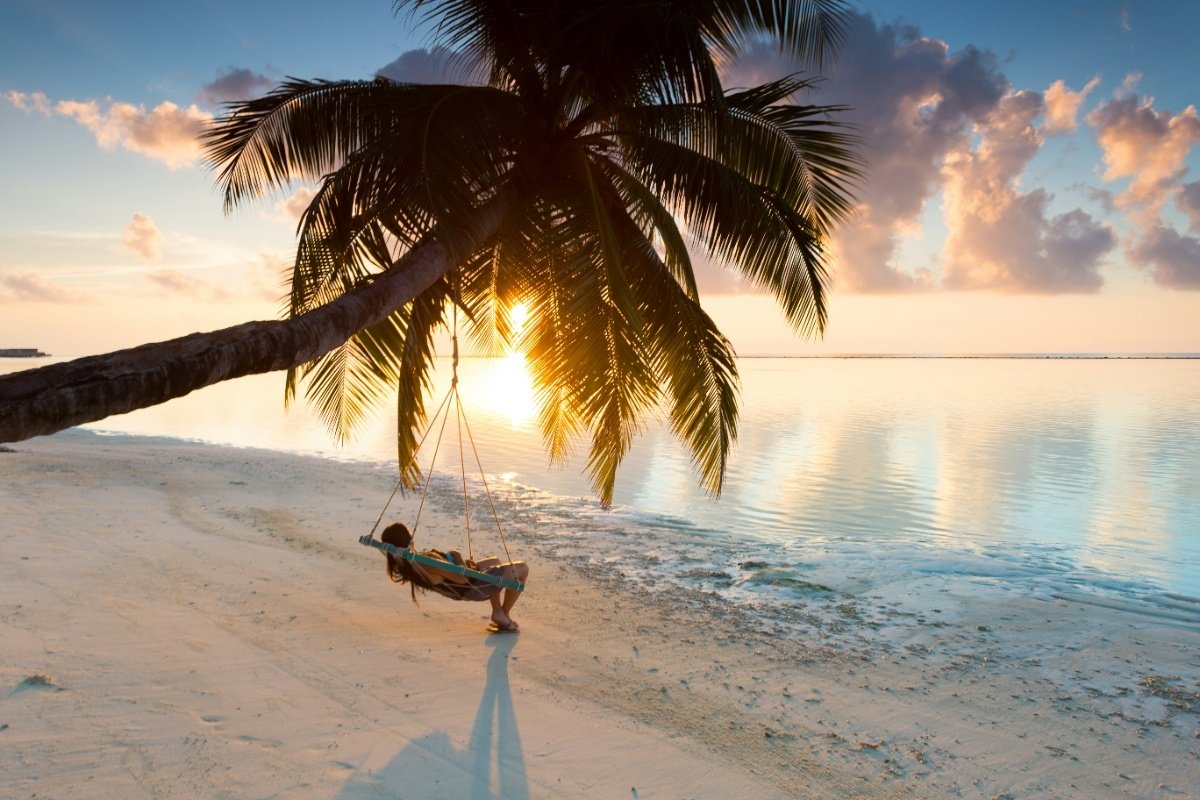
Maldivian Flavours: From $150 Resort Dinners to $3 Local Teahouses
Sunset Weekly Disclosure: To help keep our guides free, this post contains affiliate links. If you click through and make a booking (such as hotels, flights, tours, or travel experiences), we may earn a commission at no extra cost to you. Sunset Weekly is an independent travel and lifestyle publication. While we may receive compensation from affiliate partners, this does not influence our editorial content, recommendations, or opinions. #ad
Quick Answer: The Maldives operates two entirely separate food economies. Resort islands serve international menus at some of the highest restaurant prices in the world. Local islands and the capital Malé offer genuine Maldivian cuisine — tuna-based, coconut-inflected, and deeply rooted in fishing tradition — at prices that compete with street food anywhere in Asia. Most visitors never encounter the second economy. That is a significant missed opportunity.
Editorial note: This guide covers both resort dining and local Maldivian food culture with equal attention to practical eating, pricing, and honest expectations. Pricing reflects 2025–2026 conditions. No resorts, tourism boards, or commercial operators have contributed to or influenced this content.
The Maldives presents a food paradox. It is simultaneously one of the most expensive and one of the most affordable food destinations in Asia, depending entirely on where you eat. Resort islands charge $50–$150+ per person for dinner. Meanwhile, a local café in Malé serves a full meal of rice, tuna curry, and tea for under $3. Both experiences belong to the same country. However, most travellers on resort packages never discover the second one. Consequently, this guide covers both honestly.
What Food Is the Maldives Known For?
Answer: The Maldives is known for a tuna-centred cuisine built around garudhiya (tuna fish broth), mas huni (shredded smoked tuna with coconut), rihaakuru (thick tuna paste), roshi (flatbread), and short eats (hedhikaa). Tuna is not just a staple — it is the foundation of the entire culinary identity. However, most resort visitors encounter international menus rather than this genuine local food culture.
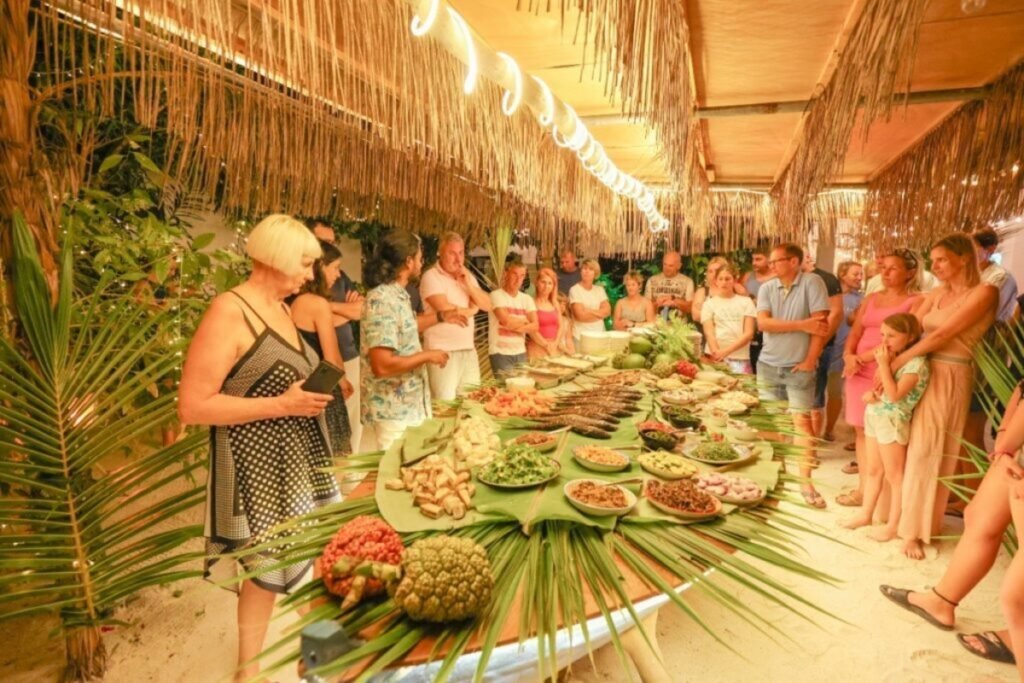
Maldivian food reflects a geography of small islands surrounded by ocean. Skipjack and yellowfin tuna dominate the diet entirely. Coconut provides fat, sweetness, and body. Additionally, chilli, curry leaf, and spices arrive through centuries of trade with South India and Sri Lanka. Consequently, the flavour profile of local Maldivian food combines the freshness of tuna with the warmth of South Asian spicing.
Furthermore, the Maldivian kitchen shows the marks of its isolation. Traditional dishes use very few ingredients. They rely on technique and freshness rather than elaborate preparation. Garudhiya — tuna simmered in salted water with curry leaves — is barely a recipe. However, it produces one of the most intensely flavoured broths in the region when made with freshly caught fish. Specifically, the quality gap between fresh Maldivian tuna and the tinned equivalent is enormous.
Maldivian Cuisine: A Background
The Maldives has no restaurant culture in the local sense. Historically, Maldivians ate at home rather than in public establishments. The teahouse (sai hotaa) served tea and short eats as social spaces rather than full dining venues. Consequently, this tradition persists on local islands today.
Indian and Sri Lankan culinary influence runs deep. Specifically, curry techniques, roti traditions, and the use of coconut milk all reflect the long relationship with the subcontinent. Additionally, the short eats culture — small fried or baked snacks eaten with tea — closely resembles the South Indian short eats tradition and the Sri Lankan kottu culture. However, the Maldivian versions centre almost exclusively on tuna rather than meat or vegetables.
Signature Maldivian Dishes Every Traveller Should Know
Answer: The essential Maldivian dishes include garudhiya, mas huni, roshi, rihaakuru, fihunu mas, and hedhikaa (short eats). These define everyday Maldivian eating on local islands. Resort menus include some of these as novelty items. However, the genuine version requires visiting a local island café or eating in Malé.
Essential Dishes: A Quick-Reference Guide
| Dish | What It Is | Best Context |
|---|---|---|
| Garudhiya | Clear tuna fish broth with curry leaves; served with rice, lime, and chilli | Local island cafés; the foundational Maldivian dish |
| Mas huni | Shredded smoked tuna mixed with freshly grated coconut, onion, and chilli | Traditional Maldivian breakfast; eaten with roshi |
| Roshi | Thin, unleavened flatbread; the daily bread of the Maldives | Accompanies almost every local meal |
| Rihaakuru | Very thick, dark tuna paste; intensely savoury; used as a condiment | Local island meals; an acquired taste for visitors |
| Fihunu mas | Freshly caught tuna or other fish, marinated and grilled over charcoal | Beachside grills; local island restaurants |
| Kulhi boakiba | Dense, spiced tuna cake; baked rather than fried | Teahouses; bakeries on local islands |
| Gulha | Round, fried tuna-filled pastry balls; the most popular short eat | Teahouses; morning and afternoon snack culture |
| Bajiya | Triangular fried pastry filled with tuna, coconut, and onion | Teahouses; available alongside gulha |
| Bis keemiya | Larger samosa-style pastry with tuna, egg, and cabbage; Indian influence | Teahouses and local cafés |
| Saagu bondibai | Sweet sago pudding with coconut milk | Dessert; local sweet shops |
| Kukulhu riha | Chicken curry with coconut milk and South Asian spices | Local restaurants; less common than fish dishes |
Short Eats Culture (Hedhikaa)
Short eats — known collectively as hedhikaa — form the backbone of Maldivian snack and teahouse culture. These small fried or baked items pair with sweet tea at morning and afternoon breaks. Furthermore, many Maldivians eat short eats for breakfast rather than a full meal.
The teahouse (sai hotaa) serves these items from early morning. Specifically, the most important short eats are gulha (tuna balls), bajiya (triangular pastries), and kulhi boakiba (tuna cake). Prices at local teahouses run MVR 5–15 per item (approximately $0.35–$0.95). Consequently, a full plate of short eats with tea costs under $3 anywhere on a local island.
Understanding the Maldives’ Two-Tier Food Economy
Answer: The Maldives has two completely separate food economies. Resort islands charge international luxury prices for food that is often excellent but rarely distinctly Maldivian. Local islands and Malé offer genuine Maldivian cuisine at very low prices. Travellers staying on resort islands rarely access the second economy. However, day trips to local islands or a night in Malé provide access to both within a single trip.
Resort Island Dining: What to Expect
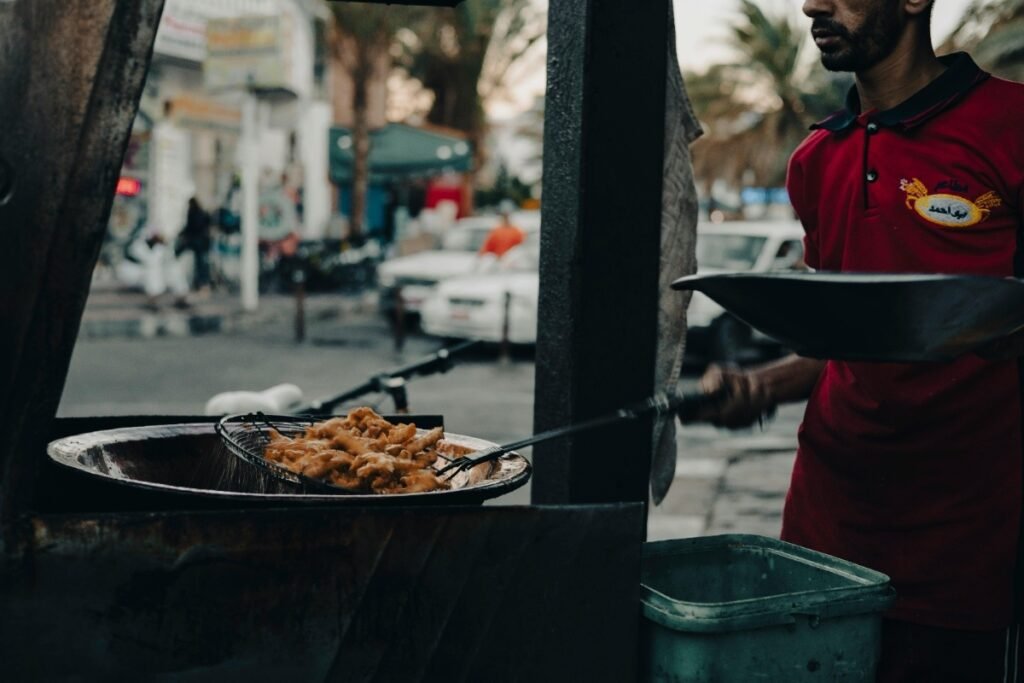
Resort island dining in the Maldives involves some of the most expensive food and drink pricing in the world. Breakfast buffets at mid-range resorts typically cost $50–$80 per person. Additionally, dinner à la carte at a resort restaurant runs $60–$150 per person before drinks. Fine dining at luxury properties can reach $200–$400 per person with wine pairing.
However, the food quality at reputable resorts is genuinely high. Most resorts maintain multiple restaurants covering Asian, Italian, Japanese, and Maldivian cuisines. Fresh seafood sourced daily from local fishermen represents the genuinely impressive element — grilled fish and lobster at a resort beach barbecue reflect the quality of the surrounding water rather than an imported product.
Furthermore, resorts operate their own supply chains with significant logistical complexity. Almost everything arrives by seaplane or speedboat from Malé. Consequently, the prices partly reflect genuine operational cost rather than pure profit extraction. This does not make them cheaper — but it explains why comparable food costs less in London than on a remote Maldivian atoll.
Choosing Your Resort’s Meal Plan
| Meal Plan | What It Covers | Typical Additional Cost |
|---|---|---|
| Room only | Nothing; pay for every meal separately | All resort food and drink billed individually |
| Bed and breakfast | Breakfast included | Lunch and dinner charged at resort rates |
| Half board | Breakfast and dinner | Lunch, snacks, and all drinks charged separately |
| Full board | All three meals | Drinks (including water) charged separately |
| All-inclusive | All meals and local beverages | Premium drinks, spa, and water sports extra |
| Ultra all-inclusive | Meals, drinks, and most activities | Applies only at specific luxury properties |
All-inclusive packages represent the best financial protection at luxury resorts. Without a package, drinks alone — including water, soft drinks, and alcohol — can produce a daily bill that exceeds the room rate. Specifically, a bottle of still water at a resort costs $5–$10. A cocktail runs $18–$30. A bottle of wine at dinner costs $80–$200.
Local Island and Malé Dining
Guesthouses on local islands offer a completely different price structure. A full meal at a guesthouse restaurant costs MVR 100–200 (approximately $7–$13). Short eats at a teahouse cost MVR 5–15 per item. Consequently, a full day of eating on a local island costs less than a single cocktail at a resort.
Specifically, the most accessible introduction to local island eating involves arriving at a local island by speedboat or public ferry, eating breakfast (mas huni and roshi) at the first teahouse you find, and walking the island’s main street at midday when rice and curry sets appear at local cafés. This experience costs under $15 for the full day and delivers the most authentic Maldivian food available anywhere.
Eating in Malé: The Capital’s Food Scene
Answer: Malé is one of the most densely populated cities in the world — and one of the most practical for food travellers on a budget. Local restaurants, teahouses, and street stalls serve fresh Maldivian food at prices well below any resort. The Singapore Fish Market in Malé provides the city’s most vivid food experience. Additionally, Indian and Sri Lankan restaurants offer excellent value for visitors wanting variety beyond tuna-based dishes.
What to Eat and Where
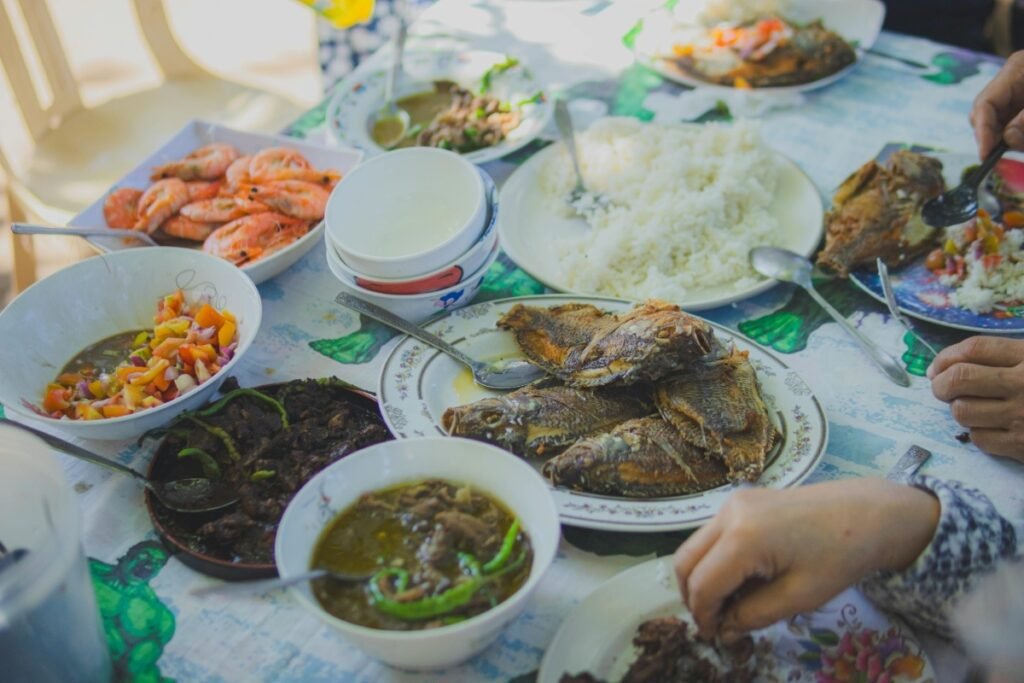
Malé’s food concentrates around a handful of specific areas. The Local Market (Maldives Fish Market) near the harbour operates in the mornings and produces some of the freshest tuna and reef fish available anywhere in the Indian Ocean. However, it functions as a wholesale market rather than a retail one — visiting to see the activity is more practical than buying.
The streets surrounding the Majeedhee Magu (the main commercial street) hold most of Malé’s cafés, teahouses, and local restaurants. Specifically, a traditional rice and curry lunch at a local restaurant costs MVR 50–100 ($3–$6.50) for a full meal. Additionally, the teahouse culture around the area provides short eats and sweet tea from early morning.
Indian and Sri Lankan restaurants near Masjid al-Sultan Muhammad Thakurufaanu al-Auzam concentrate Indian community food at the lowest prices in the city. Rice and curry, biryani, and roti canai equivalents appear at these restaurants for MVR 30–60 ($2–$4). Furthermore, these establishments cater primarily to the large South Asian labour community in Malé. Consequently, the cooking reflects genuine community standards rather than tourist adjustment.
The Maldivian Breakfast in Malé
Mas huni with roshi remains the standard Maldivian breakfast across all social contexts in Malé. Most teahouses serve it from 06:00 until mid-morning. A full breakfast costs MVR 30–50 ($2–$3.25). Specifically, the shredded smoked tuna with grated coconut, onion, chilli, and lime eaten with warm roshi flatbread represents the most honest and satisfying cheap meal available in the country.
How Expensive Is Food in the Maldives?
Answer: Food in the Maldives ranges from extraordinarily expensive (resort islands) to remarkably cheap (local islands and Malé). A resort dinner for two without drinks can exceed $200. The same evening on a local island costs under $20. Understanding which economy you are entering at each meal determines whether the Maldives is one of the world’s most expensive or most affordable food destinations.
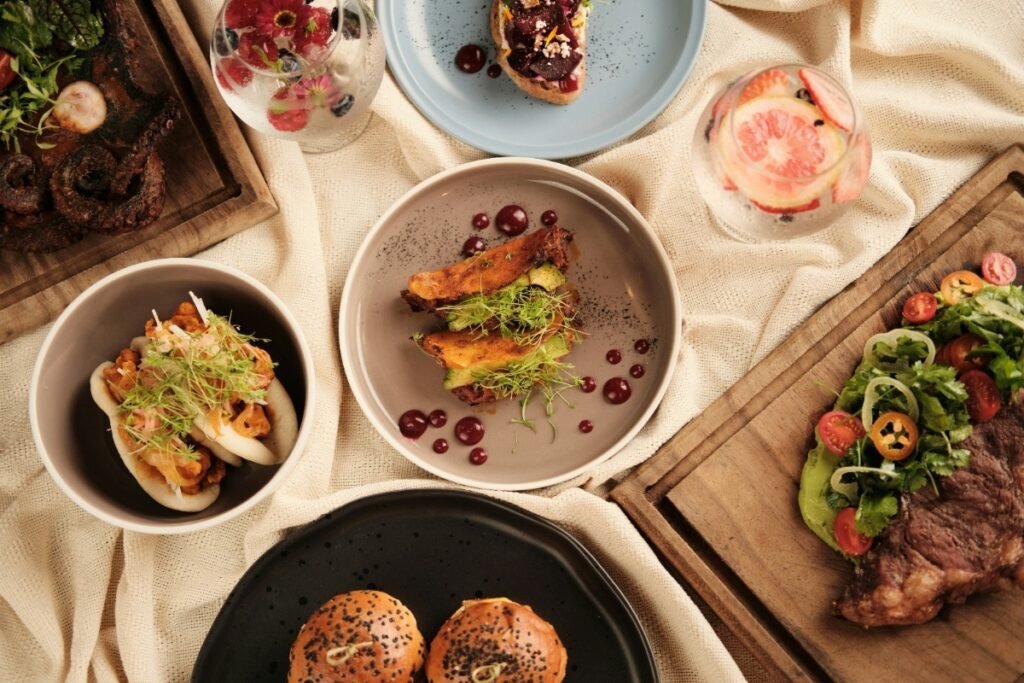
Pricing: Resort Islands vs Local Islands
| Meal Type | Resort Price | Local Island / Malé Price |
|---|---|---|
| Breakfast (per person) | $50–$80 (buffet) | $2–$3.25 (mas huni and roshi) |
| Lunch (per person) | $30–$60 | $3–$6.50 (rice and curry set) |
| Dinner (per person, before drinks) | $60–$150 | $7–$15 (guesthouse restaurant) |
| Short eats / snacks | $8–$20 per item (resort) | $0.35–$0.95 per item (teahouse) |
| Cocktail | $18–$30 | Not available (local islands are dry) |
| Beer (bottle) | $12–$20 | Not available on local islands |
| Bottled water (500ml) | $5–$10 (resort) | $0.65–$1.30 (local shop) |
| Coffee (espresso) | $8–$15 (resort) | $1–$2 (local café) |
| Fresh coconut | $5–$12 (resort) | $1–$2 (local market) |
Tipping in the Maldives
Resort tipping customs vary by property. Some resorts include a service charge of 10% on all bills. Others rely on discretionary tips. At luxury resorts, tipping resort staff — room attendants, dive instructors, boat crew — runs $5–$20 per person per day as a common practice among guests. However, no cultural obligation applies. Specifically, leaving nothing carries no social stigma in the local Maldivian context.
On local islands, tipping is not expected. Cafés and teahouses on local islands do not expect or typically receive tips from visitors. Consequently, Maldivian food culture outside resorts resembles the approach in Malaysia or Taiwan — the price on the board is the price paid.
Drinking in the Maldives: The Alcohol Rules
Answer: The Maldives is an officially Islamic state. Alcohol is completely prohibited on local islands and in Malé under Maldivian law. Resort islands hold a special legal exemption and can serve alcohol to guests. Consequently, Muslim travellers should understand that booking a standard resort package typically means residing somewhere that serves alcohol, while visiting local islands means entering a completely dry environment.
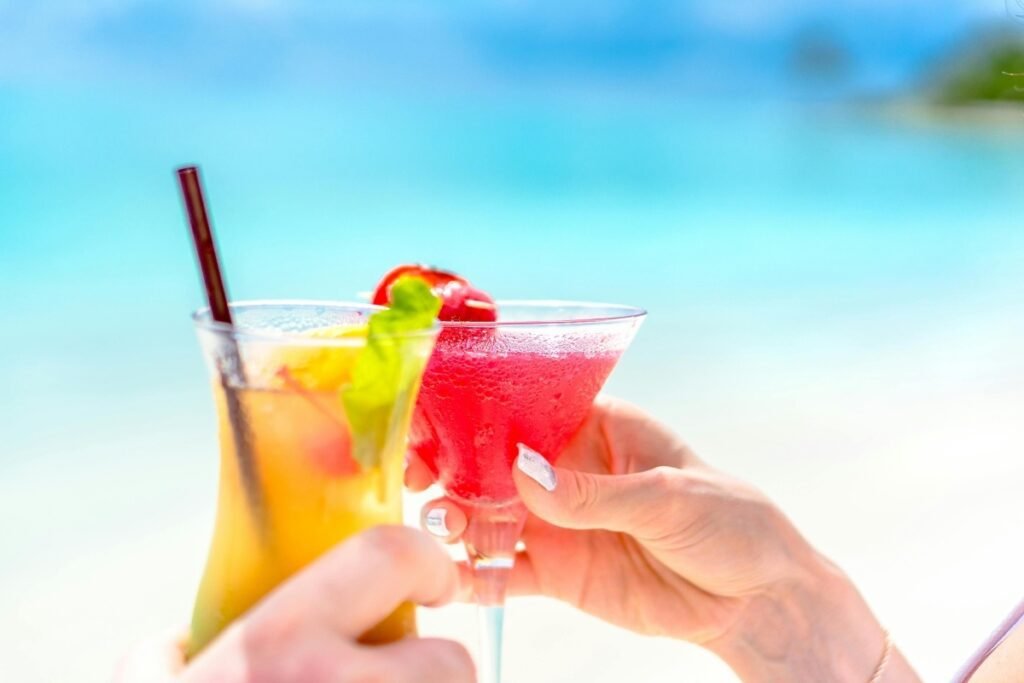
What Locals Drink
The traditional Maldivian non-alcoholic drink culture centres on sweet tea (sai), fresh coconut water, and fresh lime juice. Additionally, raa — toddy tapped from coconut palms — provides a traditional mildly fermented drink on uninhabited islands. However, authorities restrict commercial raa production and sale. Most visitors never encounter it.
Fresh coconut water from young coconuts costs MVR 15–30 ($1–$2) at local markets and beachside vendors on inhabited islands. Specifically, the green coconuts from Maldivian coconut palms tend toward the sweeter, less astringent end of the spectrum. Furthermore, fresh lime juice mixed with water and a little salt — a cooling drink common across the Indian Ocean — appears at most local cafés for MVR 10–20 ($0.65–$1.30).
Milo — the chocolate malt drink — holds deep cultural attachment in the Maldives, as in Malaysia and much of Southeast Asia. Local cafés serve it hot or cold. It appears as a standard option on every teahouse menu. Consequently, a cup of cold Milo with short eats represents one of the most recognisably local eating experiences available at a Maldivian teahouse.
Alcohol at Resorts
Resorts in the Maldives stock full international bar selections. Wine lists at luxury properties include premium bottles. The range reflects the guest demographic — primarily European, East Asian, and Middle Eastern visitors. However, prices reflect the logistical cost of transporting alcohol by seaplane to a remote atoll. A glass of house wine costs $15–$25. A premium cocktail runs $22–$35. Consequently, beer of any kind costs $12–$20 per bottle.
Some resorts offer wine packages or drinks packages that reduce the per-unit cost for guests who plan to drink regularly. Booking these in advance at the time of reservation typically saves 20–30% compared with ordering drink by drink. Furthermore, all-inclusive packages at resorts that include alcohol represent the most economical approach for guests who drink.
| Drink | Resort Price | Local Island / Malé |
|---|---|---|
| Beer (bottle) | $12–$20 | Not available |
| House wine (glass) | $15–$25 | Not available |
| Cocktail | $18–$35 | Not available |
| Fresh coconut water | $5–$12 | $1–$2 |
| Fresh lime juice | $5–$10 | $0.65–$1.30 |
| Sweet tea (sai) | $5–$8 | $0.35–$0.65 |
| Cold Milo | $6–$10 | $0.65–$1.00 |
What Should Tourists Avoid?
Answer: The primary tourist-food trap in the Maldives is the unpackaged resort stay. Paying resort prices for individual meals and drinks without a package produces some of the highest food bills per day of any travel destination in the world. Additionally, ordering food at resort jetty snack bars and poolside bars without checking prices first leads to unexpectedly large bills.
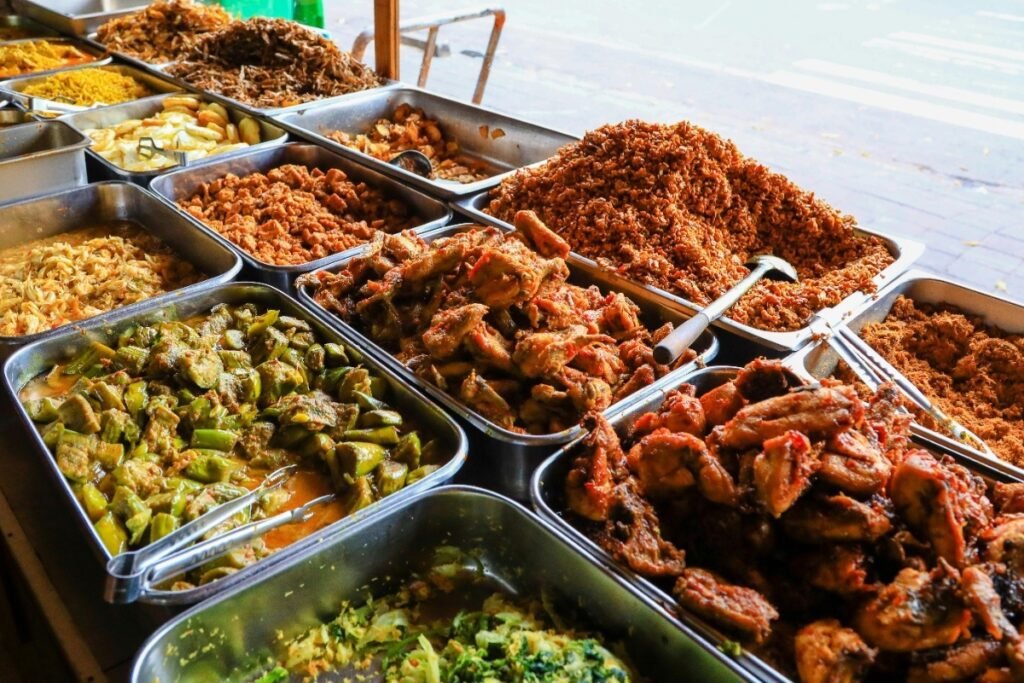
Resort Pricing Traps
Drinks pricing without a package: At resorts that charge individually for drinks, the daily water, juice, coffee, and cocktail bill frequently exceeds the food bill. Specifically, a family of four drinking freely — including non-alcoholic drinks — can accumulate MVR 3,000–6,000 ($200–$390) in daily drinks charges before food. Checking the drinks menu and current pricing before ordering prevents this.
Minibar and in-room dining: Resort minibars in the Maldives charge among the highest minibar prices in the world. A can of soft drink costs $8–$15. Similarly, a small bottle of water runs $6–$12. In-room dining adds a 25–30% premium on top of already elevated restaurant prices. Furthermore, the convenience premium for ordering to a water villa at midnight is real but significant.
Snorkelling and diving excursion packed lunches: Resorts charge $25–$50 per person for packed lunches on day trips and excursions. The same box of food would cost MVR 100–150 ($6.50–$10) prepared at a local island café if travellers had the option. However, resort logistics rarely offer this alternative.
Food Quality Expectations
Resort food homogeneity: Many mid-range resorts produce similar international menus — pasta, pizza, grilled fish, Asian noodle dishes — that could appear at any beach resort globally. The distinctive element is the seafood quality. Consequently, prioritising fresh fish dishes over pasta and pizza at resort restaurants produces the best return on the elevated prices.
Overestimating local island food variety: Local island food is excellent within its parameters. However, it is not diverse. Tuna appears in almost every dish. Furthermore, meals rotate around rice, roshi, garudhiya, and curry. Travellers seeking variety beyond tuna-based food will find local island eating repetitive after two or three days.
Traveller Practicality: Vegetarians, Families, Dietary Needs
Answer: Vegetarians face genuine challenges in the Maldives outside of resort environments. Tuna appears in almost every local dish. However, resorts accommodate vegetarian and vegan requirements competently at every price level. Families eat well at resorts; children’s menus are universal. Halal food is the default on local islands — all local Maldivian food is halal by default.
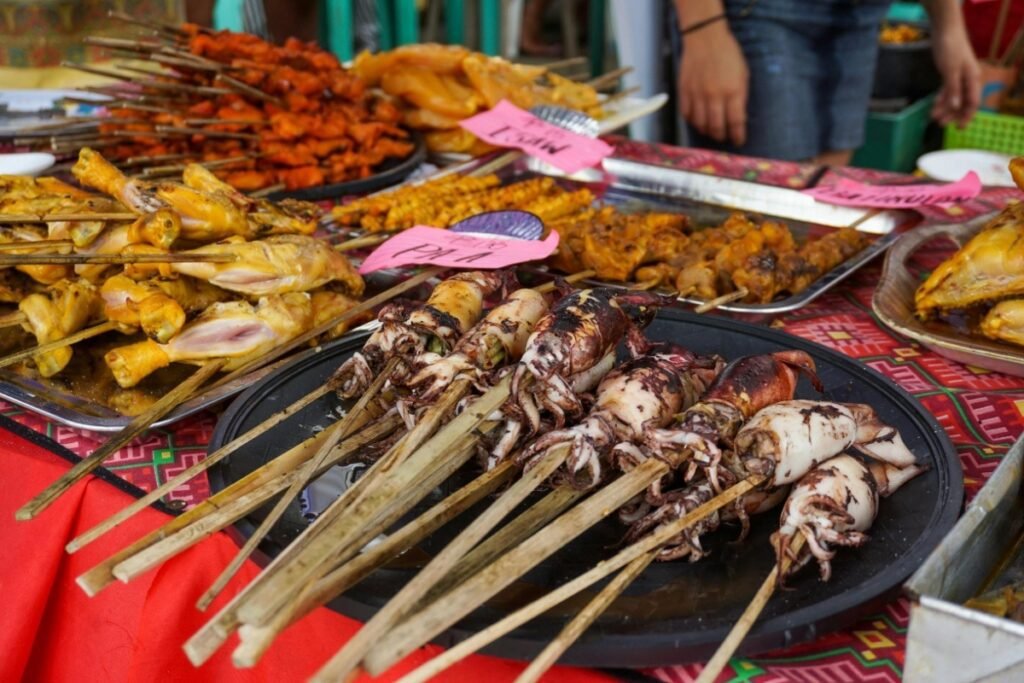
Vegetarian Reality
Vegetarian travellers staying at resorts encounter no significant difficulty. Resort restaurants universally accommodate vegetarian requirements and many maintain dedicated vegetarian and vegan menu sections. Additionally, fruit — mangoes, papayas, bananas, and tropical varieties sourced from Sri Lanka and India — appears at resort breakfast buffets at high quality.
However, vegetarian travellers visiting local islands face a more challenging environment. The Maldivian kitchen builds around tuna almost exclusively. Vegetables appear as sides and garnishes rather than primary ingredients. Specifically, rice with coconut milk, roshi, and sweet sago pudding provide reliable vegetarian options at teahouses. Beyond these, finding substantial vegetarian food on a local island requires either advance communication with a guesthouse or self-catering.
Halal and Dietary Notes
Local Maldivian food is halal by default. Specifically, the country operates under Islamic dietary law on all local islands. Consequently, Muslim travellers on local islands have no need to verify halal status at any local establishment.
At resorts, the situation is more complex. Resorts serve alcohol and may store pork products for non-Muslim guests. Muslim travellers at resorts should confirm the kitchen’s approach to halal preparation with the resort ahead of arrival. Most reputable resorts accommodate this clearly on request. Furthermore, luxury resorts can accommodate kosher requirements with advance notice.
Local Dining Etiquette in the Maldives
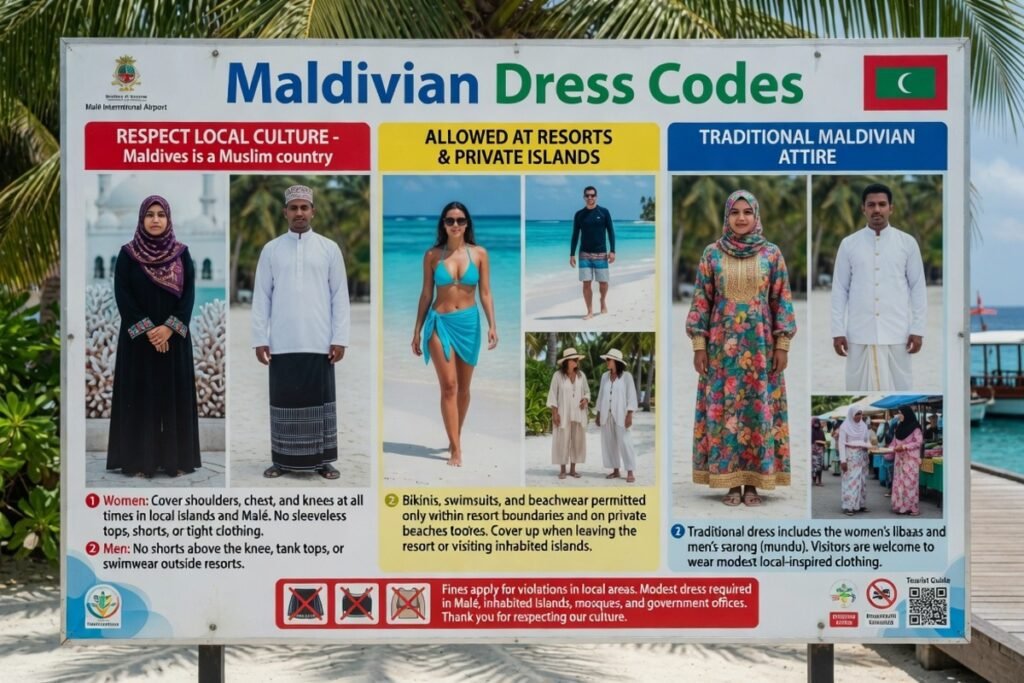
Answer: Local Maldivian dining etiquette is modest and informal. Removing shoes before entering homes and some local cafés is customary. Eating with the right hand is standard on local islands. Dress modestly on local islands — covered shoulders and below-the-knee clothing apply as a general rule in public spaces including eating areas. Resort dress codes vary by restaurant and property.
Local Island Customs
Maldivian culture is conservative by Southeast Asian standards. On local islands, the customs around eating reflect Islamic observance. Specifically, eating or drinking publicly during Ramadan daytime hours is inappropriate on local islands — visitors should eat at guesthouses rather than on the street during this period.
Furthermore, teahouse culture on local islands is predominantly male. Women are welcome in most teahouses but may find that the social dynamic differs from mixed-gender eating environments. Guesthouse restaurants and hotel dining rooms are fully mixed-gender in all contexts.
Resort Dress Codes
Resort dress codes range from formal (long trousers and shoes for dinner at fine dining restaurants) to barefoot-beach-casual across most everyday dining contexts. Specifically, each resort sets its own standards and communicates these on arrival. However, swimwear at non-pool and non-beach restaurants remains inappropriate even at casual resorts.
Best Approaches for Different Traveller Types
Answer: The right approach in the Maldives depends almost entirely on budget and cultural priorities. Resort guests should package their meals in advance. Budget and food-culture travellers should prioritise local island guesthouses and a Malé stopover.
Matching Trip Style to the Right Food Economy
| Traveller Type | Best Approach | Why |
|---|---|---|
| Luxury resort guest | All-inclusive or full-board package | Eliminates the drinks pricing shock; best financial protection |
| Budget traveller | Guesthouse on local island + Malé day | Full Maldivian food experience for under $20 per day |
| Muslim traveller | Local island guesthouse | Fully halal environment; no alcohol present; modest cultural context |
| Seafood focused | Resort beach barbecue + local fihunu mas | Fresh-caught tuna and reef fish in both economies |
| Food culture traveller | Malé + one night on local island | Teahouse culture, mas huni breakfast, rice and curry lunch |
| Honeymoon / romance | Private beach dining at luxury resort | The experience justifies the premium in this context |
| Family with children | Full-board or all-inclusive resort | Children’s menus, predictable pricing, beach access |
| Short stay (1–2 days) | Malé stopover + resort arrival/departure day | Local food at the airport island or Malé before resort transfer |
Where To Stay in Maldives?
Agoda’s Maldives inventory excels at comparing sharply different island-atoll options in one marketplace. For example, it features Hurawalhi Island Resort (Lhaviyani Atoll, adults-only 15+) and Veligandu Maldives Resort Island (North Ari Atoll) for romantic escapes. Additionally, Centara Ras Fushi Resort & Spa (North Malé Atoll) serves as a premium adults-only dive-focused property, while Meeru Maldives Resort Island offers historic family-friendly value. Furthermore, Vilamendhoo Island Resort & Spa (South Ari Atoll) stands out for strong house-reef snorkelling. However, the platform works effectively as a comparison layer with robust filters, so the real decision ultimately rests on atoll location, island size, transfer method, and whether you need adults-only, family-friendly, or dive-centric positioning.
How to Filter and Book Effectively
For the Maldives, Agoda delivers maximum value when you already know your preferred atoll and trip style. In practice, its search tools support fast filtering by date, price, island, and guest ratings rather than deep editorial guidance. Therefore, this positions it as a high-volume booking marketplace. Consequently, final hotel choice depends on exact atoll, transfer type (seaplane vs speedboat), house-reef quality, and operational fit rather than headline brand alone. As a result, always verify live property pages for current review scores and transfer details.
| Hotel & Location | Best For | Unique Feature | Verified Rating | Action |
|---|---|---|---|---|
|
Hurawalhi Island Resort Lhaviyani Atoll, Hurawalhi, Maldives |
Adults-Only Luxury | Adults-only (15+) private island resort in Lhaviyani Atoll, 40-minute seaplane from Malé, with white coral sand beaches. | 9.4/10 | BOOK NOW |
|
Veligandu Maldives Resort Island Radshoo, Maldives |
Romance & Sandbanks | Famous sandbank for romance, relaxation, snorkelling, diving, and yachting; 5 overwater treatment rooms at Himeyn Spa. | 9.4/10 | BOOK NOW |
|
Meeru Maldives Resort Island North Malé Atoll (Kaafu Atoll), 50 km from Malé, Maldives |
Value & Family Breaks | One of the Maldives’ first tourist resorts (since 1976), on a private island in North Malé Atoll, 55-minute speedboat from Malé. | 9.2/10 | BOOK NOW |
|
Centara Ras Fushi Resort & Spa Maldives, Indian Ocean |
Couples & Diving Stays | Adults-only resort with both beach and overwater villas; 140 villas each for 2 adults, + overwater spa villas and Viu Bar with unobstructed ocean views. | 9.0/10 | BOOK NOW |
|
Vilamendhoo Island Resort & Spa South Ari Atoll, Maldives |
Families & Diving Trips | Known for reef and diving-focused island setting; the exact address was not visible in the material I could verify here. | 9.0/10 | BOOK NOW |
Important Things Travellers Should Know Before Eating in the Maldives
Resort Economics and Alcohol Rules
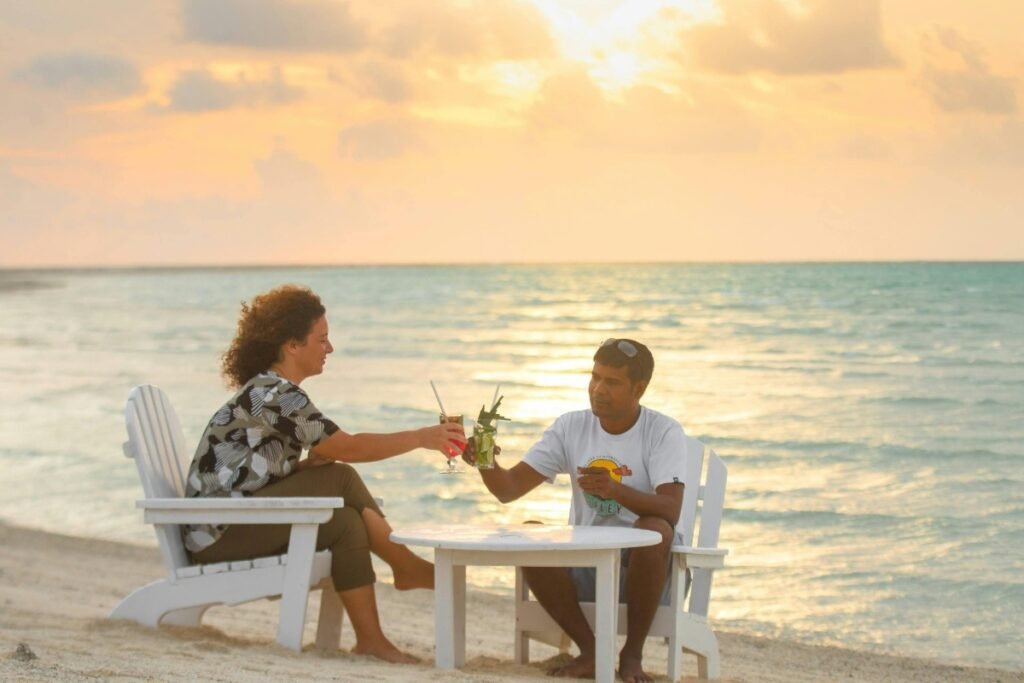
- Alcohol is only available at resort islands. Not at the airport island, not in Malé, and not on local inhabited islands. The resort is the only legal context for alcohol in the Maldives. Consequently, guests at resorts should understand they are purchasing a legal exemption alongside their accommodation.
- Book your meal plan before arriving. Resort food prices at point of sale are highest. Booking full board or all-inclusive at the time of reservation saves significantly compared to booking bed-only and paying restaurant prices on arrival. Specifically, the difference between a bed-only booking and an all-inclusive booking at the same resort can reach $200–$400 per day for a couple.
- Water on resort islands is expensive. Bringing a refillable bottle and using resort water refill stations (available at most resorts) reduces daily costs. Furthermore, some resorts charge for sparkling water but provide still water free at specific stations.
- The resort service charge is not optional. A 10% service charge appears on most resort bills. At some ultra-luxury properties, this rises to 12%. Budget for this when reading menu prices.
Local Island Practicalities
- Teahouses close in the early afternoon. The traditional Maldivian eating pattern concentrates at breakfast and early lunch. Many local island teahouses close by 14:00. Specifically, arriving on a local island in the afternoon may mean limited food options until the evening meal service.
- Local island guesthouses require advance booking. The number of guesthouses on local islands remains limited. The best options fill during peak season (December to April). Booking 4–6 weeks in advance is advisable for popular islands like Maafushi, Dhigurah, and Himmafushi.
- Dress modestly when eating on local islands. Bikinis and board shorts are not appropriate attire at local island cafés and teahouses. Specifically, covering shoulders and wearing shorts or trousers that reach the knee meets the local standard without excessive formality.
Frequently Asked Questions About Food in the Maldives
Local Food and Maldivian Cuisine
What is the traditional food of the Maldives? Maldivian food centres entirely on tuna. Specifically, the most important traditional dishes are garudhiya (clear tuna broth served with rice, lime, and chilli), mas huni (shredded smoked tuna with coconut for breakfast), and hedhikaa (short eats including tuna balls and tuna pastries). Roshi (flatbread) accompanies almost every meal. Additionally, rihaakuru — a very thick, dark tuna paste — functions as a condiment and flavour base. Consequently, the entire cuisine reflects a geography of small islands with abundant ocean and limited agricultural land.
Can I eat local Maldivian food at a resort? Some resorts include a Maldivian restaurant or offer a local food experience as a cultural activity. However, these presentations often represent a curated, slightly adjusted version of local food rather than the teahouse version. Additionally, the prices at a resort for what a local teahouse charges $1 for can reach $15–$20. Visiting a local island or Malé provides the genuine version at the genuine price.
Alcohol and Dietary Questions
Is alcohol available in the Maldives? Only on resort islands. The Maldives is an Islamic state that prohibits alcohol on all local islands and in Malé. Specifically, resort islands hold a special legal exemption. Consequently, travellers staying at a resort can drink freely at that resort. However, alcohol completely disappears from the moment of leaving the resort — at the speedboat jetty, on the transfer vessel, and on any local island visited. Travellers on day trips from resorts to local islands should understand this clearly.
Is the Maldives suitable for vegetarians? At resorts, yes — easily. Resort kitchens accommodate vegetarian and vegan requirements at every meal. On local islands, however, vegetarian options narrow considerably. The Maldivian kitchen uses tuna in almost everything. Specifically, rice, roshi, coconut-based dishes, and fresh fruit provide reliable vegetarian options on local islands. However, asking a teahouse for a meal without fish requires clear communication and may produce a limited result.
Practical Dining Questions
How do I manage resort food costs without an all-inclusive package? The most practical approach involves booking half-board (breakfast and dinner) and eating lunch independently. Specifically, most resort lunch menus run cheaper than dinner. Buying snacks at the resort shop rather than ordering from a restaurant reduces the per-item cost. Avoiding in-room dining and minibar charges produces the largest savings. Furthermore, choosing a resort with a flat-rate snorkelling excursion rather than per-item resort pricing on activities removes one unpredictable cost from the day.
What should I eat on a day trip to a local island? A day trip to a local island from a resort provides the best context for genuine Maldivian food. Specifically, arrive at the teahouse for mas huni and roshi in the morning. Order gulha and bajiya as mid-morning short eats. Find a rice and curry lunch at the local café around noon. Drink fresh coconut water or sweet tea throughout. Budget MVR 200–350 ($13–$23) for everything. Furthermore, buying a packet of Maldivian short eats to bring back to the resort provides a fair comparison with what resort food costs for the same caloric content.
Editorial & Accuracy Standards
- Expert Review:
Ammara Azmat,
Senior Travel Mobility Analyst (12+ years experience) - Status: Verified for accuracy against official 2026 service data and real-time traveller reports.
- Our Process: This content follows our Fact-Checking Policy.