

Last Updated: May 2026 | Reading Time: ~11 minutes
Introduction: Nusantara’s Rise and Its Remarkable Food Scene

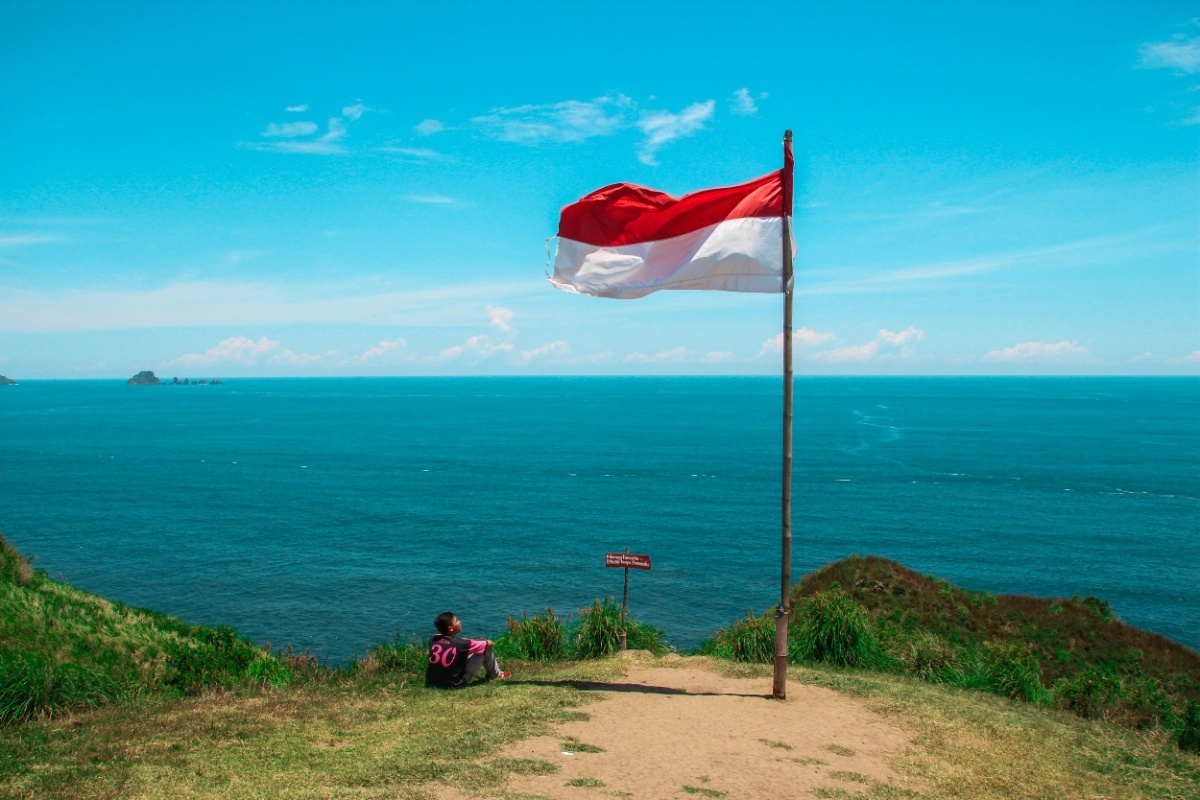
Indonesia is building a new capital. Nusantara, rising from the rainforest of East Kalimantan on the island of Borneo, is one of the most ambitious urban development projects in the world. Construction is progressing rapidly. Moreover, the first government institutions have already relocated from Jakarta. As a result, Nusantara is fast becoming a destination that curious travellers are actively seeking out in 2026.
But this is not just a story about architecture and politics. It is also a story about food. East Kalimantan has a rich and layered culinary tradition. Furthermore, Nusantara’s development has attracted chefs, entrepreneurs, and food innovators from across the Indonesian archipelago. Consequently, the food scene here in 2026 blends deep-rooted local tradition with an exciting new wave of creativity.
According to regional tourism data, visitor interest in Nusantara has grown significantly since 2024. Travellers are arriving not only to witness history in the making, but also to eat, drink, and explore one of Southeast Asia’s most underrated food cultures. This guide covers the ten foods and drinks that best define the Nusantara experience in 2026.
The 10 Foods & Drinks That Define Nusantara (2026 Edition)
1. Corn Milk Matcha

What it is: Corn Milk Matcha is a fusion drink combining locally grown sweet corn milk with premium Japanese-style matcha. It sounds unusual. However, the result is a creamy, mildly earthy beverage with a natural sweetness that works beautifully.
Why it matters: East Kalimantan has a strong tradition of corn cultivation. Local producers are now blending traditional corn milk with matcha to create something entirely their own. Furthermore, the drink reflects Nusantara’s broader fusion identity — Indonesian roots meeting global influences.
2026 insight: Health-conscious travellers are driving demand for this drink. Cafés across Balikpapan and the Nusantara development zone are now serving refined versions. Moreover, several local brands have begun packaging it for retail.
Where to find it: Specialty cafés in Balikpapan and pop-up food stalls near the Nusantara visitor zones.
Flavour note: Think green tea latte — but warmer, sweeter, and unmistakably Kalimantan.
2. Konro Bakar (Makassar Ribs)
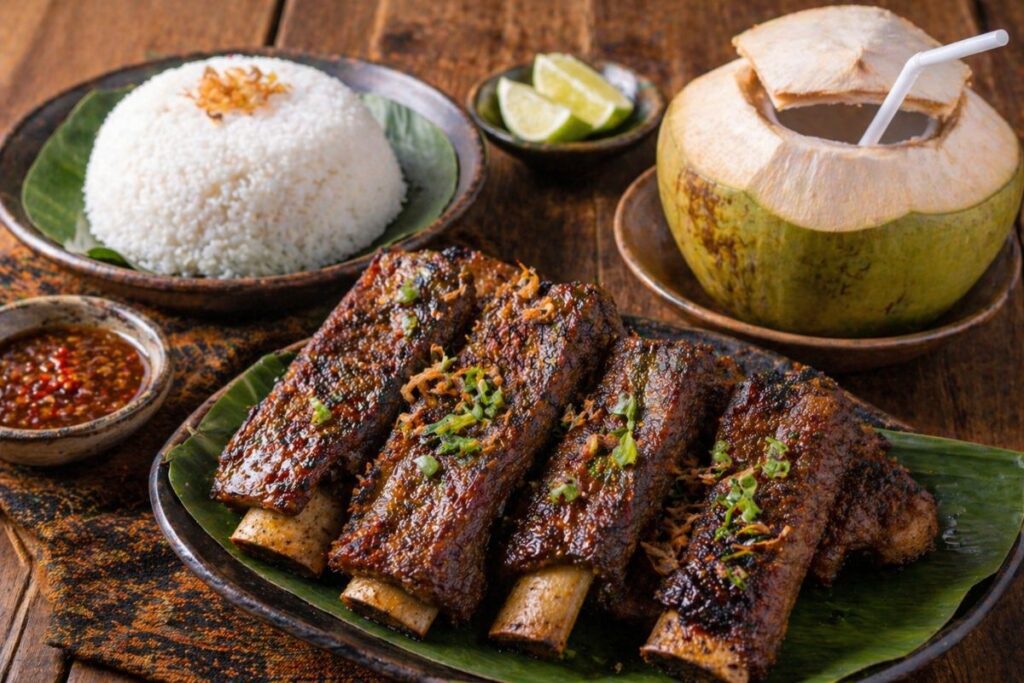
What it is: Konro Bakar is a slow-cooked, grilled beef rib dish originating from the Makassar people of Sulawesi. The ribs are marinated in a rich spice blend. They are then grilled over charcoal until deeply caramelised and fragrant.
Why it matters: South Sulawesi migrants have long been part of East Kalimantan’s cultural fabric. Consequently, Makassarese food is deeply embedded in the local dining scene. Konro Bakar is one of its most celebrated exports.
2026 insight: In Nusantara, Konro Bakar has been elevated beyond its street food origins. Upscale restaurants are now serving it with modern plating and premium local beef. Nevertheless, the flavour remains anchored in its Makassar heritage.
Where to find it: Dedicated ribs restaurants in Balikpapan and Makassarese-style warung throughout the Penajam Paser Utara region.
Flavour note: Deep, smoky, and intensely spiced. The meat falls from the bone. It is a dish that demands to be eaten with your hands.
3. Nasi Goreng
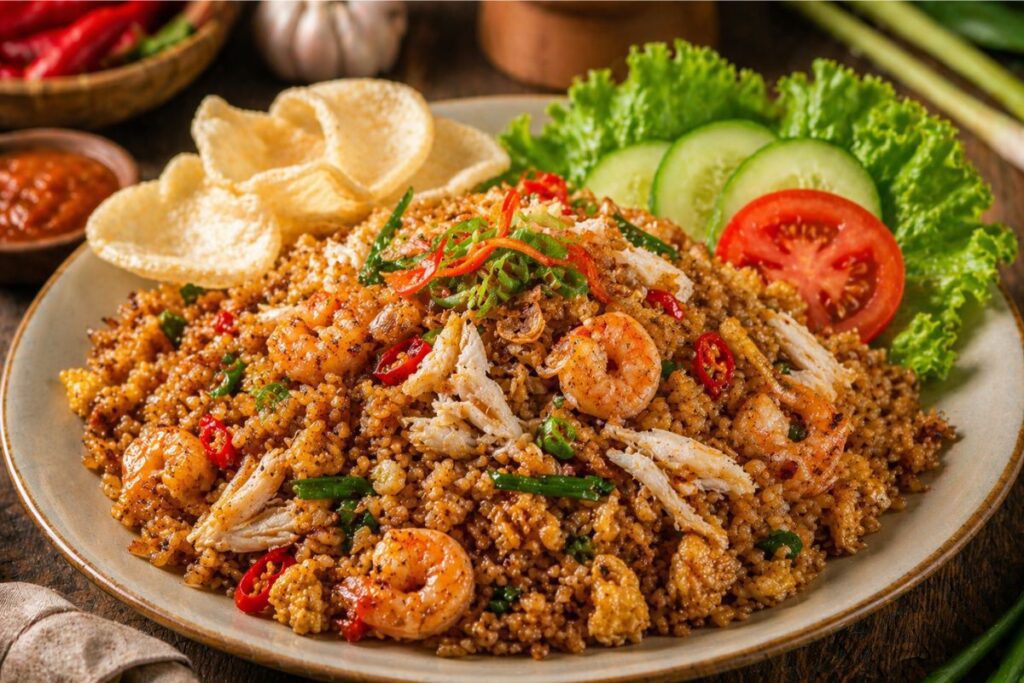
What it is: Nasi Goreng is Indonesia’s iconic fried rice. It is cooked with sweet soy sauce, shallots, chilli, and a choice of protein. A fried egg almost always crowns the top.
Why it matters: It is Indonesia’s national comfort food. Furthermore, every region has its own interpretation. The East Kalimantan version often incorporates local seafood and Borneo-grown chillies. As a result, it carries a distinctly regional character.
2026 insight: According to local culinary tradition, the Nusantara construction community has created a melting pot of regional Nasi Goreng styles. Workers from Java, Sulawesi, Sumatra, and Kalimantan all bring their own versions. Consequently, Nusantara’s Nasi Goreng scene is arguably the most diverse in Indonesia right now.
Where to find it: Everywhere. From hotel breakfasts to late-night street stalls — Nasi Goreng is inescapable.
Flavour note: Smoky, savoury, and deeply satisfying. No two versions are exactly alike.
4. Buckwheat Granola and Soba-Style Dishes
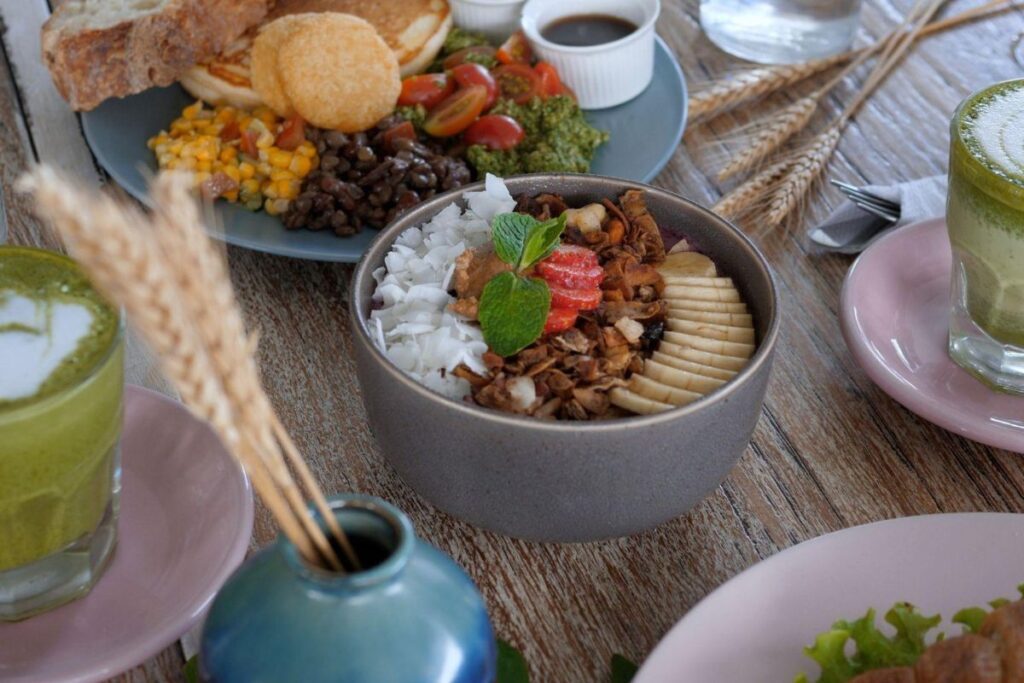
What it is: Buckwheat-based dishes — including granola bowls and noodle preparations inspired by Japanese soba — have gained significant traction in Nusantara’s emerging health-food scene.
Why it matters: Nusantara is being built as a smart, sustainable city. In line with that vision, its food culture is increasingly health-forward. Furthermore, the growing international resident and visitor community has created demand for nutritious, globally influenced options.
2026 insight: Several health-focused cafés in Balikpapan now serve buckwheat granola with local tropical fruit — dragon fruit, rambutan, and Kalimantan honey. Additionally, fusion noodle bowls using buckwheat with Indonesian sambal and fresh herbs are appearing on creative menus.
Where to find it: Wellness cafés and co-working café-restaurants in the Balikpapan Baru commercial district.
Flavour note: Nutty, clean, and grounding. The contrast with bold Indonesian flavours alongside makes it genuinely interesting.
5. Vegetable-Based Cocktails
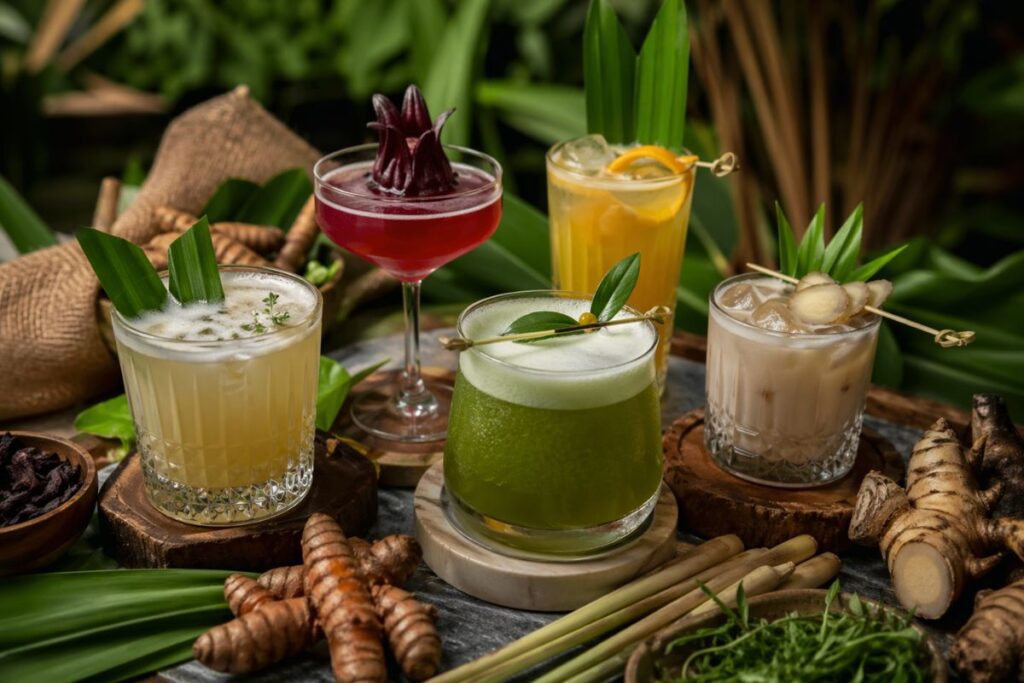
What it is: Bartenders across East Kalimantan are crafting cocktails built around locally grown vegetables — including pandan, lemongrass, butterfly pea flower, and wild Borneo herbs.
Why it matters: The island of Borneo has extraordinary botanical diversity. Local mixologists are drawing on that richness to create drinks that are genuinely distinctive. Moreover, these cocktails often function as a menu of the region’s biodiversity.
2026 insight: According to regional food and beverage industry insights, plant-based cocktail culture is one of the fastest-growing trends in Indonesian hospitality. Nusantara and Balikpapan are at the forefront of this movement. Furthermore, several bars now offer non-alcoholic versions to cater to the city’s predominantly Muslim population.
Where to find it: Hotel rooftop bars in Balikpapan and at food and beverage concepts within the Nusantara development zone.
Flavour note: Fresh, aromatic, and deeply tied to the land. Every sip feels like a short botanical safari.
6. Rendang (Sumatran “Steak”)
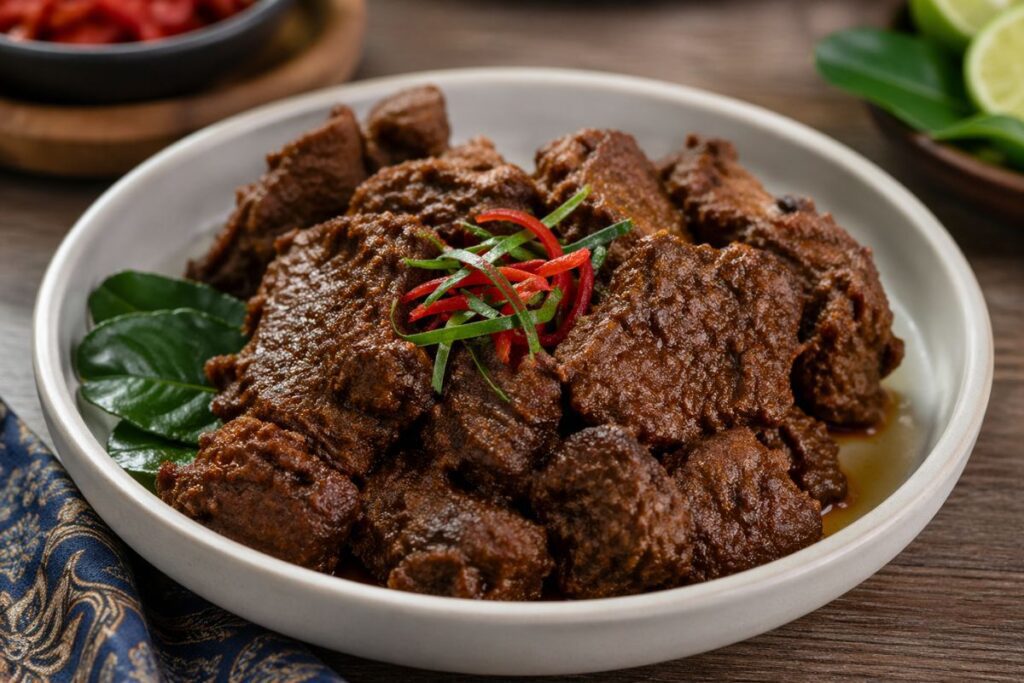
What it is: Rendang is a slow-cooked dry curry from Sumatra. Beef is simmered for hours in coconut milk and a complex paste of galangal, lemongrass, turmeric, and chilli. The result is intensely rich and almost completely dry — more akin to a braised meat preparation than a conventional curry.
Why it matters: Rendang has been recognised by international culinary bodies as one of the world’s most complex and flavourful dishes. Furthermore, Minangkabau migrants from West Sumatra have brought authentic rendang traditions to East Kalimantan. As a result, excellent rendang is readily available across the region.
2026 insight: Upscale restaurants in Nusantara are presenting rendang as a fine-dining proposition. Premium local beef, extended cooking times, and refined plating are elevating this beloved classic. Nevertheless, the best rendang in town is still debated daily.
Where to find it: Padang-style restaurants throughout Balikpapan and in the emerging dining districts near the Nusantara government precinct.
Flavour note: Rich, dark, and extraordinarily layered. The flavour deepens with every bite.
7. Mochi Pastries (Cromolyn-Style)
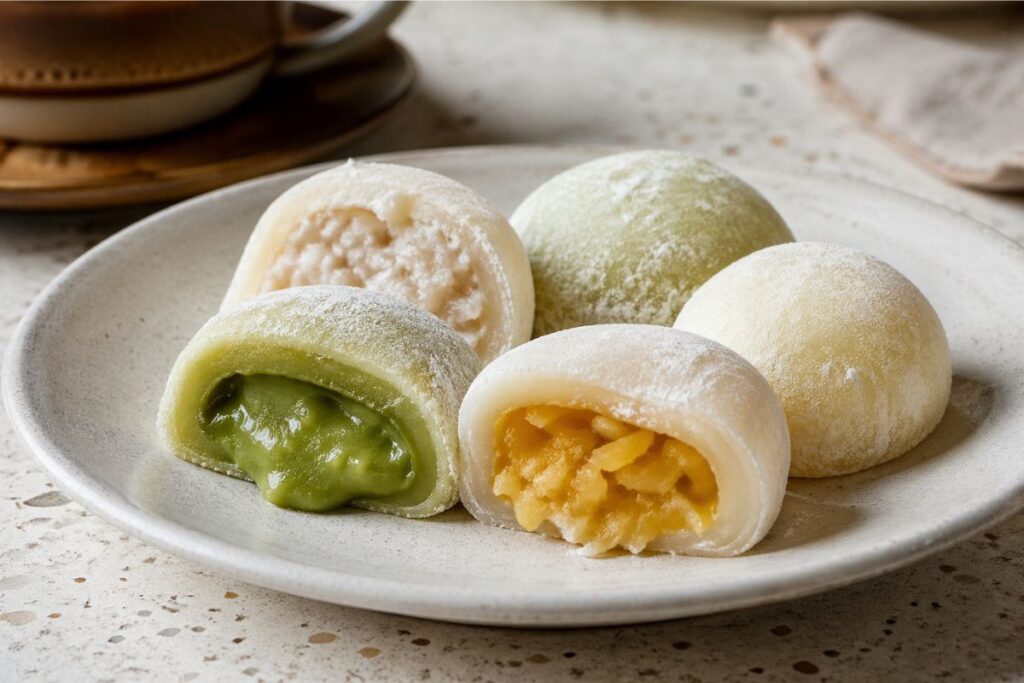
What it is: Mochi pastries fuse the Japanese rice-cake tradition with Indonesian fillings and French pastry techniques. The result is a soft, chewy outer shell encasing flavours like pandan custard, coconut cream, or tropical fruit.
Why it matters: Nusantara represents Indonesia’s future — multicultural, outward-looking, and innovative. These pastries embody that spirit perfectly. Moreover, they have become something of a signature gift item for visitors to bring home.
2026 insight: Artisan bakeries in Balikpapan have refined the mochi pastry format significantly. In 2026, single-origin East Kalimantan cocoa is being used in chocolate mochi varieties. Additionally, packaging has become increasingly sophisticated, reflecting the city’s growing design culture.
Where to find it: Artisan bakeries in Balikpapan’s Klandasan district and at food markets within Nusantara.
Flavour note: Pillowy and subtly sweet. Each variety is a small, edible expression of cultural fusion.
8. Satay Padang
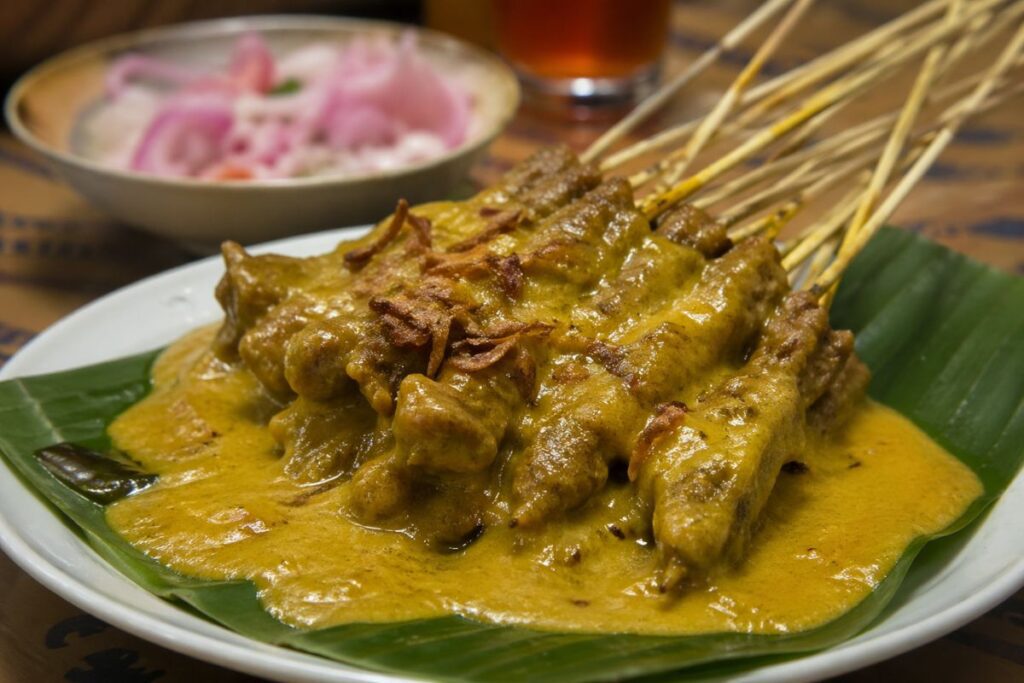
What it is: Satay Padang originates from Padang in West Sumatra. Unlike the more familiar peanut sauce satay, this version uses a thick, bright yellow sauce made from rice flour, turmeric, ginger, and offal-based stock. It is bold, unusual, and unforgettable.
Why it matters: Minangkabau culinary culture has had a profound influence on East Kalimantan’s food scene. Local culinary tradition suggests that Satay Padang has been served in Balikpapan for generations. Consequently, authentic versions are available and thriving.
2026 insight: Food tourism around Satay Padang has grown notably. Guided street food tours in Balikpapan now include Satay Padang as a dedicated stop. Furthermore, local food bloggers and social media creators have helped drive renewed interest among younger Indonesian and international visitors alike.
Where to find it: Evening street food markets and established Padang restaurants throughout Balikpapan.
Flavour note: Intensely savoury, turmeric-forward, and unlike any satay you have likely tried before.
9. Functional and Healthy Herbal Tea
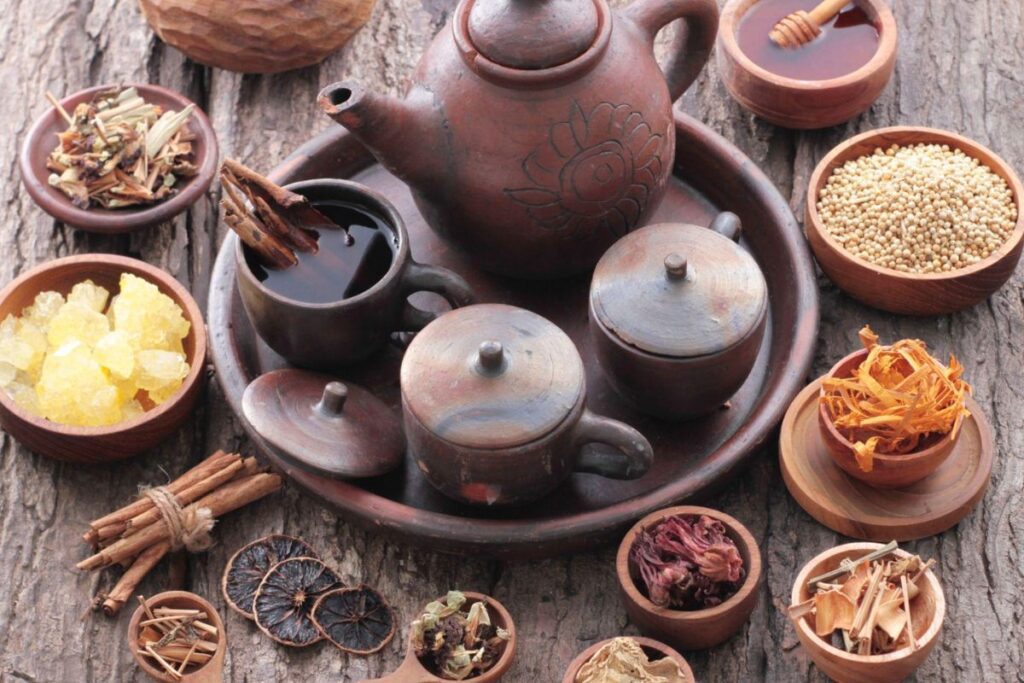
What it is: Borneo’s rainforest is one of the most biodiverse ecosystems on Earth. Local herbal tea traditions draw on this abundance — using roots, barks, leaves, and flowers to create drinks with both flavour and reported wellness benefits.
Why it matters: Indonesia has a long tradition of jamu — herbal medicine consumed as a drink. In East Kalimantan, local variants incorporate Bornean botanical ingredients not found elsewhere. As a result, herbal teas here are genuinely unique.
2026 insight: According to regional wellness tourism data, functional beverage demand has grown sharply across Nusantara’s visitor demographic. In response, tea producers and cafés are investing in premium, branded herbal tea products. Moreover, several local herbalists are now collaborating with Nusantara’s sustainability-focused hospitality sector.
Where to find it: Wellness cafés, hotel spa menus, and dedicated herbal tea stalls at Balikpapan’s market complexes.
Flavour note: Earthy, warming, and deeply calming. Each blend tells a small story about Borneo’s extraordinary natural world.
10. Babi Guling (Spit-Roasted Pig)
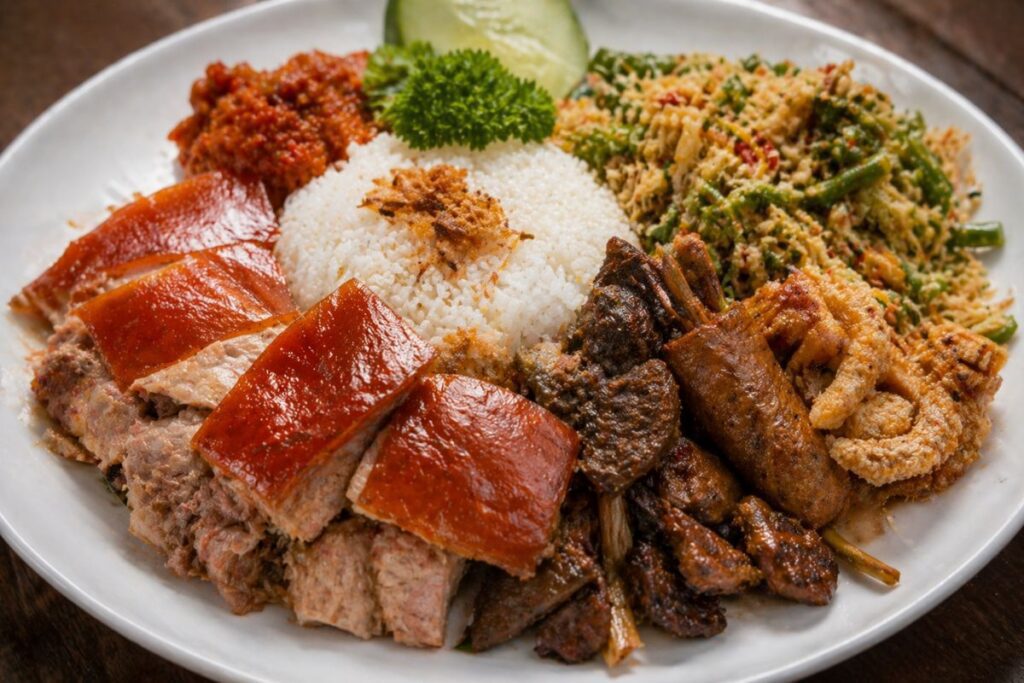
What it is: Babi Guling is a Balinese ceremonial dish. A whole pig is rubbed with turmeric, lemongrass, ginger, and chilli paste, then slow-roasted on a spit over open coals. The skin becomes crackingly crisp. The meat inside stays moist and intensely spiced.
Why it matters: East Kalimantan has a significant Balinese community, many of whom relocated during Indonesia’s transmigration programmes. Consequently, Balinese food culture — including Babi Guling — has taken root in the region.
2026 insight: Babi Guling is less widely available than other dishes in this guide, as it is a pork dish in a predominantly Muslim region. However, dedicated Balinese restaurants and community areas in Balikpapan serve it with full ceremony. For non-Muslim travellers, it remains an extraordinary culinary experience and a meaningful cultural encounter.
Where to find it: Balinese community restaurants in Balikpapan, particularly around the Sepinggan and Gunung Bahagia districts.
Flavour note: Crisp, aromatic, and richly spiced. Eating Babi Guling is always a celebratory act.
How to Get to Nusantara from Europe and the UK
There are no direct flights to Nusantara itself yet. Instead, the primary gateway for international travellers is Sultan Aji Muhammad Sulaiman Sepinggan International Airport in Balikpapan (BPN). From there, Nusantara is approximately 90 minutes by road.
Typical Routing from Europe and the UK
Travellers from London, Manchester, Paris, Amsterdam, and Frankfurt typically route through one of the following hub airports:
- Singapore (SIN) — then onward to Balikpapan via Garuda Indonesia or Batik Air
- Kuala Lumpur (KUL) — then onward via AirAsia or Malindo Air
- Jakarta (CGK) — then domestic connection to Balikpapan
- Doha (DOH) or Dubai (DXB) — via Qatar Airways or Emirates, then connecting through Singapore or Kuala Lumpur
Total journey time from London typically ranges from 18 to 24 hours, depending on layover durations. Furthermore, booking flexible tickets is advisable for 2026 travel, as Nusantara’s infrastructure continues to develop rapidly.
2026 Travel Considerations
- Balikpapan Airport expanded its international terminal capacity in 2024. Consequently, connections are smoother than in previous years.
- A new toll road linking Balikpapan Airport to the Nusantara development zone opened in late 2024. Therefore, ground transfer times have improved significantly.
- Always check Indonesian visa requirements before booking. In 2026, the Visa on Arrival facility is available to most European and UK passport holders.
Staying Connected in Nusantara: Do You Need an eSIM?
Short answer: yes. Mobile coverage across East Kalimantan has improved markedly. However, the region remains less comprehensively served than Java or Bali. An eSIM purchased before departure removes the hassle of finding a local SIM on arrival.
Why eSIMs Make Sense in 2026
- You can activate your data plan before leaving home. As a result, you have connectivity from the moment you land.
- No physical SIM card is needed. Furthermore, you can keep your home number active for calls and messages.
- Most modern smartphones — iPhone XS and later, plus most Android flagships from 2020 onward — support eSIM.
Practical Tip for Nusantara Visitors
- Airalo is among the most widely used eSIM marketplaces for international travellers. It offers regional Indonesia plans at competitive rates. That said, other providers are available, and it is worth comparing options before you buy.
Where to Stay Near Nusantara (2026 Guide)
Nusantara itself is still under active development. Accommodation within the capital zone is currently limited to official visitor facilities and government guesthouses. Therefore, Balikpapan remains the primary base for most travellers visiting Nusantara in 2026.
What to Expect from Balikpapan Hotels
Balikpapan offers a solid range of accommodation. International business hotels dominate the upper segment of the market. Additionally, mid-range and budget options are widely available. The city’s hotel infrastructure has expanded significantly since Nusantara construction activity began. Consequently, availability is generally good — though advance booking is advisable during government event periods.
Where to Stay – Hotels in Balikpapan, Indonesia
| Hotel Name | Address | Contact | Rating | Action |
|---|---|---|---|---|
| Four Points by Sheraton | Jalan Pelita No.19, Sepinggan Raya | +62 542 8525888 | BOOK NOW | |
| Pentacity Hotel | Balikpapan Superblock, Jl. Jenderal Sudirman | +62 819-821-100 | BOOK NOW | |
| Grand Jatra Hotel | Jalan Jendral Sudirman No. 47 | +62 822-5310-0478 | BOOK NOW | |
| Novotel Balikpapan | Jl. Brigjen Ery Suparjan No. 2 | +62 542 820820 | BOOK NOW | |
| Golden Tulip Hotel & Suites | Grand Sudirman, Jln Jend Sudirman No 7 | +62 542 733999 | BOOK NOW |
Practical Booking Tips
- Book at least four to six weeks in advance if visiting during Indonesian public holidays.
- The areas closest to Balikpapan’s waterfront and the Sepinggan commercial district offer the most convenient access to restaurants, markets, and the airport.
- Furthermore, several boutique and locally owned guesthouses have opened near the Nusantara development zone in 2025 and 2026, offering a more immersive local experience for adventurous travellers.
Conclusion: Why Nusantara Belongs on Your 2026 Travel List
Nusantara is, without question, one of the most fascinating travel destinations in the world right now. It is a city being born in real time. Moreover, its food scene is telling the story of Indonesia’s future — multicultural, creative, health-conscious, and deeply proud of its heritage.
From smoky Konro Bakar ribs to delicate mochi pastries, from ceremonial Babi Guling to innovative vegetable cocktails, the food of Nusantara reflects the extraordinary diversity of the Indonesian archipelago. Furthermore, it shows how a new city can honour its roots while reaching confidently toward something new.
In 2026, Nusantara is no longer simply a construction project. It is a living, eating, breathing destination. And for those willing to go beyond the obvious, it offers a travel experience that is completely unlike anything else in Southeast Asia.
The question is not whether to visit. It is how soon you can get there.
FAQs
1. How do travellers reach Nusantara?
Most visitors fly into Sultan Aji Muhammad Sulaiman Sepinggan Airport (BPN) in Balikpapan. After landing, they continue to Nusantara by road or boat, and the journey usually takes 1.5 to 2 hours. Because transport options vary by time of day, planning ahead helps avoid delays.
2. When is the best time to visit Nusantara?
The dry season from April to October offers the most reliable weather. Even so, Kalimantan stays humid and tropical year‑round, so brief rain showers can still appear without warning.
3. What should visitors wear?
Travellers should dress modestly and comfortably, especially when exploring local communities outside the main development zones. Since cultural norms value respectful clothing, covering shoulders and knees is a smart choice.
4. Are there any health or safety considerations?
Yes. Visitors should stay hydrated, carry essential medication, and check recommended vaccinations before travelling. In addition, it is safer to drink bottled or filtered water, as tap water may not always be suitable.
5. What currency is used in Nusantara?
The local currency is the Indonesian Rupiah (IDR). Although major hotels accept cards, many rural or developing areas still rely on cash. Therefore, carrying IDR before leaving Balikpapan is a practical move.
6. What cultural etiquette should travellers follow?
Always ask before taking photos of local residents or religious activities. Moreover, when giving or receiving items, use your right hand, as this gesture aligns with local customs and shows respect.
7. Do visitors need a visa to enter Indonesia?
Visa rules depend on nationality. Many travellers must complete an online customs and health declaration before arrival. Because regulations change often, checking the latest requirements before travelling is essential.
8. What should visitors know about Nusantara’s infrastructure?
Nusantara is still under development, so some districts may have limited facilities or ongoing construction. However, the core administrative zones already offer more modern infrastructure.
9. Is English widely spoken in Nusantara?
English is spoken in tourist areas, hotels, and government zones, but less so in rural communities. Even so, learning a few basic Bahasa Indonesia phrases makes communication easier and shows cultural respect.
© 2026 — Original content produced for premium travel editorial. All cultural, culinary, and travel information represents independent editorial opinion based on publicly available data. Details subject to change; always verify visa requirements, transport connections, and accommodation availability directly with relevant operators before travel.
Editorial & Accuracy Standards
- Expert Review:
Ammara Azmat,
Senior Travel Mobility Analyst (12+ years experience) - Status: Verified for accuracy against official 2026 service data and real-time traveller reports.
- Our Process: This content follows our Fact-Checking Policy.