

How to Eat Like a New Yorker: Borough Tips and Tipping Rules
Sunset Weekly Disclosure: To help keep our guides free, this post contains affiliate links. If you click through and make a booking (such as hotels, flights, tours, or travel experiences), we may earn a commission at no extra cost to you. Sunset Weekly is an independent travel and lifestyle publication. While we may receive compensation from affiliate partners, this does not influence our editorial content, recommendations, or opinions. #ad
Quick Answer: New York City ranks among the world’s great food cities. However, it operates on different economics from most. Food quality is exceptional across every borough. Manhattan’s tourist zones charge some of the highest restaurant prices in the world — for results that rarely match what a fraction of that money buys in the outer boroughs. Understanding the borough system, respecting the tipping culture, and eating where New Yorkers eat transforms the experience.
Editorial note: This guide covers all five boroughs with attention to practical eating, pricing, and realistic traveller expectations. Pricing reflects 2025–2026 conditions. No restaurants, tourism bodies, or commercial operators have contributed to or influenced this content.
New York City feeds its residents from every food tradition on earth. More than 160 languages come to conversation in the city’s kitchens. Consequently, the food diversity achievable within a single subway ride has no parallel anywhere in the world. A traveller who limits eating to Manhattan accesses perhaps 20% of what the city offers. The outer boroughs — particularly Queens and Brooklyn — contain some of the most genuine cooking in the United States. Immigrant communities here cook the food of their home countries without adjusting it for an anglophone audience.
Additionally, New York food culture runs on unspoken rules that confuse first-time visitors. Tipping expectations run significantly higher than in Europe. Reservation systems require advance planning at serious restaurants. The definition of “a quick lunch” carries a different cost implication than it does elsewhere. Understanding these rules before arriving prevents wasted money and missed opportunity.
What Food Is New York City Known For?
Answer: New York is known for New York-style pizza, bagels with lox and cream cheese, pastrami sandwiches, hot dogs, and halal cart chicken over rice. Chopped cheese, egg creams, and an outer-borough immigrant food culture spanning every major culinary tradition also define the city. However, its reputation rests as much on diversity as on any single dish.

New York’s signature foods reflect successive waves of immigration. The Jewish deli tradition produced pastrami, knishes, and bagels that remain genuinely excellent at their best. However, many institutions associated with these foods now operate primarily as tourist attractions. They serve food of variable quality to visitors who don’t know the original. Meanwhile, Yemeni and Egyptian operators running halal carts across midtown Manhattan serve a chicken-over-rice plate of genuinely good, cheap food. No tourist markup applies.
Furthermore, New York’s pizza culture occupies a category of its own. The New York slice — thin, wide, and foldable — differs fundamentally from Chicago deep dish or Neapolitan pizza. Specifically, its crust achieves a distinctive texture through high-gluten flour, extended fermentation, and very hot ovens. Most pizza produced elsewhere never replicates this result.
NYC’s Essential Foods at a Glance
| Food | What It Is | Best Context |
|---|---|---|
| NY-style pizza slice | Thin, wide, foldable triangle; cheese and tomato, sold by the piece | Neighbourhood pizzeria; order a plain slice first to judge quality |
| Bagel with lox | Boiled-then-baked dense roll with smoked salmon, cream cheese, capers | Old-school Jewish delis; outer-borough bagel shops beat Midtown |
| Pastrami on rye | Thick-cut smoked and spiced beef brisket on seeded rye with mustard | Traditional Jewish delis; Katz’s Delicatessen on the Lower East Side |
| Halal cart chicken over rice | Grilled chicken and gyro meat over yellow rice; white sauce, hot sauce | Midtown carts; the best cheap New York lunch; typically under $10 |
| Chopped cheese | Ground beef, cheese, onions, and peppers on a hero roll | Bodegas in Harlem and the Bronx; deeply local and non-touristy |
| Hot dog | Boiled or griddled frankfurter with mustard, sauerkraut, or onions | Street carts; a classic New York format; quality varies widely |
| Egg cream | No eggs, no cream: carbonated water, milk, and chocolate syrup | Old-school diners; a NYC historical drink rather than a current staple |
| Black and white cookie | Soft cake-cookie with half vanilla, half chocolate icing | Bakeries and delis; a genuine NYC classic |
| Bodega bacon egg and cheese | Fried egg, bacon, and American cheese on a roll; made at speed | Any New York bodega, early morning; the actual New York breakfast |
| Smash burger | Double-stacked, lacy-edged patty; refined by NYC burger culture | Neighbourhood burger shops; strong practitioners across all boroughs |
Understanding New York’s Borough Food Geography
Answer: New York’s best food rarely sits inside Manhattan’s tourist corridors. Queens offers the city’s broadest immigrant‑driven diversity, with Flushing known for Chinese and Korean cooking and Jackson Heights for South Asian and Latin American food. Brooklyn mixes working‑class neighbourhood traditions with some of the city’s most ambitious contemporary restaurants. The Bronx preserves Italian‑American heritage around Arthur Avenue. Meanwhile, Manhattan delivers almost everything, though diners usually pay a noticeable premium for it.
Manhattan: What to Seek and What to Skip

Manhattan contains extraordinary food, but it also concentrates many of the city’s most tourist‑oriented restaurants. As a result, it is the borough most likely to disappoint travellers who arrive without a plan. The neighbourhoods with the most grounded, everyday cooking sit either well north or well south of the midtown visitor core, so exploring beyond the obvious areas pays off.
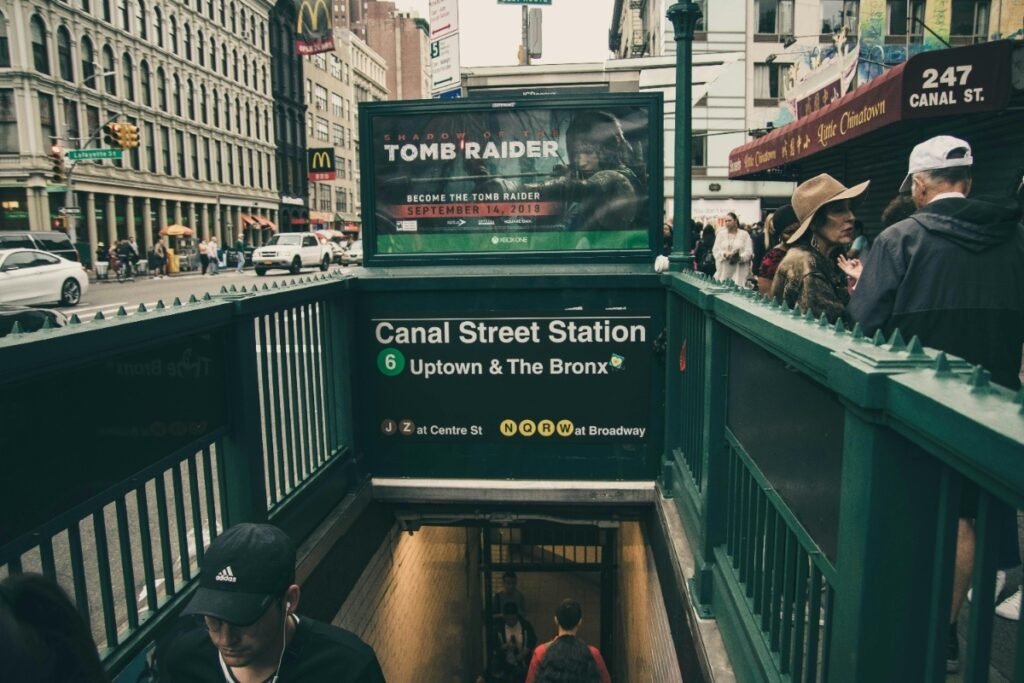
Lower East Side and East Village hold some of the city’s most interesting eating. The Jewish deli tradition sits alongside newer restaurants from immigrant communities. Chinatown, centred on Canal Street, produces excellent, inexpensive dim sum and roast‑meat‑over‑rice dishes, although it operates at a smaller scale than Flushing. Harlem contributes some of Manhattan’s most genuinely local food, including soul food restaurants, Dominican chicken shops, and the chopped‑cheese culture shared with the Bronx.
By contrast, Midtown — especially Times Square, the Grand Central area, and much of the West 40s and 50s — concentrates some of the least rewarding restaurant spending in the city. A traveller who eats every meal in Midtown ends up spending the most money for the least interesting food.
Queens: The World’s Most Diverse Food Borough
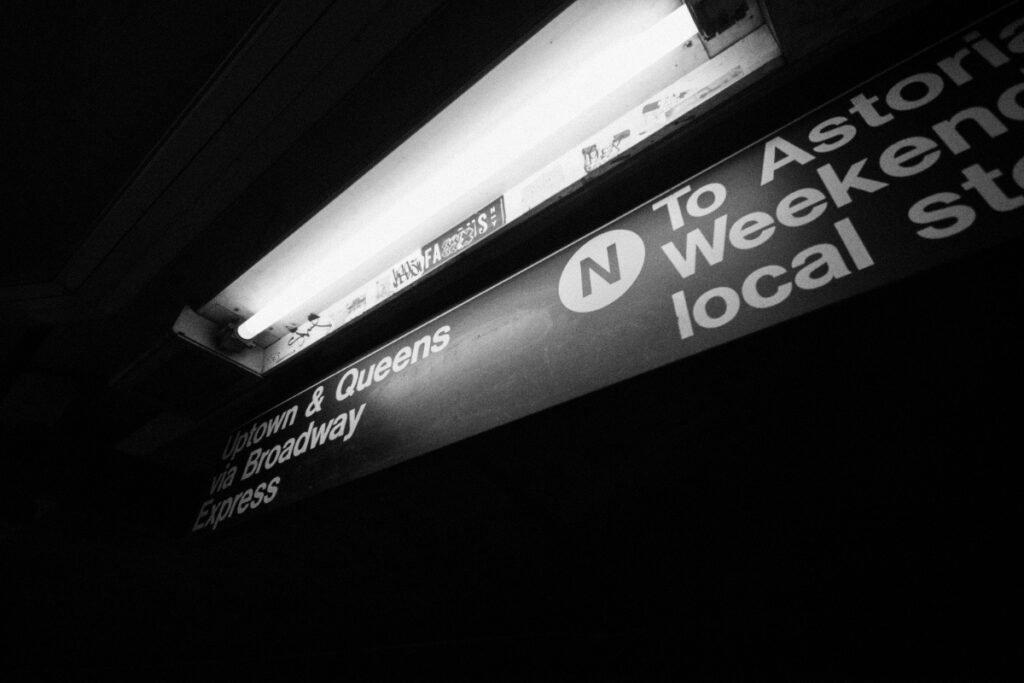
Queens contains more linguistic diversity than any other urban area on earth. Its restaurant landscape reflects this directly. Specifically, no other borough in any world city offers the same combination of food authenticity, geographic concentration, and accessibility.
Flushing (accessible via the 7 train, around 40 minutes from Midtown) holds one of the most important Chinese food concentrations outside mainland China. The Flushing Mall food court, New World Mall food court, and the streets around Main Street and Roosevelt Avenue produce Sichuan hotpot, hand-pulled noodles, soup dumplings, Fujianese seafood, and Korean fried chicken. Prices sit at budget-eating level by any comparable standard. Moreover, Flushing operates as a genuine Chinese-Korean community destination, not a tourist Chinatown. Consequently, the food reflects what residents actually eat.
Jackson Heights (also the 7 train, around 30 minutes from Midtown) delivers South Asian cooking — specifically Nepali, Bangladeshi, and North Indian. Colombian, Ecuadorian, and Mexican options fill the surrounding streets. The section of Roosevelt Avenue between 74th and 90th Streets produces one of the most concentrated stretches of authentic, affordable eating in any American city.
Brooklyn: Neighbourhood Cooking and Contemporary Restaurants
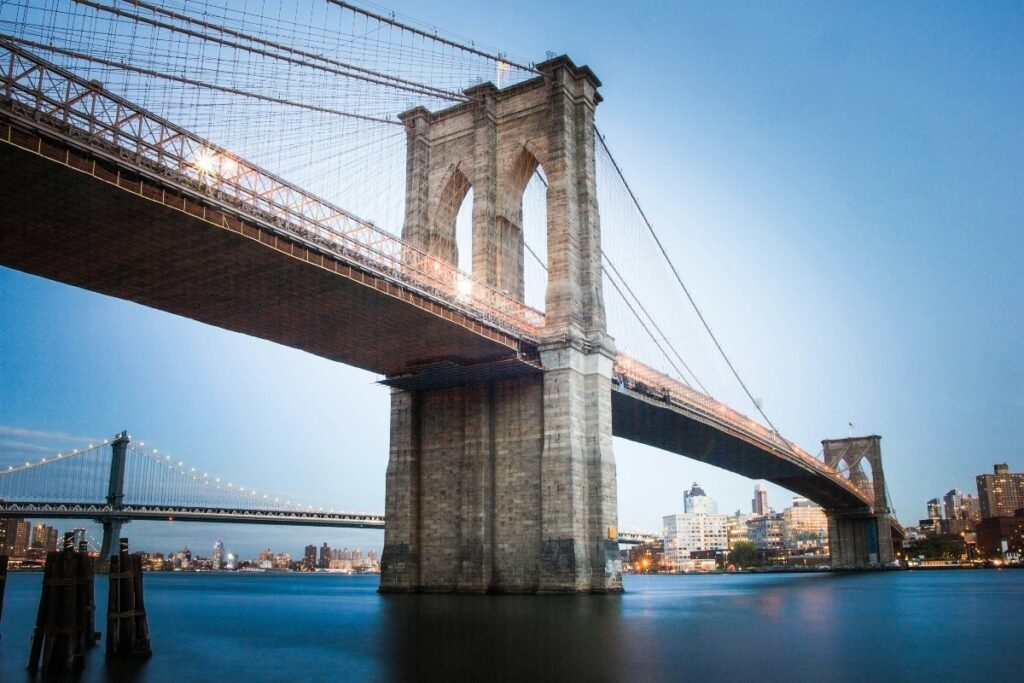
Brooklyn operates across two food registers simultaneously. On one hand, its working-class neighbourhoods produce genuinely local cooking at prices well below Manhattan rates. Flatbush serves Caribbean and Haitian food; Sunset Park offers Chinese and Mexican; Bay Ridge has Middle Eastern; Sheepshead Bay covers Russian and Eastern European. On the other hand, Williamsburg, Park Slope, and Carroll Gardens host some of New York’s most interesting contemporary restaurants.
The split for most travellers is simple. For immigrant food traditions and everyday value, go to south and east Brooklyn. For contemporary American cooking, natural wine bars, and chef-driven restaurants, Williamsburg delivers the most concentrated options outside Manhattan.
The Bronx: Arthur Avenue and Beyond
Arthur Avenue in the Bronx represents New York’s most intact Italian-American market and restaurant culture. It is more genuine and less tourist-facing than anything in Manhattan’s Little Italy. Specifically, the Arthur Avenue Retail Market, the surrounding pasta shops, cheese importers, and red-sauce restaurants produce Italian-American cooking at its most authentic. A lunch of pasta, aged provolone, and a cannoli on Arthur Avenue represents a genuinely different New York eating experience. Nothing in Manhattan matches it.
How Expensive Is Food in New York City?
Answer: New York is one of the most expensive cities in the world for eating out. Budget travellers eating street food, halal carts, and dollar slices can manage on $25–$35 per day. However, mid-range sit-down dining in Manhattan requires budgeting $50–$90 per person per meal including tip. Tipping runs 18–22% — not the European 10% — making it a significant additional cost that catches visitors unprepared.
Pricing by Meal Type
| Meal Type | Typical Cost (per person) | Notes |
|---|---|---|
| Dollar slice of pizza | $1.50–$4.00 | The original “dollar slice” now typically costs $1.50–$3 |
| Halal cart plate | $7–$12 | Chicken over rice; one of NYC’s best-value meals |
| Bodega bacon egg and cheese | $4–$7 | The standard New York breakfast; quality varies by bodega |
| Bagel with lox (deli) | $14–$22 | Tourist delis charge more; outer-borough delis charge less |
| Lunch (fast casual, Midtown) | $18–$28 | Salad bar, sandwich chains, casual sit-down |
| Lunch (outer boroughs) | $12–$20 | Significantly better value than Manhattan equivalents |
| Mid-range dinner (Manhattan, before tip) | $45–$80 | Starter, main, drink; tip will add 18–22% |
| Mid-range dinner (Brooklyn/Queens) | $30–$55 | Similar quality; lower baseline price |
| Fine dining tasting menu (Manhattan) | $195–$375+ | Before tip, wine pairing, or service charge |
| Coffee (independent café) | $4–$7 | Specialty coffee culture is well developed; prices reflect this |
| Draft beer (neighbourhood bar) | $7–$12 | Tourist and hotel bars charge considerably more |
| Cocktail (cocktail bar) | $16–$24 | NYC cocktail bars are excellent but expensive |
| Brunch (full, sit-down, weekend) | $30–$55 | Before tip; waits of 45–90 minutes common at popular spots |
The Tipping Reality
Tipping in New York requires specific attention from international visitors. The social expectation differs substantially from European norms. At sit-down restaurants, 18% constitutes the minimum acceptable tip. 20% is the social standard; 22% is common for good service. Leaving 10–15% reads as a poor tip, not a generous European gesture.
Furthermore, the city’s restaurant economics depend on tips. Servers’ base wages run well below the cost of living. Tips make up the majority of their income. Specifically, most card payment terminals display pre-calculated options at 18%, 20%, and 22%. This makes the minimum expectation visible to every diner.
Additionally, tipping extends beyond restaurants. Baristas at coffee shop counters now face tip prompts on every transaction. Café counter tips typically run $1–$2. Food delivery platforms add tip prompts at checkout. Travellers who budget only for menu prices find their food costs considerably higher than anticipated.
Street Food and On-the-Go Eating
Answer: New York’s street food culture divides between the halal cart system (excellent value, widespread in Midtown), the pizza slice economy (ubiquitous, variable quality), and the hot dog cart (historical rather than gastronomically significant). Outer-borough taco and elote vendors in Queens, the Bronx, and Brooklyn operate with no tourist markup whatsoever. These are the city’s best street food.
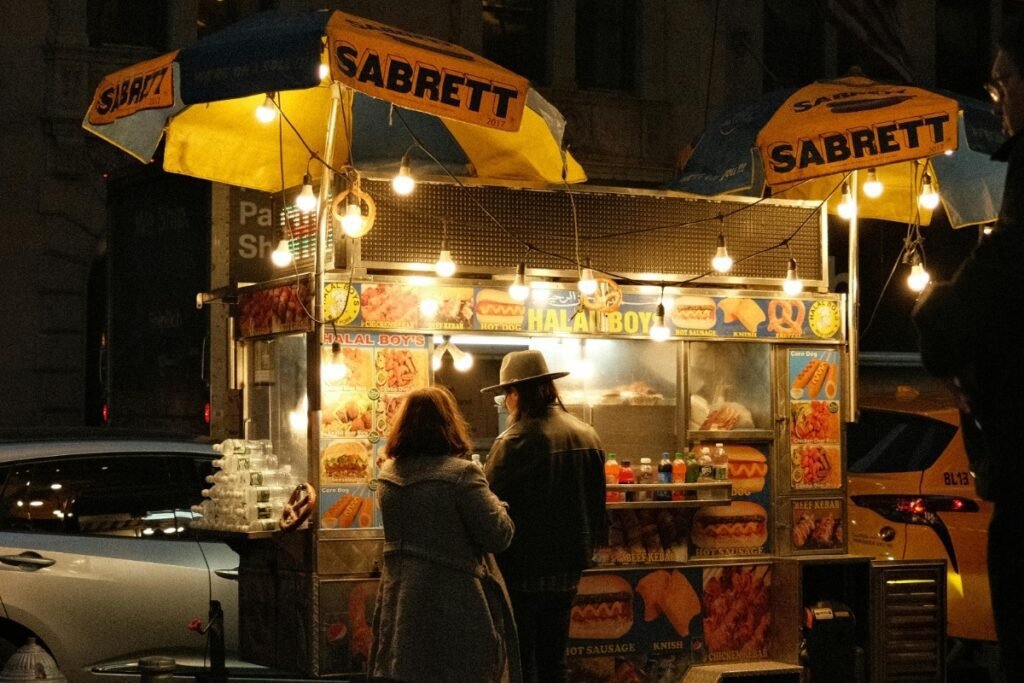
The Halal Cart
The halal cart system represents one of New York’s most underrated food institutions. Carts across Midtown and beyond serve grilled chicken, gyro-style sliced beef, and yellow rice. Toppings include white sauce (a garlicky yoghurt-based condiment), hot sauce, and salad. The full plate costs $8–$12. The Halal Guys operation on 53rd Street and 6th Avenue spawned a restaurant chain. However, the actual cart (open from 10 AM through to the early hours) still produces the original version. Comparable carts operate across the city at similar prices.
Furthermore, the halal cart formula works because it delivers a complete, filling meal at a price no Midtown sit-down restaurant matches. Consequently, it functions as the office worker’s lunch solution and the budget traveller’s best meal in the most expensive part of the city.
Pizza by the Slice
The New York slice economy runs on a simple principle. Order by the piece, eat standing or on a nearby kerb, and pay a reasonable amount. A properly made New York slice costs $2–$4. Neighbourhood pizzerias — particularly in residential areas away from tourist streets — tend to produce better pizza than branded operations near major attractions.
Quality indicators are specific. The crust should flex without breaking. Its underside should carry some char from a very hot oven. The cheese should pull without breaking into hard clumps. The sauce should taste of tomato rather than sugar. Additionally, the “fold test” — whether the slice holds its shape when folded lengthways — distinguishes a properly made slice from an undercooked one.
Outer-Borough Taco Trucks and Carts
The most authentic and affordable taco culture in New York concentrates in Sunset Park (Brooklyn), Jackson Heights and Corona (Queens), and the South Bronx. Specifically, evening taco trucks on Roosevelt Avenue in Queens serve tacos de canasta, al pastor, and lengua at $3–$5 each. No adjustment for a tourist audience is necessary — the audience is primarily Mexican. Similarly, elote (Mexican street corn with crema, cotija cheese, and chilli) and esquites (the same preparation in a cup) appear from outer-borough carts. Prices run well below anything in Manhattan.
New York’s Drinking Culture
Answer: New York supports one of the world’s great cocktail bar cultures. It also has a well-developed independent coffee scene, serious natural wine bars, and a neighbourhood bar tradition built around cheap beer and conversation. However, bar drinking in NYC carries significant costs. Cocktails in Manhattan bars average $16–$24 each. The gap between a local neighbourhood bar and a tourist-facing hotel bar can reach 100% on the same drink.
Coffee Culture
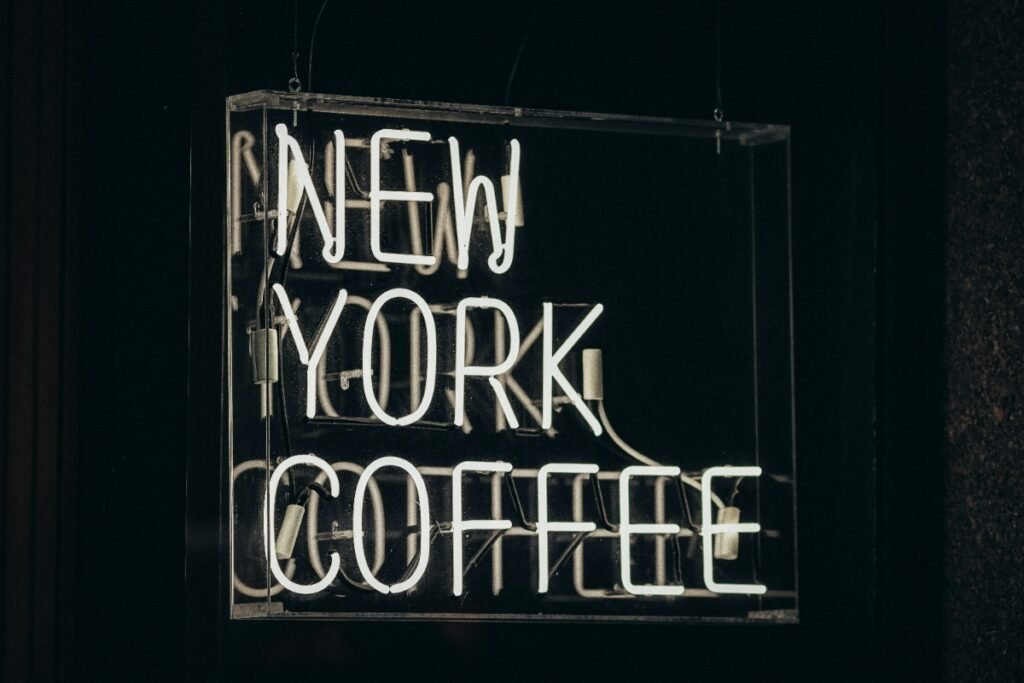
New York’s specialty coffee scene competes with any city in the world. Specifically, roasters and café operators across Brooklyn and lower Manhattan have built a serious independent coffee culture. They treat sourcing, extraction, and service with genuine rigour. The standard drink here is a flat white or filter coffee. It is not the elaborate Frappuccino-style beverage that American chains normalised.
However, the classic New York diner coffee remains a parallel institution entirely. It is bottomless, mediocre drip coffee served in a ceramic mug with a pre-emptive refill. Furthermore, the paper cup with the blue Greek key design (a New York icon in its own right, designed by the Sherri Cup Company in 1963) remains the vessel of choice for the city’s walk-to-work coffee culture.
Cocktail Bars and Neighbourhood Bars
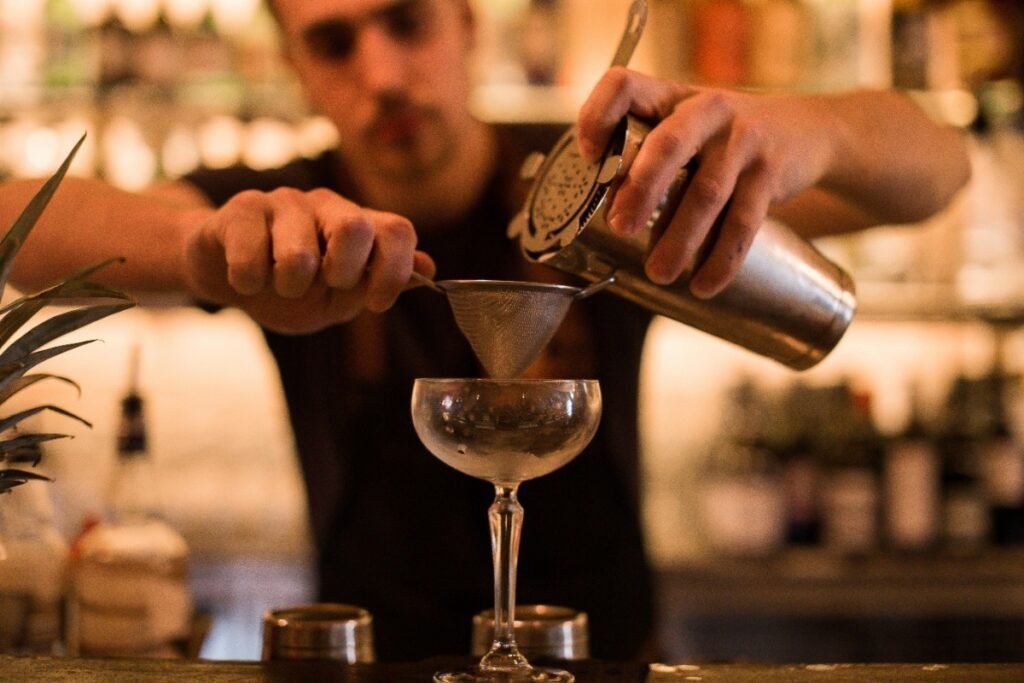
New York pioneered the modern craft cocktail movement in the early 2000s. The city’s cocktail bar culture remains among the most technically sophisticated in the world. Specifically, bars in the East Village, Lower East Side, and Brooklyn produce cocktails with genuine craft. House-made ingredients, precise technique, and a considered drink list are the standard.
However, these bars charge accordingly. A cocktail in a serious NYC bar costs $16–$24. Moreover, a 20% tip on each round makes an evening of cocktail drinking expensive by any standard. Budget-conscious evenings find a better alternative in the neighbourhood dive bar — unpretentious, cheap, and often more interesting socially than polished cocktail lounges.
The Bodega and Deli
New York’s bodegas (corner stores, typically operated by Dominican or Yemeni families) and old-school delis occupy a unique cultural space. The bodega functions not just as a convenience store but as a neighbourhood social anchor. Specifically, the bacon, egg, and cheese (BEG) sandwich assembled behind the counter is the most genuinely local breakfast food in the city. Construction workers, office workers, and students eat it with equal regularity.
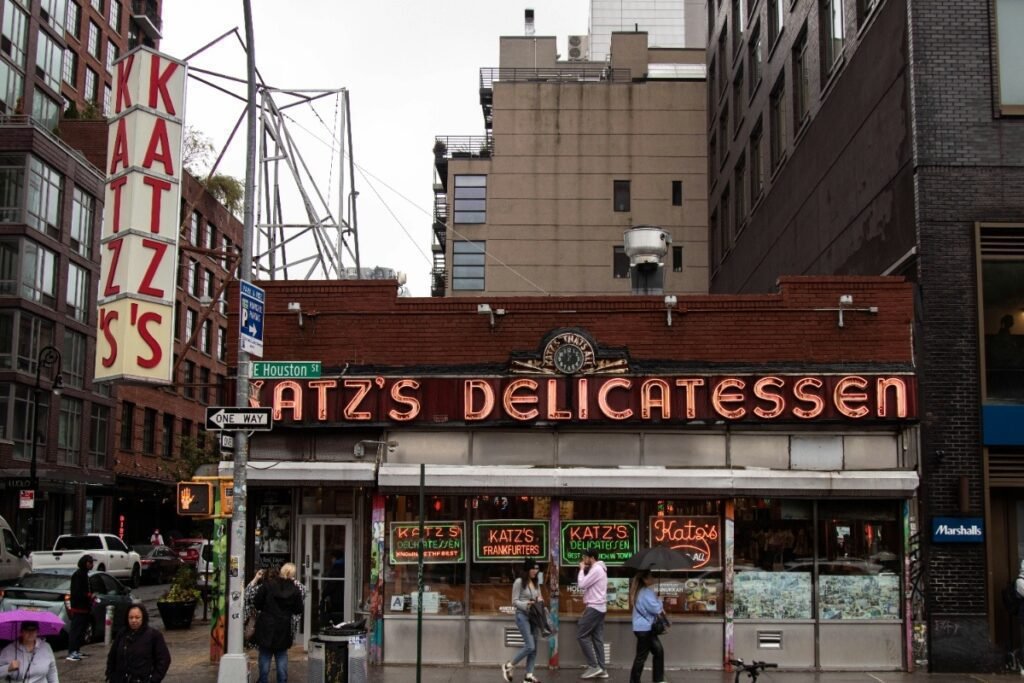
Additionally, old-school Jewish delis represent living food history. Katz’s on the Lower East Side, Russ & Daughters on Houston Street, and the 2nd Avenue Deli are the handful of survivors. Katz’s pastrami sandwich costs over $25. This reflects the genuine quality of hand-sliced, house-cured meat. It also reflects the reality that operating a traditional deli in New York is expensive. Furthermore, tourist traffic at Katz’s means long weekend queues. Arriving at 11:00 on a weekday morning avoids the worst of it.
| Drink | Best Context | Typical Cost |
|---|---|---|
| Specialty filter coffee | Independent café, Brooklyn or Lower East Side | $4–$6 |
| Flat white | Independent café | $5–$7 |
| Craft cocktail | East Village, Lower East Side, Williamsburg bar | $16–$24 |
| Draft beer (neighbourhood dive bar) | Any outer-borough neighbourhood bar | $5–$8 |
| Natural wine (glass) | Natural wine bar, Brooklyn or East Village | $14–$22 |
| Diner coffee (bottomless) | NYC diner | $3–$5 |
| Egg cream | Old-school diner or soda fountain | $4–$6 |
What Should Tourists Avoid?
Answer: Times Square restaurants represent the single most consistent tourist trap in New York City. Overpriced, often chain-operated, and entirely disconnected from the food the city actually produces — they exist to capture visitor spend, not to deliver good cooking. However, the tourist-food problem extends beyond geography. Celebrity-chef tourist destinations, hotel restaurants, and theme restaurants charge extreme premiums regardless of location.
Location-Based Traps
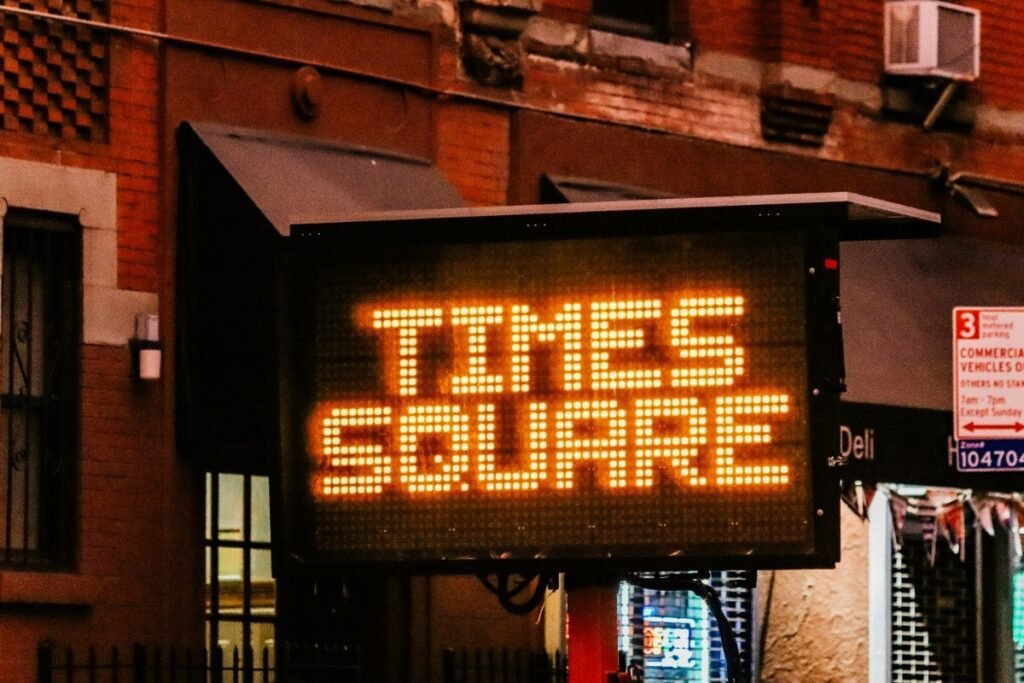
Times Square: The restaurant options concentrated in and around Times Square cater almost entirely to visitors and theatre-goers. Chain restaurants charge Manhattan prices with chain-restaurant ambition. Specifically, a dinner for two — including tax and the expected 20% tip — easily reaches $120–$180. The same food costs a fraction of that in a neighbourhood five minutes away by subway.
Grand Central and Penn Station adjacents: The restaurants surrounding major transit hubs operate on captive-audience logic. Consequently, the closer a restaurant sits to a train station or tourist attraction, the higher the premium it charges. The expectation is that visitors won’t return. Moving two blocks away consistently produces the same food for noticeably less.
The tourist deli: New York has genuine delis worth visiting. However, a category of tourist-facing deli near major attractions charges $18–$25 for a bagel with lox of unremarkable quality. The reliable indicator is a laminated menu, multiple photographs of food, and a lack of local customers at the counter.
Ordering Mistakes
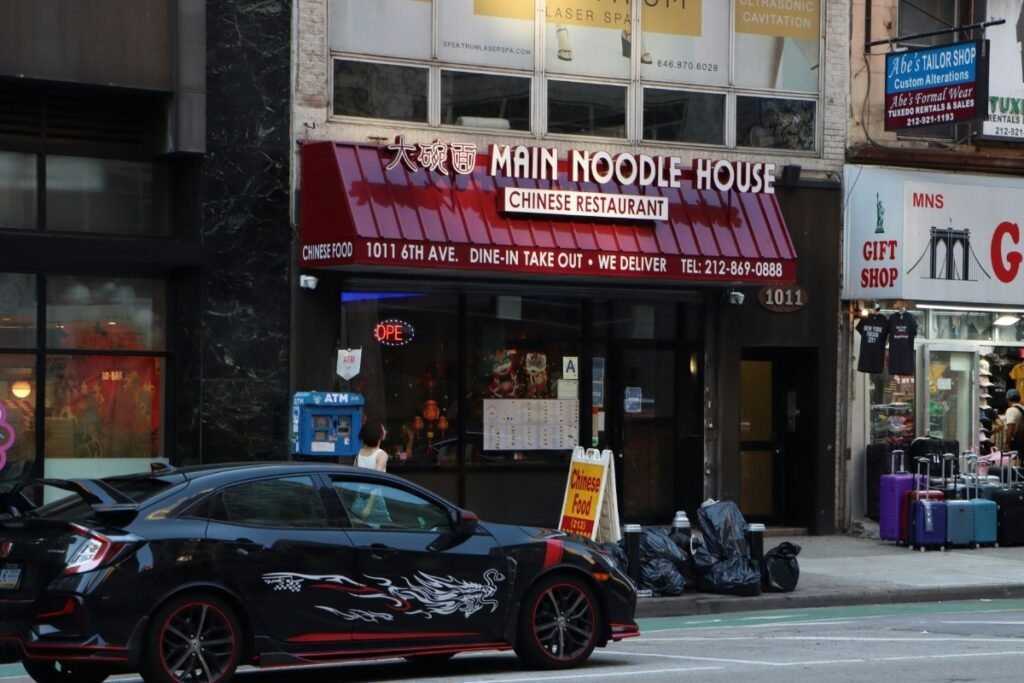
Brunching without a plan: Weekend brunch in New York involves waits of 45–90 minutes at popular spots in Williamsburg, the West Village, and Park Slope. Arriving without a reservation or before the rush (before 10:00) produces a better experience. Additionally, the bottomless-drinks brunch format can represent false economy. The food quality on a brunch menu rarely matches what the same kitchen produces at dinner.
Cocktails at a casual restaurant: NYC restaurants often mark up basic spirits dramatically. Ordering a glass of wine at a mid-range restaurant typically costs $15–$20. Ordering a cocktail runs $16–$25. Both represent significant additions to a bill that already carries an 18–20% tip. Consequently, choosing wine over cocktails, or eating near a good bar and drinking there afterwards, frequently produces better value.
Local Dining Etiquette in New York City
Answer: New York dining culture moves fast by default and rewards directness. Tipping at 18–20% is not optional — it reflects the economic reality of restaurant staffing in the city. Reservations matter more in New York than in almost any other food city. Moreover, dinner service starts early by European standards. Most kitchens close by 22:00–23:00.
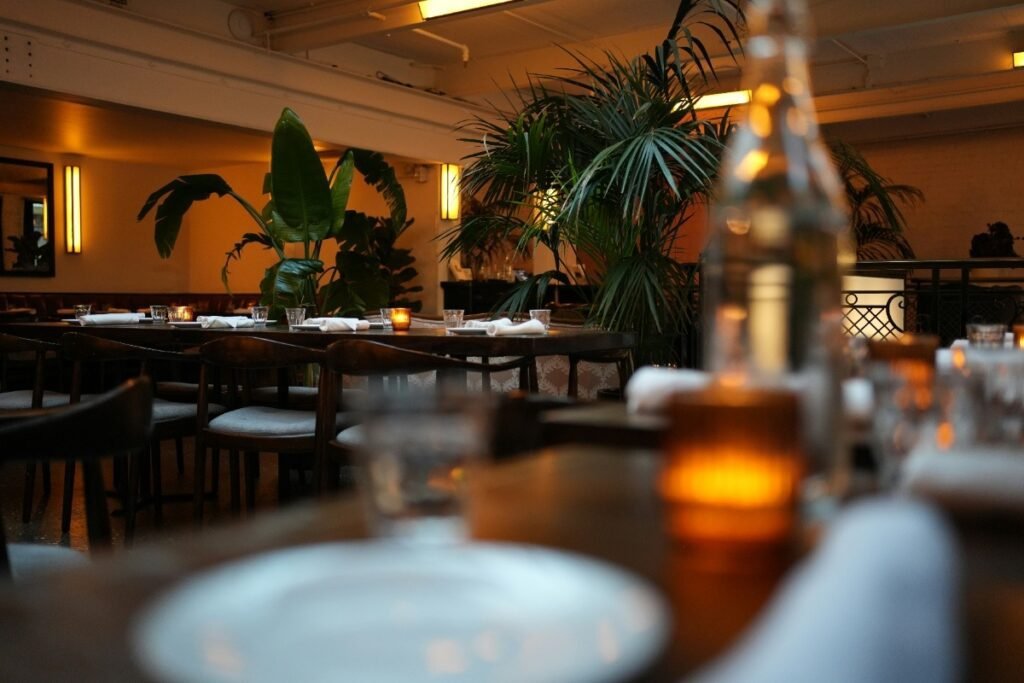
Table Customs and Service
New York restaurants do not operate on a European pace. Tables turn faster and service moves more efficiently. The expectation of lingering for hours over a meal is less culturally ingrained than in Spain or Italy. However, no reputable restaurant rushes diners unreasonably. The pace simply reflects a city where time and space operate at premium rates.
Sharing dishes is common at certain restaurant formats. Small plates bars, Asian restaurants, and modern American spots often design menus around shared ordering. At more traditional restaurants, individual ordering is the default. Specifically, asking “are these designed to share?” when looking at an unfamiliar menu provides a quick orientation without awkwardness.
Reservations
Reservations in New York require advance planning at a level that surprises most European visitors. Specifically, popular restaurants in Manhattan and Brooklyn release reservations weeks or months ahead. Platforms such as Resy and OpenTable manage this. Arriving without a reservation at a busy restaurant on a Friday or Saturday evening often produces a 60–90 minute wait or no table at all.
However, several practical workarounds exist. Bar seating at most restaurants runs on a walk-in basis. Early slots (17:30–18:30) remain available even when later times sell out. Furthermore, cancellations release regularly on reservation platforms on the day itself. Checking at 09:00 on the day you want to eat often produces slots that were unavailable earlier.
The Bill
New York bills carry a sales tax of approximately 8.875% on restaurant food and drinks. Additionally, the expected 18–20% tip adds considerably to the total. Consequently, a meal priced at $100 on the menu costs roughly $127–$130 after tax and a 20% tip. Budgeting only for menu prices underestimates the actual cost by nearly 30%.
Best Areas for Food by Budget and Traveller Type
| Traveller Type | Best Area | Why |
|---|---|---|
| Budget / street food | Midtown halal carts + Queens (7 train corridor) | Best value eating in the city; halal carts and Flushing food courts |
| Immigrant food traditions | Flushing, Jackson Heights, Sunset Park, Arthur Avenue | Authentic food from dozens of traditions at neighbourhood prices |
| Pizza obsessives | Local Brooklyn and Queens neighbourhood pizzerias | Away from tourist competition, slice quality stays high |
| Jewish deli culture | Lower East Side / 2nd Avenue area | Katz’s, Russ & Daughters, 2nd Avenue Deli; the genuine article |
| Craft cocktails | East Village, Lower East Side, Williamsburg | NYC cocktail bar culture at its most serious |
| Contemporary American dining | Williamsburg / Carroll Gardens (Brooklyn) or West Village | Chef-driven restaurants at slightly lower prices than prime Manhattan |
| Solo traveller | Any neighbourhood bar with food | NYC bar culture genuinely accommodates solo diners |
| Brunch culture | West Village, Williamsburg, Park Slope | Concentrated brunch options; go early or book ahead |
| Short stay (1–2 days) | Lower East Side + a Queens trip | Covers deli tradition, street food, pizza, and immigrant food |
| High-end dining | Tribeca, West Village, Midtown (specific restaurants) | Best fine dining in the country; budget accordingly |
Where To Stay in New York?
IHG’s New York City portfolio spans roughly 70 properties and prioritises coverage of different trip types rather than a single flagship “best” hotel. InterContinental New York Times Square serves as the landmark Manhattan luxury option in the Theatre District; Holiday Inn New York City – Times Square delivers strong value with solid transit access; and Kimpton Hotel Eventi offers a design-forward, boutique experience in Chelsea.
IHG uses New York as a showcase for nearly every brand tier it operates. This matters for travellers because you can select by neighbourhood, budget, and trip purpose while staying inside the same loyalty ecosystem — whether for Broadway shows, business, or extended stays. The portfolio includes luxury (InterContinental, Kimpton), full-service (Holiday Inn, Crowne Plaza, Hotel Indigo), and more affordable options, giving consistency on booking, points, and cancellation terms without leaving the group.
| Hotel & Location | Best For | Unique Feature | Verified Rating | Action |
|---|---|---|---|---|
|
Crowne Plaza HY36 Midtown Manhattan 320 West 36th Street, New York, NY 10018, USA |
Business & Midtown | Noted for unusually large room footprint for Manhattan standards. | 4.6/5 | BOOK NOW |
|
Kimpton Hotel Eventi Chelsea, New York City, USA |
Design & Local Feel | A stylish Chelsea base away from the Times Square crowds. | 4.4/5 | BOOK NOW |
|
Candlewood Suites New York New York City, USA |
Long Stays & Kitchens | Suites-style positioning for travellers who want more space and a kitchen setup. | 4.2/5 | BOOK NOW |
|
InterContinental New York Times Square 300 West 44th Street, New York, NY 10036, USA |
Theatre & Central Trips | One of IHG’s flagship Manhattan hotels in a prime Times Square location. | 4.2/5 | BOOK NOW |
|
Holiday Inn New York City – Times Square 585 Eighth Avenue, New York, NY 10018, USA |
Budget & Transit Access | Kids stay free and eat free, plus strong access to Penn Station and Port Authority. | 4.2/5 | BOOK NOW |
Important Things Travellers Should Know Before Eating in New York
Tipping, Costs, and Timing
- Tip 18–20% at every sit-down meal. This is not optional in New York. It is not equivalent to a European gratuity. The minimum acceptable tip is 18%; 20% is standard. A quick estimate: double the sales tax (approximately 8.875% x 2) to arrive at roughly 18%. Leaving 10% reads as a deliberate signal of dissatisfaction, not a generous European norm.
- NYC is expensive — factor in tax and tip before ordering. Menu prices do not reflect the final bill. Add approximately 28–30% to any menu price for a realistic total. Consequently, a $45 main course actually costs around $58 before any drinks.
- Dinner starts earlier than in Europe. Popular NYC restaurants begin filling at 18:00–18:30. By European standards this is early. By New York standards it is prime time. Most kitchens close by 22:00–23:00 — significantly earlier than in Spain or Italy.
- Sunday brunch is a serious institution. New Yorkers treat weekend brunch as a social event requiring planning. Popular spots fill completely and waits run long. Furthermore, the best brunch spots in Brooklyn and the West Village book out 2–3 weeks in advance.
Practicalities and Borough Navigation
- The subway reaches the best food. Flushing’s food courts, Jackson Heights’ taco corridor, Arthur Avenue’s Italian market, and Flatbush’s Caribbean restaurants all sit within 30–50 minutes of Midtown. The subway costs $2.90 a ride. Consequently, transport cost is not a serious barrier to outer-borough eating.
- Cash is useful but not always necessary. Most NYC restaurants accept cards. However, some smaller outer-borough operations prefer or require cash. Specifically, taco trucks, dim sum counters, and food court vendors often work cash-only. Carrying $40–$60 in small bills ensures access to the city’s cheapest and often best food.
- Portion sizes run large. New York restaurant portions trend significantly larger than European equivalents. Specifically, a full appetiser in a mid-range American restaurant often constitutes a complete meal by European standards. Always order conservatively and add more if needed — that beats the alternative.
- Food halls have improved significantly. Chelsea Market, Urbanspace Vanderbilt, and the food halls inside several downtown buildings now house serious food vendors. The quality in a well-curated food hall can match neighbourhood restaurants at comparable prices. Consequently, dismissing food halls as tourist infrastructure misses some legitimate options.
Frequently Asked Questions About Food in New York City
Pizza, Bagels, and NYC Classics
What makes New York-style pizza different from other pizza? New York pizza uses high-gluten flour. This produces a thin, elastic crust that supports toppings without breaking when folded. Very hot deck ovens (typically 500°F or higher) and an extended fermentation period for the dough add to the character. A specific ratio of tomato sauce to cheese completes the formula. The result genuinely differs from other pizza styles. Furthermore, the city’s water supply — notably soft and low in minerals — is widely credited by pizza makers as contributing to the dough’s texture, though this claim attracts debate.
Are New York bagels really different from bagels elsewhere? By a significant margin, yes. Traditional New York bagels use high-gluten flour and undergo a cold-fermentation period of 24–48 hours. Boiling in water before baking is the critical step. It produces the characteristic dense, chewy interior and shiny crust. The city’s water chemistry is widely considered a contributing factor. Additionally, bagels from dedicated shops in Brooklyn and Queens tend to run cheaper and often fresher than those in tourist-facing Lower Manhattan delis.
Tipping and Costs
Why is tipping so high in New York compared to Europe? The US restaurant industry structures server compensation differently from Europe. Specifically, servers in New York earn a minimum tipped wage considerably below the standard minimum wage. Tips make up the difference to a living wage or above. Consequently, the tip is not a bonus for exceptional service. It is a functional part of the server’s income. Leaving a European-level tip of 10% at a New York restaurant means the server earns considerably below minimum wage for time spent on your table.
What is the cheapest way to eat well in New York? The most reliable approach combines three formats. Halal cart plates ($8–$12) work for midday in Midtown. Outer-borough street food and food courts ($5–$15) provide genuine food diversity. The dollar-slice pizza economy ($2–$4) covers fast, filling meals without planning. A traveller eating this way accesses food traditions — Sichuan, Bangladeshi, Ecuadorian, Yemeni — that cost considerably more at specialist restaurants in London or Paris. The value comparison with any other developed-world city is straightforward.
Boroughs and Navigation
Is it worth going to Queens or Brooklyn for food? Unambiguously yes. Flushing in Queens produces some of the best Chinese food outside mainland China. Jackson Heights delivers South Asian and Latin American cooking at authenticity levels no Manhattan restaurant matches. Brooklyn’s Sunset Park produces excellent Mexican and Chinese food. Williamsburg and Carroll Gardens host some of the city’s most interesting contemporary restaurants. Specifically, the subway makes all of these areas accessible within 30–50 minutes from Midtown for $2.90. The cost-benefit calculation strongly favours the outer boroughs.
What is a bodega and why does everyone recommend them for breakfast? A bodega is a New York corner store. It typically sells groceries, drinks, cigarettes, lottery tickets, and made-to-order food. The bacon, egg, and cheese sandwich (BEG) — fried egg, bacon or sausage, and American cheese on a roll, assembled on a flat griddle — is the quintessential New York bodega breakfast. It costs $4–$7 and takes under three minutes. Moreover, the speed and price make it the choice of the city’s working population rather than its tourists. That is why it tastes better than its description suggests.
© 2026 — Editorial travel content. Not affiliated with NYC Tourism & Conventions, any New York City restaurant group, or any commercial food or hospitality operator. Pricing reflects 2025–2026 conditions and is subject to change.
Editorial & Accuracy Standards
- Expert Review:
Ammara Azmat,
Senior Travel Mobility Analyst (12+ years experience) - Status: Verified for accuracy against official 2026 service data and real-time traveller reports.
- Our Process: This content follows our Fact-Checking Policy.