
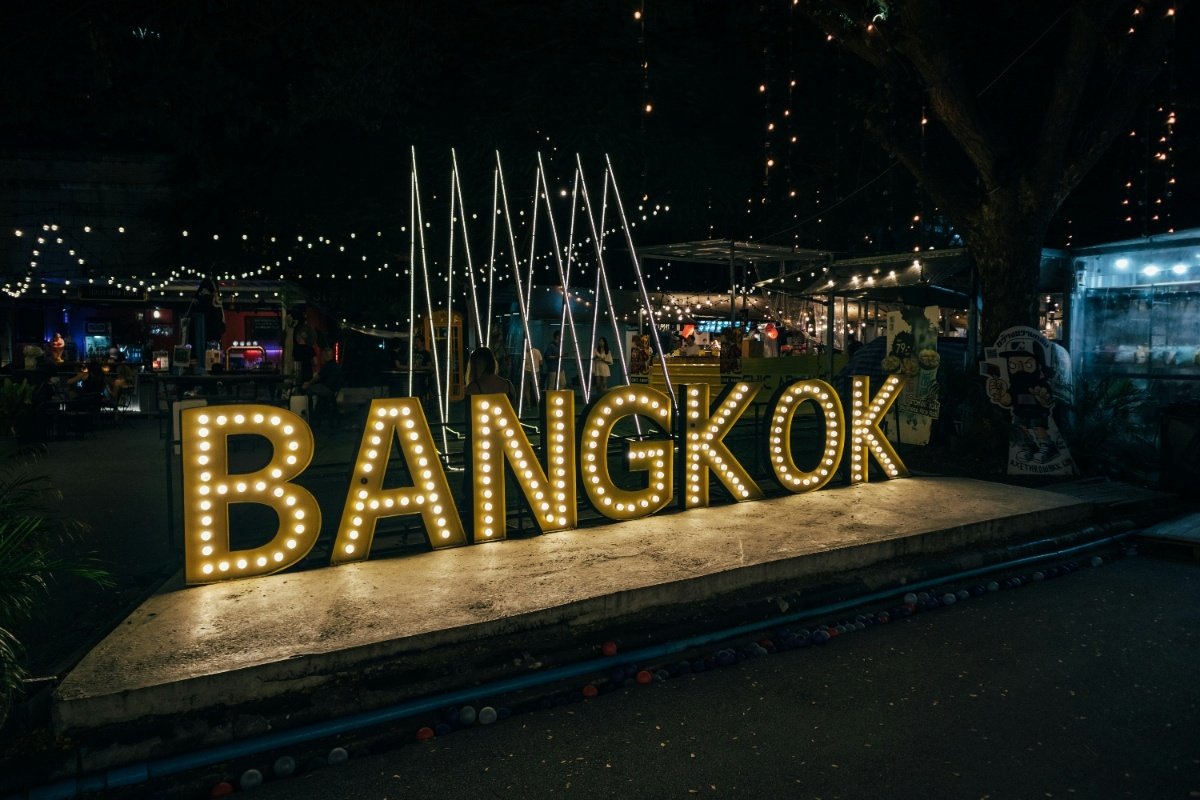
Five Flavors, Four Kingdoms: Decoding Thailand’s Regional Food Map in 2026
Sunset Weekly Disclosure: To help keep our guides free, this post contains affiliate links. If you click through and make a booking (such as hotels, flights, tours, or travel experiences), we may earn a commission at no extra cost to you. Sunset Weekly is an independent travel and lifestyle publication. While we may receive compensation from affiliate partners, this does not influence our editorial content, recommendations, or opinions. #ad
Quick Answer: Thailand offers some of the most accessible and genuinely diverse street food in the world. However, eating well here requires understanding regional variation. Thai food from Bangkok, Chiang Mai, and the south represents three distinct culinary traditions rather than one national cuisine. Food is cheap by European standards, flavours are bold, and the gap between a great meal and a tourist-grade one usually comes down to where you sit, not what you order.
Editorial note: This guide covers Thailand’s four major food regions and all principal dining contexts. Pricing reflects 2025–2026 conditions. No commercial operators have contributed to or influenced this content.
Thailand rewards curious eaters more consistently than almost any other country. The street food tradition runs deep, the ingredients are genuinely good, and the sheer variety — from delicate northern herb salads to ferocious southern curries — means most travellers never fully exhaust what the country offers. However, the tourist infrastructure built around Thai food has created a parallel dining economy where familiar dishes such as pad thai carry three to five times the local price for results that rarely justify the premium. Understanding the difference between these two economies is the most practical thing a food-focused traveller can know before arriving.
What Food Is Thailand Known For?
Answer capsule: Thailand is known for pad thai, green and red curries, tom yum soup, som tum (papaya salad), and an exceptionally strong street food culture. However, these dishes represent only Bangkok and central Thai cooking. Northern, Isan (northeastern), and southern cuisines each carry distinct traditions that most short-stay visitors never encounter.
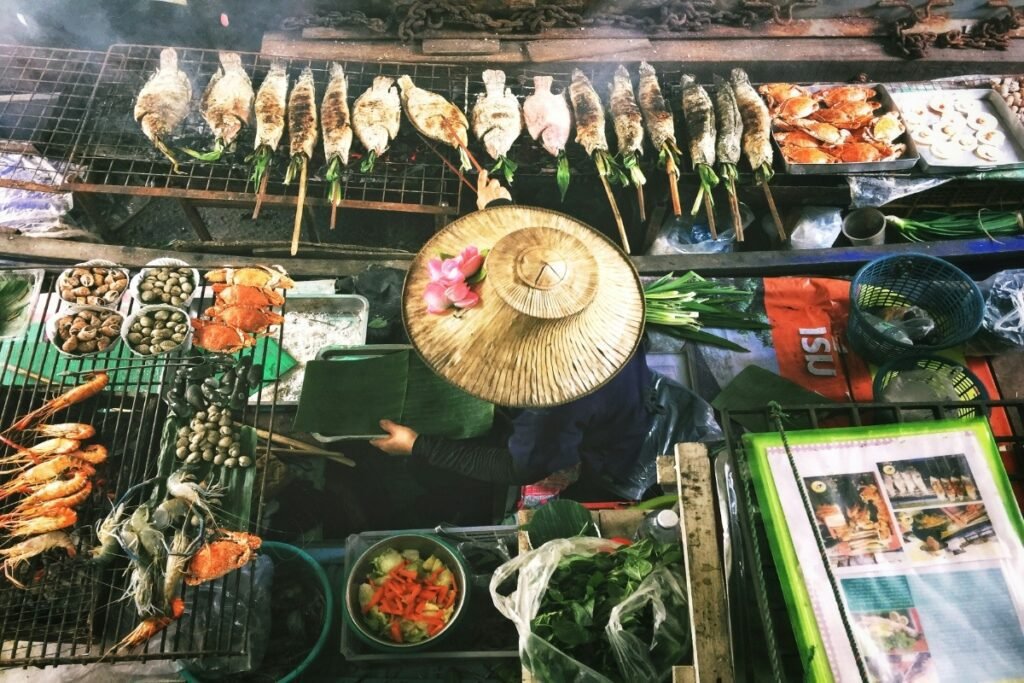
Thai food builds on five fundamental taste elements: sour, sweet, salty, bitter, and spicy. Unlike western cooking, which often prioritises one dominant flavour, Thai cooking balances all five simultaneously in every dish. This balancing act distinguishes excellent Thai cooking from adequate Thai cooking. Moreover, each region applies these elements differently, which explains why curries from Chiang Mai, Bangkok, and Hat Yai taste like three entirely different categories of food.
Fish sauce (nam pla) functions as the backbone of flavour across most dishes, often replacing salt entirely. Additionally, fresh aromatics — lemongrass, galangal, kaffir lime leaves, holy basil, and coriander — provide the complexity that makes Thai cooking distinctly more than simply spicy. Understanding these fundamentals helps travellers order intelligently rather than defaulting to tourist-menu standards.
Signature Thai Dishes Every Traveller Should Know
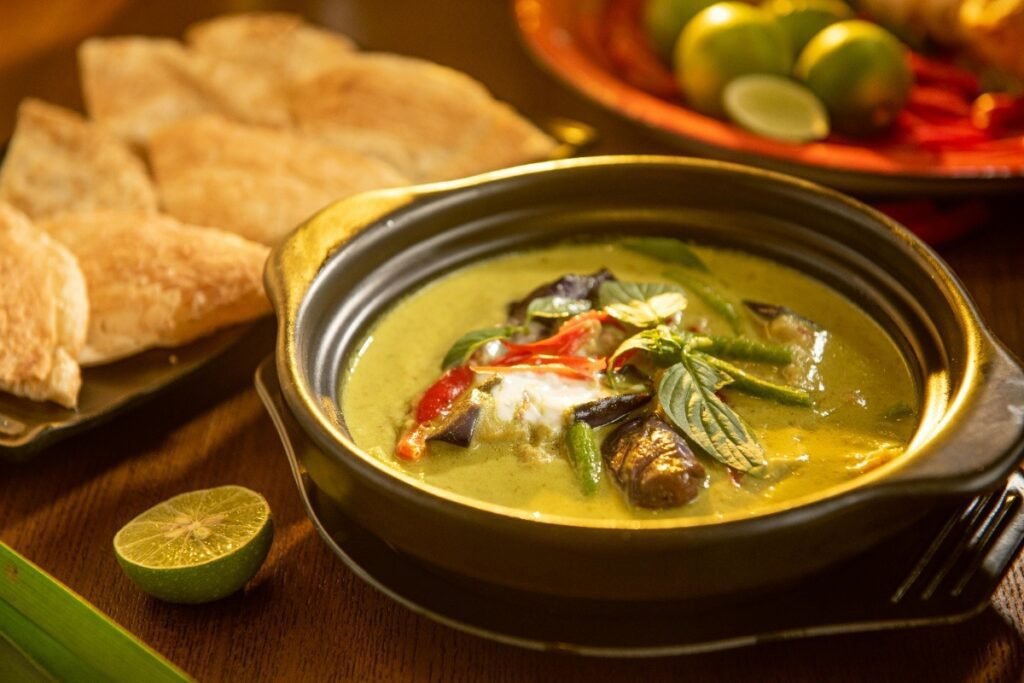
Answer: The essential Thai dishes include pad thai, green curry, massaman curry, som tum, khao man gai, larb, khao soi (north), and mango sticky rice. However, many of these belong to specific regions — consequently, ordering khao soi in Bangkok or southern gaeng som in Chiang Mai produces inferior results compared with eating them at their source.
Essential Dishes: A Quick-Reference Guide
| Dish | Region | What It Is | Best Context |
|---|---|---|---|
| Pad Thai | Central | Stir-fried rice noodles, egg, bean sprouts, peanuts | Specialist street vendor; avoid tourist-menu versions |
| Khao Man Gai | Central | Poached chicken over rice with ginger broth | Best cheap meal in Bangkok; ubiquitous shophouse dish |
| Green Curry | Central | Coconut curry with green chilli paste | Order “pet mak” for the unmodified version |
| Massaman Curry | Southern | Mild, rich curry with potatoes, peanuts, whole spices | Muslim restaurants; southern Thailand |
| Tom Yum | Central | Hot and sour prawn or chicken soup with lemongrass, galangal | Any decent Thai restaurant |
| Som Tum | Isan | Green papaya salad, pounded in a mortar; spice adjustable | Isan restaurants; specify spice level |
| Larb | Isan/North | Minced meat salad with toasted rice powder and lime | Isan shophouses; northern markets |
| Khao Soi | North | Coconut curry noodle soup with crispy noodles on top | Chiang Mai only; dedicated khao soi restaurants |
| Sai Oua | North | Herbed pork sausage with lemongrass; vendors sell by the link | Northern markets; mornings |
| Gaeng Som | South | Sour fish curry; considerably hotter than central curries | Southern Thailand fish restaurants |
| Khao Yam | South | Rice salad with herbs, dried shrimp, fermented sauce | Southern markets; unusual and excellent |
| Mango Sticky Rice | Nationwide | Sweet glutinous rice with fresh mango and coconut cream | Seasonal: best March–June |
| Pad See Ew | Central | Wide rice noodles stir-fried with egg and Chinese broccoli | Street stalls; lower heat than pad thai |
Understanding Thailand’s Regional Food Cultures
Answer: Thai food divides into four major regional traditions — central (Bangkok), northern, northeastern (Isan), and southern — each with distinct ingredients, heat levels, and cooking techniques. Most tourists encounter only central Thai food. However, the regional cuisines are often more interesting and consistently more affordable than the Bangkok-influenced cooking found in tourist areas across the country.
Bangkok and Central Thailand
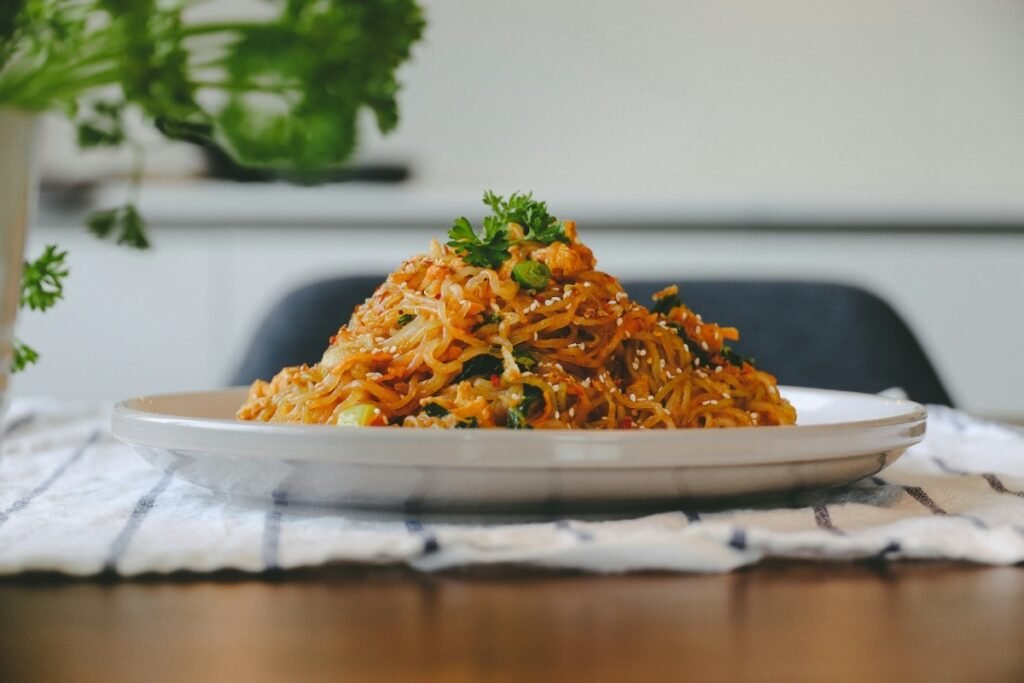
Central Thai cooking forms the international image of Thai food: coconut milk curries, pad thai, tom yum, and jasmine rice as the default starch. However, this represents a refined, court-influenced tradition compared with the more assertive flavours of the north and south.
Bangkok functions as a culinary crossroads where all regional traditions appear. As a result, a knowledgeable eater in Bangkok can access excellent Isan food, northern specialities, and southern Muslim cuisine without leaving the city. The challenge lies in finding these among the tourist-facing restaurants that dominate the most-visited neighbourhoods.
Street food in central Thailand tends toward fragrant and complex rather than aggressively spicy. Furthermore, coconut milk in many dishes moderates the heat in ways that Isan and southern cooking do not. For new arrivals, central Thai food provides the most accessible entry point into the cuisine.
Northern Thailand (Chiang Mai)
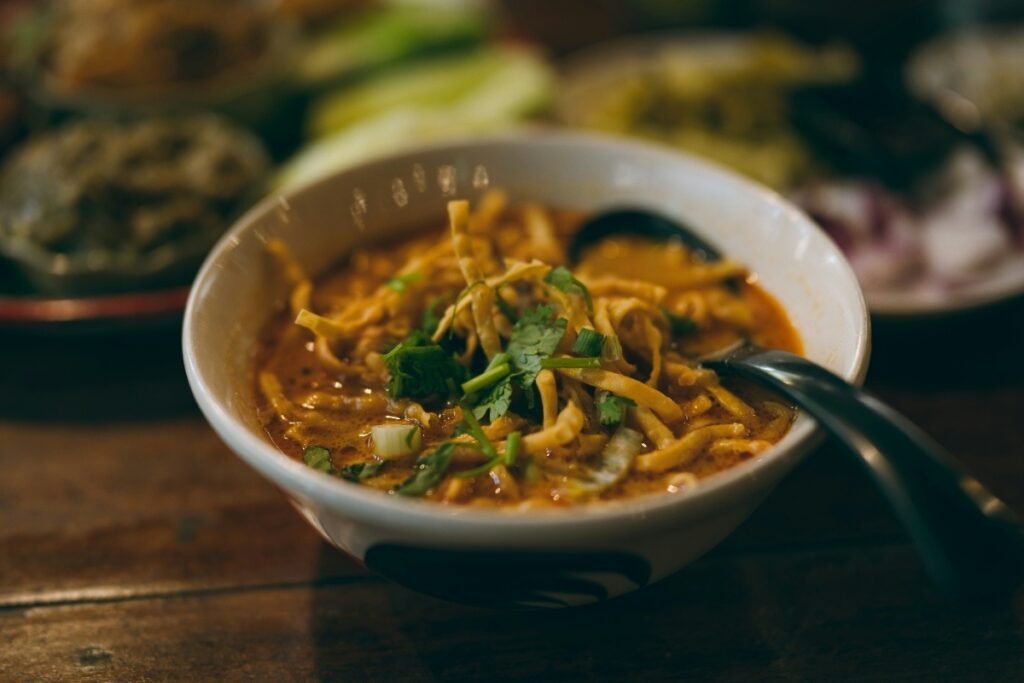
Northern Thai food reflects the region’s cooler climate, mountainous terrain, and historical connections to Shan, Burmese, and Yunnan cuisines. Consequently, it uses far less coconut milk than central Thai cooking and incorporates more pork, fermented ingredients, and bitter vegetables.
Khao soi — a coconut curry noodle soup with a crispy noodle topping and pickled mustard greens — is the single dish that best represents the north. Nevertheless, northern food extends considerably beyond this one famous dish: sai oua sausage, nam prik noom (green chilli dip), gaeng hang lay (Burmese-influenced pork curry), and sticky rice eaten with the hands all form part of everyday northern eating.
Chiang Mai’s tourist-area restaurants produce decent food. However, the best northern cooking sits in the day markets, the Warorot covered market, and the neighbourhood restaurants south of the old city moat that tourists rarely visit.
Isan (Northeast Thailand)
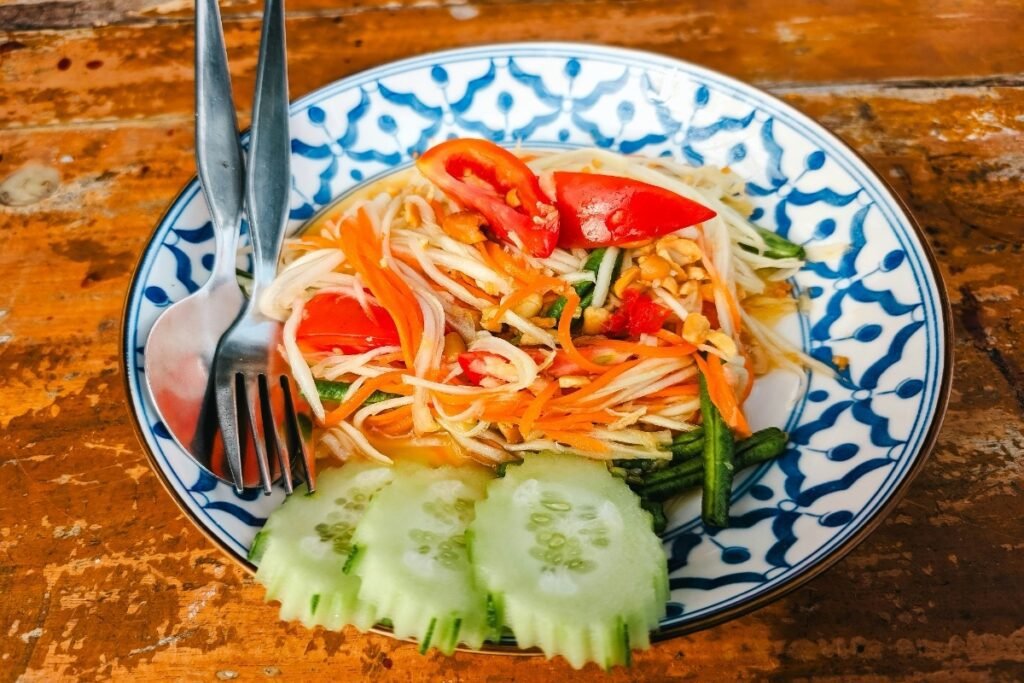
Isan cuisine is arguably Thailand’s most assertive regional cooking, built on fermented fish paste (pla ra), fresh herbs, toasted rice powder, and a default spice level that northern and central Thai cooking rarely matches. Moreover, Isan food is consistently the cheapest category of Thai eating, having developed as the food of agricultural workers.
Som tum, larb, gai yang (grilled chicken), and sticky rice form the Isan dietary core. Significantly, this food has spread across Thailand as a widely popular casual cuisine — even in Bangkok, dedicated Isan restaurants serve authentic versions at very low prices.
Isan food also uses ingredients — freshwater fish, river insects, fermented proteins — that can challenge visitors unfamiliar with the cuisine. However, the more accessible dishes such as grilled chicken, papaya salad, and herb salads deliver exceptional flavour at prices typically 30–50% below equivalent central Thai cooking.
Southern Thailand
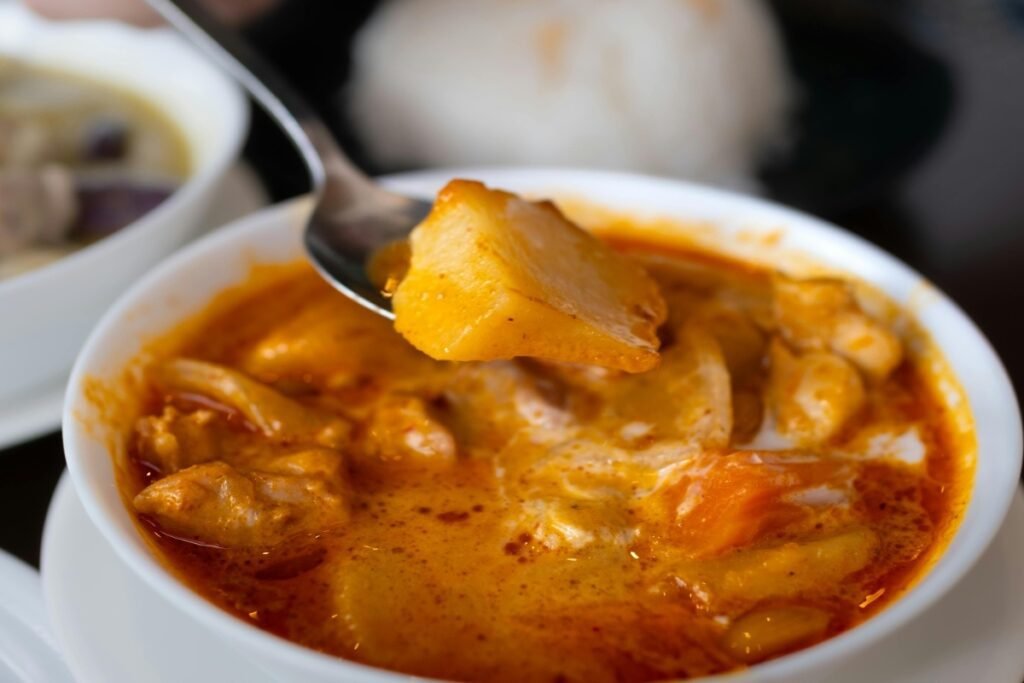
Southern Thai food is the hottest and most intensely flavoured of the four major regional styles. It reflects the region’s Muslim influence — particularly in provinces bordering Malaysia — as well as its abundant coastal seafood and assertive use of turmeric, dried spices, and coconut.
Massaman curry — mild, rich, and Persian-influenced — represents one end of the southern spectrum. Gaeng tai pla (fermented fish offal curry) sits at the opposite, far more confrontational end. For most travellers, the accessible entry into southern food is the abundant fresh seafood, the excellent roti culture in Muslim areas, and distinctive rice dishes such as khao yam.
Phuket, Krabi, and Ko Samui all contain good food. However, their tourist infrastructure generates the same premium-pricing problem found in Bangkok’s tourist zones. Additionally, many island restaurants cater to European palates and may dilute southern heat levels unless diners specifically request the authentic version.
Where Do Locals Actually Eat in Thailand?
Answer: Locals eat at street stalls, market food courts, neighbourhood noodle shops, rice-and-curry shophouses, and dedicated Isan restaurants. They avoid tourist-area restaurants with English menus and photographs of every dish — in Thailand, these reliably signal inflated prices and diluted spice levels, regardless of how local the signage looks.
Bangkok
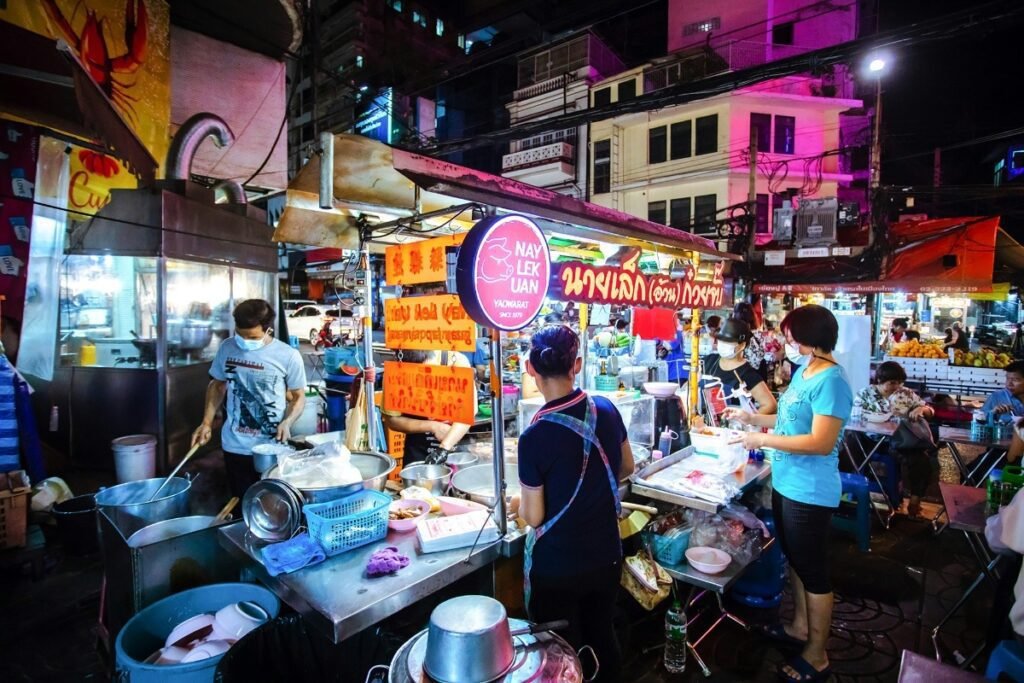
Bangkok’s best everyday food concentrates around wet markets and their surrounding stalls. Areas such as Bang Rak, Chinatown (Yaowarat), Thewet market, and Khlong Toei produce the city’s most honest eating at the lowest prices.
Yaowarat Road (Chinatown) deserves particular attention for evening eating. Street food along Yaowarat and its side streets — roast duck, boat noodles, seafood stalls, and Chinese-Thai hybrids — represents some of the most concentrated street eating in Asia. However, even Yaowarat now attracts significant tourist traffic, and prices have consequently risen relative to genuinely local areas.
The On Nut and Ekkamai neighbourhoods on the Sukhumvit BTS line function as genuine local eating areas where Thai food costs what Thai food should cost. Similarly, the area around Victory Monument has a cluster of stalls and shophouse restaurants that office workers and students keep honest.
Tourist-facing restaurants in Khao San Road, the Silom tourist strip, and hotel lobbies serve a sanitised, despiked version of the cuisine. Furthermore, prices in these areas run 3–5 times the equivalent at neighbourhood restaurants a short walk away.
Chiang Mai
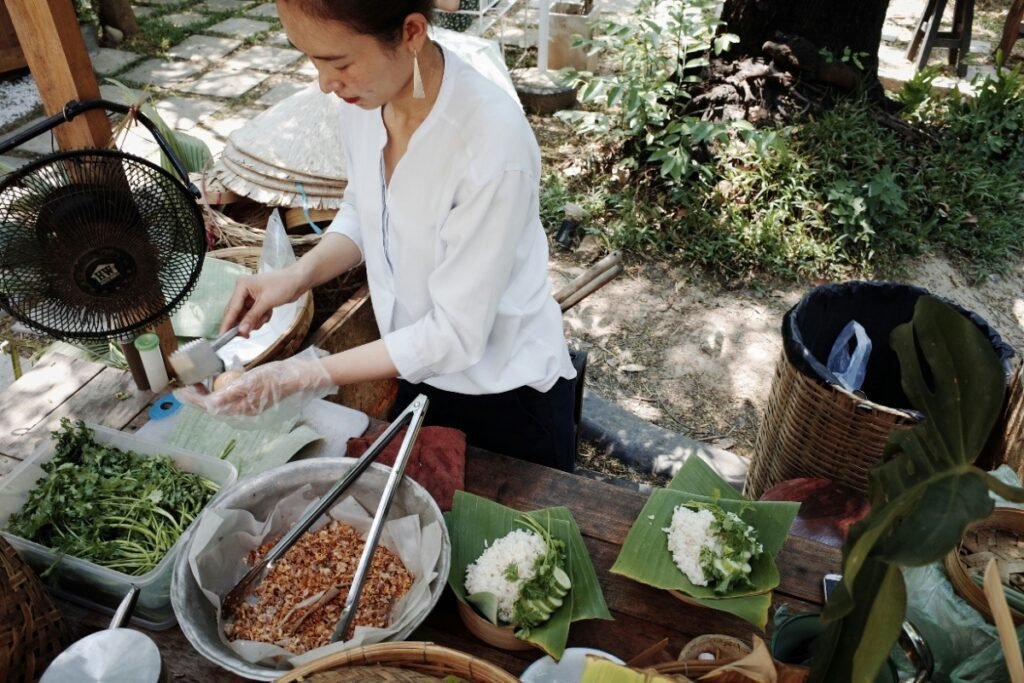
Chiang Mai’s best local eating concentrates around the Warorot Market (Kad Luang), the streets east of the old city moat, and the Nimmanhaemin Road area — which has gentrified but still provides good food among the cafés.
The Saturday and Sunday Walking Streets (Wualai Road and Ratchadamnoen Road) offer northern food in a tourist context. However, while they draw visitors, they also serve local shoppers and produce genuinely good food at fair prices. These are among the more trustworthy tourist-adjacent food experiences in Thailand.
Tourist Resort Areas
Phuket, Ko Samui, Krabi, and Ko Pha Ngan all contain excellent local food. However, finding it requires moving away from the beach-resort dining infrastructure.
Specifically, the morning markets in Phuket Town (Talat Kaset 1 and 2), the Phuket old town restaurant area, and the local markets behind the main tourist strips on Ko Samui represent genuine local eating in otherwise heavily tourist-influenced environments. A five-minute walk from the beach road consistently produces better food at 30–50% lower prices.
How Expensive Is Food in Thailand?
Answer: Thailand remains one of the world’s best-value food destinations. Street food costs ฿40–฿80 per dish (approximately £0.90–£1.80). However, tourist-area restaurants in Bangkok, Phuket, and resort zones charge 3–8 times local prices for the same dishes. Understanding this price gap is essential for realistic budget planning.
| Meal Type | THB | Approx. GBP | Notes |
|---|---|---|---|
| Street stall single dish | ฿40–฿80 | £0.90–£1.80 | Most reliable cheap meal |
| Market food court meal | ฿60–฿100 | £1.35–£2.25 | Includes rice and drink |
| Local shophouse restaurant | ฿80–฿150 | £1.80–£3.40 | Neighbourhood pricing |
| Tourist-area restaurant (main) | ฿200–฿450 | £4.50–£10.00 | Often identical food; far higher price |
| Mid-range Bangkok restaurant | ฿350–฿700 | £8–£16 | Per person with drinks |
| Upscale/modern Thai (Bangkok) | ฿900–฿2,000 | £20–£45 | Fine dining |
| Chang/Singha/Leo (bar) | ฿80–฿150 | £1.80–£3.40 | Resort bars charge significantly more |
| Thai iced tea (cha yen, stall) | ฿20–฿40 | £0.45–£0.90 | Tourist cafés charge ฿80–฿120 |
| Fresh coconut (street stall) | ฿30–฿50 | £0.70–£1.10 | Tourist areas: ฿80–฿120 |
| Mango sticky rice (stall) | ฿50–฿80 | £1.10–£1.80 | Seasonal; March–June best |
Island premium: On popular islands such as Ko Phi Phi, Ko Tao, and Ko Lipe, even basic food costs 2–4 times Bangkok street prices. Furthermore, isolated island resorts with limited competition charge European prices for ordinary Thai cooking with little justification.
Street Food Reality in Thailand
Answer: Thai street food is not primarily a tourist attraction — it is how the majority of working Thais eat every day. However, the global reputation of Thai street food has produced a tourist street food economy that differs from the real one in price, presentation, and sometimes quality. The practical skill is identifying which stalls serve locals and which serve tourists.
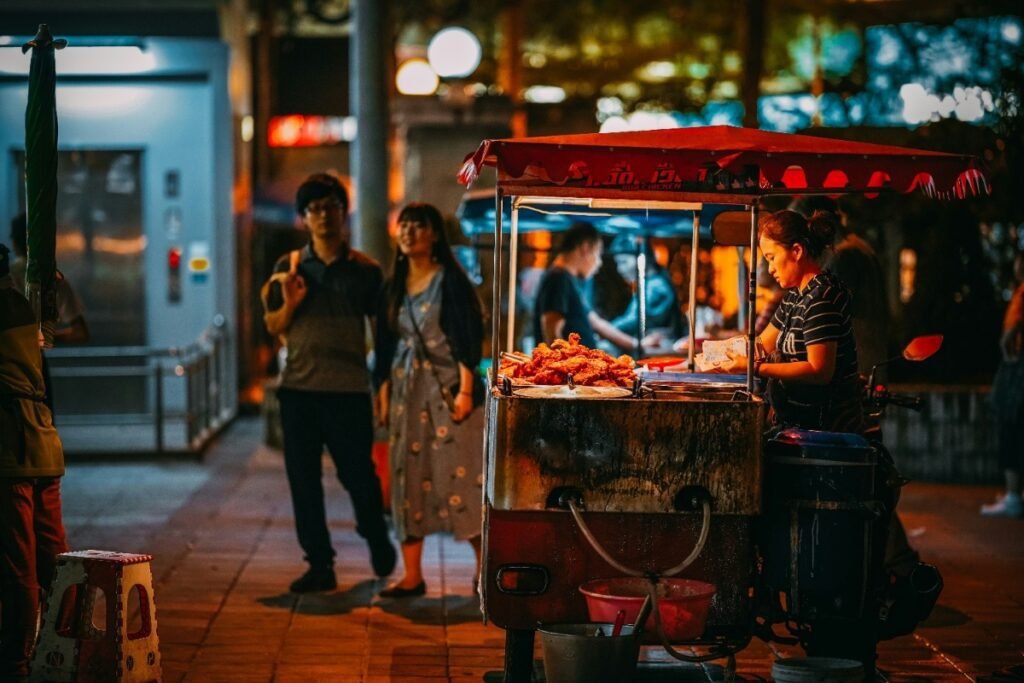
How Thai Street Food Actually Works
Street food in Thailand operates from early morning (05:00–06:00 for congee and rice soup stalls) through to the early hours of the following day. Therefore, the concept of fixed meal times is largely absent from street eating. Most stalls specialise in one or two dishes rather than offering a long menu — this narrow specialisation is generally a quality indicator worth noting.
The physical format varies considerably. Some operations run from motorcycle carts, others from permanent shopfronts, and others from covered market buildings. Nevertheless, price and quality do not track reliably with physical permanence. A cart that has sold khao man gai from the same spot for twenty years is typically more reliable than a permanent restaurant that changed hands recently.
What to Order and How
Ordering at a street stall typically involves pointing, basic Thai phrases, or both. Specifically, “pet nit noi” (a little spicy) manages heat more reliably than “not spicy,” which can strip a dish of its aromatics entirely. Conversely, “pet mak” (very spicy) produces results that surprise even experienced chilli eaters.
At noodle stalls and shophouse restaurants, condiment tables typically offer four items: sugar, fish sauce, dried chilli, and chilli vinegar. These allow diners to adjust flavour after tasting. Consequently, sampling the dish first and then calibrating at the table reflects the intended approach rather than judging on first bite.
Sitting at plastic stools around a street cart produces a better eating experience than eating on the move. Moreover, it usually prompts the stall owner to provide accompaniments — broth, condiments, extra lime — that standing customers do not receive.
Local Drinks: Coffee, Beer, and Thai Tea
Answer: Thailand has a strong cold-drink culture built around cha yen (Thai iced tea), oliang (Thai iced coffee), fresh coconut water, and fruit smoothies. Chang, Singha, and Leo are the dominant local beers. Additionally, Thai whisky occupies a significant share of evening drinking culture at a fraction of imported spirit prices.
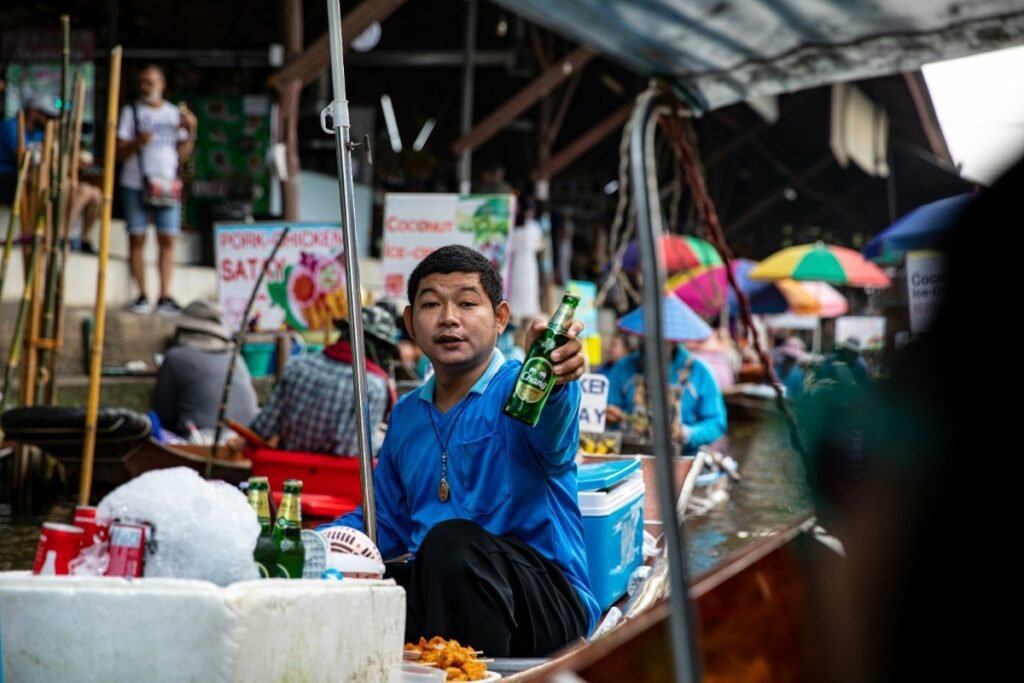
Coffee and Cold Drinks
Thai coffee culture divides between traditional and modern. Traditional Thai iced coffee — oliang — uses a dark roast blended with cereals, brewed through a cloth filter, and served over ice with condensed milk. It tastes unlike any other coffee tradition, and it particularly rewards trying at a market stall in the morning, where it costs ฿20–฿40.
Modern specialty coffee has arrived forcefully in Bangkok and Chiang Mai. Consequently, visitors who prioritise coffee quality find Thailand unexpectedly well-equipped. Northern Thai beans from Doi Chaang, Doi Inthanon, and hilltribe growing regions have also attracted international attention and appear on café menus across both cities.
Cha yen (Thai iced tea) uses strongly brewed Ceylon tea combined with condensed and evaporated milk over ice. The orange-red colour and sweetness make it immediately recognisable. However, it is very sweet — those preferring less sugar can ask for cha dam yen (black iced tea without milk).
Fresh coconut water, sugarcane juice, and fresh-pressed fruit smoothies are available throughout Thailand at ฿30–฿60. These represent significantly better value than equivalent drinks at tourist cafés, and in most cases better quality as well.
Beer, Spirits, and Evening Drinks
Chang, Singha, and Leo are Thailand’s three domestic lagers. Leo is the lightest and cheapest, broadly popular with locals. Singha is slightly stronger and carries an associated tourist-area premium. Chang falls between the two in character. All three suit the climate and pair well with food, though none aims for craft beer complexity.
Thai white spirits — primarily Ruang Khao (a clear molasses-based spirit, known locally as lao khao) and blended brands such as Blend 285 — dominate local evening drinking culture. Thais drink whisky mixed with soda water and ice rather than straight. Moreover, a full bottle at a local restaurant often costs less than a single imported whisky measure at a tourist bar. Understanding this bottle-service format saves money significantly over an evening out.
Mekhong and Sang Som are cane spirit brands widely consumed in bucket cocktails on beach islands. Both are strong and cheap, and both exist primarily within a party tourism context rather than a food-pairing one.
| Drink | Local/Street Price (THB) | Notes |
|---|---|---|
| Cha yen (stall) | ฿20–฿40 | Tourist cafés charge ฿80–฿120 |
| Oliang (traditional) | ฿20–฿40 | Market stall; morning hours best |
| Specialty coffee (café) | ฿80–฿150 | Bangkok/Chiang Mai independent cafés |
| Fresh coconut (street) | ฿30–฿50 | Tourist areas: ฿80–฿120 |
| Leo/Chang/Singha (7-Eleven) | ฿45–฿65 | Cheapest widely available source |
| Leo/Chang/Singha (local bar) | ฿80–฿150 | Tourist resort bars: ฿180–฿250 |
| Thai whisky bottle (restaurant) | ฿350–฿600 | Full bottle; served with soda and ice |
What Should Tourists Avoid?
Answer: Thailand’s tourist food economy is predictable rather than dishonest — it simply charges visitor prices for visitor-calibrated food. However, understanding the key indicators saves money without sacrificing quality, since better food almost always exists nearby at a fraction of the cost.
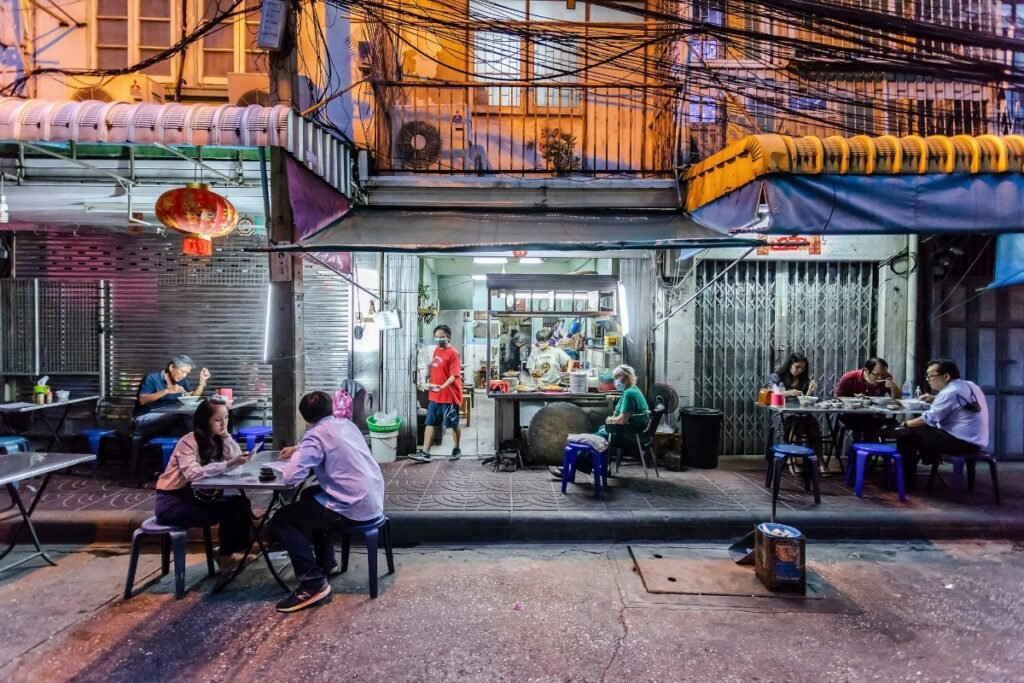
Tourist-Area Food Traps
Pad thai as a price benchmark: Pad thai costs ฿40–฿60 at a street stall cooking for locals. The same dish costs ฿180–฿350 on a tourist restaurant menu. The tourist version is typically sweeter and blander. Therefore, if pad thai on a menu exceeds ฿120, assume all other pricing follows the same logic.
Floating markets near Bangkok: The most famous tourist-facing floating markets — Damnoen Saduak in particular — function as staged spectacles rather than working food markets. Vendors cater primarily to camera-carrying visitors, and prices reflect this entirely. By contrast, Amphawa (weekend evenings) retains more genuine character. Or Tor Kor market in Bangkok provides better food shopping than most tourist floating markets.
Restaurant touts on tourist streets: Restaurants that station staff on the pavement to recruit passing visitors prioritise foot traffic over food quality. Specifically, Khao San Road in Bangkok and the beach-road restaurant strips in Phuket’s Patong and Ko Samui’s Chaweng operate almost entirely on this basis.
Ordering Pitfalls
Asking for “not spicy”: This request can strip a dish of its aromatics alongside the heat, producing a flavourless pale version of the original. Instead, “pet nit noi” (a little spicy) maintains more of the dish’s character while reducing the burn. Additionally, many Thai cooks add chilli pastes after cooking, making post-cooking adjustment easy regardless.
Hotel and resort Thai food: Breakfast and dinner buffets at beach resort hotels often provide an internationalised version of Thai cooking designed for risk-averse visitors. As a result, these meals frequently represent the worst food value in the country — expensive, safe, and unrepresentative. Walking five minutes from any beach resort generally produces genuinely better Thai food at a fraction of the price.
Traveller Practicality: Dietary Needs, Solo Dining, Families
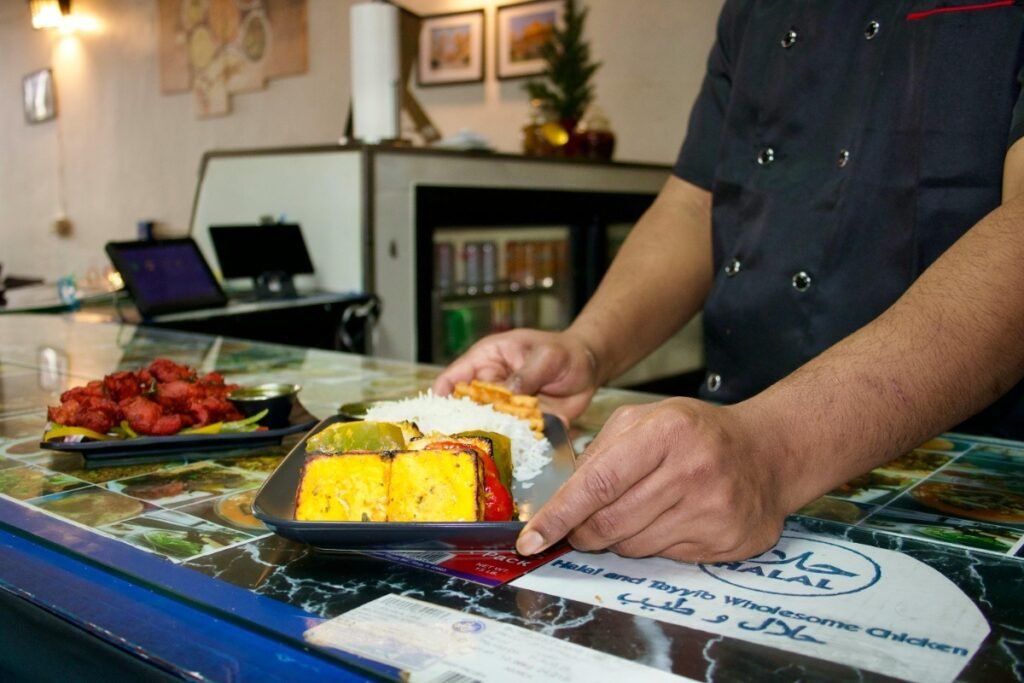
Answer: Vegetarians and vegans face genuine challenges in Thailand because fish sauce, shrimp paste, and oyster sauce appear in most dishes — including many that appear vegetarian. However, a Buddhist vegetarian tradition (jay cooking) exists throughout Thailand and provides a reliable alternative. Halal food is widely available in the south and in Bangkok.
Vegetarian and Vegan Reality
Thailand does not make vegetarianism straightforward. Fish sauce replaces salt in most savoury dishes, shrimp paste appears in curry pastes and many dips, and oyster sauce flavours most stir-fries. Consequently, a dish containing no visible meat often still contains animal products in its seasoning.
The jay (Buddhist vegetarian) tradition provides the most reliable solution. A yellow flag with red characters marks jay restaurants, which serve food cooked without meat, fish sauce, dairy, or eggs. Furthermore, jay cooking excludes garlic, onion, shallots, leeks, and chives per Buddhist dietary rules — which means strict vegans occasionally find jay food restrictive in other unexpected ways. However, for most vegetarians, jay restaurants offer a straightforward option available in most Thai cities and towns.
In tourist areas, restaurants generally understand vegetarian requests in English and can adapt dishes. Nevertheless, cross-contamination with fish sauce at busy street stalls is difficult to avoid entirely.
Halal Availability
Southern Thailand has a large Muslim population, and halal food is consequently widespread in provinces such as Krabi, Phuket, Yala, and the border provinces. Muslim Thai cooking draws on Malay, Indian, and Thai traditions, producing roti, biryani-influenced rice dishes, satay, and curries that differ noticeably from central Thai cooking.
Additionally, halal-certified restaurants are common in Bangkok’s Bang Rak and Silom districts and near the central mosques in most large Thai cities. For Muslim travellers visiting smaller islands or rural areas, seafood and fish restaurants represent the most practical solution where halal-certified meat is unavailable.
Families and Allergy Awareness
Thailand accommodates families well in most eating contexts. Street food formats allow children to eat small amounts across many dishes, and mild rice-based dishes appear on every menu. However, peanuts appear as a garnish in many dishes without warning — relevant for nut-allergy travellers. Moreover, fish sauce is nearly universal, which matters for severe shellfish-adjacent allergies. English communication in Bangkok and resort areas handles allergy queries adequately; in smaller towns and villages, visitors need to make considerably more effort.
Local Dining Etiquette in Thailand
Answer: Thai dining culture moves at a relaxed, communal, and largely unhurried pace. Sharing dishes across the table is the default format, and solo eating at street stalls carries no social awkwardness. Tipping is not a traditional Thai practice but now applies in tourist-facing restaurants. However, at street stalls and market food courts, nobody expects a tip.
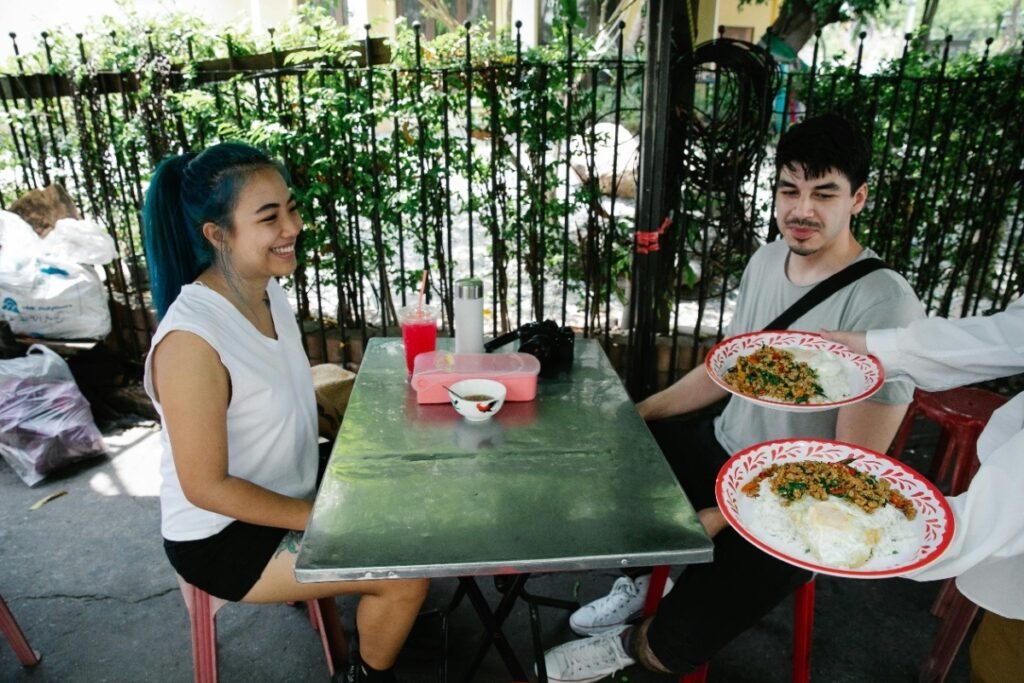
Table Customs and Ordering
Thai meals typically involve multiple dishes arriving together rather than in courses, with rice as the starch base. Therefore, ordering one dish per person misses the communal logic of Thai eating. Ordering two to three shared dishes for two people, plus rice, more closely reflects how Thais approach a sit-down meal.
Spoons and forks are the standard cutlery — knives rarely appear because food arrives already cut into pieces. Specifically, the fork pushes food onto the spoon, which carries it to the mouth. Using chopsticks for rice-based Thai dishes (rather than noodle soups) marks a visitor as unfamiliar with local custom. However, noodle soup dishes come with both chopsticks and a spoon, and both are appropriate.
In northern and Isan food cultures, diners eat sticky rice with the right hand, pinching it into small balls and using them to scoop up dishes. This is entirely normal and expected — no utensil necessary.
Practical Tips for Eating Out
Tipping culture varies by context. At tourist-facing restaurants, rounding up the bill or leaving 10–15% is standard. At local restaurants and shophouses, rounding up or leaving small change is sufficient. However, at street stalls and market food courts, nobody expects a tip.
The bill in Thailand sometimes arrives proactively at tourist-facing restaurants; at street stalls, payment occurs at the time of ordering. Furthermore, most street stalls and local restaurants operate cash-only. Tourist-area restaurants, shopping mall food courts, and larger Bangkok restaurants accept cards. Carrying small notes (฿20, ฿50) simplifies street food purchasing considerably.
Best Areas for Food by Budget and Traveller Type
| Traveller Type | Best Area | Why |
|---|---|---|
| Street food focus | Yaowarat (Bangkok) or any wet market | Highest concentration of authentic stalls and real price points |
| Budget travel | Isan region or provincial Thai cities | Lowest prices in Thailand; most intense regional flavours |
| Northern cuisine | Chiang Mai (Warorot Market area) | Khao soi, sai oua, nam prik noom at their source |
| Seafood | Krabi Town or Phuket Town (not the resorts) | Fresh southern seafood at genuinely local prices |
| Coffee culture | Chiang Mai Nimman or Bangkok (Thonglor/Ekkamai) | Best independent coffee scene in Thailand |
| Modern Thai dining | Bangkok (Silom, Sathorn, Thonglor) | Contemporary Thai cooking at international standard |
| Family dining | Chiang Mai old city or Bangkok mall food courts | Manageable pace, variety, and low-heat options |
| Short stay (1–2 days) | Bangkok | Most food variety per square kilometre in Thailand |
| Muslim/halal | Southern Thailand or Bangkok’s Bang Rak | Widest halal selection and most authentic Muslim Thai cooking |
Where To Stay in Thailand?
Agoda’s Thailand inventory exceeds 125,000 properties and spans sharply different trip types in one marketplace: Chiang Mai for urban-culture stays, Chiang Rai for quiet riverside resorts, Pattaya for beach and nightlife, Bangkok for business and city access, and Phuket for luxury island leisure. The platform functions effectively as a comparison layer with strong filtering tools, but the real decision hinges on the hotel’s exact neighbourhood, setting, and alignment with your specific travel purpose rather than headline brand alone.
For Thailand, the most effective use of Agoda is to filter by destination first, then evaluate each property by address, recent guest scores, and surroundings. U Nimman Chiang Mai delivers the clearest “city-life” vibe in the trendy Nimmanhaemin district; Le Méridien Chiang Rai Resort offers the calmest riverside resort experience on the Kok River; Hilton Pattaya provides the strongest beachfront high-rise position above CentralFestival Pattaya Beach; Bangkok Marriott Hotel The Surawongse serves as a centrally located urban pick near Silom and the Chao Phraya River; and Banyan Tree Phuket completes the luxury end with its all-pool-villa lagoon setting. Always confirm the latest review scores and exact access details on the live property page before booking.
| Hotel & Location | Best For | Unique Feature | Verified Rating | Action |
|---|---|---|---|---|
|
U Nimman Chiang Mai 1 Nimmanhaemin Road, Tambon Suthep, Mueang Chiang Mai 50200, Thailand |
City Breaks & Nightlife | On Nimmanhaemin Road, in Chiang Mai’s trendiest district, close to Maya Lifestyle Shopping Centre and Think Park. | 9.2/10 | BOOK NOW |
|
Le Méridien Chiang Rai Resort, Thailand 221/2 Moo 20 Kwaewai Road, Rob Wiang, Mueang Chiang Rai 57000, Thailand |
Riverside & Scenic Breaks | Set beside the Kok River in landscaped gardens with mountain views. | 9.1/10 | BOOK NOW |
|
Hilton Pattaya 333/101 Moo 9, Nong Prue, Banglamung, Pattaya 20260, Thailand |
Beach Stays & Shopping | Rises 34 levels above CentralFestival Pattaya Beach with wide bay views. | 9.1/10 | BOOK NOW |
|
Bangkok Marriott Hotel The Surawongse 262 Surawong Road, Si Phraya, Bang Rak, Bangkok 10500, Thailand |
Central Stays & Sightseeing | Prime downtown location near BTS access and the Chao Phraya River. | 9.0/10 | BOOK NOW |
|
Banyan Tree Phuket Phuket, Thailand |
Luxury Resort & Spa Stays | Known for its upscale resort format and lagoon-style setting; the exact address was not visible in the material I could verify here. | 8.9/10 | BOOK NOW |
Important Things Travellers Should Know Before Eating in Thailand
Timing, Spice, and Ordering
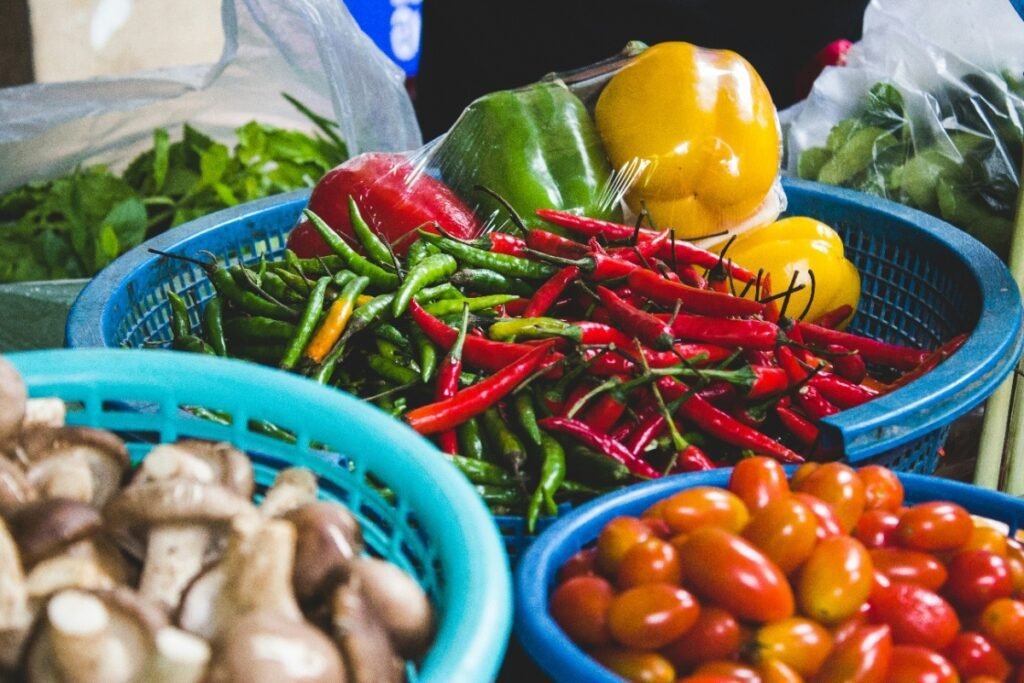
- Spice levels are negotiable. Most Thai dishes adjust to preference, though tourist-area restaurants pre-empt this by cooking mild versions by default. Asking “pet mak” signals seriousness; “pet nit noi” keeps the flavour while moderating heat. Furthermore, condiment tables at most stalls allow post-cooking adjustment regardless of what the kitchen did.
- Eating hours are fluid. Unlike European dining, Thailand has no rigid meal-time structure. Street stalls specialise by time of day — congee and rice soup run from early morning, curries and rice dishes through lunch, grilled items and noodles in the evening — but something is always available somewhere. As a result, travelling to a night market at 23:00 is as legitimate as visiting a morning market at 07:00.
- Convenience stores are legitimate food stops. Thailand’s 7-Eleven and Family Mart stores sell microwavable rice dishes, steamed buns, and prepared foods of reasonable quality. Many Thais eat from them regularly. For a late-night meal after stalls have closed, they represent a genuine option rather than a compromise.
Costs, Customs, and Seasonal Eating
- The price of bottled water adds up. A bottle from a street stall costs ฿7–฿10. A tourist restaurant charges ฿50–฿80 for the same bottle. Additionally, bringing a refillable bottle and buying from 7-Eleven keeps daily costs meaningfully lower over a week-long trip.
- Wai etiquette does not extend to food service. Thais do not wai (the pressed-hands greeting) during ordering or food service. Smiling, patience, and a basic “khob khun krap/ka” (thank you) covers most social requirements at food stalls and restaurants.
- Seasonal produce transforms specific dishes. Mangoes peak from March to June, making mango sticky rice significantly better during this window. Durian season runs May to August, with prices dropping and quality rising at the peak. Furthermore, tropical fruit bought from a market stall at the correct time of year is a genuinely different product from imported equivalents at home.
Frequently Asked Questions About Food in Thailand
Thai Street Food Safety and Ordering
Is Thai street food safe to eat? Generally yes, with reasonable caution. The most important safety indicator is volume and turnover — a stall continuously cooking fresh batches serves safer food than one with dishes sitting unrefrigerated in the heat. Therefore, preferring busy stalls with visible live cooking is the most reliable approach. Thai food hygiene standards at established stalls are generally reliable; however, cooked meat left unrefrigerated during hot afternoon hours warrants avoiding.
How do I manage the spice level at Thai restaurants and stalls? The most useful phrase is “pet nit noi” (a little spicy), which maintains flavour while reducing heat. Conversely, “mai pet” (not spicy) can produce a stripped-down, flavourless version of a dish. For real heat, “pet mak” is unambiguous. Additionally, the condiment table at most noodle and rice stalls lets diners calibrate after tasting — which is the standard Thai approach regardless of initial spice level.
Thai Dishes Explained
What is the difference between Thai curries? Thai curries divide primarily by paste colour and region. Green curry uses fresh green chillies and is typically the hottest; red curry uses dried red chillies and is slightly milder; yellow curry incorporates turmeric and is the mildest of the three. Massaman curry, by contrast, uses dried whole spices in a Persian-influenced paste and is notably mild. Furthermore, southern curries — particularly gaeng som and gaeng tai pla — operate outside this colour system entirely and frequently exceed all three central curries in heat.
Is pad thai authentic Thai food? Pad thai is genuinely Thai in origin, though its current widespread form reflects 1940s government promotion aimed at reducing rice consumption. However, the dish as served in tourist restaurants worldwide — sweet, mild, and heavily garnished — differs significantly from the drier, fishier versions at specialist street stalls. Specifically, a pad thai from a vendor who cooks one dish all day produces a substantially different result from a tourist-menu version made in a multi-dish restaurant kitchen.
Practical Dining Questions
How much should I budget for food per day in Thailand? A traveller eating primarily at street stalls and market food courts eats exceptionally well for ฿300–฿500 (approximately £7–£11) per day. Mixing local eating with occasional tourist-area meals pushes this to ฿600–฿1,200 (£14–£27). Consistently eating at tourist-facing restaurants in Bangkok and resort areas brings daily food costs to ฿2,000–฿4,000 (£45–£90) — comparable to mid-range European city eating.
Do Thai restaurants accept card payments? Tourist-area restaurants, shopping mall food courts, and larger Bangkok restaurants accept cards. However, street stalls, local market restaurants, and most neighbourhood shophouses operate cash-only. Consequently, carrying ฿500–฿1,000 in small notes (฿20–฿50) at all times makes street food purchasing straightforward.
Is it rude to leave food on your plate in Thailand? No. Unlike some Asian dining cultures, leaving food on the plate carries no negative implication in Thailand. Moreover, in the street food context — where portions are intentionally small and the expectation is that diners order multiple dishes — leaving part of a dish is entirely normal.
How do I find good food in an unfamiliar Thai city? The most reliable method is locating the nearest wet market and eating at the surrounding stalls. These cater to local residents and market workers, consequently producing the best price-to-quality ratio in any Thai town. Additionally, following office workers and students at lunchtime leads to the food that a local population considers genuinely worth the walk.
© 2026 — Editorial travel content. Not affiliated with the Tourism Authority of Thailand or any commercial food or hospitality operator. Pricing reflects 2025–2026 conditions and is subject to change.
Editorial & Accuracy Standards
- Expert Review:
Ammara Azmat,
Senior Travel Mobility Analyst (12+ years experience) - Status: Verified for accuracy against official 2026 service data and real-time traveller reports.
- Our Process: This content follows our Fact-Checking Policy.