
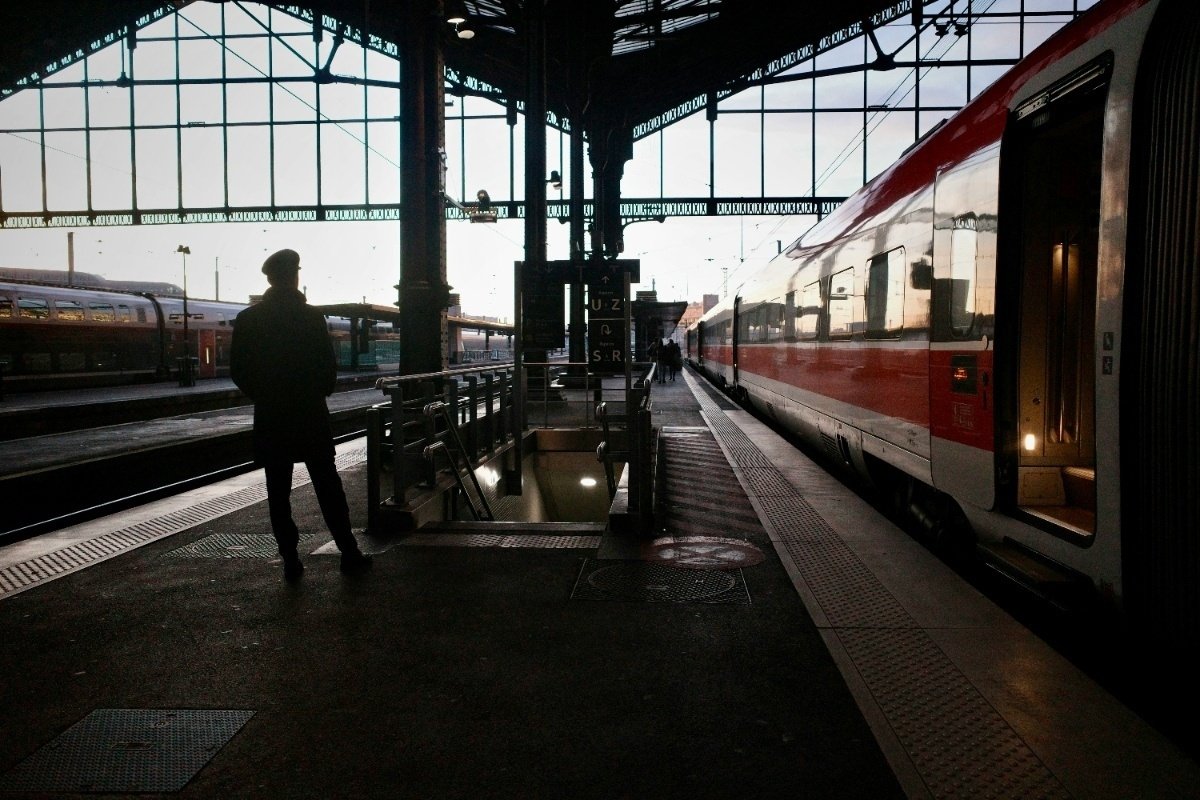
Ouigo: The Complete Guide to Budget High-Speed Train Travel in France
Sunset Weekly Disclosure: To help keep our guides free, this post contains affiliate links. If you click through and make a booking (such as hotels, flights, tours, or travel experiences), we may earn a commission at no extra cost to you. Sunset Weekly is an independent travel and lifestyle publication. While we may receive compensation from affiliate partners, this does not influence our editorial content, recommendations, or opinions. #ad
Ouigo is a low-cost high-speed rail service operated by SNCF, the French national rail operator. Launched in 2013, it applies a budget airline pricing model to TGV-standard trains, offering fares that frequently undercut standard SNCF TGV prices by a wide margin. Ouigo suits price-sensitive travellers making domestic journeys across France — particularly those flexible enough to book in advance and travel light. Key routes connect Paris with Lyon, Marseille, Lille, Bordeaux, Nantes, and several other major French cities. Beyond France, Ouigo also operates selected routes into Spain. For anyone researching cheap train options within France, Ouigo represents one of the most cost-effective ways to travel at high speed between major cities, provided you understand the trade-offs that come with the low-cost model.
Quick Overview
- Type: Low-cost high-speed rail service
- Operator: SNCF (French national rail)
- Coverage: France-wide major routes, plus selected services into Spain
- Train type: TGV rolling stock operating at high speed
- Best for: Budget domestic travel in France, advance bookings, travellers without large luggage
Ouigo Routes and Destinations in France
Key Routes Across France
Ouigo operates on a focused set of high-demand French corridors. Paris serves as the primary hub, with services running south to Lyon, Marseille, and Montpellier, west to Bordeaux and Nantes, and north to Lille. Additional routes connect cities such as Toulouse, Rennes, Strasbourg, and Nice, extending the network beyond the main Paris-originating lines.
Journey times on Ouigo services match those of standard TGV trains on the same routes, since both use the same high-speed infrastructure. Paris to Lyon, for example, takes around two hours. Paris to Marseille runs to approximately three hours. The speed advantage over coach or regional rail remains fully intact — the low cost comes from the pricing model and onboard policy, not from slower trains.
Departure Stations: A Key Practical Detail
One of the most important differences between Ouigo and standard SNCF TGV services involves departure stations. Ouigo trains frequently depart from secondary or suburban stations rather than the main central terminus in Paris. Services from the Paris region often leave from Massy-Palaiseau, Marne-la-Vallée — Chessy, or Paris-Charles de Gaulle Airport station, rather than from Gare de Lyon or Gare Montparnasse.
Travellers unfamiliar with this detail can face an unexpectedly long journey to the departure point. Adding 30 to 60 minutes of travel time to reach the correct station — plus the cost of getting there — reduces the overall saving compared to a standard SNCF ticket departing from a central Paris station. Confirming the departure station at the booking stage is essential before assuming Ouigo represents a straightforward cost saving.
Onboard Experience
Ouigo trains use TGV rolling stock, so the physical journey experience broadly resembles a standard TGV service. Seats are comfortable for high-speed travel, though the configuration on some Ouigo services is denser than premium TGV classes. The service operates on a no-frills basis — there is no first class, no complimentary meals, and no at-seat food service. A small snack bar operates on some services, but provision varies.
Wi-Fi is available on Ouigo trains, which is a practical addition for longer journeys. Power sockets appear at some seats but are not guaranteed across all rolling stock. Travelling with entertainment downloaded in advance is sensible on longer services.
How Ouigo Booking and Travel Works
Booking Process
Ouigo tickets are only available through the Ouigo website or app — they do not appear on SNCF’s standard booking platforms. This is a deliberate part of the low-cost model, keeping distribution costs low by avoiding third-party booking channels. Some comparison platforms such as Omio and Trainline do surface Ouigo results on selected routes, but purchasing typically redirects to the Ouigo platform to complete the transaction.
The booking process is straightforward. Users enter an origin, destination, and travel date to view available services and fares. Selecting a journey takes the user through to a fare breakdown, where optional add-ons appear before final payment.
Digital Tickets and Boarding
Ouigo issues all tickets digitally. Passengers present a QR code on their mobile phone or a printed version to board. No ticket collection at a station machine is necessary. The Ouigo app manages bookings and sends journey reminders, making it the most convenient way to handle tickets on the day of travel.
How Ouigo Differs from Standard SNCF
Standard SNCF TGV tickets include a seat reservation, a luggage allowance, and access to central Paris termini as standard. Ouigo separates these elements. The base fare covers the journey and one small cabin bag. Each additional service — including hold luggage, a second bag, and specific seat selection — carries an extra charge. This unbundled model is how Ouigo keeps headline fares low while generating additional revenue from passengers who need more than the basic offering.
Ouigo Ticket Prices and Value
How Fares Work
Ouigo uses dynamic pricing, with fares starting low and increasing as seats fill and departure dates approach. The cheapest fares release early in the booking window — typically several weeks ahead — and sell out quickly on popular routes. Booking as soon as tickets open for a specific date gives the best chance of accessing the lowest available tier.
Add-ons accumulate quickly for travellers who do not plan ahead. A large hold bag, for example, carries a fee that can add a meaningful amount to the base fare. Specific seat selection and travelling with a child in a dedicated seat also attract additional charges. For travellers who book early, travel light, and accept a randomly assigned seat, Ouigo delivers strong value. For those who need luggage flexibility and a specific seat, the total cost after add-ons can approach standard SNCF pricing on some routes.
Comparing Ouigo to Standard TGV and Other Operators
On routes where both Ouigo and standard SNCF TGV services operate, Ouigo’s base fare is typically lower — sometimes considerably so on advance bookings. However, the station location trade-off means the true price comparison requires factoring in the cost and time of reaching the Ouigo departure point. On routes where Ouigo departs from a central station, the value case is straightforward. On routes using suburban departure points, the calculation is less clear-cut.
Compared to FlixTrain in Germany, Ouigo operates faster trains on the same infrastructure as its full-price competitor — a distinction that gives it a practical edge in journey time over low-cost rail operators that use slower rolling stock. Compared to coach alternatives via FlixBus or Omio-listed operators, Ouigo wins on speed by a significant margin on most French intercity routes.
Why Travellers Choose Ouigo
High-speed travel at low-cost fares. Ouigo uses TGV-standard trains, so passengers travel at full high speed for a fraction of the standard TGV price on many routes. Consequently, it removes the usual trade-off between journey speed and cost that coach or regional rail alternatives involve.
Simple advance booking. The Ouigo app and website make booking fast and accessible. Furthermore, digital ticket delivery means there is nothing to collect or print beyond a QR code, which simplifies the departure process considerably.
Effective for budget city breaks in France. For travellers spending a weekend in Lyon, Marseille, or Bordeaux from Paris, Ouigo fares on advance bookings often undercut both standard rail and budget air options once airport transfer costs are included.
No hidden complexity on the train itself. Unlike some budget operators, Ouigo trains run to schedule on the same high-speed lines as standard TGV services. Delays and disruptions affect Ouigo and standard TGV equally, so the low-cost model does not introduce reliability trade-offs on the journey itself.
Useful for families travelling on a budget. Young children under four travel free on Ouigo, and the low base fares make the service attractive for family groups where multiple tickets amplify any per-person saving. Add-on costs for seat selection and extra luggage are worth calculating in advance, but the base fare saving on a family of four remains substantial in most cases.
Smart Travel Tips
Before You Book
Book as early as possible. Ouigo’s lowest fare tiers sell out quickly on popular routes, particularly on Paris departures during school holidays and summer weekends. Checking availability four to eight weeks ahead — and booking immediately when a suitable fare appears — consistently delivers the lowest prices.
Confirm the departure station before committing. As covered above, many Ouigo services from the Paris region depart from suburban stations rather than central termini. Check the exact departure station at the search stage, calculate the travel time and cost to reach it, and factor both into the total journey cost before comparing against a standard SNCF TGV ticket from a central Paris station.
Travel with cabin luggage only where possible. The Ouigo base fare includes one small cabin bag. Avoiding checked luggage removes an add-on fee that can add considerably to the overall ticket price. For a short city break requiring only hand luggage, Ouigo’s base fare represents strong value. For trips requiring larger bags, adding the luggage fee to the calculation before booking is essential.
On the Day
Arrive at the station with extra time. Ouigo recommends checking in at least 30 minutes before departure, and suburban departure stations may be less familiar than central Paris termini. Allowing additional time for navigation and any platform delays avoids unnecessary stress on the day of travel.
Download the Ouigo app before departure. The app handles boarding, stores the QR ticket, and provides live departure information. Having it set up and the ticket downloaded ahead of the journey removes any risk of connectivity issues affecting boarding at the station.
Final Verdict
Ouigo works best for budget travellers making advance bookings on major French intercity routes, particularly those travelling light and with schedule flexibility. On routes departing from central stations, it delivers high-speed rail travel at prices that rival coach alternatives. On routes using suburban departure points, the true saving requires careful calculation against a standard SNCF alternative.
For travellers already familiar with the low-cost airline model — where add-ons accumulate and the headline fare requires scrutiny — Ouigo follows the same logic applied to rail. Approached with that mindset, it represents one of the strongest budget rail options in France.
Compare low-cost train routes across France to find the combination of fare, departure time, and station location that suits your journey.
FAQs
How much luggage is included with a Ouigo ticket?
Every Ouigo ticket includes one small personal bag and one cabin‑size carry‑on.
If you need to travel with extra or oversized luggage, you must add it as a paid option. Booking extra luggage online costs less than adding it at the station, so planning ahead helps keep the total fare low.
Can I change or cancel a Ouigo ticket?
Ouigo tickets are normally non‑refundable.
However, passengers can change the travel date or departure time up to shortly before departure for a fixed change fee, plus any difference in fare. Alternatively, the OUIGOFLEX option allows changes without additional fees, which is useful for travellers who need flexibility.
When should I arrive at the station for a Ouigo train?
You should arrive at least 30 minutes before departure.
Ouigo closes boarding earlier than standard TGV services, and late arrival can result in denied boarding. Tickets are delivered digitally a few days before departure, so checking email and the app ahead of travel is essential.
How does seat selection work on Ouigo?
Standard Ouigo tickets assign seats automatically.
If you want a specific seat type—such as a power‑socket seat, a duo seat, or a single seat—you can select it for an extra charge during booking.
What is OUIGO Plus, and is it worth it?
OUIGO Plus is an optional bundle that adds several extras for one fixed price.
It typically includes seat selection, additional or XL luggage, and access to onboard Wi‑Fi and entertainment. For travellers who need luggage flexibility or a preferred seat, this bundle often costs less than adding each option separately.
Are pets allowed on Ouigo trains?
Yes, pets are permitted on Ouigo services for a fixed fee per animal.
Pets must meet size and travel requirements, and assistance animals travel under separate rules. Checking the policy before booking avoids issues on the day of travel.
Editorial & Accuracy Standards
- Expert Review:
Ammara Azmat,
Senior Travel Mobility Analyst (12+ years experience) - Status: Verified for accuracy against official 2026 service data and real-time traveller reports.
- Our Process: This content follows our Fact-Checking Policy.