
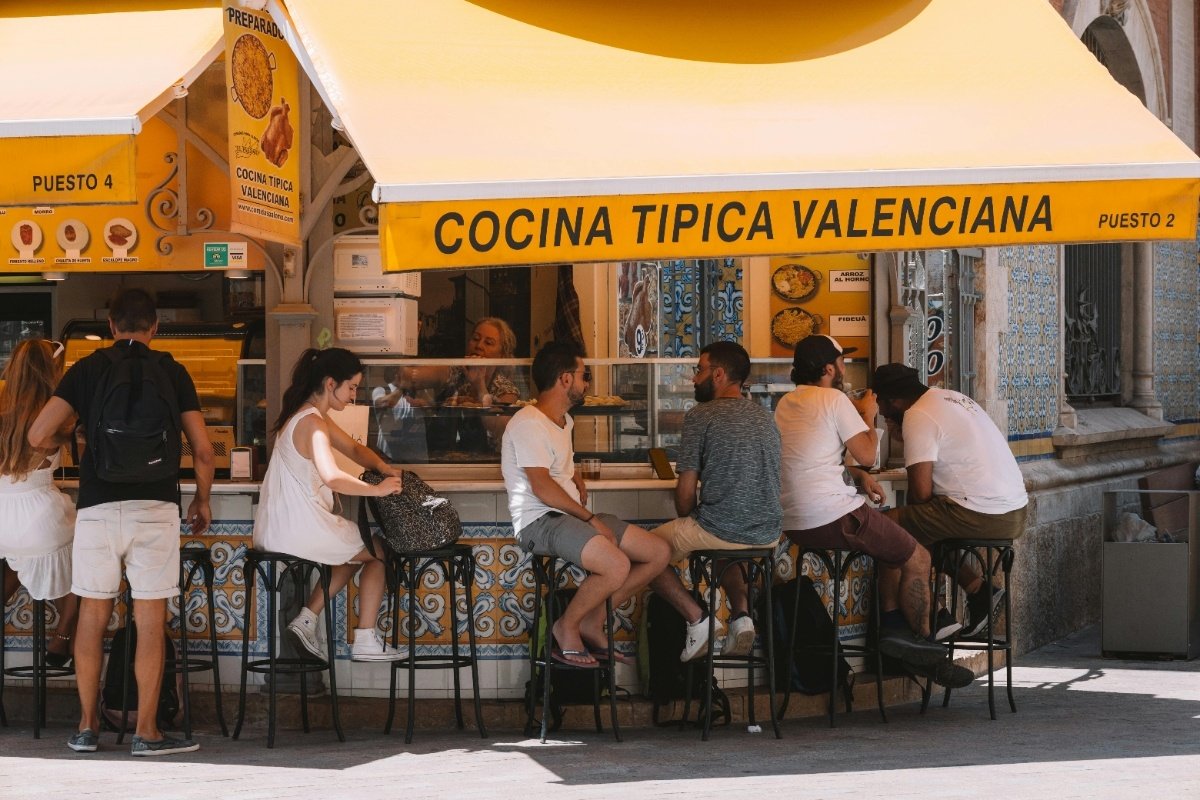
How to Find Authentic Food in Spain and Avoid the Tourist Traps
Sunset Weekly Disclosure: To help keep our guides free, this post contains affiliate links. If you click through and make a booking (such as hotels, flights, tours, or travel experiences), we may earn a commission at no extra cost to you. Sunset Weekly is an independent travel and lifestyle publication. While we may receive compensation from affiliate partners, this does not influence our editorial content, recommendations, or opinions. #ad
Quick Answer: Spain’s food culture is intensely regional — what people eat in San Sebastián bears almost no resemblance to what they eat in Seville or Valencia. Meal times run significantly later than northern Europe, the set lunch menu (menú del día) offers the country’s best value, and the tourist restaurant economy in Barcelona and Madrid charges substantially more for cooking that rarely reflects the best the country produces. Eating well here rewards flexibility, late nights, and a willingness to follow where locals actually go.
Editorial note: This guide covers Spain’s major food regions with equal attention to practical eating, pricing, and realistic traveller expectations. Pricing reflects 2025–2026 conditions. No restaurants, tourism bodies, or commercial operators have contributed to or influenced this content.
Spain doesn’t operate as a single food culture — it operates as six or seven overlapping ones. The country’s regional identities run deep enough that Catalonians, Basques, and Andalusians each regard their own kitchen as categorically distinct from what people eat elsewhere. Consequently, treating Spanish food as a single cuisine leads to disappointment in the same way that treating “Asian food” as a single category does. Understanding which region you’re in, and what that region actually produces, makes an enormous difference to what you order and where you find it.
The good news is that Spain feeds travellers extremely well at every budget. Moreover, the menú del día — the three-course set lunch offered at most restaurants, typically including bread, wine, and coffee — ranks among the best food value in Europe. A working understanding of how this system operates transforms the eating experience for anyone spending more than a day in the country.
What Food Is Spain Known For?
Answer: Spain is known for jamón ibérico, paella, tapas, pintxos, tortilla española, gazpacho, churros, and a strong wine and sherry culture. However, these national icons represent only the surface of a much more complex regional food map — consequently, ordering paella in Madrid or tapas in Barcelona misses the point of both dishes entirely.
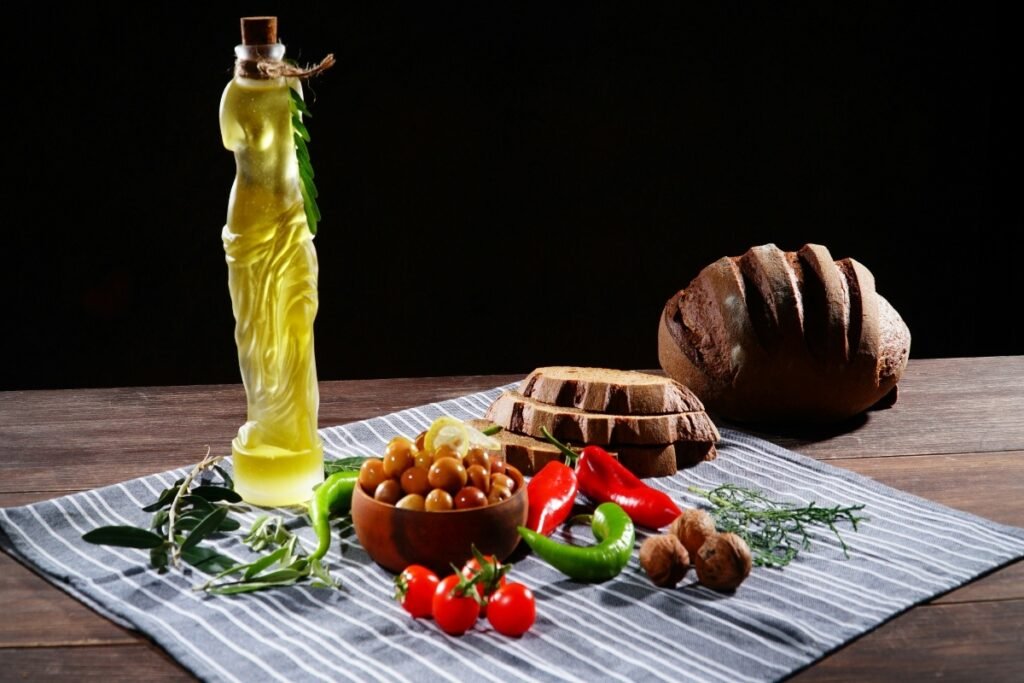
Spanish food builds on a Mediterranean larder — olive oil, tomatoes, peppers, legumes, seafood, and pork — but each region applies this larder differently. The Basque Country prioritises technique and quality ingredients above all else, producing some of Europe’s most serious cooking. Galicia, in the northwest, centres its kitchen on exceptional seafood. Valencia gave the world paella but eats a completely different version of it than the one found in most restaurants abroad. Andalusia drinks cold soup for lunch in summer and fries fish with a skill that no other region matches.
Furthermore, Spain’s food culture is inseparable from its social structure. Eating here is not primarily about the food — it is about the pace, the company, and the accumulation of small plates, glasses, and conversations over several hours. Understanding this context changes what seems like slow service or an impossibly late dinner reservation into something that makes complete sense.
Spain’s Essential Dishes: Starters, Staples, and Street Food
| Dish | Region | What It Is | Key Note |
|---|---|---|---|
| Jamón Ibérico | Extremadura / Huelva | Cured leg of acorn-fed black Iberian pig | Bellota grade is the best; avoid supermarket pre-sliced versions |
| Tortilla Española | Nationwide | Potato and egg omelette; served at room temperature | Should be slightly runny in the centre; dry versions indicate tourist kitchens |
| Patatas Bravas | Madrid | Fried potatoes with spicy or aioli sauce | Sauce style varies by bar; Madrid’s version uses a spiced tomato sauce |
| Churros con Chocolate | Nationwide | Fried dough sticks with thick hot chocolate for dipping | Breakfast or late-night; never a mid-afternoon tourist snack |
| Croquetas | Nationwide | Béchamel croquettes, usually jamón or bacalao filled | Quality indicator for a kitchen; a bad croqueta means a bad kitchen |
| Gazpacho | Andalusia | Cold blended tomato soup; drunk rather than spooned | Order in summer only; made properly with very ripe tomatoes |
| Salmorejo | Córdoba | Thicker cold tomato cream with jamón and egg; richer than gazpacho | Specifically Córdoban; more satisfying than gazpacho as a starter |
| Pintxos | Basque Country | Small bread-based snacks; bar food in San Sebastián | Eat standing at the bar; order with a glass of txakoli |
Spain’s Essential Dishes: Regional Mains
| Dish | Region | What It Is | Key Note |
|---|---|---|---|
| Paella Valenciana | Valencia | Saffron rice with rabbit, chicken, and green beans | Order only in Valencia; elsewhere it is usually tourist grade |
| Cocido Madrileño | Madrid | Slow-cooked chickpea stew with pork, chorizo, and vegetables | A winter dish; served as two courses — broth first, then solids |
| Pulpo a la Gallega | Galicia | Octopus with olive oil, paprika, and sea salt on a wooden board | Best in Galicia; a reliable benchmark dish elsewhere too |
| Bacalao al Pil-Pil | Basque Country | Salt cod slow-cooked in olive oil and garlic; emulsified sauce | Technically demanding; one of the Basque kitchen’s most important dishes |
| Fabada Asturiana | Asturias | Rich white bean stew with chorizo, morcilla, and pork | A heavyweight winter dish; best in cold months |
Understanding Spain’s Regional Food Cultures
Answer: Spain divides into at least six meaningfully distinct regional food cultures — Basque Country, Galicia, Catalonia, Valencia, Andalusia, and the central Castilian tradition centred on Madrid. Each uses different ingredients, techniques, and dining formats. Travelling between regions without adjusting expectations leads to repeatedly ordering the wrong things in the wrong places.
The Basque Country: Spain’s Most Serious Kitchen
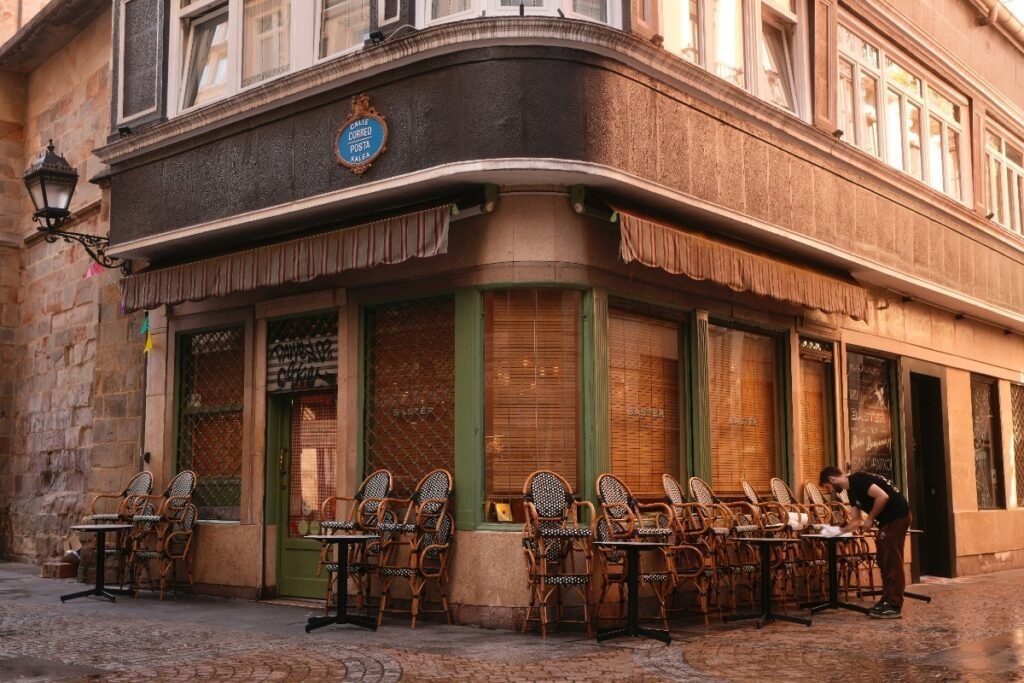
The Basque Country holds more Michelin stars per capita than any other region in the world, and the everyday food culture reflects this seriousness. Pintxos bars in San Sebastián’s Old Town (Parte Vieja) represent one of Europe’s great concentrated eating experiences — however, the quality varies considerably between bars, and the tourist-facing operations around the main square serve inferior food at higher prices compared with the side streets.
San Sebastián operates on a simple rule: move around. Rather than settling at one bar, the local approach involves ordering one or two pintxos and a glass of txakoli (the sharp, slightly fizzy local white wine), then moving to the next bar. Additionally, most serious pintxos bars refresh their displays at specific times — arriving at 19:00 for the fresh round produces noticeably better results than arriving at 21:00 when the displayed items have been sitting out for hours.
Bilbao operates on a slightly different register — less tourist-facing than San Sebastián, with a more local pintxos culture in the Casco Viejo. Furthermore, the Basque Country produces exceptional fish and seafood from the Bay of Biscay, which appears in everything from simple grilled anchoas to technically demanding kokotxas (salt cod cheeks in pil-pil sauce).
Galicia: The Seafood Capital
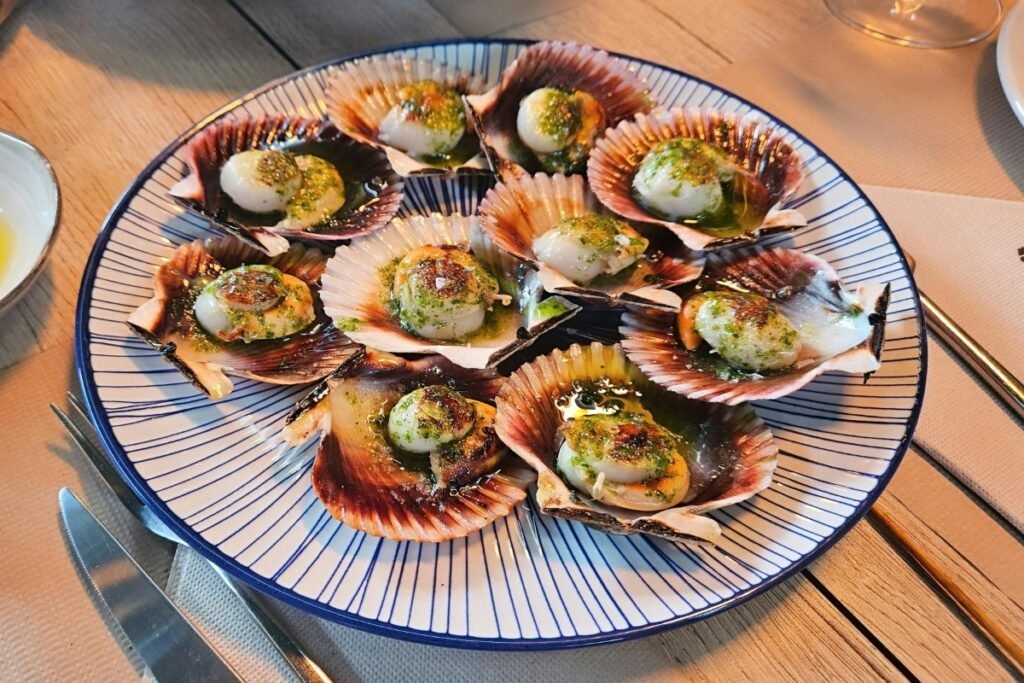
Galicia, in Spain’s northwest corner, produces the country’s finest seafood and operates a food culture almost entirely oriented around it. Percebes (barnacles), navajas (razor clams), vieiras (scallops), and centolla (spider crab) all come from Galician waters and appear on menus at prices that reflect genuine scarcity rather than tourist markup.
Specifically, the O Grove peninsula and the Rías Baixas coastline south of Santiago de Compostela concentrate the best seafood restaurants, with marisquerías (shellfish restaurants) serving fresh catches at prices significantly lower than equivalent quality in any other European coastal destination. Santiago de Compostela itself supports a good restaurant scene around the old city, though the pilgrim-tourist trade has produced the same tourist-strip economics found in any heavily visited European historic centre.
Albariño wine — produced in the Rías Baixas DO — pairs with Galician seafood at a level of natural affinity that few other regional wine-and-food combinations achieve. Furthermore, the wine is crisp, saline, and aromatic in a way that most travellers find immediately accessible regardless of wine knowledge.
Catalonia: Complex, Independent, Distinctive
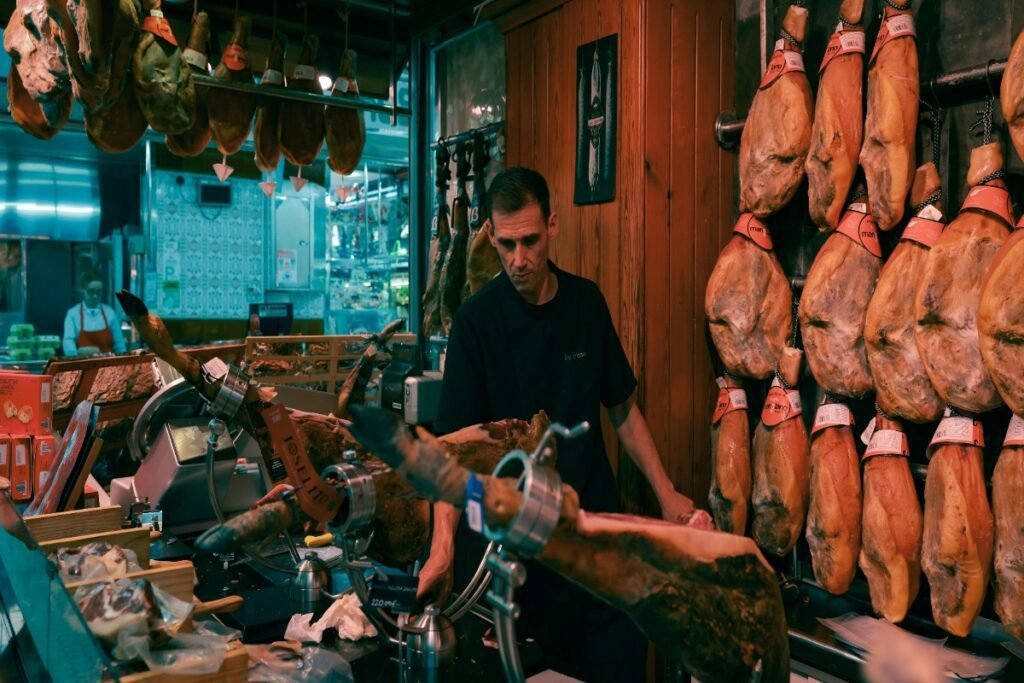
Catalan food is not Spanish food in the way that, for example, Andalusian food is Spanish food. Catalans maintain a distinct culinary identity built on different historical traditions — the sofregit (slow-cooked tomato and onion base), escalivada (roasted vegetables), pa amb tomàquet (bread rubbed with tomato and olive oil), and a tradition of combining sweet and savoury that appears in dishes like duck with pears or meatballs with cuttlefish.
Barcelona is a difficult food city for visitors because its most visible restaurant economy — Las Ramblas, the Gothic Quarter tourist strip, and the seafront area near Barceloneta — bears almost no relationship to the actual Catalan kitchen. However, moving into the Eixample, Gràcia, El Born, or Sant Pere neighbourhoods reveals a genuinely good restaurant culture serving both traditional Catalan cooking and excellent contemporary food.
Andalusia: Fried Fish and Cold Soup
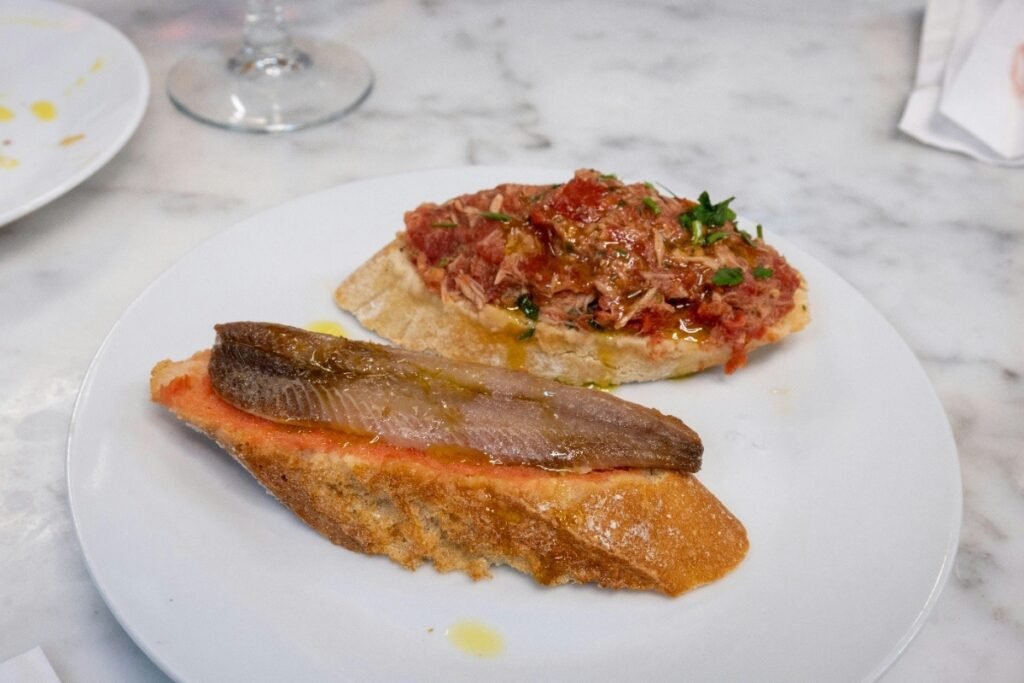
Andalusia operates on a completely different culinary logic from northern Spain. The region’s climate drives a food culture built around avoiding heat — consequently, cold soups (gazpacho, salmorejo, ajoblanco), raw marinated fish (boquerones en vinagre), and fried seafood (pescaíto frito) dominate the summer menu. In winter, slow stews (potajes) and roasted game replace them entirely.
Seville’s tapas culture is arguably the most authentic remaining in Spain. Specifically, the Triana district across the river and the streets around the Feria market produce tapas bars where ordering a drink brings a free small plate — a tradition that survives in Seville, Almería, and Granada but has largely disappeared from Madrid and Barcelona where free tapas no longer feature.
Valencia and the Truth About Paella
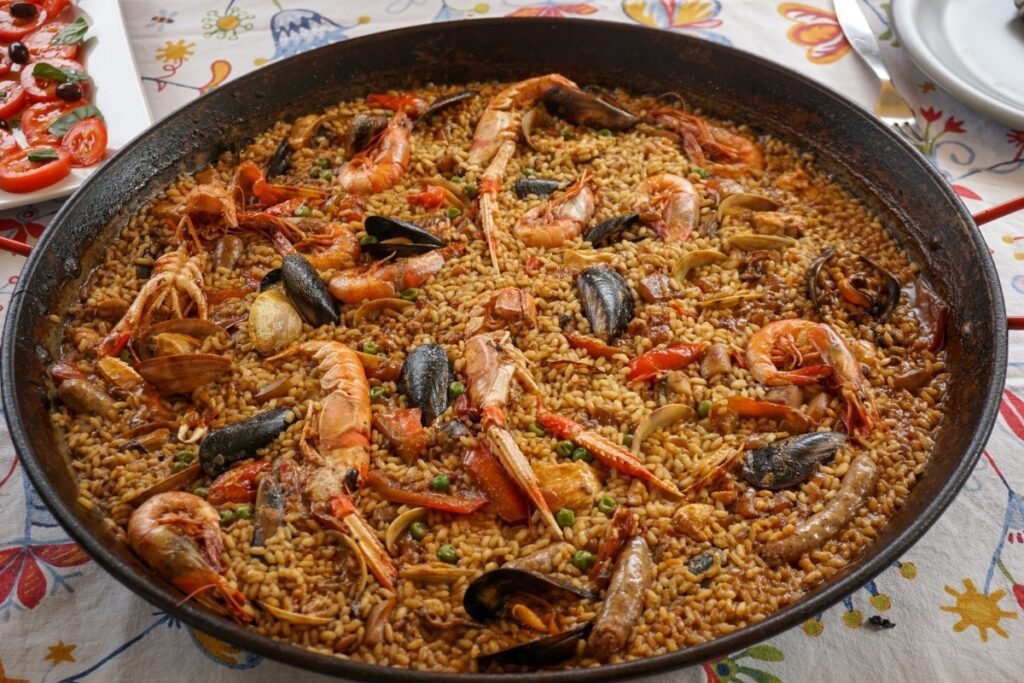
Valencia is the only place to eat authentic paella. The dish’s essential ingredients — Valencian rice, chicken, rabbit, green beans, and garrofó (a local white bean) — are specific to the region, and the cooking technique (using orange wood for the fire and achieving the socarrat, the slightly caramelised rice crust at the bottom) requires local expertise and the right rice variety. Moreover, Valencians eat paella for Sunday lunch, not dinner, and generally cook it at home rather than ordering it in restaurants. Consequently, the paella served in tourist restaurants across Spain — heavier, often with seafood added, rarely achieving proper socarrat — is a different dish entirely.
Madrid: A City That Cooks Everything
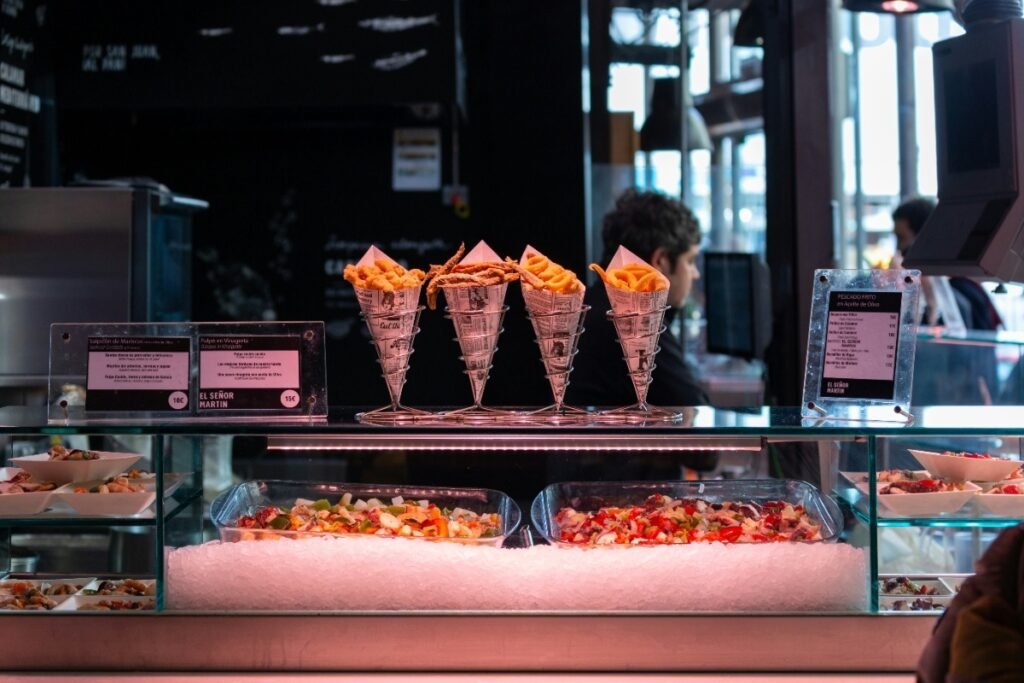
Madrid’s own food culture is more modest than its Basque or Galician counterparts, built on cocido madrileño, callos (tripe), soldaditos de pavía (fried salt cod pieces), and a strong café and vermut culture. However, Madrid functions as a culinary capital in a different sense — it concentrates the best cooking from every other Spanish region within a city that takes eating seriously and does it very late at night.
The Menú del Día: Spain’s Best Food Secret
Answer: The menú del día (daily set menu) is a three-course lunch served at most Spanish restaurants from roughly 13:30 to 16:00, typically costing €12–€18 and including bread, a drink, and sometimes coffee. It represents the single best value eating in Spain and reflects what the kitchen considers its best work on any given day.
How It Works
Every restaurant that offers a menú del día posts it on a board or presents it separately from the dinner menu. The structure follows a consistent pattern: a choice of two or three starters, a choice of two or three mains, and a choice of dessert or coffee. Bread arrives automatically. A glass of wine, beer, or water comes included. Coffee or a small dessert usually closes the meal.
The key insight is that the menú del día reflects the kitchen’s market shopping that morning. Consequently, the dishes available change daily and represent what the cook considers worth making today, rather than a fixed menu designed around the slowest-moving ingredients. This is the meal where Spanish restaurant kitchens show their best work.
What It Costs and Where to Find It
| City | Typical Menú del Día Price | Notes |
|---|---|---|
| Madrid (local neighbourhood) | €12–€15 | Includes drink and bread; coffee extra at some places |
| Barcelona (away from tourist areas) | €13–€17 | Slightly higher than Madrid; Eixample and Gràcia good areas |
| Seville | €10–€14 | Some of the best value in the country |
| San Sebastián | €14–€20 | Higher due to Basque food reputation; quality reflects price |
| Valencia | €11–€15 | Excellent value; paella restaurants often offer paella-specific set lunches |
| Rural Spain / small towns | €9–€13 | Frequently the best value meals in the country |
| Tourist-strip restaurants | €18–€28 | Often inferior food; the price increase funds the location, not the cooking |
Tourist-facing restaurants near major sights rarely offer a genuine menú del día. However, walking five to ten minutes away from any major tourist attraction in any Spanish city produces restaurants offering this format at genuinely local prices.
Where Do Locals Actually Eat in Spain?
Answer: Locals in Spain eat in neighbourhood bars, traditional tabernas and tascas, marisquerías, asadores (roasting houses), and restaurants that post their menú del día outside. They consistently avoid tourist-strip restaurants near major sights — not because they are bad, necessarily, but because equivalent or better food costs significantly less ten minutes’ walk away.
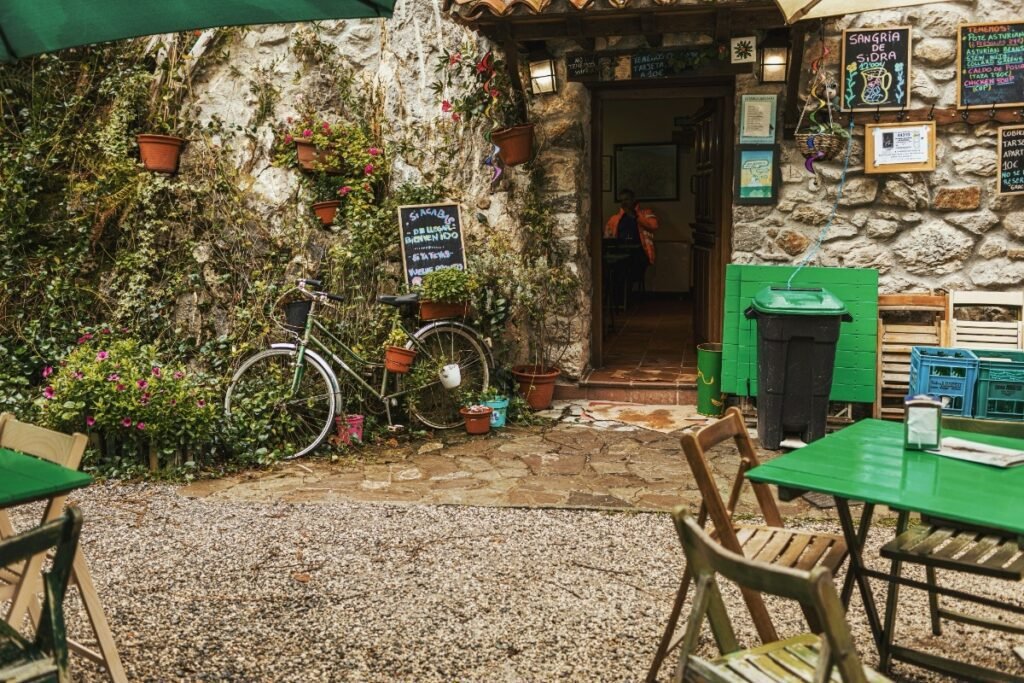
Madrid
Madrid’s best food sits in its working-class and residential neighbourhoods rather than its tourist centre. The Malasaña, Lavapiés, and La Latina districts all contain genuinely good, locally-used restaurants at prices well below those in the tourist triangle around Gran Vía, the Prado, and Plaza Mayor.
La Latina specifically has a strong Sunday tapas culture around the Cava Baja and Cava Alta streets — the vermouth hour (la hora del vermut) between 12:00 and 14:00 on Sundays produces some of the most convivial, authentic bar eating in Madrid. However, even La Latina has become partially tourist-facing; the side streets off the main strip produce better value.
Mercado de San Miguel, adjacent to Plaza Mayor, is attractive and atmospheric but primarily functions as a tourist food hall with prices that reflect this. By contrast, Mercado de Vallehermoso in Chamberí and Mercado de Antón Martín in Lavapiés serve actual neighbourhood residents and charge accordingly.
Barcelona
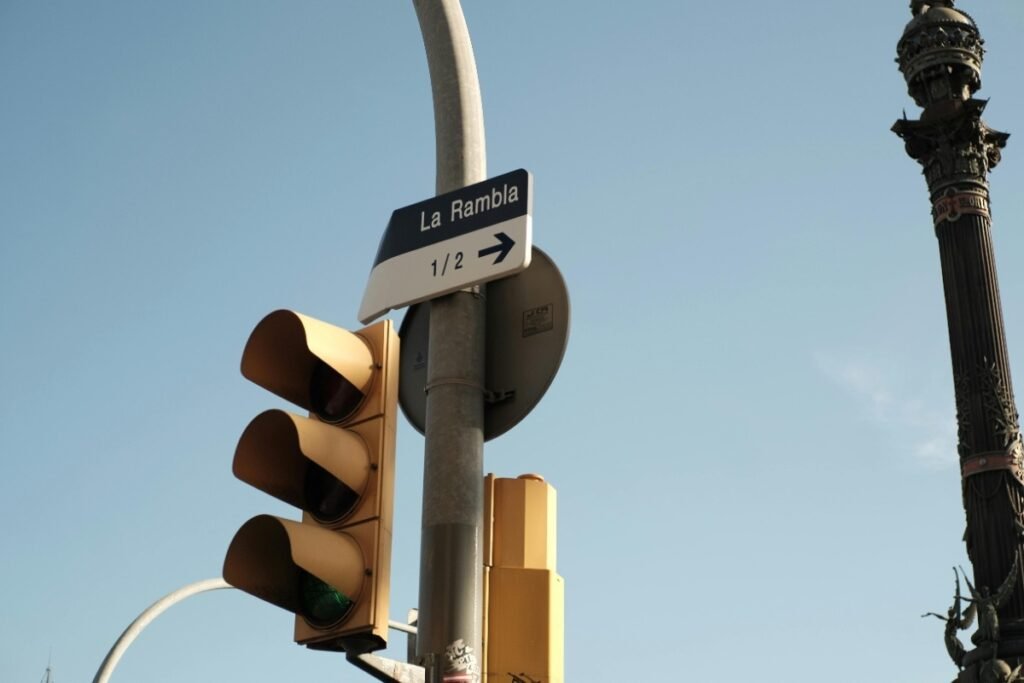
Barcelona’s tourist restaurant problem is more acute than Madrid’s, partly because the city’s most visited areas — Las Ramblas, the Gothic Quarter, and Barceloneta seafront — all concentrate tourist-facing operations in the same zones. Therefore, the practical advice is direct: do not eat on Las Ramblas under any circumstances, and approach the Gothic Quarter with considerable caution.
El Born and Sant Pere offer the best balance of quality and price in the old city. The Eixample (both left and right sides) contains the highest concentration of genuine neighbourhood restaurants. Gràcia is particularly good for a local lunch crowd at real prices.
The Boqueria market on Las Ramblas is the city’s most famous food market, but accordingly it caters primarily to tourists and charges tourist prices. Moreover, the stalls have consolidated around high-margin prepared foods rather than the wholesale market it once was. Mercat de l’Abaceria in Gràcia and Mercat de Santa Caterina in El Born serve a more local trade.
Seville and Andalusia
Seville’s tapas culture remains closer to its traditional form than in most other Spanish cities. The Triana neighbourhood across the Guadalquivir River from the historic centre produces the most consistent, locally-used tapas bar experience — specifically, the streets around the Triana market and along Calle Betis reward a long evening of slow bar-hopping.
The tourist strip concentrated around the Catedral and Alcázar charges Madrid-equivalent prices for cooking that rarely reaches Triana standards. Consequently, even an additional ten minutes of walking from any major Seville sight significantly improves both quality and value.
How Expensive Is Food in Spain?
Answer: Spain sits in the mid-range for European food costs, with excellent value at the budget and mid-range levels if travellers use the menú del día system and eat away from tourist zones. However, the tourist-area premium in Barcelona and Madrid approaches that of London and Paris — making location, not Spain itself, the key pricing variable.
Pricing by Meal Type
| Meal Type | Budget Range (per person) | Notes |
|---|---|---|
| Bar breakfast (tostada + coffee) | €2.50–€4.50 | The cheapest, most satisfying breakfast in Europe |
| Churros con chocolate | €3–€6 | Order at a traditional chocolatería, not a tourist café |
| Menú del día (local restaurant) | €12–€18 | Three courses, drink, bread; best value in the country |
| Tapas bar (per tapa) | €1.50–€4.00 | Free in Seville and Granada with a drink |
| Mid-range dinner (à la carte) | €25–€45 | Starter, main, dessert, wine |
| Pintxos bar (San Sebastián) | €2–€4 per pintxo | Budget €20–€30 for a full evening moving between bars |
| Fine dining (Basque Country) | €90–€200+ | Tasting menus; Michelin-starred restaurants |
| Paella (Valencia, proper version) | €15–€25 per person | Usually a minimum of two people |
| Glass of local wine (bar) | €2–€5 | House wine in many bars; ask for vino de la casa |
| Caña of beer (draught, bar) | €1.50–€3.00 | Tourist zones and airports: €5–€8 |
| Café con leche | €1.20–€2.50 | Never order in English at a café — order as the locals do |
| Sherry (copa, Jerez) | €2–€5 | Price varies hugely between bodegas and tourist bars |
Tourist-zone premium: In tourist-facing restaurants near the Sagrada Família, Prado, and Alhambra, expect to pay 60–100% more than the same dish in a neighbourhood restaurant five minutes away. Additionally, the seafront restaurants in Barceloneta charge some of the most inflated prices for seafood in Spain.
Spain’s Drinking Culture: Wine, Beer, Sherry, and More
Answer: Spain is one of the world’s most important wine-producing countries, with distinct regional traditions covering everything from Rioja’s structured reds to Galicia’s saline Albariño and Jerez’s complex sherries. However, for everyday drinking, Spanish people consume a large amount of draught beer (caña), vermouth (vermut), and the refreshing Agua de Valencia or clara (beer with lemon).
Wine: Regions and What to Order
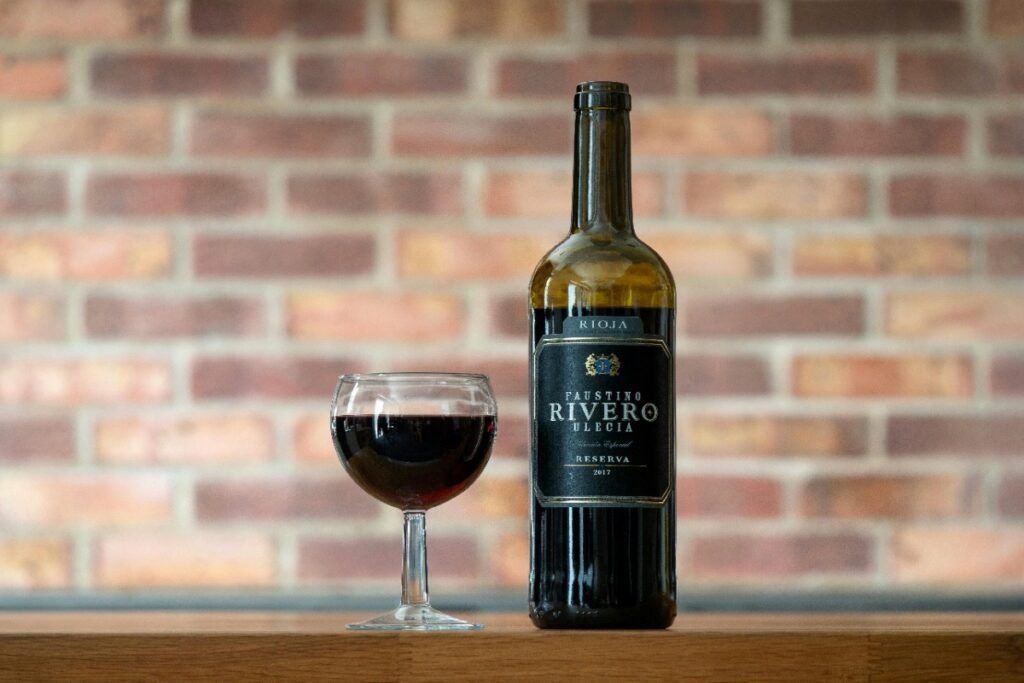
Spain produces wine across nearly every region, and the quality at the mid-price level is exceptional by international standards. However, knowing which region to look for makes a considerable difference.
Rioja remains the country’s best-known wine region, producing structured, oak-influenced reds from Tempranillo that range from entry-level joven (young, unoaked) to complex gran reserva aged for years. Furthermore, white Rioja — specifically the oxidative, Viura-based whites aged in oak — represents one of Spain’s most distinctive and underrated wine styles.
Ribera del Duero produces arguably Spain’s most serious red wines — powerful, structured Tempranillo (called Tinto Fino here) from high-altitude vineyards. Nevertheless, prices at international restaurants can be high; buying a bottle directly from a bodega in the region provides significantly better value.
Rías Baixas in Galicia produces Albariño — Spain’s most exciting white wine — with a saline, citrus, and stone fruit character that pairs with seafood as naturally as anything in the wine world.
Jerez (Sherry) is one of the world’s most misunderstood wine categories. Specifically, fino and manzanilla sherries — bone dry, nutty, and saline — bear no resemblance to the sweet cream sherries that damaged the category’s international reputation. A cold glass of fino with jamón and boquerones represents one of the great Spanish food-and-drink combinations and costs almost nothing in the region where it is made.
Cava — Spain’s traditional-method sparkling wine from Penedès in Catalonia — provides excellent value at every price point. Moreover, a bottle of good cava costs a fraction of comparable Champagne.
Beer and Vermouth
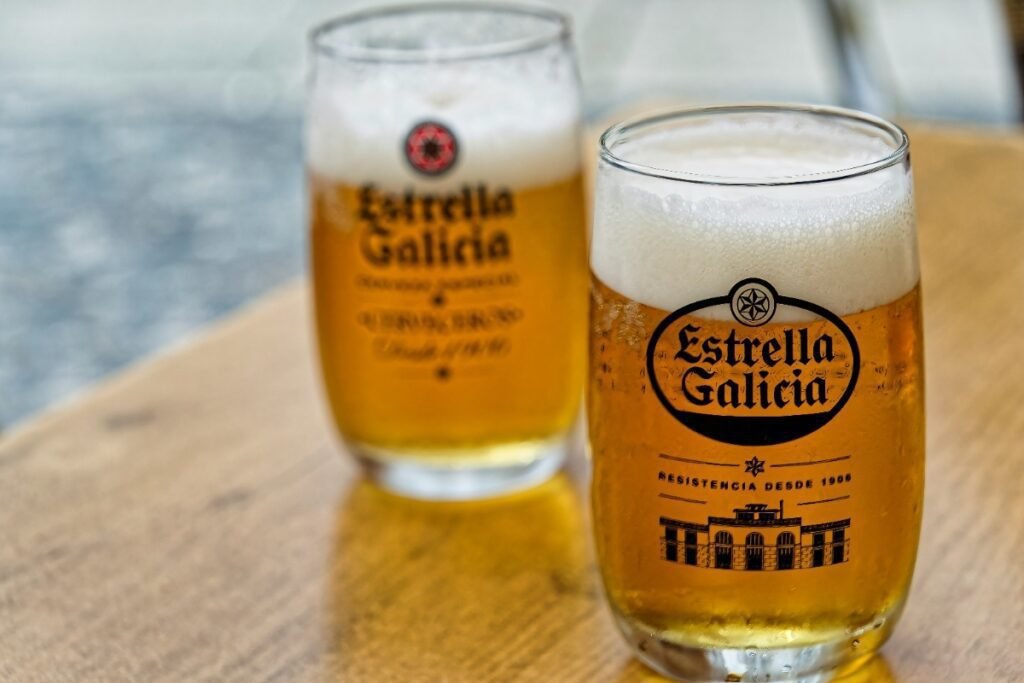
Spain’s beer culture centres on small draught measures. A caña (roughly 200ml) drunk fresh at the bar costs €1.50–€2.50 in local bars and is the most common way to drink beer in Spain. Regional brands vary — Estrella Damm in Catalonia, Mahou in Madrid, Cruzcampo in Seville, Estrella Galicia in the northwest — and each region’s locals regard their own lager with appropriate pride.
Vermut culture has undergone a genuine revival in Spain over the past decade. On Sundays between 12:00 and 14:00, the ritual of taking vermut — usually the Rojo (red) style, served on ice with a slice of orange and an olive — accompanies bar snacks in most Spanish cities. Consequently, Sunday morning in any Spanish neighbourhood produces one of the country’s most enjoyable, low-key food experiences.
Regional Soft Drinks
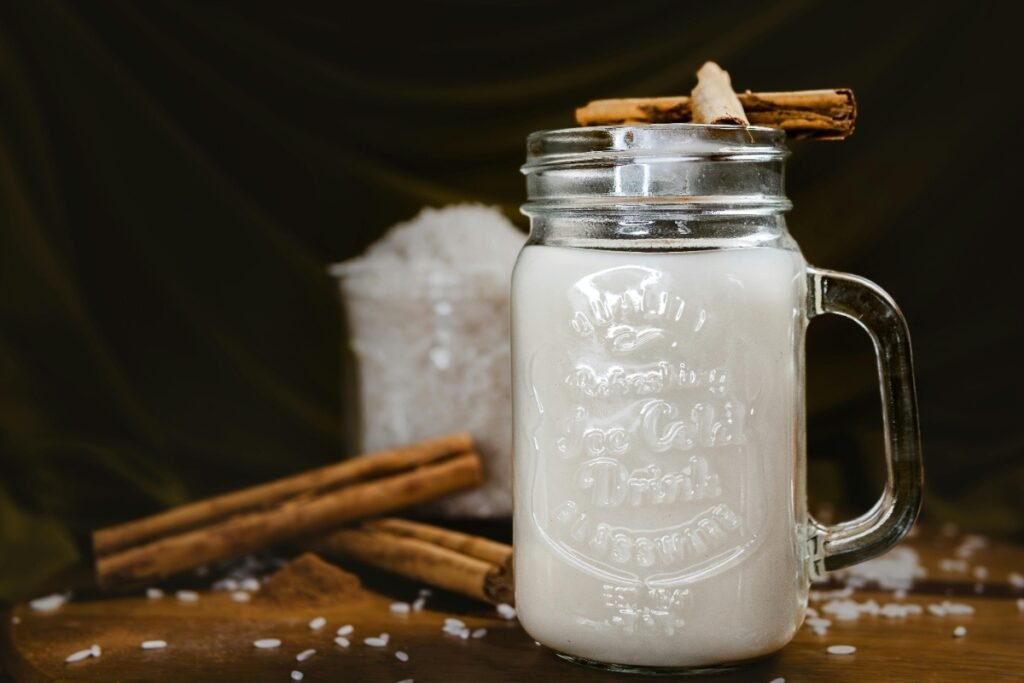
Horchata in Valencia — a sweet cold drink made from tigernuts (chufa) — is genuinely worth trying in its region of origin. However, supermarket and tourist-area versions made from concentrate bear little resemblance to the fresh-ground version served at Valencia’s traditional horchaterías.
| Drink | Best Region | Typical Bar Price | Notes |
|---|---|---|---|
| Albariño | Rías Baixas (Galicia) | €4–€8 glass | The natural partner for Galician seafood |
| Fino/Manzanilla Sherry | Jerez/Sanlúcar | €2–€4 glass | Always serve cold; ask for bien frío |
| Rioja Reserva | La Rioja | €5–€10 glass | Ask for reserva over joven for quality |
| Cava | Penedès (Catalonia) | €4–€8 glass | Brut Nature is the best dry style |
| Vermut Rojo | Nationwide | €2–€4 glass | Sunday mornings; served with olives |
| Caña of beer | Nationwide | €1.50–€3.00 | Order by region for the local brand |
| Txakoli | Basque Country | €3–€5 glass | Pour from height for proper carbonation |
| Horchata | Valencia | €2–€4 | Drink only fresh, only in Valencia |
What Should Tourists Avoid?
Answer: The most reliable tourist traps in Spain concentrate on Las Ramblas (Barcelona), Plaza Mayor restaurants (Madrid), the Alhambra tourist strip (Granada), and seafront restaurants in Barceloneta. However, the structural problem throughout Spain is the same: tourist-facing restaurants charge significantly more for food that rarely represents regional cooking at its best.
Specific Situations to Navigate
Las Ramblas, Barcelona: Never eat a sit-down meal on Las Ramblas. The entire street caters to tourist volume — prices run 80–150% above local rates, and food quality rarely justifies even the local price. The same applies to the immediate streets off Las Ramblas — walking three streets into the Raval or El Born produces a fundamentally different restaurant economy.
Plaza Mayor, Madrid: The restaurants around Plaza Mayor serve reasonable food in a spectacular setting at prices designed for visitors who will never return. Specifically, the €15–€18 bocadillos de calamares (squid sandwiches) that genuinely good bars in the surrounding streets sell for €3.50–€5 represent the most visible version of this price differential.
Paella outside Valencia: Ordering paella in Madrid, Seville, or Barcelona rarely produces a version worth eating. These dishes use the wrong rice variety, cook over gas rather than wood, and add seafood to a rice dish that originally contained no seafood at all. Furthermore, most tourist-area “paella” uses food colouring rather than saffron. Specifically, if you’re eating paella outside of Valencia, order something else.
Sangria: Sangria is not a traditional Spanish drinking culture staple — it is a tourist export that the Spanish rarely drink themselves. Ordering it in a tourist restaurant signals willingness to pay elevated prices for a sweet wine-based drink that represents neither Spanish wine quality nor Spanish drinking customs. Instead, ordering a glass of local wine, a vermut, or a clara achieves better results at lower cost.
Free tapas deception: Free tapas with drinks (tapeo) still exist in Seville, Granada, Almería, and some Castilian cities. However, tourist-facing bars in these cities sometimes advertise “free tapas” while charging tourist prices for drinks that offset the cost. Consequently, the free tapa only represents genuine value in genuinely local bars.
Meal Times: The Most Important Practical Fact About Eating in Spain
Answer: Spain’s meal times are the single most important practical fact for food-focused travellers. Lunch runs 14:00–16:30 and represents the day’s main meal. Dinner rarely begins before 21:00 and locals commonly eat at 22:00–23:00. Restaurants serving dinner at 18:00 or 19:00 exist almost exclusively for tourists and do not represent the Spanish kitchen at its best.
Understanding the Spanish Day
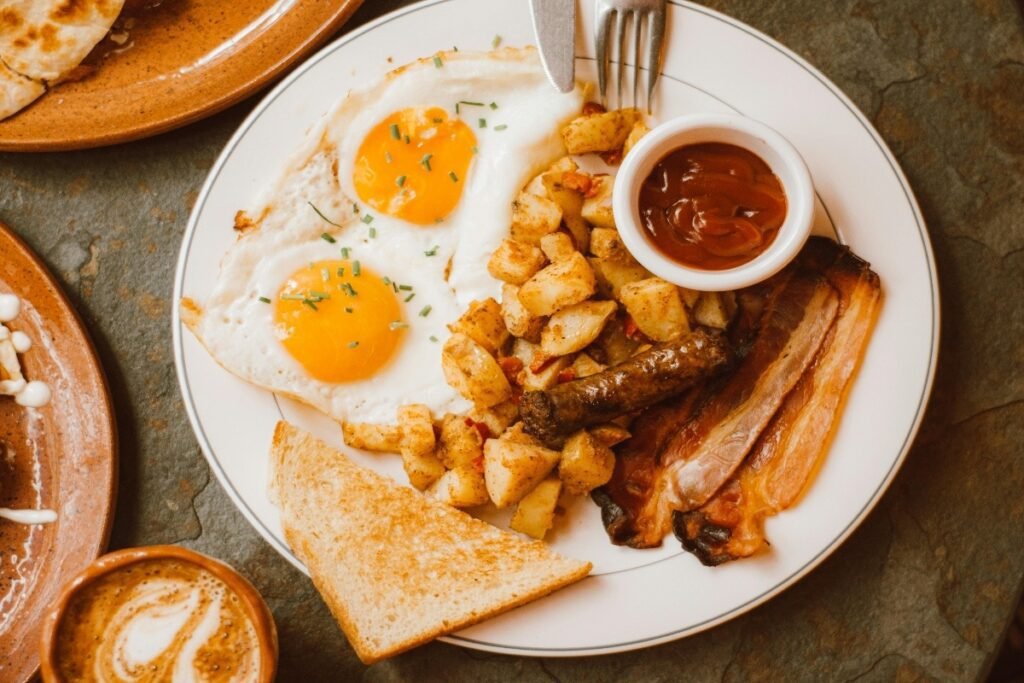
The Spanish day structures itself around food in a sequence most northern Europeans find disorienting at first. Breakfast (desayuno) runs from around 08:00 to 10:00 — typically a coffee and a tostada (toasted bread with olive oil and tomato, or butter and jam) at a bar counter for under €3. By mid-morning, a second coffee and a small snack (almuerzo) appear around 11:00–12:00.
Lunch (la comida) is the main meal of the day, eaten between 14:00 and 16:30. Most restaurants don’t open for lunch before 13:30, and the kitchen reaches full capacity around 14:30. Therefore, arriving at 13:00 and finding a closed restaurant is normal rather than exceptional.
The evening merienda — a small snack, often churros or a pastry — fills the gap around 18:00. Dinner (la cena) in Spain begins at 21:00 at the earliest and extends to midnight or later on weekends. Furthermore, restaurants in tourist areas that serve dinner from 19:00 onwards cater exclusively to visitors eating on northern European schedules and typically maintain lower kitchen standards as a result.
What This Means Practically
- Book dinner at 21:30 or later. Restaurants before 21:00 fill with tourists; 21:30–22:00 fills with locals — the kitchen is working at full capacity and the atmosphere is entirely different.
- Use the menú del día for lunch. The 14:00–16:00 window is when Spain’s kitchens produce their best value work.
- Don’t book dinner before 21:00. Many of the best restaurants in Spain don’t fully open their evening service until 21:00.
- Adjust breakfast expectations. A coffee and tostada at a bar counter is genuinely excellent and costs under €3. Hotel buffets cost more and deliver less.
Traveller Practicality: Vegetarians, Families, Dietary Needs
Answer: Vegetarians navigate Spain adequately in cities but face challenges in rural areas and traditional restaurants where the cuisine builds fundamentally around jamón, chorizo, and pork fat. However, Catalonia and the Basque Country have more developed vegetable-forward cooking traditions, and larger Spanish cities now support dedicated vegetarian restaurants.
Vegetarian Reality
Spain is not a vegetarian-friendly destination by design. Traditional Spanish cooking uses pork fat as a cooking medium, adds jamón to vegetables, and regards a purely vegetable dish as incomplete. However, the following exist on most menus and provide reliable options:
- Tortilla española (sometimes contains chorizo — confirm before ordering)
- Patatas bravas (always vegetarian)
- Pan con tomate or pa amb tomàquet (Catalan tomato bread)
- Escalivada (Catalan roasted vegetables)
- Gazpacho and salmorejo (both vegetarian; salmorejo often garnished with jamón, ask for it without)
- Pimientos de Padrón (small green peppers, fried in olive oil — Galician in origin)
- Ensalada mixta (mixed salad; ask to confirm it contains no tuna, which appears automatically in some versions)
Vegans face considerably more difficulty. Spanish bread, pastries, and many sauces contain animal products, and the concept of dairy-free cooking has not developed significantly outside major cities. Accordingly, larger cities — Barcelona, Madrid, Valencia — have dedicated vegan restaurants that meet this need; smaller towns and rural areas do not.
Families and Allergy Awareness
Spain accommodates families naturally in most eating contexts. Children eat late alongside their parents, restaurants genuinely welcome them, and the extended lunch format suits mixed-age groups who eat at variable speeds. However, allergy awareness in traditional restaurants varies — English-language communication in tourist areas handles allergen queries adequately, whereas village restaurants in rural Spain may require more effort.
Gluten intolerance creates real challenges: Spanish bread accompanies almost every meal, and the flour in croquetas, rebozados (batters), and many sauces is rarely labelled. Additionally, nuts appear in some Catalan and Andalusian preparations without warning. Nut-allergy travellers should exercise caution at tapas bars where dishes share preparation surfaces.
Local Dining Etiquette in Spain
Answer: Spanish dining etiquette is informal and unhurried. Nobody rushes you from a table. The bill arrives only when you request it. Sharing dishes is optional but common in tapas and pintxos contexts. Tipping follows a loose 10% convention at sit-down restaurants, though Spanish people themselves often leave nothing or round up the bill.
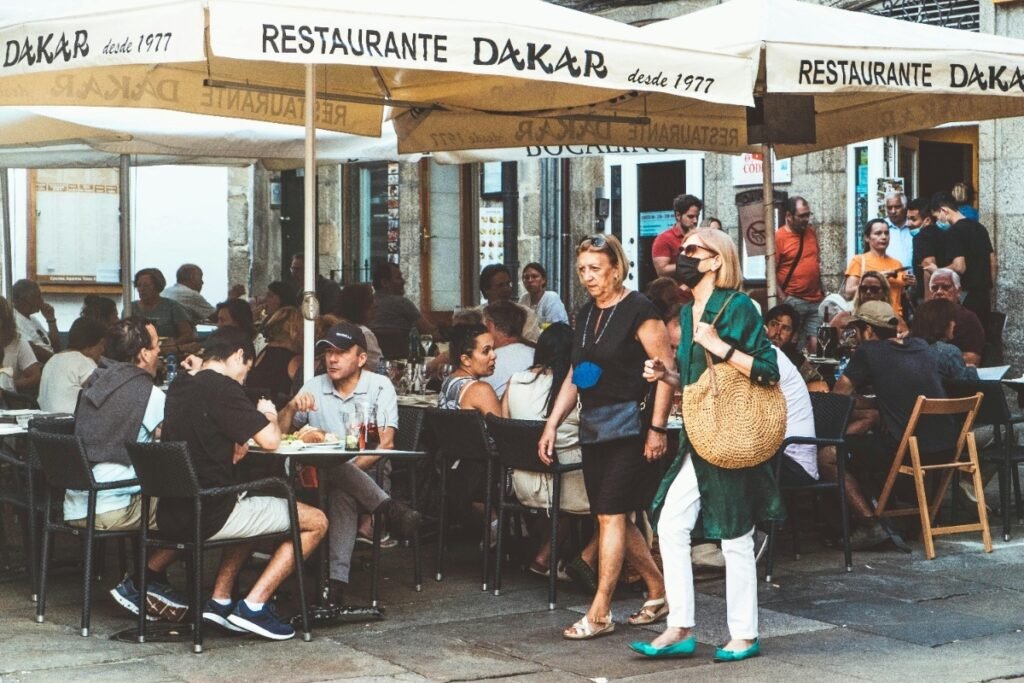
Table Customs
At a sit-down restaurant, bread arrives automatically at most places and may carry a small cover charge (cubierto) of €0.50–€1.50 per person. Water comes as bottled still or sparkling unless you specifically request tap — which is safe to drink throughout Spain and entirely reasonable to order.
Ask for the bill (la cuenta) — no Spanish restaurant brings it unsolicited, and waiting for it wastes time. Request it with “la cuenta, por favor.” In tapas bars, the barman keeps a running tally; settle before leaving rather than running a tab over an extended evening.
Tipping and Practical Notes
Tipping customs in Spain are genuinely relaxed by northern European standards. At sit-down restaurants with table service, leaving 5–10% for good service pleases staff. Rounding up the bill to a convenient figure also works well. However, Spanish people themselves often leave nothing at all, particularly in casual bars and cafés.
At pintxos bars, nobody expects a tip — the transaction is essentially retail. At tapas bars, leaving small coin change from the bill is standard. Furthermore, service charges never appear automatically on bills in Spain, which means no tip is ever compulsory.
Most restaurants accept cards, particularly in cities. However, smaller tapas bars, village cafés, and market stalls often prefer cash. Consequently, carrying €20–€40 in small notes makes bar-hopping evenings in San Sebastián or Seville considerably smoother.
Best Areas for Food by Budget and Traveller Type
| Traveller Type | Best Area | Why |
|---|---|---|
| Pintxos and serious cooking | San Sebastián Old Town (Parte Vieja) | Highest concentration of quality pintxos bars in the world |
| Seafood and shellfish | Galicia (O Grove, Santiago, Rías Baixas) | Freshest seafood in Spain at the most honest prices |
| Wine tourism | Rioja (Haro, Logroño), Rías Baixas, Jerez | Winery visits, bodega lunches, sherry bodegas |
| Budget eating | Seville (Triana) or any provincial Spanish city | Menú del día from €10; free tapas still available |
| Traditional Madrid food | Malasaña, Lavapiés, La Latina (side streets) | Cocido, callos, and vermut culture away from the tourist belt |
| Authentic paella | Valencia (Sunday lunch, rice restaurants in L’Albufera) | The only place paella makes complete sense |
| Modern Spanish cooking | Barcelona (Eixample) or Madrid (Chamberí) | Contemporary food at prices below the tourist zones |
| Short stay (1–2 days) | Madrid or Barcelona (with neighbourhood awareness) | Most concentrated mix of food quality and variety |
| Family dining | Any Spanish city at a traditional restaurant | Spanish culture genuinely accommodates children at all hours |
Where To Stay in Spain?
Radisson’s Spain portfolio mixes city-centre hotels, Canary Islands beach resorts, and a dedicated wellness retreat. This variety makes the brand useful for different trip purposes rather than pushing one uniform travel style: Seville or Madrid for sightseeing, Lanzarote or Tenerife for beach time, and the Oviedo area for nature-based relaxation.
The standout addition is Blau Gran Hotel Las Caldas (a member of Radisson Individuals) near Oviedo. Unlike the urban or seaside properties, this historic thermal spa hotel (dating from 1776) centres on nature, wellness, thermal waters, expansive gardens, and a full spa rather than downtown sightseeing. It functions as the strongest “escape” option in Radisson’s Spain list, while the other properties remain focused on classic city or beach use cases.
| Hotel & Location | Best For | Unique Feature | Verified Rating | Action |
|---|---|---|---|---|
|
Radisson Blu Resort, Lanzarote Avenida del Mar, 26, Costa Teguise, Lanzarote, 35508, Spain |
Beach Stays & Couples | Adults-only resort positioning and close access to Playa Bastián and Playa Las Cucharas. | 4.5/5 | BOOK NOW |
|
Radisson Collection Hotel, Magdalena Plaza Sevilla Plaza de la Magdalena 1, 41001 Seville, Spain |
Sightseeing & Heritage | Prime central location, within walking distance of Seville Cathedral and the historic core. | 4.5/5 | BOOK NOW |
|
Radisson Collection Hotel, Gran Vía Bilbao Bilbao city centre, Spain |
Design & Nightlife | Flagship Radisson RED property with a rooftop and distinctive restaurant concept. | 4.0/5 | BOOK NOW |
|
Blau Gran Hotel Las Caldas, a member of Radisson Individuals Las Caldas s/n, 33174 Oviedo, Asturias, Spain |
Wellness & Nature | Set in Las Caldas, about 8 km from Oviedo, with a strong wellness-and-nature focus. | 4.0/5 | BOOK NOW |
|
Radisson Collection Hotel, Gran Vía Bilbao Bilbao city centre, Spain |
Urban Breaks & Culture | Central Bilbao location with easy access to the Guggenheim Museum and San Mamés. | 3.5/5 | BOOK NOW |
Important Things Travellers Should Know Before Eating in Spain
Timing, Seasons, and Ordering
- Lunch is the main meal. In Spain, lunch — not dinner — is where kitchens invest the most effort. The menú del día represents this investment at the most accessible price. Consequently, skipping the menú del día in favour of a tourist-restaurant dinner is the single most expensive food mistake a traveller can make.
- Spaniards eat very late. Dinner at 22:00 is entirely normal; restaurants before 21:00 operate in tourist mode. Booking the latest available table at any restaurant generally produces the best atmosphere and the most attentive service.
- August in Madrid means many local restaurants close. Madrid empties in August as residents leave for the coast. The restaurants that remain open cater heavily to tourists; the best neighbourhood restaurants reopen in September.
- Ask what is fresh today. In fish restaurants and market-adjacent restaurants, asking “¿Qué hay fresco hoy?” (What’s fresh today?) typically produces better results than ordering from the menu.
Costs, Customs, and Practical Notes
- Bread and olives on the table are usually charged. A cubierto charge of €0.50–€2.00 per person covers automatically placed bread, olives, and condiments. This is a standard practice throughout Spain, not a scam.
- The tostada is the best breakfast in Europe. Toasted bread with olive oil and crushed tomato (pan con tomate) costs €1.50–€3.00 at a neighbourhood bar and delivers better flavour than any hotel breakfast at ten times the price.
- Regional wines beat house wines. When in Galicia, order Albariño. When in the Basque Country, order txakoli or Rioja Alavesa. Asking for the local wine by region specifically almost always produces a better and often cheaper result than ordering vino de la casa.
- Avoid tourist menus with photographs. A menú turístico (tourist menu) is a fixed-price format that restaurants design explicitly for visitors. It differs from the menú del día in a critical way — operators price it to extract tourist value rather than deliver local cooking. The distinction is visible on the board: the menú del día changes daily; the menú turístico does not.
Frequently Asked Questions About Food in Spain
Tapas, Pintxos, and Paella
What is the difference between tapas and pintxos? Tapas are small plates of food served in bars — historically free in some regions, ordered separately in others. Pintxos are the Basque Country’s version: small items mounted on bread slices with a toothpick (the word “pintxo” comes from the Spanish for “spike”). The key practical difference is that pintxos typically display on the bar and carry individual prices, whereas tapas are either ordered from a menu or brought automatically with drinks. Consequently, the eating format is different — pintxos bars involve browsing and pointing, whereas tapas bars involve sitting and ordering.
Is paella really from Valencia? Yes, and the original recipe contains no seafood. Valencian paella uses chicken, rabbit, green beans, garrofó (a flat white bean local to Valencia), tomato, saffron, and rice cooked over orange wood. Cooks in other regions added seafood as the dish spread to coastal areas and adapted to local ingredients. Therefore, the mixed paella with prawns, mussels, and chicken found in tourist restaurants throughout Spain represents a regional adaptation rather than the original. If you want the authentic version, travel to Valencia and eat it there on a Sunday.
What makes Basque food different from the rest of Spain? The Basque Country treats food with an intensity found almost nowhere else in the world. The region’s culinary societies (txokos) — private members’ cooking clubs where men gather to cook elaborate meals — reflect a culture where cooking is a serious social ritual. Furthermore, the Bay of Biscay produces exceptional fish, the green interior provides quality beef and dairy, and a tradition of technique-focused cooking has produced more Michelin stars per capita than anywhere else on earth. The pintxos bar circuit in San Sebastián is the accessible expression of this culture.
Ordering and Meal Times
What is the menú del día and how do I order it? The menú del día is a set three-course lunch available at most Spanish restaurants during weekday lunch service (approximately 13:30 to 16:00). To order it, ask “¿Tienen menú?” or look for the blackboard or laminated card showing the day’s options. It includes a first course (often soup, salad, or pasta), a main course (usually meat or fish), dessert or coffee, bread, and a drink. The price covers everything listed. It genuinely represents the best value meal in Spain.
Why do Spanish restaurants close between lunch and dinner? Most traditional Spanish restaurants close between roughly 16:30 and 20:30–21:00. This reflects the country’s historical meal structure — lunch is the main meal, the kitchen needs time to prepare for dinner, and the concept of continuous service is a relatively recent import that traditional restaurants haven’t adopted. Therefore, arriving for dinner at 18:00 at a traditional restaurant will often produce a closed door or a kitchen serving only bar snacks.
Water, Quality Indicators, and Practical Tips
Is it safe to drink tap water in Spain? Yes, throughout mainland Spain and the major islands, tap water is safe to drink. However, in some areas — notably parts of the Canary Islands and some smaller Balearic islands — the water tastes noticeably mineral or chlorinated, and locals prefer bottled water. On the mainland, Madrid’s tap water is widely considered excellent. Restaurants bring bottled water by default unless you specifically ask for tap (agua del grifo).
How do I find a good restaurant in an unfamiliar Spanish city? The most reliable method combines two approaches: finding the nearest covered market (Mercado) and eating at the surrounding bars and restaurants, which cater to market workers and traders at honest prices. Additionally, any restaurant that posts its menú del día on a board outside and changes it daily makes a commitment to fresh cooking that tourist menus do not. A chalkboard menu and a full room of Spanish people at 14:30 on a Tuesday constitutes the most reliable quality indicator in the country.
© 2026 — Editorial travel content. Not affiliated with Turespaña, any regional Spanish tourism body, or any commercial food or hospitality operator. Pricing figures are approximate and subject to change.
Editorial & Accuracy Standards
- Expert Review:
Ammara Azmat,
Senior Travel Mobility Analyst (12+ years experience) - Status: Verified for accuracy against official 2026 service data and real-time traveller reports.
- Our Process: This content follows our Fact-Checking Policy.