

Beyond the Downtown Core: Navigating Toronto’s Diverse Neighbourhood Food Economy
Sunset Weekly Disclosure: To help keep our guides free, this post contains affiliate links. If you click through and make a booking (such as hotels, flights, tours, or travel experiences), we may earn a commission at no extra cost to you. Sunset Weekly is an independent travel and lifestyle publication. While we may receive compensation from affiliate partners, this does not influence our editorial content, recommendations, or opinions. #ad
Quick Answer: Toronto operates as one of the world’s most genuinely diverse food cities. More than half the city’s population was born outside Canada. Consequently, first-generation immigrant cooking — Tamil, Vietnamese, Cantonese, Jamaican, Ethiopian, and dozens of others — forms the backbone of the eating experience. The best food concentrates in the outer boroughs and neighbourhood streets rather than the downtown tourist corridor. Tipping at 18–20% is non-negotiable.
Editorial note: This guide covers Toronto’s neighbourhood food geography, regional Canadian dishes, and practical eating across all price levels. Pricing reflects 2025–2026 conditions. No restaurants, tourism boards, or commercial operators have contributed to or influenced this content.
Toronto’s food identity does not belong to any single tradition. The city has no native cuisine of its own in the way that Penang has hawker food or Lyon has bouchons. However, this absence is the point. Toronto’s food strength is depth of diversity — dozens of intact immigrant communities cooking for themselves rather than for outside visitors. Specifically, the Tamil community in Scarborough, the Vietnamese restaurants of Spadina, the Jamaican patty shops across the city, and the Polish bakeries of Roncesvalles all reflect communities feeding themselves. That produces a different quality from immigrant cooking adjusted for a mainstream audience.
What Food Is Toronto Known For?
Answer: Toronto is known for the peameal bacon sandwich (a distinctly Toronto institution), butter tarts, poutine, Caribbean roti, Jamaican beef patties, dim sum, and a Scarborough outer-borough food scene of exceptional diversity and value. Additionally, the Caesar cocktail and Ontario ice wine from the Niagara Peninsula represent the most distinctively Canadian drinking experiences available in the city.
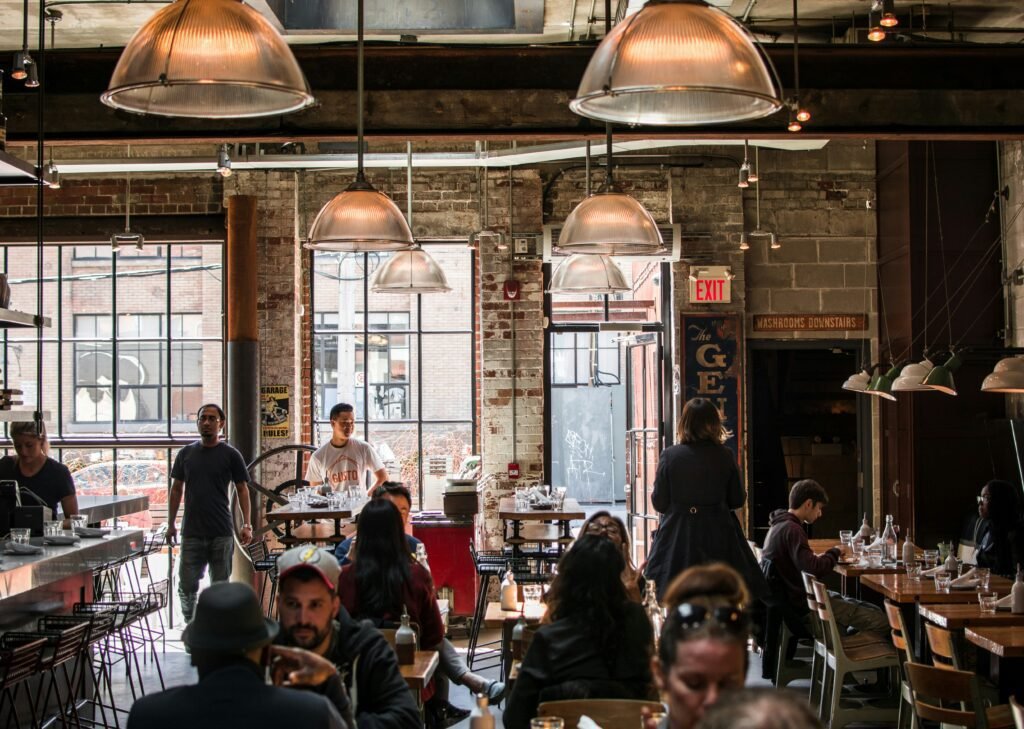
Toronto’s most iconic local food is the peameal bacon sandwich. Peameal bacon is back bacon (Canadian-style cured pork loin) rolled in cornmeal. Specifically, the definitive version comes from Carousel Bakery at St. Lawrence Market: a kaiser roll with thick-cut peameal bacon, served simply, eaten standing at the counter. This combination is as close to a Toronto signature food as the city produces.
Butter tarts represent Ontario’s contribution to Canadian pastry culture. A short-crust shell holds a filling of butter, sugar, and egg — gooey and intensely sweet, sometimes with raisins or pecans. Specifically, bakeries across the city produce them, though quality varies considerably. Furthermore, the “butter tart trail” through small Ontario towns north of the city represents a distinct food tourism activity for visitors with a car and a spare afternoon.
Toronto’s Essential Dishes and Drinks
| Item | What It Is | Best Context |
|---|---|---|
| Peameal bacon sandwich | Cornmeal-crusted back bacon in a kaiser roll | Carousel Bakery, St. Lawrence Market; Saturday morning |
| Butter tarts | Sweet pastry with butter-sugar-egg filling; raisins or nuts optional | Bakeries across the city; best from smaller independent bakeries |
| Poutine | Fries, cheese curds, gravy; Quebec origin, widely eaten in Toronto | Casual restaurants; dedicated poutine shops; avoid tourist-area versions |
| Caribbean roti | Trinidad and Guyana-style flatbread with curried meat or vegetable filling | Roti shops in Scarborough and Kensington Market |
| Jamaican beef patty | Spiced minced beef in flaky, turmeric-yellow pastry | Jamaican patty shops across the city; most Jamaican restaurants |
| Dim sum | Cantonese small plates served from carts or to order | Spadina Chinatown and Scarborough restaurant strips; Sunday mornings |
| Korean BBQ | Tableside grilling of marinated beef, pork, and chicken | Koreatown (Bloor West); North York; a good group dinner format |
| Bannock | Indigenous Canadian flatbread; pan-fried or baked | Indigenous-owned cafés and restaurants; markets |
| Caesar cocktail | Vodka, Clamato juice, hot sauce, celery salt over ice | Invented in Calgary; ubiquitous across Canada including Toronto |
| Ontario ice wine | Intensely sweet wine from frozen Vidal or Riesling grapes; Niagara Peninsula | Ontario liquor stores; wine bars; widely available |
| Craft beer (Ontario) | Diverse IPAs, pilsners, and lagers from local Ontario breweries | Craft beer bars; brewery taprooms; LCBO stores |
| Tim Hortons coffee | Light roast drip coffee; a Canadian cultural institution of modest quality | Everywhere; “double-double” (two cream, two sugar) is the local order |
Understanding Toronto’s Neighbourhood Food Geography
Answer: Toronto’s best food does not concentrate downtown. The most interesting and affordable eating distributes across distinct immigrant neighbourhoods — Chinatown and Kensington Market in the west, The Danforth in the east, Little India on Gerrard Street East, and Scarborough’s exceptional outer-borough food scene. Downtown’s Entertainment District and tourist waterfront produce the most overpriced and least interesting food in the city.

Downtown Core: Tourist Zone and Two Exceptions
Downtown Toronto — the Entertainment District near Scotiabank Arena and Rogers Centre, the waterfront along Queens Quay, and Front Street near Union Station — concentrates tourist-facing restaurants at tourist prices. However, two genuinely important food destinations sit within the downtown core.
St. Lawrence Market (covered in its own section) is the first. The second is the corridor along King Street West, where Toronto’s most concentrated restaurant scene has developed. Specifically, this area suits evening dining rather than budget lunch. The quality is high but prices reflect a professional neighbourhood clientele.
Kensington Market sits a few minutes west of Chinatown. It is a neighbourhood rather than a covered market — a concentration of independent food shops, Caribbean roti shops, Mexican taquerías, and South American empanada stalls. Specifically, the area around Augusta Avenue and Kensington Avenue rewards a long afternoon of eating across multiple stalls. Prices remain accessible.
West End: Little Portugal, Koreatown, Dundas West
West of Kensington Market, the streets around Ossington Avenue, Dundas Street West, and Roncesvalles Avenue hold some of Toronto’s most interesting independent restaurant culture. Little Portugal along Dundas West has good pastelarias (Portuguese bakeries) and neighbourhood cafés. Roncesvalles Avenue holds Polish bakeries and a restaurant culture that serves residents rather than visitors.
Koreatown on Bloor Street West (between Christie and Bathurst) concentrates Korean restaurants — BBQ, army stew (budae jjigae), Korean fried chicken, and bibimbap. Specifically, late-night Korean BBQ represents one of Toronto’s most enjoyable social eating formats. Quality varies; the most locally used restaurants sit slightly off the main Bloor strip.
East End: The Danforth and Leslieville
The Danforth (Greektown) runs east of the Don Valley, concentrated between Broadview and Jones Avenues. Greek restaurants, fish-and-chip shops, and Levantine spots fill the strip. However, Greektown’s food quality has become more variable as the neighbourhood’s Greek character dilutes. Specifically, visiting for atmosphere and an accessible meal works well. Visiting for the definitive Greek cooking in Toronto requires looking further afield toward suburban restaurants.
Leslieville (Queen Street East) has developed a dense brunch and café culture over the past decade. Prices run mid-range; quality is generally reliable without producing the most exciting food in the city. Consequently, it suits a Sunday morning coffee and a relaxed late breakfast.
Scarborough: Toronto’s Best-Value Food Borough
Scarborough — Toronto’s outer eastern district — holds what many Toronto food writers consider the city’s most interesting and most affordable food. Specifically, the Tamil community centred around Scarborough Town Centre produces South Indian and Sri Lankan cooking of genuine quality: dosa, chettinad curries, appam, and puttu from restaurants cooking for their own community. Additionally, the Vietnamese restaurants around Kennedy Road and Midland Avenue serve pho, banh mi, and bún bò huế at prices significantly below anything in the city centre.
Furthermore, the Scarborough Bluffs area holds Bangladeshi, Trinidadian, and East African community restaurants that represent some of the most underexplored eating in the city. Specifically, a TTC ride to Scarborough produces a completely different food experience from the downtown or west-end circuits. Budget travellers who make this trip eat better for less money than almost anywhere else in Toronto.
St. Lawrence Market
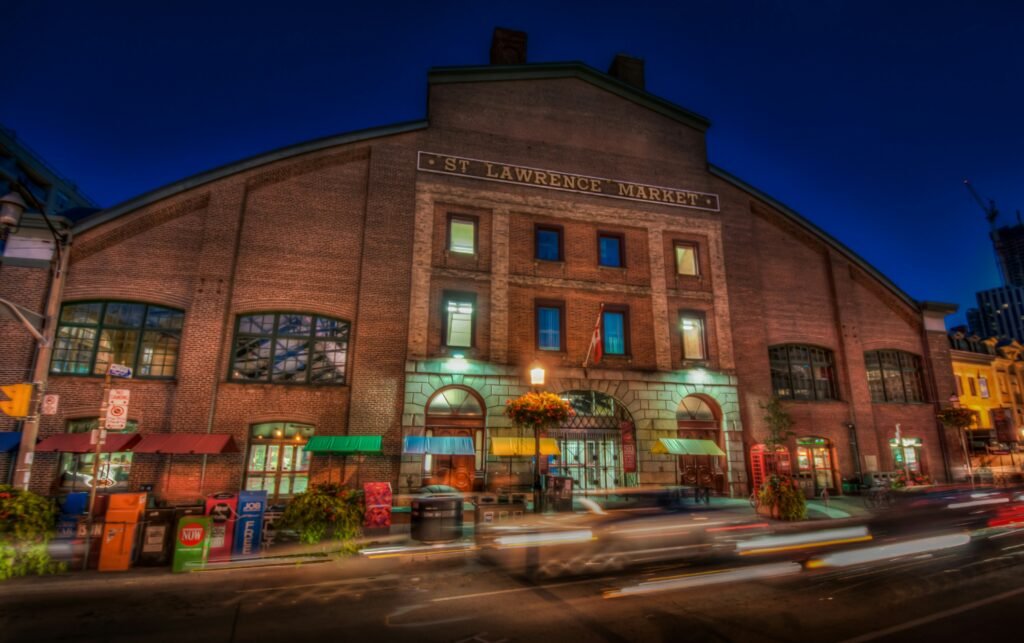
Answer: St. Lawrence Market, at Front and Jarvis in the Old Town district, ranks among the genuinely great food markets of North America. The main south building operates Tuesday through Saturday with permanent stalls selling peameal bacon sandwiches, charcuterie, cheese, fresh produce, and prepared foods. The Saturday farmers’ market at the north building brings Ontario farmers directly into the city. Visiting on a Saturday morning covers both simultaneously.
What to Eat and Buy
The peameal bacon sandwich from Carousel Bakery (inside the main market building) is the single most justified food pilgrimage in Toronto. Saturday queues run thirty to forty-five minutes. Arriving at 08:00 rather than 11:00 produces a shorter wait and a better experience.
Beyond the peameal sandwich, the market holds excellent cheese vendors, charcuterie and cured meats, fresh Ontario produce, and several prepared food stalls for a quick lunch. Specifically, the fresh pasta vendors and the fish counter reward attention. Additionally, the Saturday north building farmers’ market is one of the most direct access points to Ontario’s agricultural produce.
Practical Notes
St. Lawrence Market opens Tuesday through Thursday from 08:00 to 18:00, Friday until 19:00, and Saturday until 17:00. It closes on Sunday and Monday. Consequently, planning a visit around a Saturday morning produces the fullest experience. Weekday visits produce less queuing and a more local shopping atmosphere.
How Expensive Is Food in Toronto?
Answer: Toronto is one of the more expensive cities in North America for eating out. However, immigrant neighbourhood restaurants across the city offer genuinely excellent value at CAD 15–30 per person for a full meal. The real budget challenge is the tipping expectation — 18–20% is standard and adds significantly to the menu price. Additionally, Ontario’s 13% Harmonized Sales Tax (HST) applies to all restaurant meals and appears on every bill.
Pricing by Context
| Meal Type | CAD | Approx. GBP | Notes |
|---|---|---|---|
| Jamaican beef patty (shop) | 3–5 | £1.75–£2.90 | The most accessible cheap food in the city |
| Peameal bacon sandwich (St. Lawrence) | 8–12 | £4.65–£6.98 | Queue expected on Saturdays |
| Tim Hortons coffee and muffin | 4–8 | £2.30–£4.65 | The ubiquitous Canadian breakfast |
| Pho (Scarborough/Chinatown) | 14–22 | £8.15–£12.80 | Excellent value in immigrant neighbourhoods |
| Roti (Kensington / Scarborough) | 10–18 | £5.80–£10.45 | Filling, cheap, and genuinely good |
| Casual restaurant lunch | 18–35 | £10.45–£20.35 | Before 13% HST and 18–20% tip |
| Mid-range dinner (per person, before tax/tip) | 40–85 | £23.25–£49.45 | King West and Ossington area restaurants |
| Fine dining (per person, before tax/tip) | 100–250+ | £58–£145+ | Tasting menus; upscale neighbourhoods |
| Craft beer (bar, pint) | 8–14 | £4.65–£8.15 | Taproom prices slightly lower |
| Glass of Ontario wine (restaurant) | 12–22 | £6.98–£12.80 | VQA Niagara wines; quality reflects price |
| Caesar cocktail | 12–18 | £6.98–£10.45 | Available everywhere; quality varies |
The Tax and Tip Reality
Ontario’s 13% HST applies to all restaurant meals. Additionally, 18–20% tip is the social standard at sit-down restaurants. Together these add approximately 31–33% to any menu price. Specifically, a dinner priced at CAD 80 per person on the menu costs CAD 105–106 after tax and tip. Budgeting only for menu prices underestimates the actual cost by nearly a third. This is the single most important financial fact for non-North American visitors eating in Toronto.
Toronto’s Drinking Culture
Answer: Toronto has a well-developed craft beer culture built around Ontario breweries, a strong cocktail bar scene concentrated on Ossington and King West, and an increasingly serious Ontario wine industry producing ice wine and Niagara Peninsula whites and reds. Additionally, the Caesar cocktail — vodka with Clamato juice, hot sauce, and celery salt — appears on every bar menu in the city.
Craft Beer and the LCBO
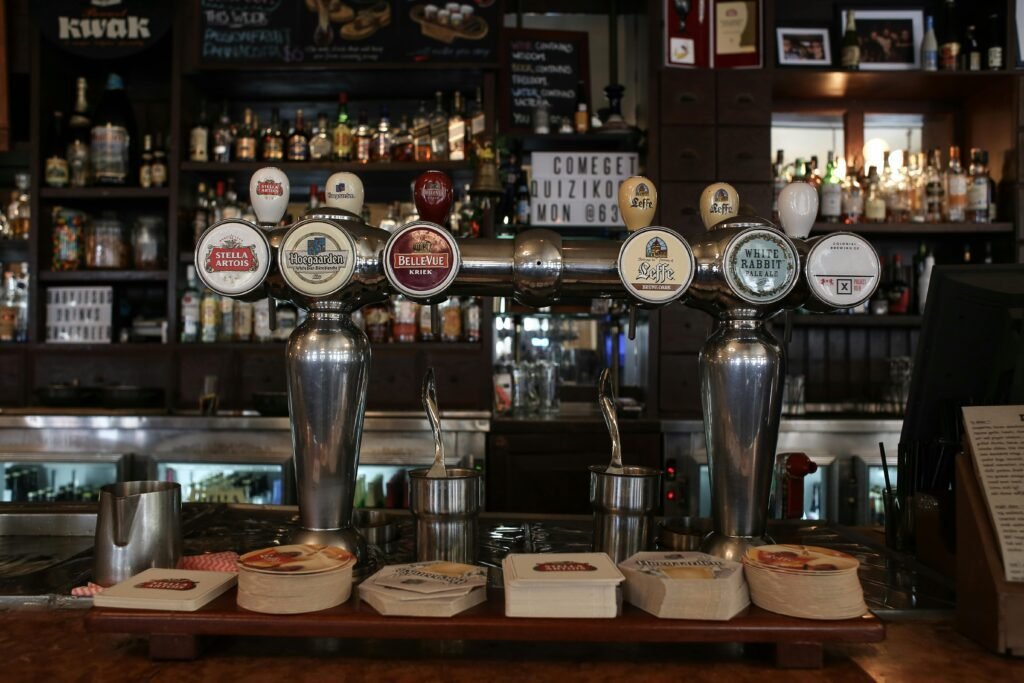
Ontario’s craft brewing sector has grown substantially over the past decade. Specifically, breweries such as Steam Whistle (operating from a historic roundhouse adjacent to Union Station), Great Lakes Brewing, Collective Arts, and Left Field Brewery represent the city’s most established craft operations. Smaller neighbourhood breweries and taprooms have additionally multiplied across the west end and east end.
The LCBO (Liquor Control Board of Ontario) operates government-licensed liquor stores across the province. These serve as the primary retail source for wine, spirits, and imported beer. The Beer Store chain handles most domestic beer retail. Consequently, buying alcohol for home consumption in Ontario channels through these two systems rather than supermarkets — a distinctive quirk of Canadian liquor regulation that surprises most international visitors.
Ontario Wine and Ice Wine
Niagara Peninsula wines from Ontario’s VQA (Vintners Quality Alliance) designation have improved consistently over two decades. Specifically, Riesling, Chardonnay, Pinot Noir, and Cabernet Franc from the Niagara Peninsula produce wines competing with comparable price points from Europe and California. However, Ontario’s most celebrated and internationally recognised product is ice wine — made from naturally frozen Vidal or Riesling grapes harvested in January.
Ice wine is intensely sweet and high in acidity. A 375ml bottle costs CAD 40–100 at the LCBO. Furthermore, visiting the Niagara-on-the-Lake wine region (approximately 90 minutes from downtown Toronto) produces the most direct access to these wines at winery prices.
The Caesar Cocktail
The Caesar — invented in Calgary in 1969 — is Canada’s most popular cocktail and ubiquitous in Toronto. It combines vodka, Clamato juice, Worcestershire sauce, hot sauce, and celery salt. The glass rim carries a celery salt and pepper coating. Specifically, ordering a Caesar on a patio on a summer afternoon is as much a cultural act in Canada as a drink choice. Furthermore, elaborate garnish variations across Toronto bars — a full breakfast skewer, a slider, a chicken wing on the rim — make the drink simultaneously ridiculous and genuinely worth ordering.
What Should Tourists Avoid?
Answer: The Entertainment District restaurant strip near Scotiabank Arena and Rogers Centre, the CN Tower’s revolving restaurant, and the waterfront corridor along Queens Quay consistently produce overpriced food disconnected from the city’s actual eating culture. Additionally, timing a visit to St. Lawrence Market for Sunday misses the market entirely — it closes on Sundays and Mondays.
Specific Situations to Navigate
CN Tower 360 Restaurant: The revolving restaurant at the top of the CN Tower charges CAD 80–120 per person before tax and tip for results that any mid-range Toronto restaurant matches at half the price. The view is the product. The food is the vehicle for delivering access to it.
Entertainment District tourist strip: The stretch of restaurants near Scotiabank Arena and Rogers Centre serves arena crowds and hotel guests at captive-audience prices. Specifically, generic sports bars and chain restaurants dominate this corridor. The same food costs 40–60% less five minutes away from the arena perimeter.
Poutine at tourist locations: Poutine in tourist zones costs CAD 18–28 for a product inferior to what a neighbourhood operation produces for CAD 12–16. Specifically, proper poutine requires fresh cheese curds, adequate gravy, and hot fries. Tourist-facing poutine restaurants rarely prioritise all three. Neighbourhood operations and dedicated poutine shops do.
Traveller Practicality: Dietary Needs, Families, Accessibility
Answer: Toronto accommodates vegetarians and vegans better than almost any comparable city. The depth of South Asian, Ethiopian, and Middle Eastern restaurant culture means genuinely good plant-based cooking is available everywhere. Halal food concentrates in Scarborough and the suburban ring cities (Mississauga, Brampton). Families eat well across all contexts — Toronto restaurant culture is generally child-inclusive.
Vegetarian and Vegan
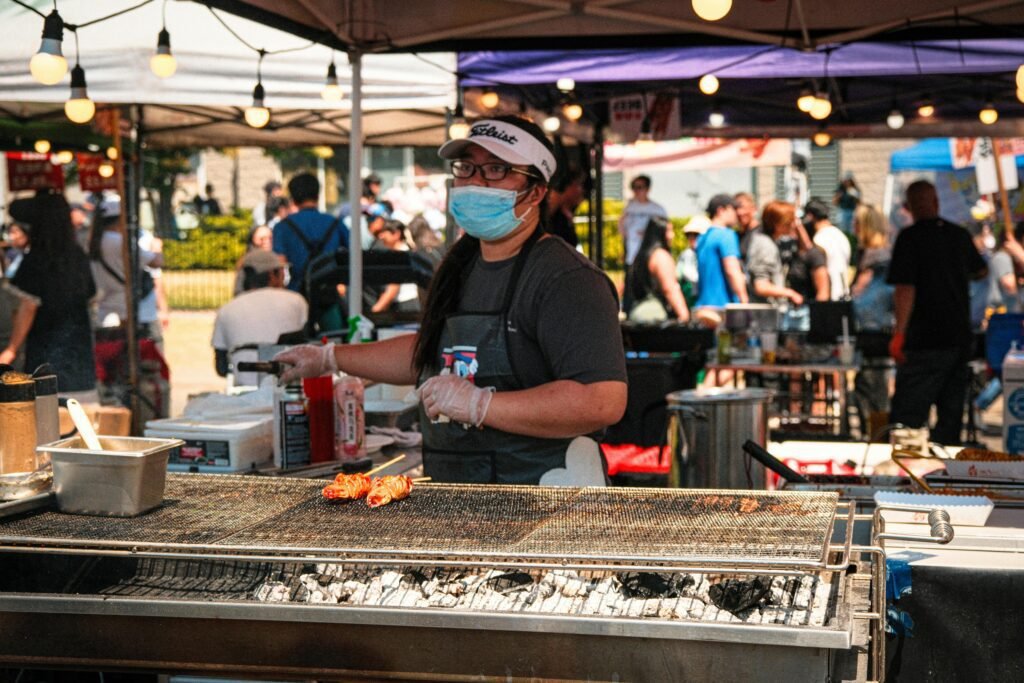
Toronto’s vegetarian and vegan eating options are genuinely exceptional. Specifically, the South Indian restaurants in Scarborough serve dosa, idli, and rice plates with no meat in the base tradition. Ethiopian restaurants — concentrated in several areas including Kensington and Scarborough — serve communal injera meals with multiple vegetable preparations. Additionally, Toronto has a well-developed dedicated vegan restaurant sector with options across multiple price points.
For vegetarians eating at general restaurants, plant-based menus have become standard. However, the most interesting vegetarian eating in Toronto comes from immigrant community restaurants rather than dedicated vegan establishments. Specifically, a thali lunch at a Tamil restaurant in Scarborough provides more flavour complexity than most dedicated plant-based restaurants in the downtown core.
Halal and Allergy Awareness
Halal food is widely available throughout Toronto, particularly in Scarborough, Mississauga, and Brampton. The Somali, Bangladeshi, Pakistani, and East African communities in these areas operate abundant halal restaurants at accessible prices. Downtown Toronto has fewer halal options in the immediate tourist areas.
Peanut awareness varies considerably — South Asian and East Asian cooking uses peanuts widely, often as a garnish or sauce component. Similarly, shellfish appears across Chinese and Vietnamese menus without always appearing in dish names. Specifically, communicating serious allergies clearly at every interaction and sticking to dedicated allergen-aware establishments reduces risk substantially.
Local Dining Etiquette in Toronto
Answer: Toronto dining etiquette follows North American norms. Tipping 18–20% at sit-down restaurants is the functioning economic expectation, not an optional courtesy. The bill arrives at your request at casual restaurants. Sharing dishes is common at Asian restaurants and small plates bars but unusual at traditional North American restaurants where individual ordering is the default.
The Tipping Imperative
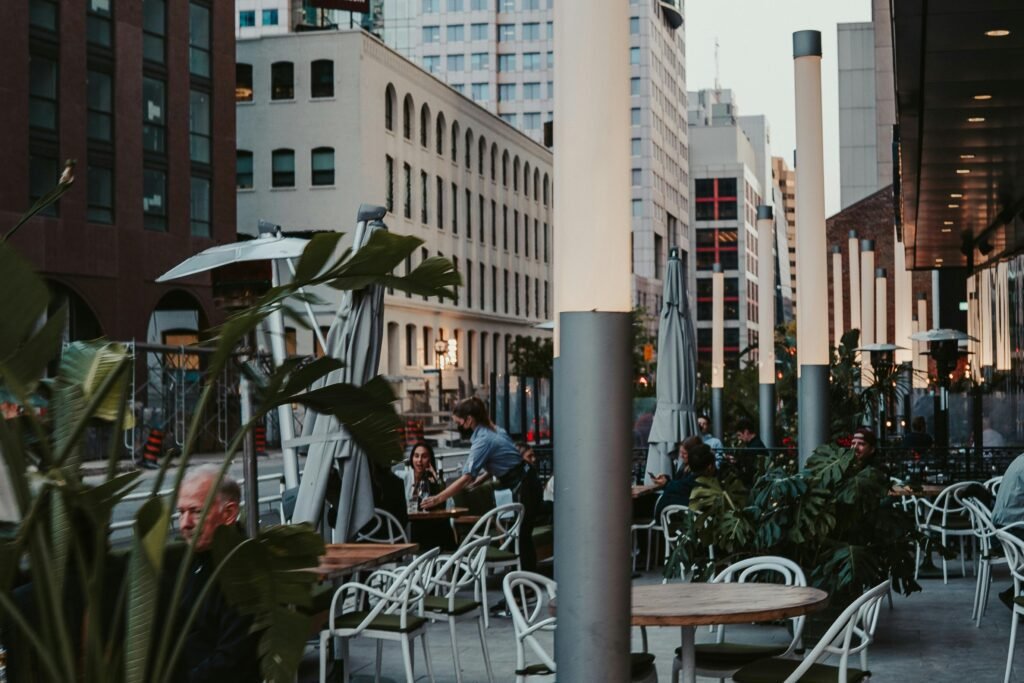
Toronto tipping culture operates similarly to New York. Specifically, 18% is the minimum accepted — 20% is the social standard and 22–25% signals genuinely exceptional service. Leaving 10–15% reads as a deliberate signal of dissatisfaction rather than a generous European gesture.
Restaurant payment terminals pre-calculate tip options at 18%, 20%, and 25%. Furthermore, servers in Toronto earn a minimum wage supplemented by tips — the economic model depends on the tip completing a living wage. Specifically, this is not optional social performance; it is a functioning economic system that non-North American visitors need to understand before sitting down.
Practical Table Customs
Bills in Toronto arrive when requested at casual and mid-range restaurants. Specifically, “can we get the cheque?” works everywhere — “cheque” rather than “bill” aligns with Canadian English. Splitting bills is straightforward. Toronto restaurants accommodate table splits by card without the reluctance found in some European contexts. Specifically, asking at the time of sitting down prevents confusion at payment time.
Best Areas for Food by Budget and Traveller Type
| Traveller Type | Best Area | Why |
|---|---|---|
| Budget eating | Scarborough (Scarborough Town Centre area) | Tamil, Vietnamese, Caribbean food from CAD 12–22 per person |
| St. Lawrence Market experience | Old Town, Front and Jarvis | Saturday morning peameal sandwich; Ontario farmers’ market |
| Korean BBQ | Bloor West (Koreatown) | Concentrated Korean restaurants; good group dinner format |
| Dim sum | Spadina Chinatown or Scarborough | Sunday morning dim sum at its best in the city |
| Caribbean food | Kensington Market / Scarborough | Roti, patties, jerk chicken at accessible prices |
| Craft beer and cocktails | Ossington Avenue / King West | Highest concentration of quality bars in the city |
| Ontario wine experience | Distillery District wine bars | Access to Niagara VQA wines and ice wine tastings |
| Fine dining | King West / Yorkville | Toronto’s most developed upscale restaurant corridors |
| Short stay (1–2 days) | St. Lawrence Market + Kensington + Scarborough trip | Covers all layers of the food landscape efficiently |
| Brunch culture | Leslieville / Trinity Bellwoods area | Dense brunch restaurant culture; popular weekend ritual |
Where To Stay in Toronto?
Hilton’s Canada portfolio is broad and deliberately segmented rather than one-size-fits-all, with more than 214 properties nationwide. The strongest pattern is a deliberate mix of downtown business hotels, resort-style properties, and all-suites conference hotels. This is why Toronto, Vancouver, Quebec City, and the Ottawa/Gatineau region consistently feature in best-of lists for different trip purposes.
For travellers, the practical value lies in dependable coverage of high-demand centres: Toronto for business and conferences, Vancouver and Quebec City for urban leisure, and Hilton Lac-Leamy (Gatineau) for a resort-style stay with casino access, indoor/outdoor pools, spa, and meetings under one roof, just five minutes from downtown Ottawa. The Canada page functions primarily as a directory and booking entry point — use it to filter by city and hotel type first, then verify exact address, recent review scores, and trip-specific fit on the individual property page.
| Hotel & Location | Best For | Unique Feature | Verified Rating | Action |
|---|---|---|---|---|
|
Hilton Lac Leamy 3 Boulevard de Casino, Hull, QC J8Y 6X4, Canada |
Resort Stays & Conferences | Resort-casino setting with spa, pools, and extensive meeting space. | 4.5/5 | BOOK NOW |
|
Hilton Vancouver Downtown Vancouver, BC, Canada |
West Coast City Breaks | Listed among U.S. News’ best Hilton hotels in Canada. | 4.3/5 | BOOK NOW |
|
Hilton Toronto 145 Richmond St W, Toronto, ON M5H 2L2, Canada |
Business & Downtown Access | Named Canada’s Leading Business Hotel 2024. | 4.0/5 | BOOK NOW |
|
Hilton Quebec Quebec City, QC, Canada |
Old Quebec Sightseeing | Consistently ranked among the best Hilton hotels in Canada. | 4.0/5 | BOOK NOW |
|
Hilton Toronto/Markham Suites Conference Centre & Spa Markham, ON, Canada |
Conferences & Extended Stays | Large suites hotel with conference-centre positioning. | 4.0/5 | BOOK NOW |
Important Things Travellers Should Know Before Eating in Toronto
Tipping, Taxes, and Timing
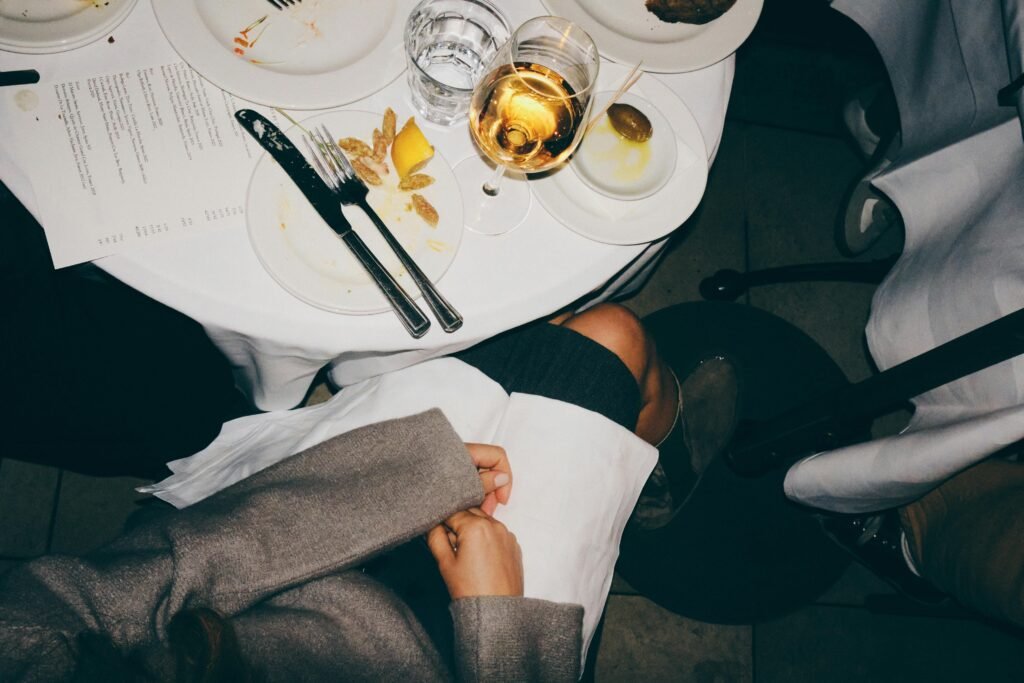
- Add 31–33% to every restaurant menu price. Ontario’s 13% HST plus an 18–20% tip means no restaurant meal costs what the menu states. Specifically, budgeting CAD 105 for a CAD 80 menu bill produces the correct total. Non-North American visitors who skip this calculation consistently underspend on tips or overspend on their budget without understanding why.
- St. Lawrence Market shuts on Sunday and Monday. This surprises more visitors than any other Toronto food planning mistake. Specifically, the main market building runs Tuesday through Saturday. Saturday is the highest-value single visit.
- Scarborough is worth the trip. The TTC subway runs to Scarborough Town Centre. Specifically, Kennedy Station and Lawrence East Station access the densest Tamil and Southeast Asian restaurant corridors. The journey from downtown takes approximately 45–55 minutes. Furthermore, the price-to-quality ratio in Scarborough consistently beats every downtown alternative.
- Patio season matters. Toronto’s outdoor dining culture concentrates between May and October. Specifically, the city’s best neighbourhood dining — Ossington, Dundas West, Queen West — works best in warm months when patios open. Winter dining retreats indoors and loses some of the neighbourhood character that makes these areas compelling.
Alcohol, Markets, and Practical Notes
- Buying alcohol requires specific stores. Wine, spirits, and most imported beer sell through the LCBO. Domestic beer sells primarily through the Beer Store. Additionally, some Ontario wines now appear in authorised grocery stores. Specifically, convenience stores and gas stations do not sell alcohol in Ontario — this surprises visitors accustomed to most other North American and European retail systems.
- Kensington Market is a neighbourhood, not a building. Visitors expecting a covered market similar to St. Lawrence encounter an open street neighbourhood of independent shops, stalls, and restaurants instead. Specifically, the area around Augusta Avenue and Kensington Avenue produces the most concentrated experience. Furthermore, Sunday afternoons in summer close the area to cars and produce an outdoor eating atmosphere.
- Cash is useful but rarely essential. Most Toronto restaurants accept cards. Specifically, some smaller immigrant community restaurants and market stalls prefer cash. Carrying CAD 40–60 in small notes covers most situations.
- Summer heat and humidity reach 28–35°C in July and August. Outdoor eating in these months requires shade and cold drinks. The underground PATH network connecting downtown buildings provides air-conditioned walking routes and food court options during the working week.
Frequently Asked Questions About Food in Toronto
Toronto Classics and Canadian Food
What is peameal bacon and why is it a Toronto thing? Peameal bacon is a specifically Ontario product. Back bacon (cured pork loin) rolls in cornmeal — the name comes from dried pea meal, which the original process used. Consequently, the peameal bacon sandwich at St. Lawrence Market represents Toronto’s clearest claim to a signature food. The version at Carousel Bakery inside the market involves thick-cut peameal bacon in a fresh kaiser roll, served without condiment ceremony. Specifically, the Saturday queue runs 30–45 minutes. The experience justifies it.
What is a butter tart? A butter tart is an Ontario pastry — a short-crust shell holding a gooey, intensely sweet filling of butter, sugar, and eggs. Optional additions include raisins (the traditional version) or pecans. Specifically, bakeries across Toronto produce them. However, the most celebrated butter tart experiences sit in the small towns north of the city along designated butter tart trails. For a Toronto visit specifically, any independent bakery rather than a chain produces a reliable version.
What is poutine and where should I eat it in Toronto? Poutine is a Quebec dish of fries, fresh cheese curds, and dark gravy. The cheese curds should squeak — substituting shredded cheese produces a different dish. Specifically, Toronto has several dedicated poutine restaurants producing the genuine article. Avoid versions at tourist-facing restaurants in the Entertainment District and waterfront — these use inferior curds and pre-made gravy. A neighbourhood burger operation or dedicated poutine shop produces a meaningfully better result for less money.
Practical Dining Questions
How much should I budget for food per day in Toronto? A traveller eating primarily at immigrant neighbourhood restaurants and food markets can eat very well for CAD 40–65 per day including one sit-down meal with drinks. Mixing one upscale dinner with two neighbourhood meals produces CAD 80–130 per day after tax and tip. Specifically, eating every meal at downtown tourist-area restaurants without neighbourhood exploration produces the worst combination of cost and quality.
Why is tipping so important in Toronto? Toronto follows North American restaurant tipping conventions. Servers earn a minimum wage below the living wage, with tips completing the income. Specifically, 18% is the floor — 20% is standard, 22–25% for notably good service. Leaving a European-level tip of 10% reads as a signal of dissatisfaction. Payment terminals display pre-calculated options at 18%, 20%, and 25%, making the expected range visible at every transaction. Furthermore, the same tip mechanics apply to bar tabs, food delivery, and coffee shops — tipping culture extends further in Toronto than in most non-North American cities.
© 2026 — Editorial travel content. Not affiliated with Destination Toronto, the Ontario Tourism Marketing Partnership, any restaurant operator, or any commercial food or hospitality operator. Pricing reflects 2025–2026 conditions and is subject to change.
Editorial & Accuracy Standards
- Expert Review:
Ammara Azmat,
Senior Travel Mobility Analyst (12+ years experience) - Status: Verified for accuracy against official 2026 service data and real-time traveller reports.
- Our Process: This content follows our Fact-Checking Policy.