
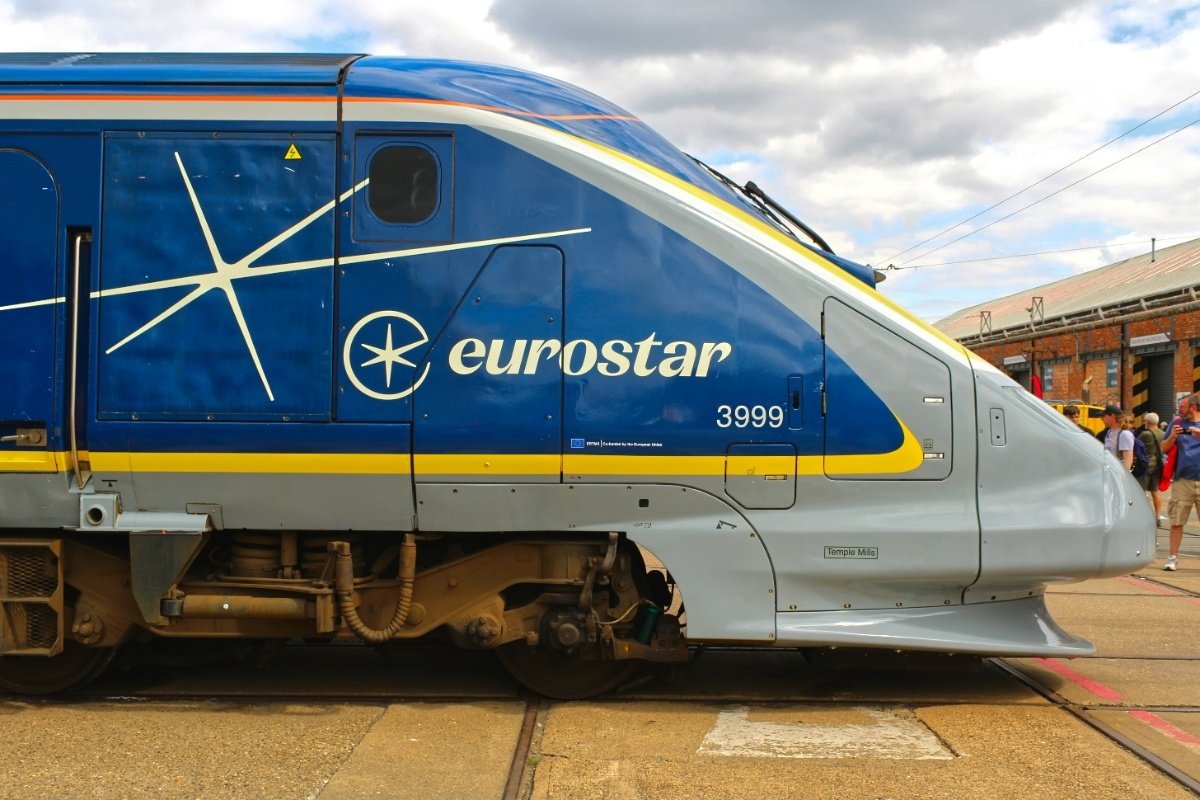
Eurostar: The Complete Guide to High-Speed Rail Between the UK and Europe
Sunset Weekly Disclosure: To help keep our guides free, this post contains affiliate links. If you click through and make a booking (such as hotels, flights, tours, or travel experiences), we may earn a commission at no extra cost to you. Sunset Weekly is an independent travel and lifestyle publication. While we may receive compensation from affiliate partners, this does not influence our editorial content, recommendations, or opinions. #ad
Eurostar is the high-speed passenger rail service connecting London with mainland Europe via the Channel Tunnel. It runs direct services from London St Pancras International to Paris, Brussels, and Amsterdam, and is widely used by leisure travellers, business passengers, and anyone looking to reduce the environmental impact of their journeys. Unlike flying, Eurostar deposits you in the centre of each city, with no airport transfers and a check-in process far simpler than air travel. If you are planning a city break to Paris, a business trip to Brussels, or a longer European rail journey starting in Amsterdam, Eurostar is worth serious consideration.
Quick Overview
- Type: High-speed international train
- Operator: Eurostar International Limited
- Key routes: London to Paris, London to Brussels, London to Amsterdam
- Countries served: United Kingdom, France, Belgium, Netherlands
- Top tunnel speed: Up to 300 km/h on high-speed track
- Best for: City breaks, business travel, no-fly journeys, onward rail connections into Europe
Eurostar Routes From London: Destinations and Journey Times
London to Paris
The London to Paris route is the most popular Eurostar service. Journey time is approximately 2 hours 16 minutes, with trains departing London St Pancras and arriving at Paris Gare du Nord. Services run multiple times daily, making it a practical option for both day trips and longer stays.
Paris Gare du Nord sits in the 10th arrondissement and connects directly to the Paris Métro, giving you fast access to all parts of the city. From the Marais to Montmartre, most central areas are within 20–30 minutes of the station. Paris rewards slow exploration — its covered passages, covered markets, and smaller neighbourhood restaurants are often more interesting than the headline attractions.
London to Brussels
The London to Brussels journey takes around 1 hour 51 minutes, making it one of the fastest international rail connections in Europe. Brussels-Midi station, where Eurostar arrives, is a short taxi or metro ride from the city centre.
Brussels is a practical base for exploring the wider Benelux region. The city itself has a strong architectural identity — the Grand Place, Art Nouveau townhouses in Ixelles, and the Horta Museum are all worth your time. It is also an underrated food city, with a well-developed restaurant scene beyond the obvious Belgian staples.
Importantly, Brussels is a major interchange for onward high-speed rail travel. Thalys (now Eurostar-branded) and ICE services connect Brussels to Cologne, Amsterdam, and Paris, making it useful as a starting point for a broader European rail trip.
London to Amsterdam
The London to Amsterdam route takes approximately 3 hours 52 minutes direct, following the opening of direct return services from Amsterdam in 2020. The train travels via Rotterdam and calls at Amsterdam Centraal, which is directly connected to trams, metro, and buses.
Amsterdam is a compact, walkable city where the canal ring, the Jordaan neighbourhood, and institutions like the Rijksmuseum and the Van Gogh Museum are all within easy reach of the centre. The city has a well-developed cycling infrastructure, and hiring a bike for a day remains one of the most practical ways to cover ground.
One lesser-known detail worth noting: when travelling from Amsterdam to London, UK passport and customs checks currently take place at Amsterdam Centraal before departure, not on arrival in London. Allow additional time at the station — Eurostar recommends checking in at least 60 minutes before departure on this route.
Eurostar Ticket Types, Prices and Booking Tips
Eurostar offers three main fare classes:
Standard is the entry-level option and suits most leisure travellers. Seats are comfortable, luggage allowance is generous, and there is a café bar on board. Cheaper Standard fares are non-refundable and non-exchangeable, so they carry some booking risk.
Standard Premier includes a meal served at your seat, larger seats, and more flexibility on changes. It sits between Standard and Business Premier in price and is worth considering on longer journeys such as London to Amsterdam.
Business Premier offers fully flexible tickets, a dedicated lounge at St Pancras, and the most spacious seating on board. It is aimed primarily at business travellers and those who need guaranteed flexibility.
For best fares on Standard tickets, book as far in advance as possible — Eurostar typically releases tickets around six months ahead, and the cheapest seats sell quickly on popular routes. Travelling mid-week and avoiding school holiday periods will also produce lower fares. If your dates are flexible, use Eurostar’s own fare calendar to identify cheaper days rather than committing to a specific departure.
Eurostar tickets can be booked directly through the Eurostar website or via rail booking platforms such as Trainline or Rail Europe. If you are planning an extended trip across Europe, it is worth comparing through-tickets or rail passes that combine Eurostar with onward services.
Why Eurostar Is Better Than Flying for Short‑Haul Routes
City-centre arrival. Eurostar terminates in central Paris, Brussels, and Amsterdam, removing the need for airport transfers. Compared to flying into Charles de Gaulle or Schiphol, the time saving is significant once you factor in transport to and from the airport.
Simpler check-in. Eurostar recommends arriving at least 30 minutes before departure (60 minutes for Amsterdam services). This is considerably less demanding than air travel, where two-hour check-ins are standard.
Luggage. There are no fees for checked luggage on Eurostar, and passengers can bring two large items plus hand luggage. There are no liquid restrictions, no laptop trays, and no security theatre of the kind common at airports.
Lower carbon footprint. Eurostar has published data showing the London to Paris journey produces around 90% less CO2 per passenger than the equivalent short-haul flight. For environmentally conscious travellers, this is a material consideration rather than a marketing point.
Rail connections onward. For travellers heading further into Europe, Brussels and Paris both function as major high-speed rail hubs. Connecting to Cologne, Lyon, Marseille, or beyond via TGV or ICE is straightforward from either city.
Eurostar Travel Tips: Check‑in, Seats and Delays
Why the App is Non-Negotiable. We all know that platform changes and boarding gates move faster than station monitors can update. By downloading the Eurostar App, you bypass terminal friction with live “Push Notifications” that often alert you to boarding 2–3 minutes before the general public. This “Back Door” advantage ensures you lead the queue, securing luggage rack space before the bottleneck begins.
Arrive with time to spare. The minimum check-in time is 30 minutes before departure for most routes, but security and passport control queues can extend this at busy periods. Budget for 45–60 minutes at St Pancras unless you are very familiar with the process.
Passport and border control. UK passport holders will go through French or Belgian border control before boarding at St Pancras. Non-UK travellers should check current entry requirements for both the UK and the Schengen Area before booking.
Off-peak versus peak travel. Friday afternoon and Sunday evening departures on the London–Paris route attract the highest demand and fares. Monday mornings can also be congested with business travellers. Tuesday and Wednesday departures are typically cheaper and quieter.
Seat selection. If you prefer a quieter journey, choose a seat in Coach 1 or 2 on most services — these are quieter carriages. If you are travelling for work and need table space, request a table seat when booking.
Delays and disruptions. Eurostar services can be affected by industrial action in France, adverse weather, or mechanical issues. If you are travelling to a connection-dependent event, build in a buffer. Eurostar’s own delay repay policy offers compensation for significant delays.
Final Verdict
Eurostar is the most practical way to travel between London and Paris, Brussels, or Amsterdam for most passengers. The combination of city-centre arrival, competitive journey times, and a straightforward boarding process makes it preferable to flying on all three routes for the majority of travellers.
It works best for city breaks of two nights or more, business travel where flexibility matters, and as a starting point for longer European rail journeys. Standard fares booked in advance are competitively priced; Business Premier suits frequent travellers and those who need guaranteed flexibility.
If you are planning a trip, compare fares across Eurostar’s full schedule, consider mid-week departures for the best value, and look at onward rail options from Brussels or Paris if your journey continues into Europe.
Essential Eurostar FAQ
1. What is the recommended arrival time for Eurostar?
Eurostar recommends arriving at least 30 minutes before departure for most routes and 60 minutes for Amsterdam services due to border controls.
During peak travel times, arriving 45–60 minutes early helps reduce the risk of missing your train.
2. What do I need to prepare before boarding Eurostar?
You must have a valid passport or national ID card and complete security and border checks before boarding.
Downloading the Eurostar app allows you to access live platform updates and store digital tickets in your wallet.
Luggage and Security
3. What items are prohibited on Eurostar trains?
Eurostar prohibits firearms (including replicas), explosives, and knives with blades longer than 12 cm.
Camping gas canisters and highly flammable liquids are also confiscated during security screening.
4. What is the Eurostar luggage allowance?
Each adult passenger may bring two large items (up to 85 cm) and one small item of hand luggage.
There are no weight limits, provided you can carry and stow your luggage without assistance.
5. Do liquids need to be in clear plastic bags on Eurostar?
No. Eurostar does not enforce the 100 ml liquid restriction used in airports.
You may carry liquids of any size without using transparent bags.
6. Does Eurostar scan luggage at security?
Yes. All passengers and luggage must pass through mandatory X‑ray security screening before entering the departure lounge.
This applies to every Eurostar service operating through the Channel Tunnel.
Tickets, Documents and Refunds
7. Can Eurostar tickets be refunded?
Refund eligibility depends on your ticket type.
Business Premier tickets are fully refundable, while Standard and Standard Premier tickets are non-refundable but can usually be exchanged for a fee plus any fare difference.
8. What travel documents are required for Eurostar?
A valid passport or national ID card is required to travel on Eurostar services.
Post‑Brexit rules require passports to have at least three months of validity remaining for travel into the Schengen Area.
Onboard Experience and Pets
9. Can I bring my own food and drink on Eurostar?
Yes. Passengers are permitted to bring their own food and non-alcoholic drinks onboard.
Alcohol is allowed but may be restricted on specific services or dates at staff discretion.
10. Are pets allowed on Eurostar?
Pets are not permitted on Eurostar services to or from London.
Registered assistance dogs are allowed if pre-approved and compliant with the UK Pet Travel Scheme.
Editorial & Accuracy Standards
- Expert Review:
Ammara Azmat,
Senior Travel Mobility Analyst (12+ years experience) - Status: Verified for accuracy against official 2026 service data and real-time traveller reports.
- Our Process: This content follows our Fact-Checking Policy.