
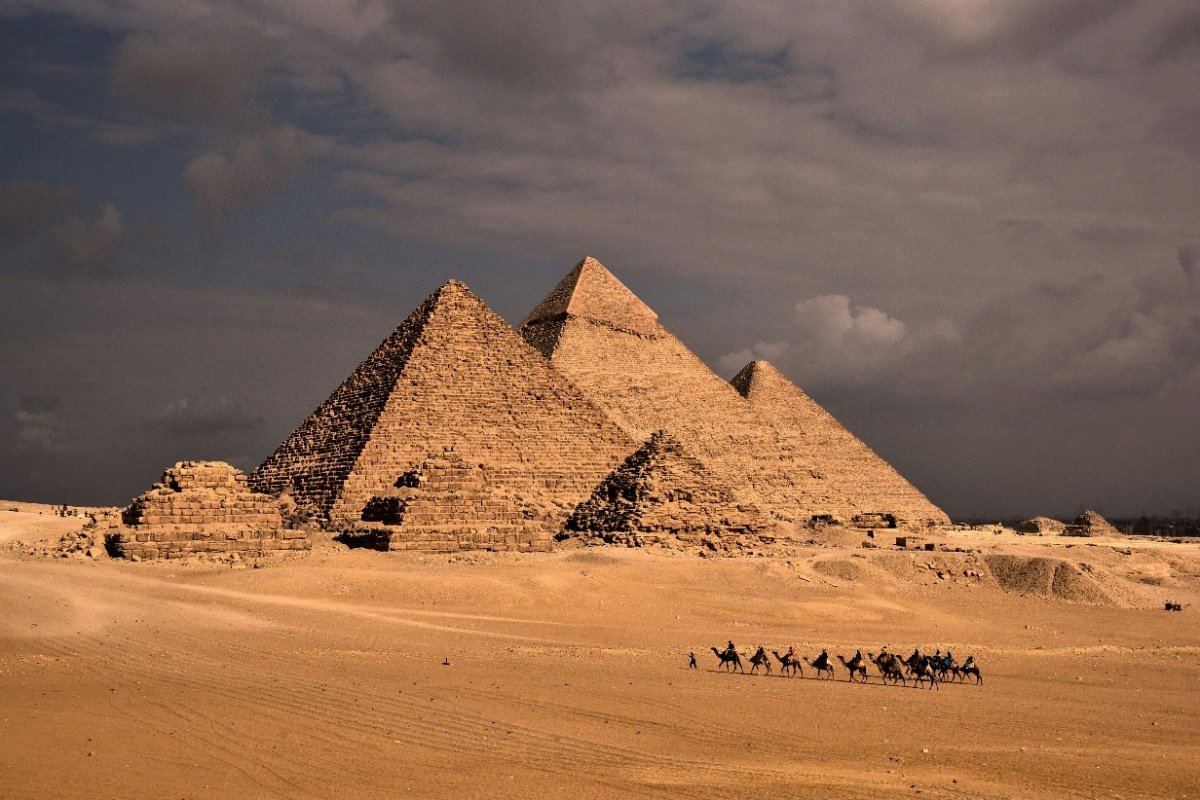
5 Essential Experiences You Shouldn’t Miss in Cairo, Egypt 2026
Sunset Weekly Disclosure: To help keep our guides free, this post contains affiliate links. If you click through and make a booking (such as hotels, flights, tours, or travel experiences), we may earn a commission at no extra cost to you. Sunset Weekly is an independent travel and lifestyle publication. While we may receive compensation from affiliate partners, this does not influence our editorial content, recommendations, or opinions. #ad
Last updated: May 2026 | Editorial travel guide for first-time and returning visitors to Cairo
Quick Answer: Cairo rewards visitors who go beyond the obvious. The Pyramids of Giza, the Egyptian Museum, Khan el-Khalili Bazaar, a Nile sunset cruise, and the Citadel of Saladin together cover the city’s ancient, Islamic, and living history — each offering a genuinely different dimension of one of the world’s most layered cities.
Few cities carry as much historical weight as Cairo. Spanning more than five thousand years of continuous civilisation, the Egyptian capital places ancient wonders, medieval Islamic architecture, Coptic Christian heritage, and a chaotic, fascinating modern city in the same few square kilometres. Consequently, choosing what to prioritise on a first visit matters — and getting the order right makes a significant difference to how much you absorb.
The five experiences below cover the essential Cairo: the monuments you came to see, the neighbourhoods that bring the city to life, and the moments — like watching the sun dissolve into the Nile — that stay with you long after the flight home.
1. Visit the Pyramids of Giza and the Great Sphinx
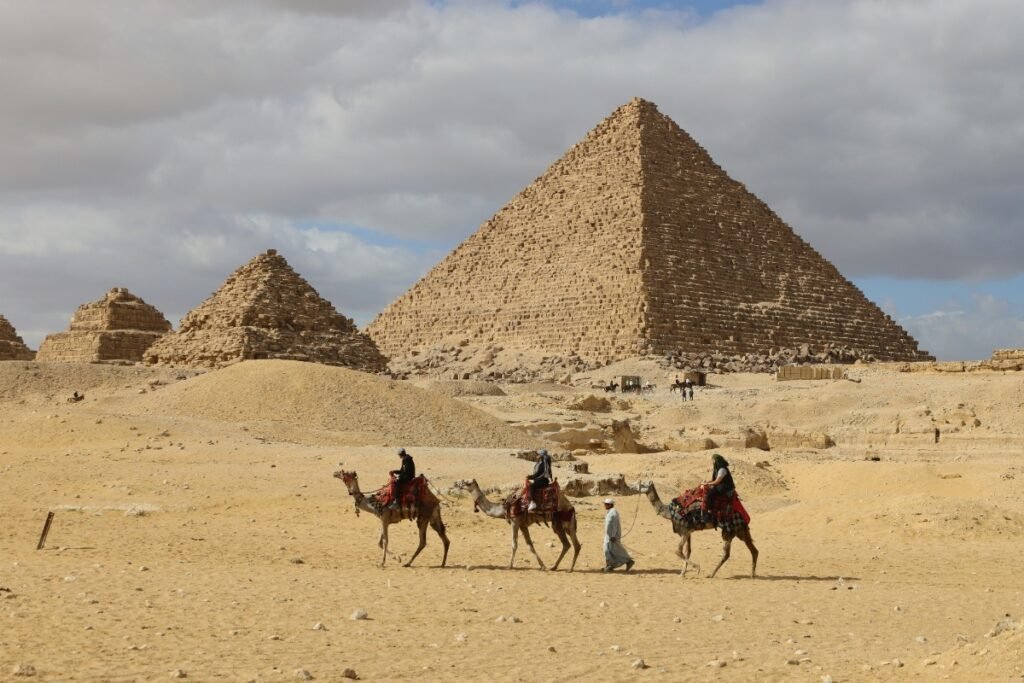
The Pyramids of Giza are the oldest of the Seven Wonders of the Ancient World and the only ones still standing. Visiting them is not simply a sightseeing exercise — it is a genuinely disorienting encounter with scale. The Great Pyramid of Khufu rises 138 metres above the plateau, and no photograph prepares you for standing at its base.
What to Expect on the Plateau
The Giza plateau covers three main pyramids — Khufu, Khafre, and Menkaure — alongside the Great Sphinx and several smaller satellite structures. Entry tickets to the plateau itself allow you to walk the full site; separate tickets are required for interior access to the pyramids and for the Solar Boat Museum. Not all pyramids offer interior entry simultaneously, so check current access arrangements before visiting.
The Great Sphinx sits slightly east of the main pyramid complex. Carved from a single limestone outcropping, it measures approximately 73 metres long and 20 metres tall — considerably larger than most visitors expect from photographs.
When to Go and What to Watch For
Arriving at opening time — currently 8:00 AM — gives you the best chance of experiencing the site with fewer crowds and softer morning light. By mid-morning, tour groups arrive in volume and the plateau becomes considerably busier.
Additionally, the Sound and Light Show held at the Giza plateau on selected evenings illuminates the monuments and narrates the history — worth booking in advance for a genuinely different perspective on the site after dark. Avoid aggressive unlicensed vendors and camel-ride touts by politely but firmly declining on your first approach; persistence fades quickly.
2. Explore the Egyptian Museum and Coptic Cairo
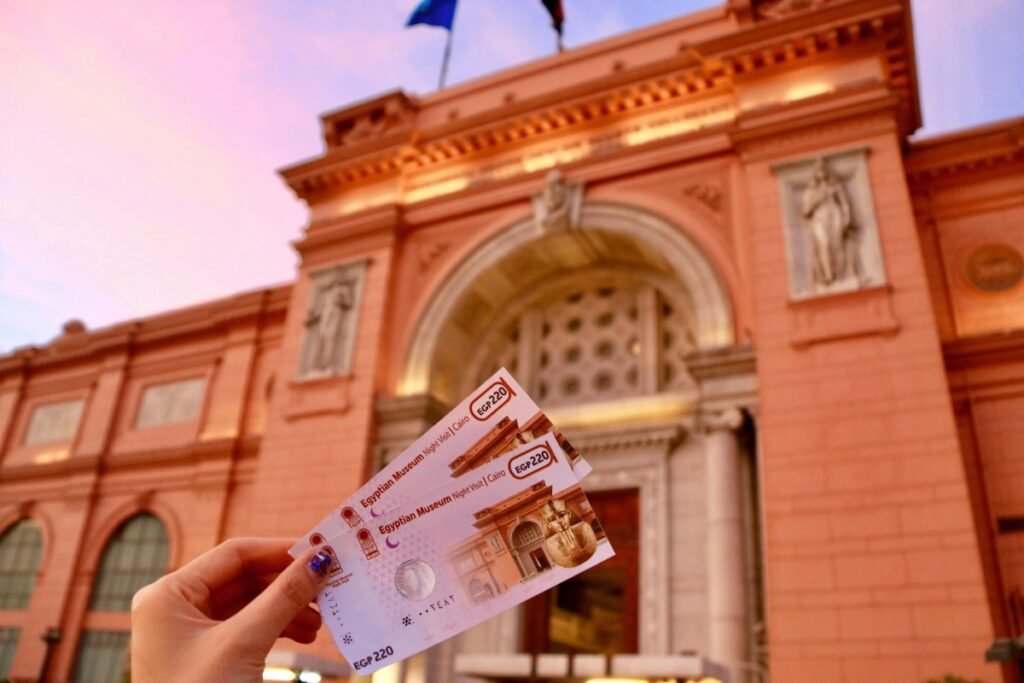
The Egyptian Museum on Tahrir Square holds the world’s largest collection of ancient Egyptian artefacts — over 120,000 objects across two floors. Coptic Cairo, a short distance south, preserves one of the oldest Christian communities on earth within a walled district of churches, monasteries, and a Coptic museum that traces 2,000 years of continuous faith.
The Egyptian Museum: Where to Focus
The museum’s scale is genuinely overwhelming on a first visit. Consequently, prioritising the rooms that house the most significant collections pays dividends over attempting to cover everything. The ground floor covers large statuary, sarcophagi, and animal mummies; the upper floor houses the Tutankhamun galleries — including his iconic gold mask — and the Royal Mummies Room, which requires a separate ticket and provides a sobering encounter with the preserved faces of pharaohs including Ramesses II.
Allow at least two to three hours for a meaningful visit. Hiring a licensed guide at the entrance is worthwhile for the Tutankhamun collection specifically, where the context transforms the artefacts from impressive objects into a coherent narrative.
Notably, the Grand Egyptian Museum at Giza — purpose-built to eventually house the full collection — opened progressively in recent years. Check current exhibit arrangements before visiting, as some collections may have transferred by the time of your trip.
Coptic Cairo: A Different Layer of History
Coptic Cairo sits within a former Roman fortress and contains several of Egypt’s most ancient churches, including the Hanging Church (Al-Muallaqah), which dates to the fourth century and remains an active place of worship. Additionally, the Church of St Sergius and Bacchus is traditionally associated with the Holy Family’s flight into Egypt.
The Coptic Museum beside the churches covers Coptic art, manuscripts, and everyday objects from the early Christian era through to the medieval period. The walled district is compact — a two-hour walk covers the key sites — and provides a markedly quieter atmosphere than the main tourist zones, making it a useful contrast to the busier parts of the city.
3. Wander Khan el-Khalili Bazaar and Islamic Cairo
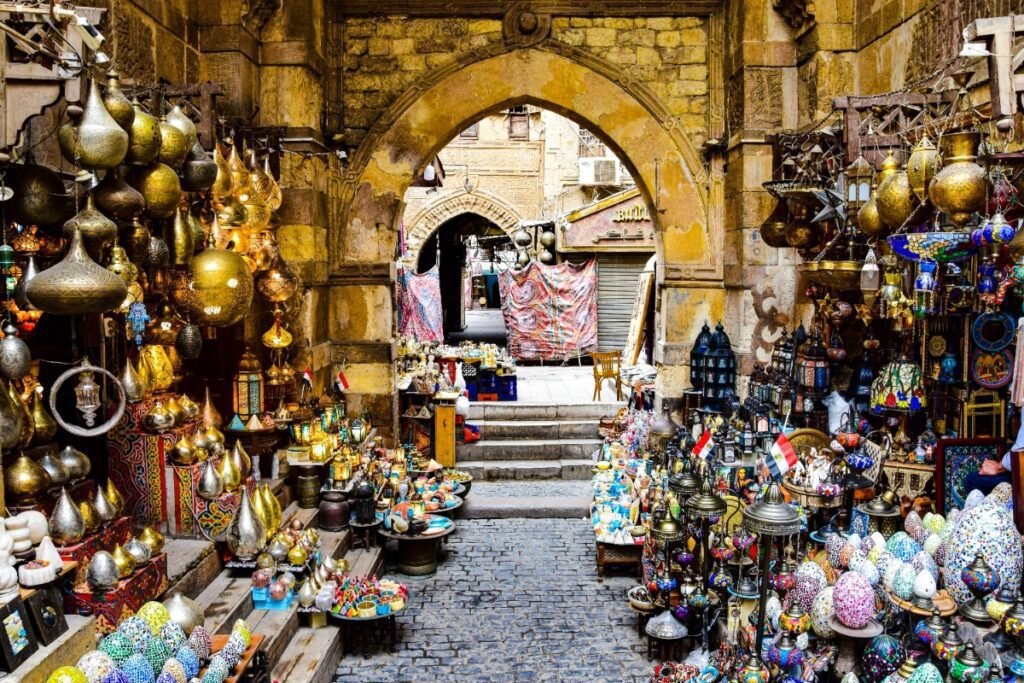
Khan el-Khalili has functioned as Cairo’s main bazaar since the fourteenth century. Today it remains a working marketplace selling spices, jewellery, metalwork, textiles, papyrus, and souvenirs across a dense network of covered streets and open squares. Islamic Cairo surrounds it with some of the finest medieval Islamic architecture in the world.
Navigating Khan el-Khalili
The bazaar operates on persistent engagement between sellers and visitors — expect enthusiastic approaches from shopkeepers and treat it as part of the experience rather than an obstacle to it. Negotiating on price is standard practice for most goods; starting at roughly half the asking price and settling somewhere between is a reliable approach.
The surrounding streets of Islamic Cairo contain mosques, madrasas, and monuments spanning the Fatimid, Ayyubid, and Mamluk periods. The mosque of al-Azhar — one of the oldest universities in the world, still operating as a centre of Islamic learning — sits adjacent to the bazaar and welcomes respectfully dressed non-Muslim visitors outside prayer times.
Al-Muizz Street: The Open-Air Museum
Al-Muizz li-Din Allah al-Fatimi Street, running north from Khan el-Khalili through the heart of Islamic Cairo, is arguably the most architecturally concentrated street in the Arab world. Mosques, hammams, historic houses, and merchant buildings line both sides across several kilometres. Furthermore, the street is partially pedestrianised in the evenings, when locals gather and the atmosphere shifts from daytime commercial bustle to something considerably more relaxed.
Arriving in the late afternoon, walking Al-Muizz as the evening call to prayer sounds across the district, and finishing with tea at one of the traditional cafés near Khan el-Khalili provides one of Cairo’s most atmospheric and unhurried experiences.
4. Sail on the Nile River at Sunset

A Nile sunset cruise — whether on a traditional felucca sailboat or a larger dinner vessel — provides a genuinely different view of Cairo. From the river, the city’s skyline, bridges, and waterfront emerge without the noise and density of the streets. Sunset over the Nile turns the water amber and the sky extraordinary.
Felucca vs Dinner Cruise: Which Suits You
Feluccas are traditional wooden sailboats that have navigated the Nile for centuries. Hiring a felucca and crew for a one-to-two-hour sunset sail is one of the most peaceful experiences Cairo offers — unhurried, quiet, and free of the city’s usual sensory intensity. Negotiate the price and duration clearly before boarding, and confirm the route covers the stretch between the central islands (Zamalek and Rhoda) for the best views.
Dinner cruises operate on larger vessels, typically including a set menu, live music, and sometimes traditional dance performances. They suit travellers who want a combined dining and sightseeing experience, and they run on a fixed schedule rather than a negotiated private arrangement. Book in advance during peak season.
What to Watch for on the Water
The view east from the river at sunset frames Downtown Cairo’s older buildings and minarets against a changing sky. To the west, the Giza plateau is visible on clear days — and on very clear evenings, the pyramids appear in silhouette against the last light. The contrast between the city’s energy and the relative quiet of the river makes this experience stand apart from every other moment in a Cairo itinerary.
5. Discover the Citadel and Mosque of Muhammad Ali
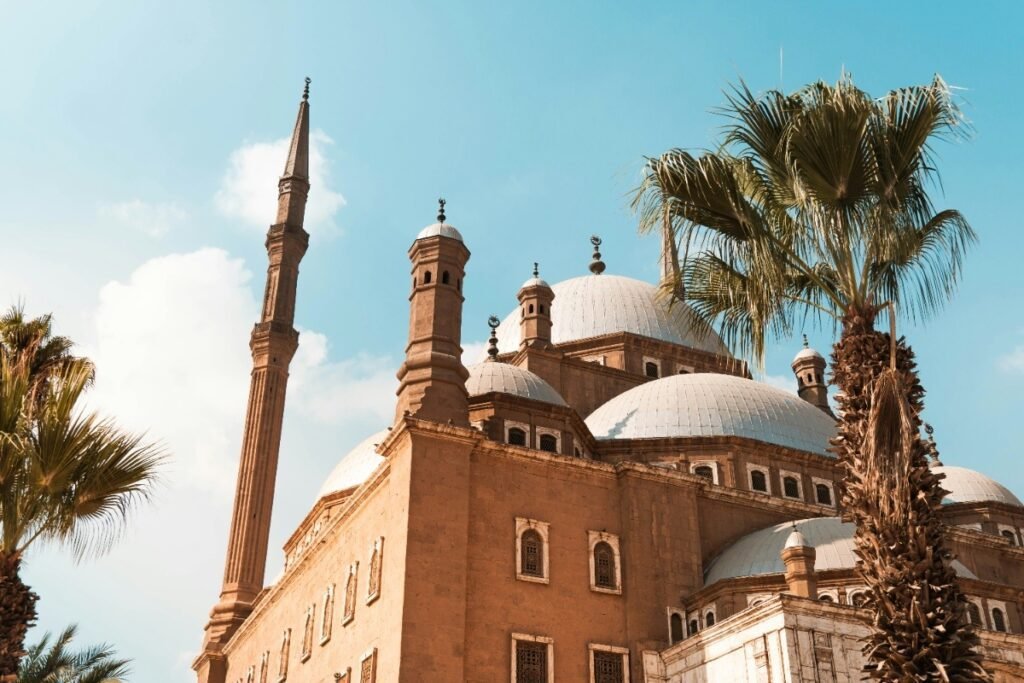
The Citadel of Saladin sits on a limestone spur above Cairo, commanding views across the entire city and housing the Ottoman-era Mosque of Muhammad Ali — one of the most visually striking buildings in Egypt. Together, the site covers nine centuries of Islamic Cairo’s political and military history.
The Citadel: What to See
The Saladin Citadel was built in the twelfth century as a defensive fortress and served as the seat of Egyptian government for nearly seven hundred years. Today the walled complex contains three mosques, two military museums, the Police Museum, and the National Military Museum. Specifically, the panoramic terrace facing west provides one of the most comprehensive views of Cairo available — on a clear day, the Pyramids of Giza appear on the horizon.
Allow two to three hours for a thorough visit. The main entrance is on the south side of the complex, and the Mosque of Muhammad Ali is the most visited structure within the walls.
The Mosque of Muhammad Ali
Built between 1830 and 1848, the Mosque of Muhammad Ali (also called the Alabaster Mosque) dominates the Cairo skyline from most points in the city. Its twin minarets and Ottoman dome — modelled on Istanbul’s imperial mosques — represent a deliberately bold architectural statement by Muhammad Ali Pasha, who commissioned it as both a place of worship and a monument to his own era.
The interior uses alabaster extensively on the lower walls, giving the mosque its popular name. The central courtyard contains a French clock tower gifted by King Louis-Philippe of France in exchange for the obelisk that now stands in the Place de la Concorde in Paris — a historical detail that rewards the curious visitor.
Non-Muslim visitors are welcome outside prayer times; removing shoes before entering is required and shoe bags are provided. Modest dress applies — a scarf is necessary for women, and shoulders and knees should be covered.
Where to Stay in Cairo
Finding the right base significantly affects how much you enjoy Cairo day to day. The city is large, traffic is unpredictable, and the distance between major sites matters more than it appears on a map. Choosing accommodation that positions you well for the experiences you prioritise — whether that is Giza proximity for the Pyramids or Downtown centrality for Islamic Cairo — makes early mornings and evening returns considerably easier.
For travellers who want a dependable, well-serviced stay with consistent standards across the city’s different districts, Marriott Bonvoy hotels in Cairo offer a range of properties covering the key areas. From riverfront positions on the Nile to locations near the Pyramids and in central Downtown, the Marriott Bonvoy portfolio provides a reliable foundation for a Cairo trip — with loyalty points that work across global stays for frequent travellers.
Where to Stay in Cairo – Marriott Bonvoy Hotels
| Hotel Name | Address | Contact | Rating | Action |
|---|---|---|---|---|
| The Nile Ritz-Carlton | 1113 Corniche El Nil, Cairo | +20 2 2577 8899 | ★★★★☆ | BOOK NOW |
| Sheraton Cairo & Casino | Galae Square, Giza | +20 2 3336 9800 | ★★★★☆ | BOOK NOW |
| Cairo Marriott Hotel | 16 Saray El Gezira, Zamalek | +20 2 2728 3000 | ★★★★☆ | BOOK NOW |
| The St. Regis Cairo | 1189 Nile Corniche, Downtown | +20 2 2597 9000 | ★★★★★ | BOOK NOW |
| Marriott Mena House | 6 Pyramids Road, Giza | +20 2 3377 3222 | ★★★★☆ | BOOK NOW |
Cairo Travel FAQs: Everything You Need to Know Before You Go in 2026
Entry and Logistics
Visas and Currency
Do I need a visa to visit Cairo in 2026? Most international travellers can obtain a single-entry, 30-day tourist visa on arrival at Cairo International Airport. The fee is $25 USD, payable in cash only — Egyptian pounds and card payments are not accepted at the visa desk. Alternatively, apply through Egypt’s official e-visa portal before departure to avoid queuing on arrival. Always check your specific nationality’s requirements before travelling, as entry rules can change.
What currency should I bring to Cairo? Egyptian Pounds (EGP) are essential for daily spending in Cairo. Smaller shops, market stalls, street food vendors, and tip payments typically do not accept cards. Larger hotels and tourist restaurants may accept international cards, but having cash readily available prevents practical difficulties. Withdraw EGP from airport ATMs or exchange currency at a reputable exchange bureau rather than relying solely on hotel rates.
Connectivity
How do I get reliable mobile data in Cairo? Purchase a local SIM card at Cairo International Airport on arrival. Vodafone Egypt, Orange Egypt, and Etisalat all offer tourist data plans at reasonable prices. A local SIM provides far more reliable connectivity than relying on hotel or café Wi-Fi, which varies considerably in speed and consistency across the city.
Safety and Etiquette
General Safety and Transport
Is Cairo safe for tourists in 2026? Cairo is broadly safe for tourists who take standard urban precautions. Tourist police operate visibly at major sites and in busy areas. For transport, Uber functions reliably across the city and removes the need to negotiate fares with unlicensed taxis. As with any major city, staying aware of your surroundings and using reputable services reduces risk considerably.
What is the dress code for visiting Cairo? Modest dress applies across Cairo, particularly at mosques, churches, and other religious sites. Both men and women should keep shoulders and knees covered when visiting these locations. Carrying a lightweight scarf or wrap is practical for women who want flexibility between tourist sites and outdoor areas. Dressing respectfully is both a cultural expectation and an easy way to avoid unwanted attention.
Photography and Social Customs
Are there rules about photography in Cairo? Yes. Photographing police officers, military personnel, government buildings, and official installations is strictly prohibited and can result in serious difficulties with authorities. At paid tourist attractions, photography rules vary — some sites charge a separate camera fee, and restrictions apply inside certain burial chambers and museums. When in doubt, ask your guide or a site official before pointing a camera.
What social customs should visitors know before going to Cairo? Using your right hand for greetings, eating, and passing items to others is the expected social norm in Egypt, as in many Arab countries. When meeting locals, a handshake is a common greeting between men; wait for women to initiate a handshake rather than extending your hand first. Patience and politeness go a long way in navigating daily interactions across the city.
Health and Practical Tips
Water, Tipping, and Food Safety
Is tap water safe to drink in Cairo? No. Tap water in Cairo is not recommended for drinking or brushing teeth. Use sealed bottled water throughout your stay — it is widely available and inexpensive. Staying well-hydrated is especially important during warmer months, when temperatures can rise significantly.
How does tipping work in Cairo? Tipping, known locally as baksheesh, is a standard part of daily life in Cairo rather than an optional gesture. Expect to tip hotel porters, bathroom attendants, tour guides, drivers, and anyone who provides a service. Carrying a supply of small Egyptian Pound notes specifically for tips makes this considerably easier than relying on change from larger transactions.
How do I avoid stomach problems when eating in Cairo? Choose restaurants and food stalls with visible, high customer turnover — busy venues rotate stock quickly, which reduces the risk of food sitting at unsafe temperatures. Avoid raw salads, unpeeled fruit, and ice in drinks unless you are confident of the source. Many experienced Cairo visitors eat adventurously without issues by applying these straightforward precautions consistently.
Planning Your Cairo Trip
Timing, Accommodation, and Activities
When is the best time to visit Cairo in 2026? March through April and October through November offer the most practical visiting conditions — temperatures are warm without reaching the extreme heat of summer, and major sites are manageable to explore on foot. Summer months (June through August) bring intense heat that makes outdoor sites physically demanding and can shorten comfortable sightseeing hours considerably.
Where should I stay in Cairo — Giza or Downtown? The Giza area offers direct proximity to the Pyramids, which is genuinely impressive — particularly at sunrise and sunset when the site is quieter. However, Downtown Cairo places you closer to the Egyptian Museum, Khan el-Khalili bazaar, the Nile Corniche, and the city’s broader transport network. For first-time visitors covering multiple sites, Downtown is typically the more practical base; for visitors whose primary focus is the Pyramids, Giza accommodation removes daily commuting time.
Drones and Tour Booking
Can I fly a drone over the Pyramids or in Cairo? No. Egyptian regulations prohibit recreational drone use without a special permit, which is difficult to obtain and requires advance application through official government channels. Attempting to fly a drone without authorisation risks equipment confiscation and legal consequences. Visitors who want aerial-style imagery of the Pyramids should explore licensed photography services instead.
Do I need to book Cairo tours in advance? Yes, for certain experiences. Nile dinner cruises, special access tours inside the Great Pyramid, sound and light shows at Giza, and guided tours of sites like Saqqara benefit from advance booking — particularly in peak season (October through April) when demand increases sharply. Last-minute availability at popular sites cannot be guaranteed, and pre-booking typically also secures a confirmed guide rather than relying on finding one on arrival.
Editorial & Accuracy Standards
- Expert Review:
Ammara Azmat,
Senior Travel Mobility Analyst (12+ years experience) - Status: Verified for accuracy against official 2026 service data and real-time traveller reports.
- Our Process: This content follows our Fact-Checking Policy.